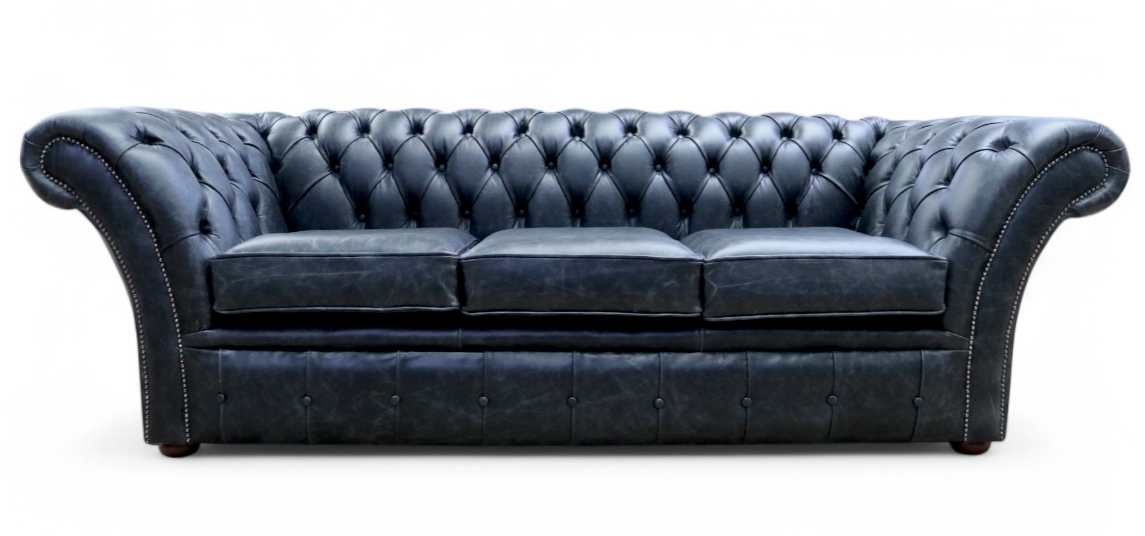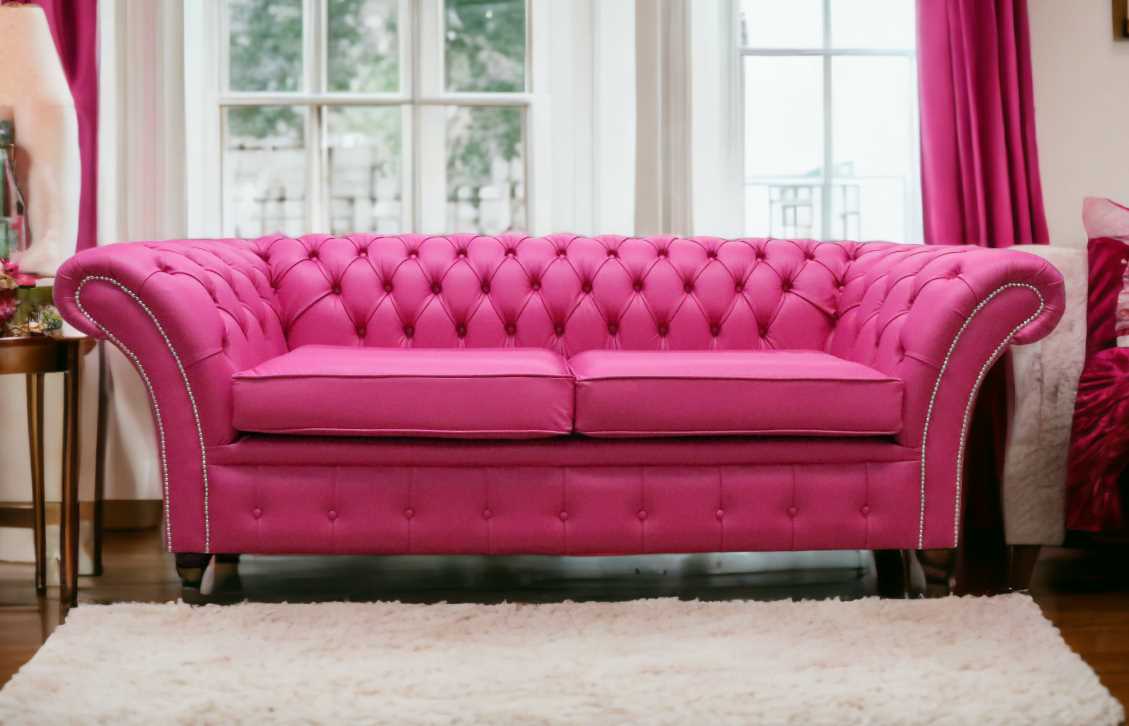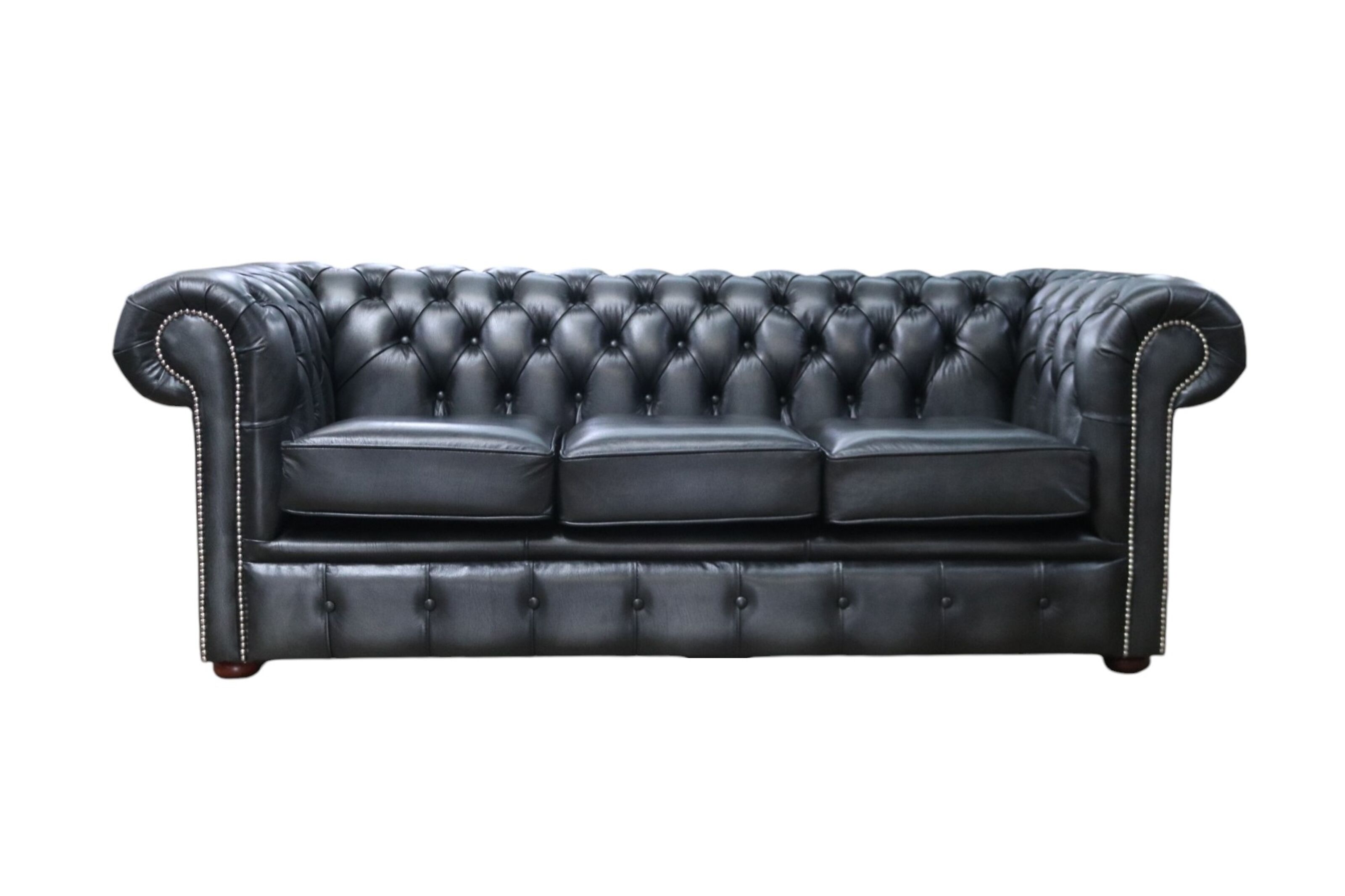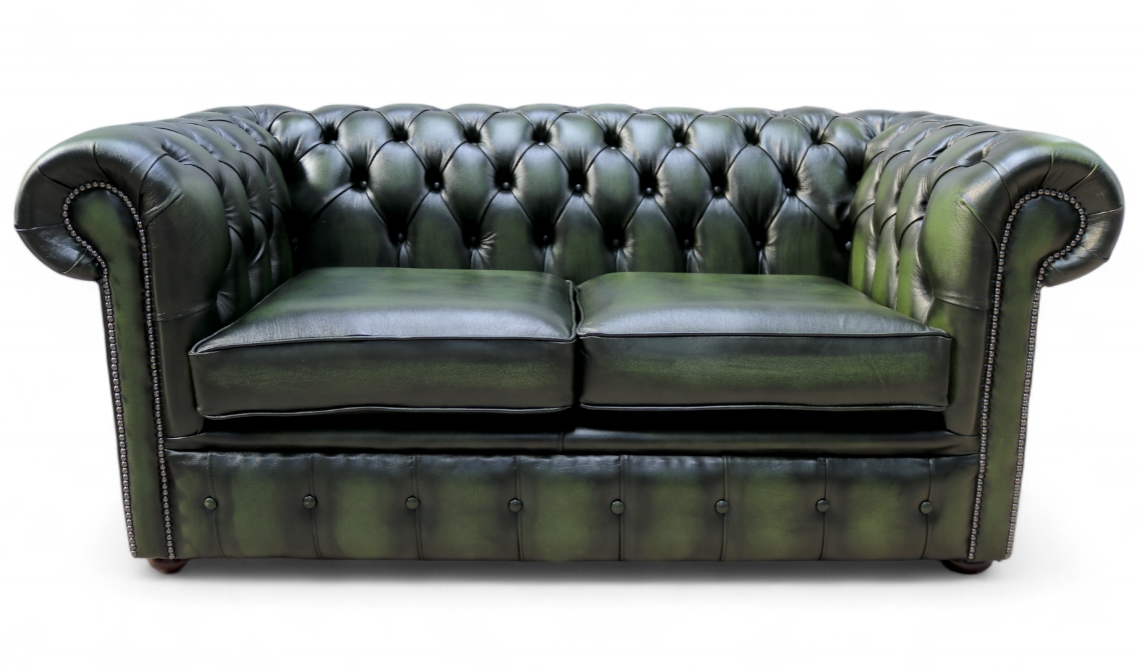

This is excellent material. It clearly differentiates a true, heirloom-quality Chesterfield from a cheap imitation by focusing on the hidden details—the frame, the manual tufting, and the leather grades.
To help your customers digest this information quickly before making a big purchase decision, here is a highly scannable, buyer-focused breakdown. It converts your technical notes into a clear guide that highlights why premium materials matter.
🪵 1. The Core: Frame & Structural Integrity
The lifespan of a Chesterfield isn’t determined by its leather, but by the timber hidden beneath it. Because the signature low-back design places unique tension on the frame, the underlying build is everything.
- The Premium Standard: Authentic Chesterfields use kiln-dried solid hardwood. The wood is slowly dried in a kiln to remove moisture, preventing it from warping or cracking over time. Joints are meticulously doweled, glued, and screwed together for maximum stability.
- The Budget Alternative: Cheap imitations frequently cut corners by using particleboard, MDF, plywood, or chipboard. These materials rely on glue and compressed wood scraps, meaning they can split, sag, or degrade under regular weight within just a few years.
🛋️ 2. The Exterior: Upholstery Profiles
The material you choose completely dictates the mood of the room. While leather is the traditional choice, modern updates have made fabric variants incredibly popular.
| Material Type | Best For | Key Characteristics |
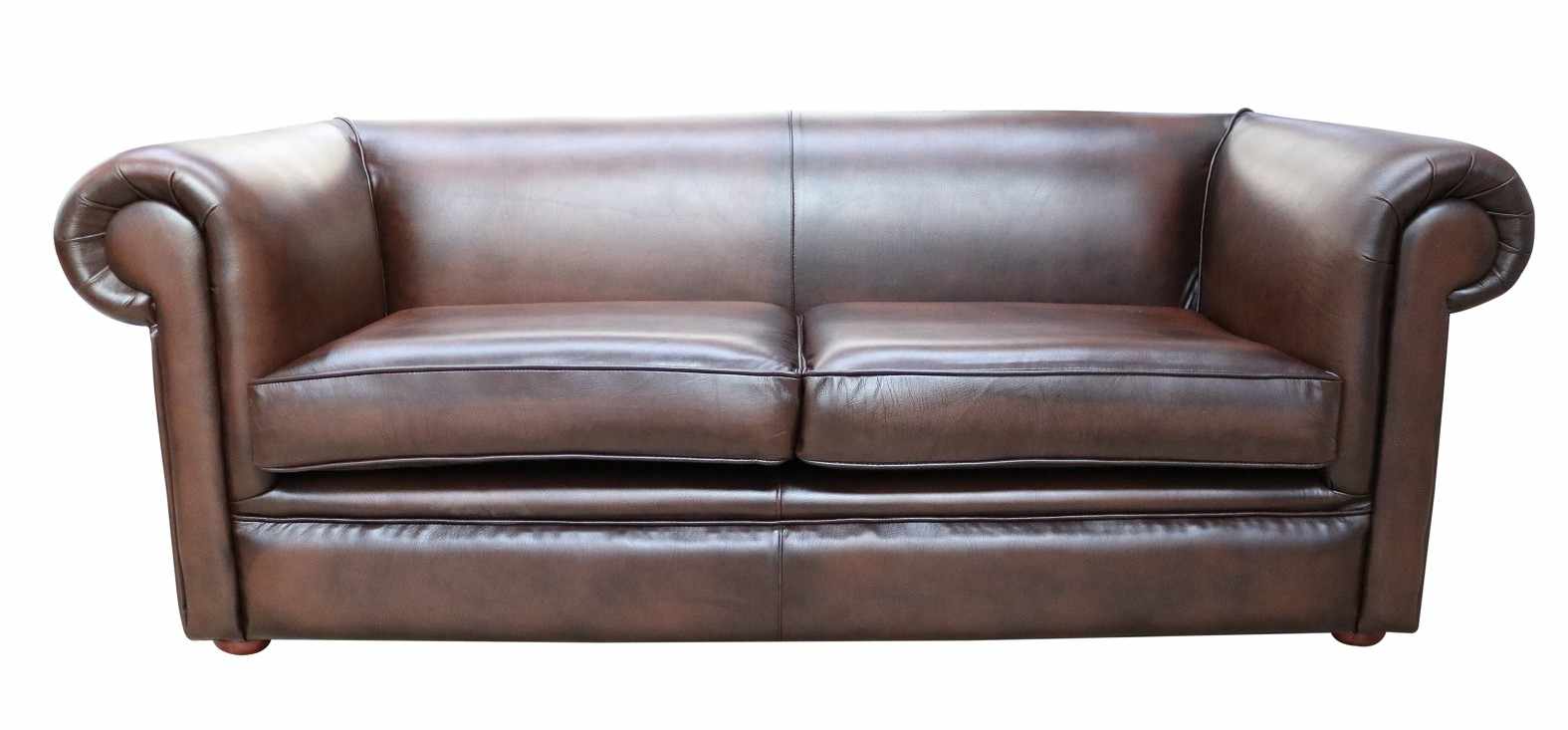
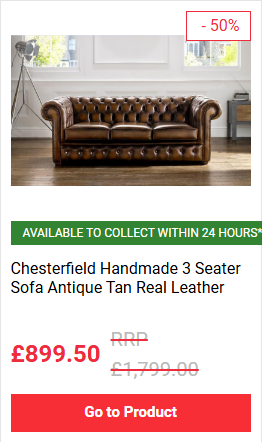
| Full-Grain Leather | The Ultimate Heirloom | The most luxurious finish available. True aniline-dyed full-grain leather keeps its natural markings, softens beautifully to your posture within 3 to 4 months, and develops a rich, historic patina over time. |
| Velvet | Modern Elegance | A plush, striking alternative. Velvet offers intense color depth (especially in deep blues, greens, and jewel tones), feels incredibly soft, and gives the historic silhouette a contemporary, high-fashion twist. |
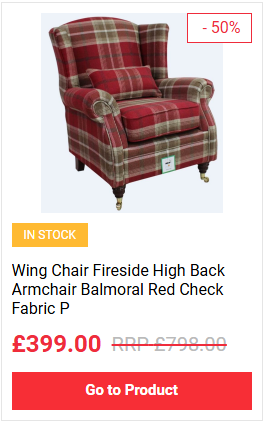
| Woven Fabrics | Cozy & Traditional | High-end variants utilize premium textiles like wool, linen, and custom-textured cloths to create a softer, more inviting, and transitional aesthetic. |
| Vegan & Faux Leather | Conscious Styling | High-quality PU (polyurethane) or engineered synthetic options provide the classic, sleek leather aesthetic without using animal products. |
🪶 3. The Craft: Stuffing & Tailoring Detail
What gives a Chesterfield its unmistakable silhouette is the manual labor required to shape it.
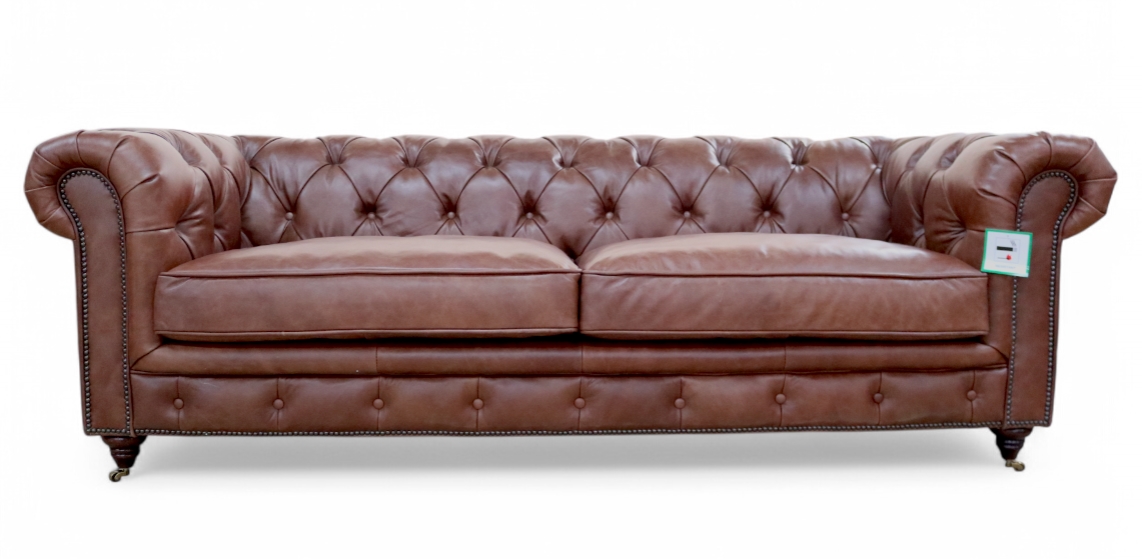
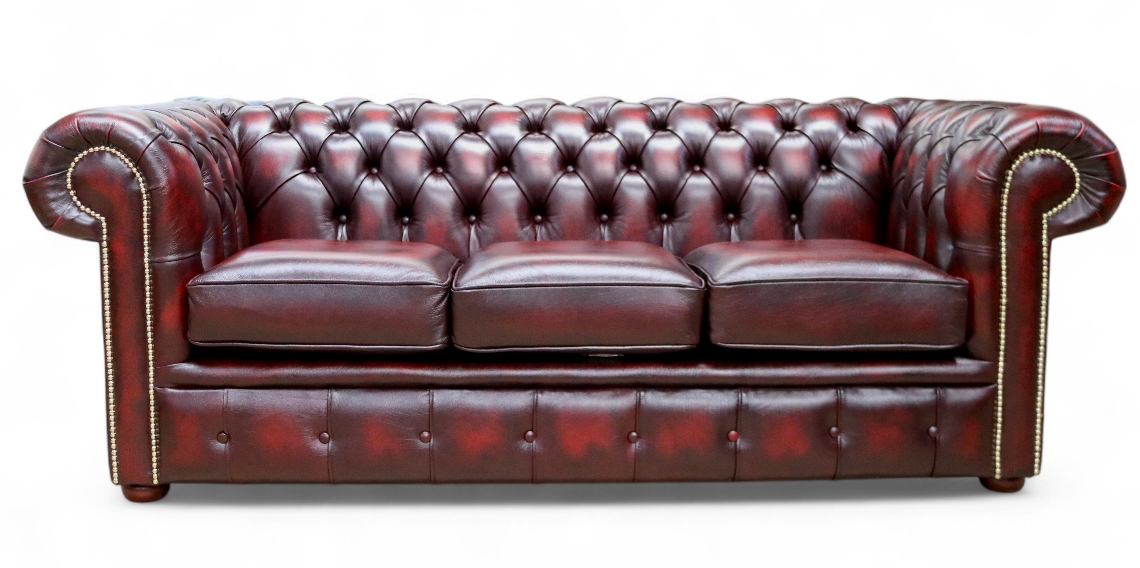
- Deep Button Tufting: A true Chesterfield features deep, diamond-patterned buttoning. This isn’t just an aesthetic trick; a skilled craftsman must manually tension the fabric and pull the buttons deep into the frame to create those iconic, sweeping rolled arms.
- The Evolution of Padding: While 19th-century originals were stuffed by hand with horsehair, modern premium models utilize high-density foam cushions combined with heavy-gauge steel springs. This combination prevents the seat from going flat while providing firm, ergonomic posture support.
Buyer’s Tip: When shopping for a Chesterfield, ask the manufacturer directly about the frame construction and the leather type. If the description simply says “leather” without specifying full-grain or top-grain, or if the frame is made of plywood, you are looking at a fast-furniture replica rather than an authentic investment piece.