
Introduction
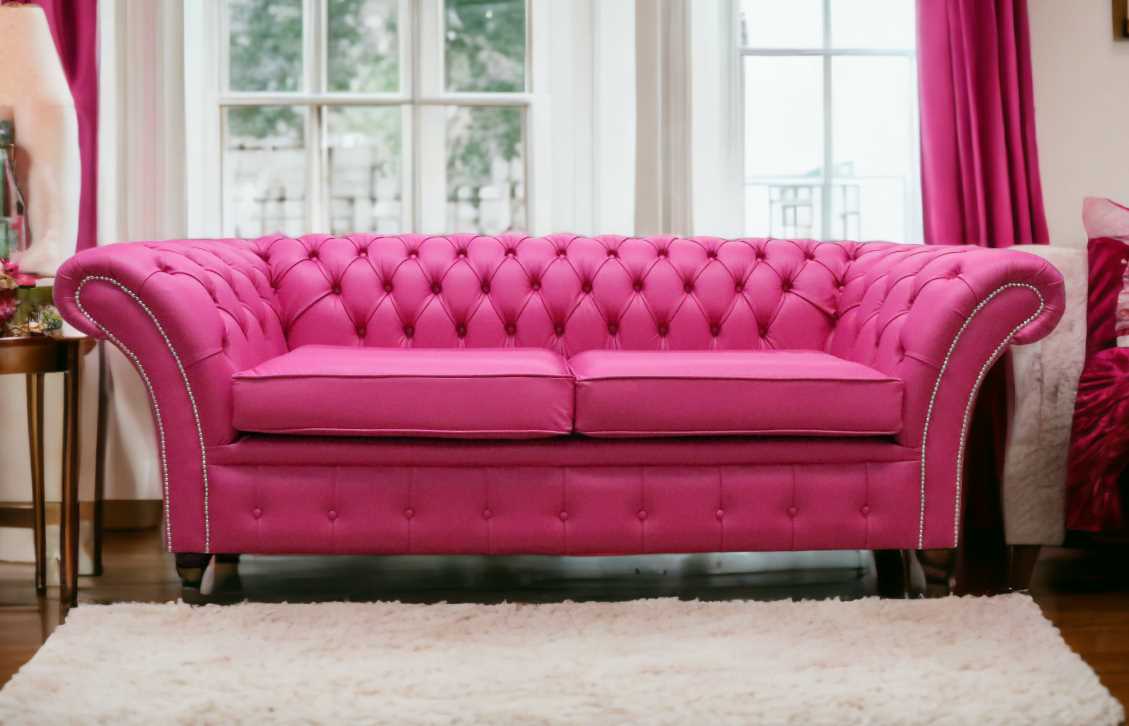
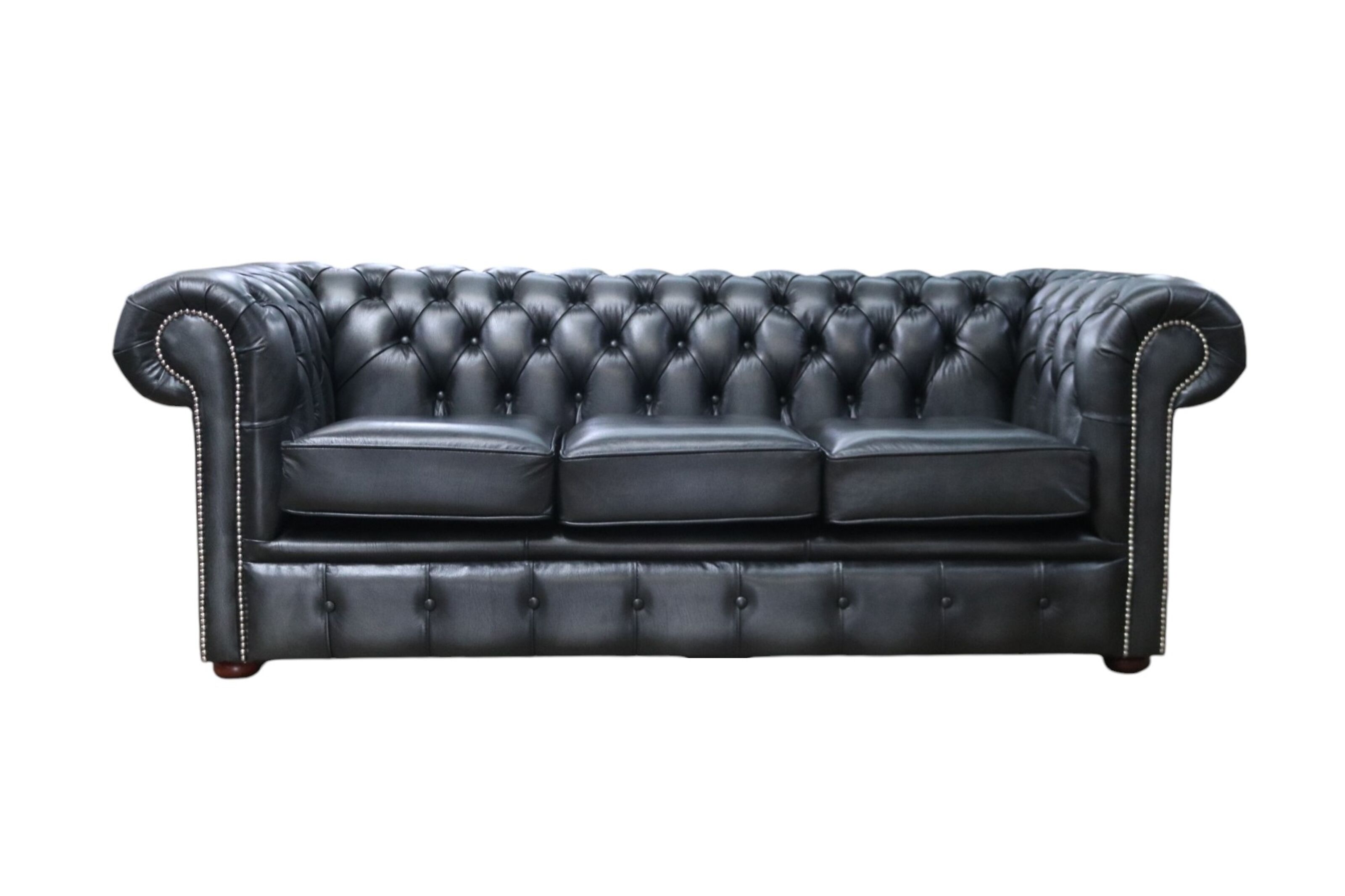
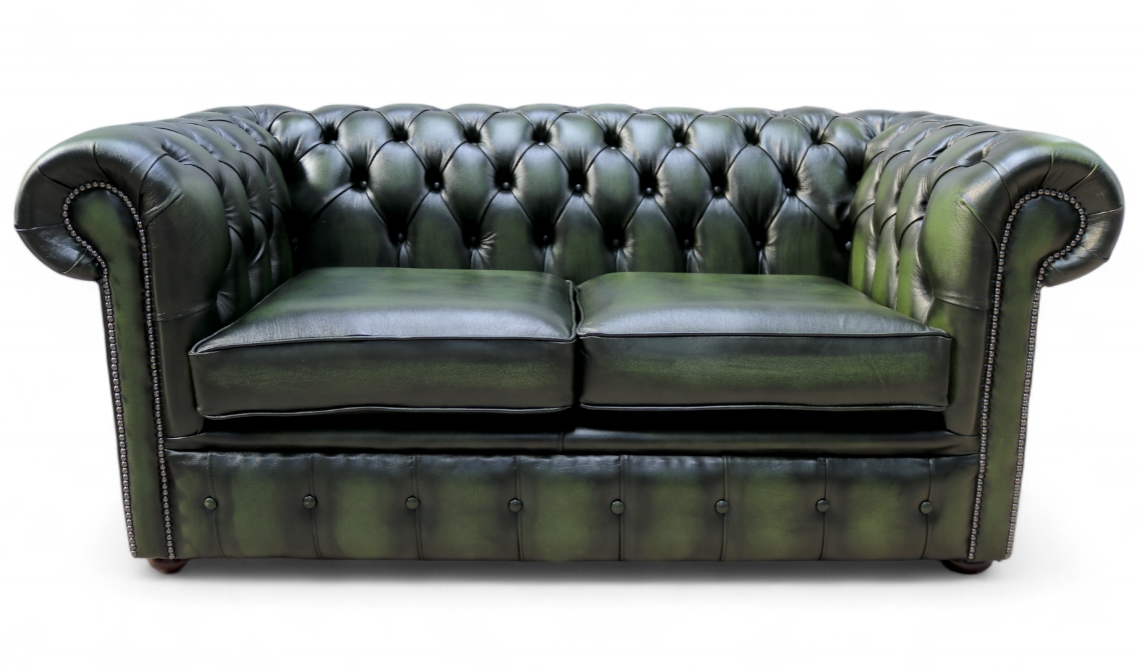
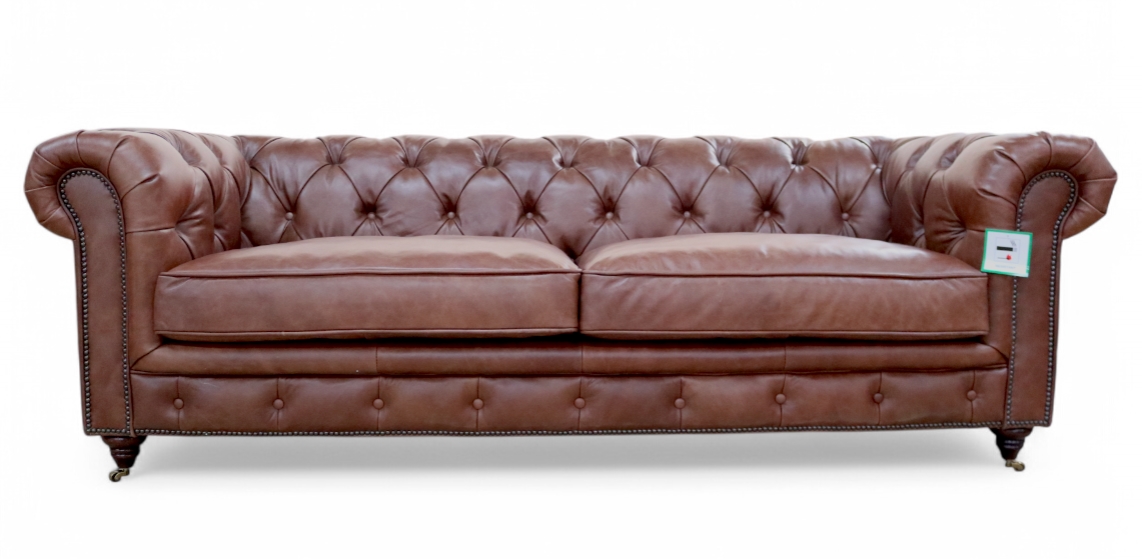
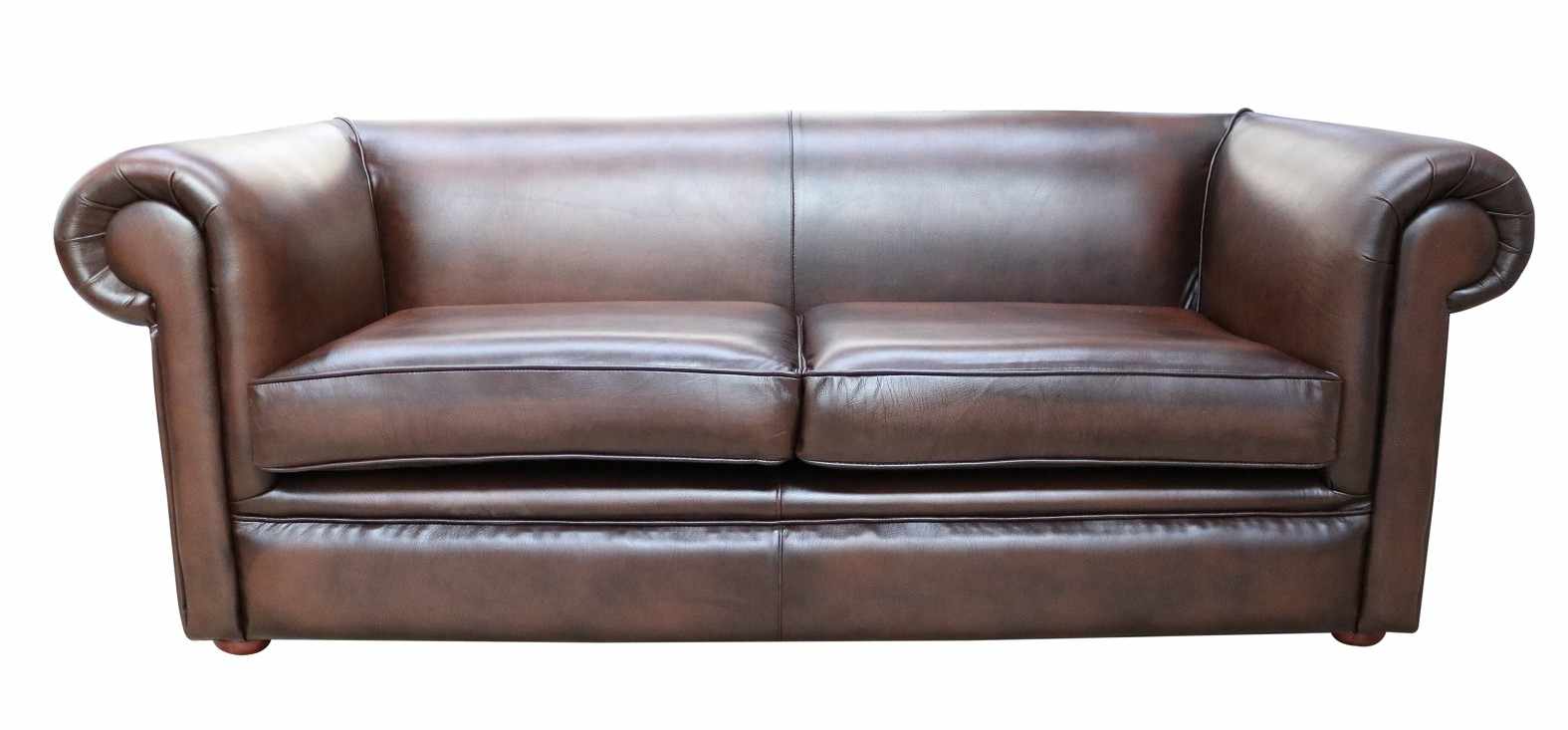
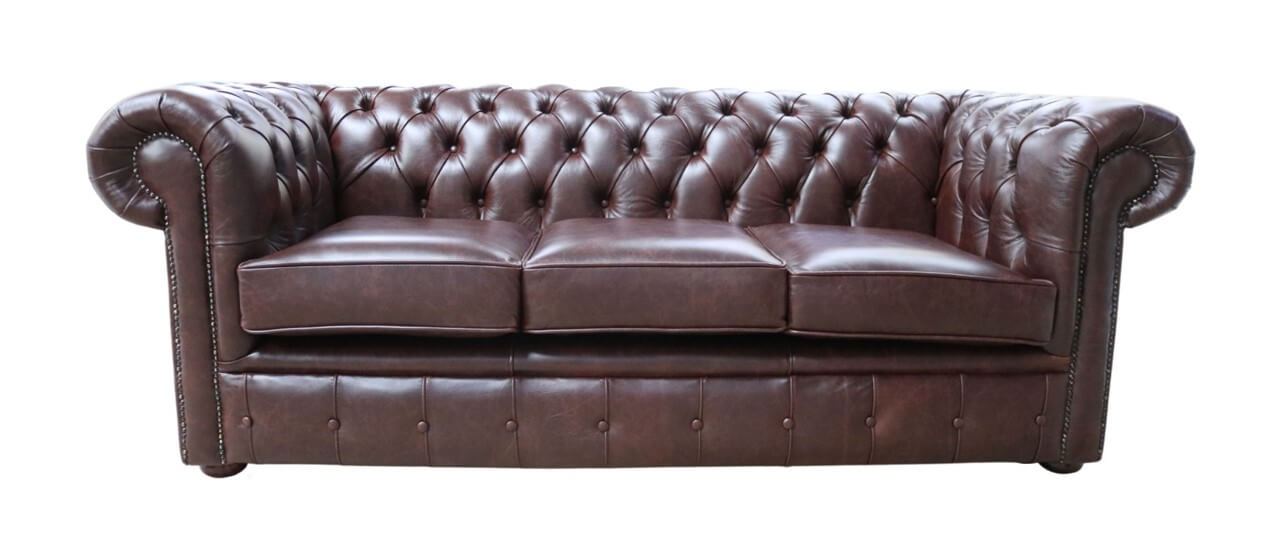
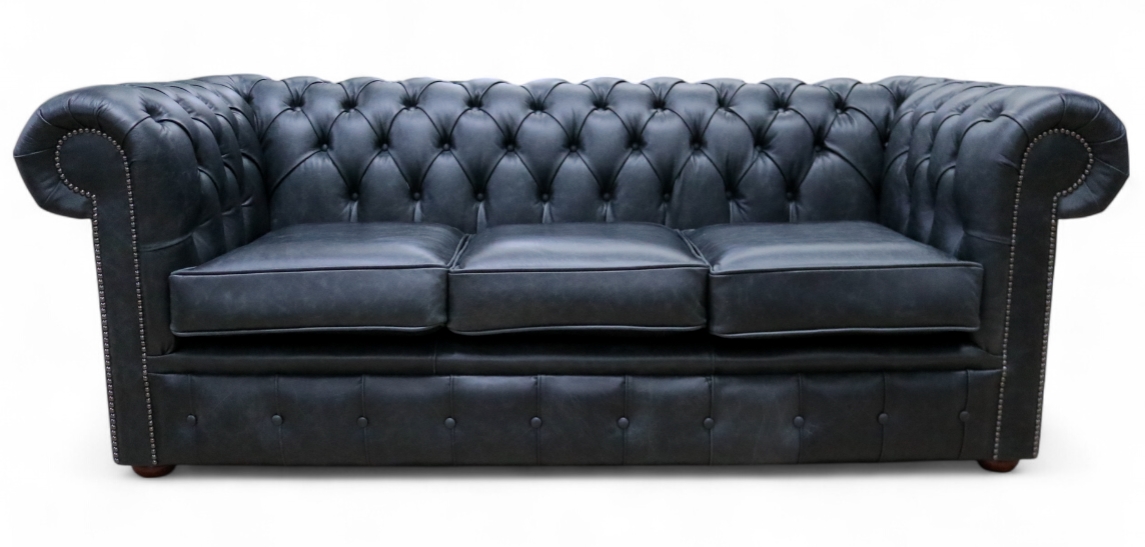
The Chesterfield sofa is an undisputed icon of interior design. With its deep button tufting, rolled arms, and stately silhouette, it commands attention in any room. However, because a Chesterfield carries so much visual weight and historical personality, pairing it with the wrong coffee table can easily throw off the balance of your living space.
Achieving timeless elegance is all about balance. Whether your style leans toward a moody traditional study or a bright, contemporary loft, this guide breaks down the essential rules of style, proportion, and functionality to help you find the perfect coffee table companion for your Chesterfield.
1. Style & Material Pairings: Creating the Perfect Balance
Choosing the right material combination prevents your space from feeling one-dimensional. The secret lies in contrasting or mirroring textures.
The Modern Classic: Leather Chesterfields + Sleek Metallics
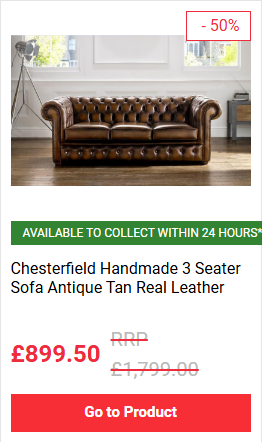
A traditional leather Chesterfield (especially in classic shades like antique brown, oxblood, or black) has a heavy, masculine, and historic presence.
- The Match: Complement it with a sleek glass or metallic (brass/chrome) coffee table.
- Why it works: The reflective surfaces and open framework of glass and metal provide a lighter visual aesthetic. This stark contrast balances the sofa’s heavy weight, injecting a fresh, modern energy into a classic look.
The Heritage Look: Fabric Chesterfields + Rich Woods
Whether upholstered in soft linen or plush velvet, a fabric Chesterfield trades a bit of the leather’s rigidity for a softer, inviting texture.
- The Match: Pair it with wooden coffee tables featuring intricate carvings, turned legs, or rich finishes (like mahogany, walnut, or dark oak).
- Why it works: This pairing beautifully mirrors the warm, soft texture of the fabric, leaning into a cozy, traditional appeal that feels deliberate and deeply elegant.
2. Proportions & Shapes: The Designer’s Math
Even the most beautiful coffee table will look out of place if the scale is wrong. Keep these two golden rules of proportion in mind:
Table Height
- The Rule: As a rule of thumb, your coffee table’s height should perfectly match the seat height of your Chesterfield sofa (or sit a mere 1–2 inches below it).
- Why it matters: This maintains functional comfort, allowing guests to set down drinks effortlessly while keeping the horizontal sightline of the room clean and cohesive.
Table Shape
- Rectangular Tables: These scale beautifully with larger, multi-seater Chesterfields. They run parallel to the long, structured frame of the sofa, creating a clean, symmetrical layout.
- Round or Oval Tables: These pair best with smaller Chesterfields or compact spaces. Because a Chesterfield features heavy, scrolled arms, a round table introduces softer visual lines that break up the rigid geometry and ease traffic flow around the room.
3. Functional Features: Elegance Meets Utility
Timeless design isn’t just about looks; it has to work for your lifestyle. A coffee table shouldn’t become a magnet for everyday clutter.
- Smart Storage: Look for tables featuring lower open shelving, hidden drawers, or nesting capabilities.
- The Contemporary Solution: Nesting tables are particularly brilliant for tighter or multi-functional spaces. They can be tucked away to keep the design clean, then expanded when hosting guests, adding immense functionality without compromising on style.
4. Decorative Accents: The Finishing Touches
Once you have the furniture pieces in place, the way you style the tabletop bridges the gap between “showroom” and a beautifully lived-in home.
- Vases & Trays: Elevate your layout using a stylish decorative tray. Use it to corral smaller items, a luxury candle, or a sculptural vase filled with fresh, seasonal flowers to add life and height.
- Layering for Depth: Scatter a few curated design books or high-quality marble/leather coasters across the table surface. Layering objects of varying heights and textures yields a polished, sophisticated vibe that feels intentional rather than cluttered.