
.jpg)
Couch vs Sofa vs Settee: What’s the Difference & Which Should You Buy?
Why We Get Confused About These Words
Ever found yourself wondering whether you should call it a sofa, a couch, or even a settee? You’re not alone. The English language has a charming way of offering several names for the same thing – and each carries its own story, tradition, and a hint of cultural flair. And when people start looking for the difference between a sofa and a couch, the confusion often grows even more, especially with the word settee added into the mix.
While these terms might seem interchangeable, their differences tell a fascinating tale of design, history, and lifestyle. Before we settle the debate, let’s explore what makes each term unique – and why, in the end, the name might matter less than the comfort it brings to your home.
Couch vs Sofa vs Settee: What’s the Real Difference?
In everyday conversation, most people use sofa and couch to mean the same thing – that comfortable piece of furniture you relax on at the end of the day. But if you look closer, subtle differences appear.
In British English, sofa or settee are far more common, while in American English, couch dominates. Historically, settee referred to a more formal seat, often wooden-framed and upholstered, something you might find in a traditional or classic sitting room. The sofa, on the other hand, has become a symbol of everyday comfort and modern living.
At the end of the day, whether you prefer a couch, sofa, or settee, the correct choice is the one that fits your lifestyle, your space, and your sense of design.
Origins of the Words
Sofa originates from the Arabic ṣuffa, meaning a “raised platform with cushions”. Through Turkish and French, the word entered English during the Middle Ages, quickly becoming associated with softness, comfort, and textiles.
Couch comes from the Old French coucher, “to lie down”. Originally, a couch was meant for reclining and resting rather than formal seating — hence its more relaxed character.
Settee is a truly British term for a small, elegant bench with armrests and a back. It was a functional yet refined piece of furniture.
But How Did They Differ in Appearance?
Historically, the differences were significant:
| Furniture Type | Characteristic |
|---|---|
| Sofa | Larger than the other forms |
| Fully upholstered from top to bottom | |
| Deep cushions and wide seating | |
| Designed for three or more people | |
| Meant for conversation and receiving guests | |
| Couch | Smaller than a sofa |
| Often has one armrest or none | |
| Resembles a long reclining seat or daybed | |
| Intended more for lying down than upright sitting | |
| Settee | Slim, elegant, upright profile |
| Often features a visible wooden frame | |
| Typically has a fixed (non-padded) back | |
| More of a stylish accent piece than for long relaxation |
In the 18th–19th centuries, the distinctions were very clear:
- the settee was a decorative piece for formal rooms;
- the sofa was soft, comfortable, often with luxurious upholstery;
- the couch was closer to a lounging chaise.
And What About Now?
Today the boundaries have almost disappeared:
- Designers merge forms, materials, and styles.
- People use these words as complete synonyms.
In Britain, couch is used rarely, sofa is used most often, and settee appears mainly in the context of classic or traditional design.
Still, knowing the history helps you understand why a sofa may look and feel different depending on the shape, even if we casually call them all the same thing.
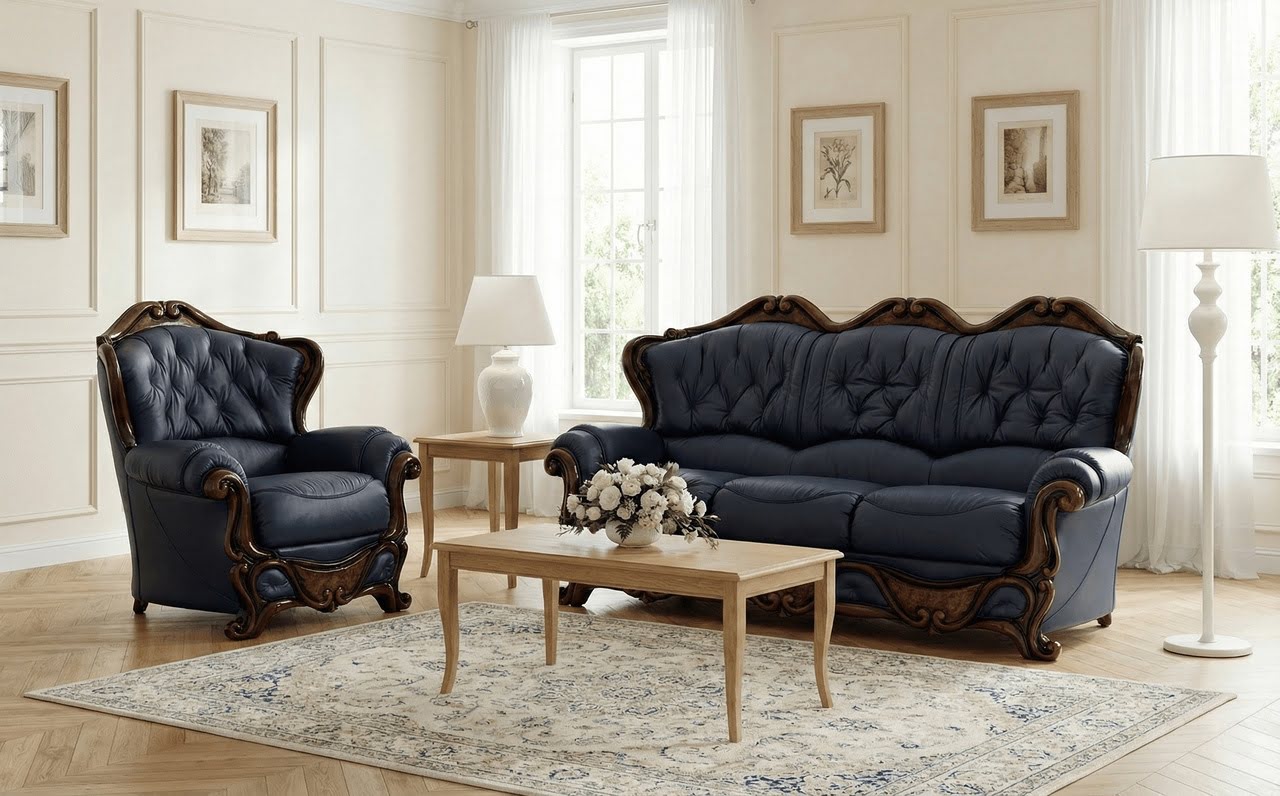
Sofa Etymology: A Journey Through Time
The etymology of sofa captures how global influences shaped British homes. In the Middle Age, furniture was mostly wooden and plain. The idea of upholstered seating came later, influenced by Eastern cultures that valued soft textiles and layered fabric.
By the Georgian and Victorian eras, the sofa had become a centrepiece of British interiors – a statement of both elegance and hospitality. A well-made sofa was a mark of refinement, and it remains so today. Whether you prefer leather, fabric, or modern velvet upholstery, a good sofa carries that same timeless appeal: a piece designed for both beauty and comfort.
At Designer Sofas 4U, craftsmanship and heritage play a key role. Every sofa tells a story – from the careful selection of materials to the precision of every stitch – blending classic design with modern practicality.
Different Types of Sofas: A Simple Guide
Modern homes vary enormously in layout and atmosphere, and the right sofa can shape both the look and the feel of your interior. At Designer Sofas 4U, we offer many different types of sofas designed to suit every room, every lifestyle, and every taste.
Standard Sofa
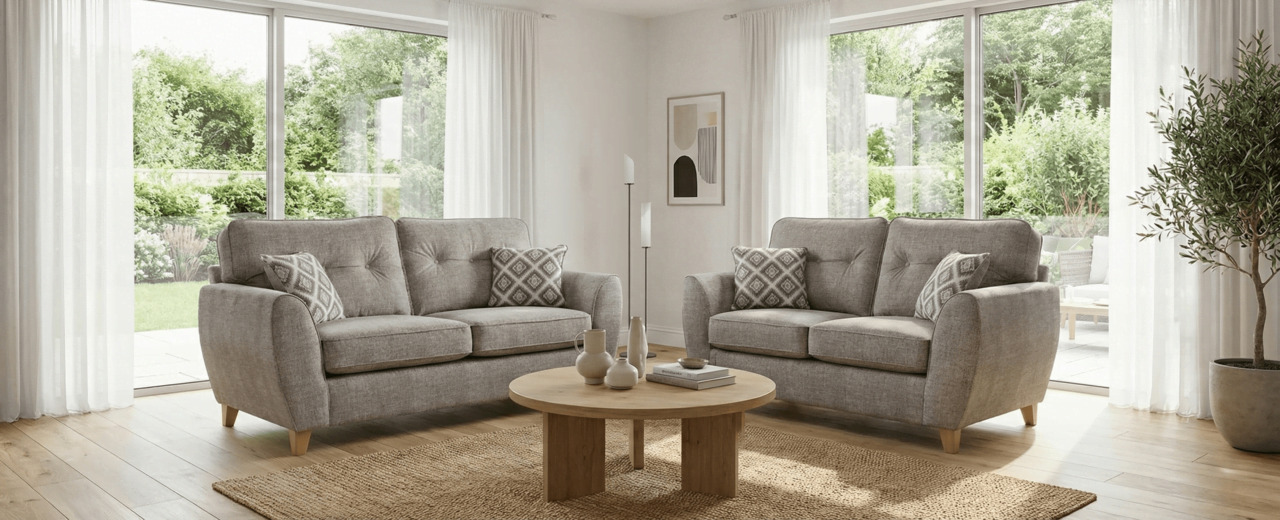
A versatile everyday choice that suits most living rooms. Whether you prefer something timeless and classic or more contemporary and minimal, this category covers a broad range of looks to complement your space. Take a moment to view examples of our leather or fabric sofas in the catalogue.
Chesterfield
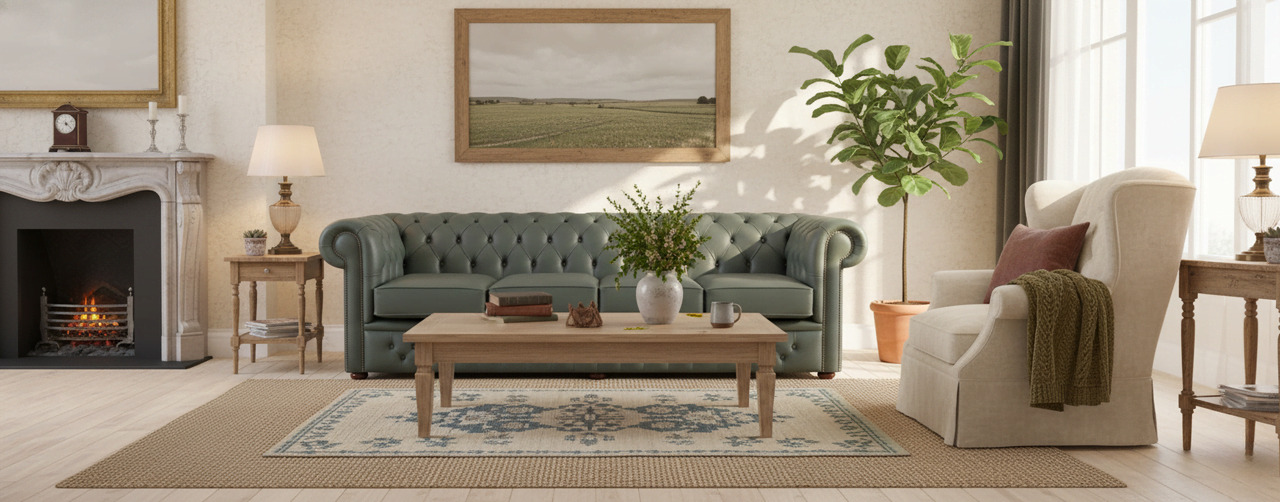
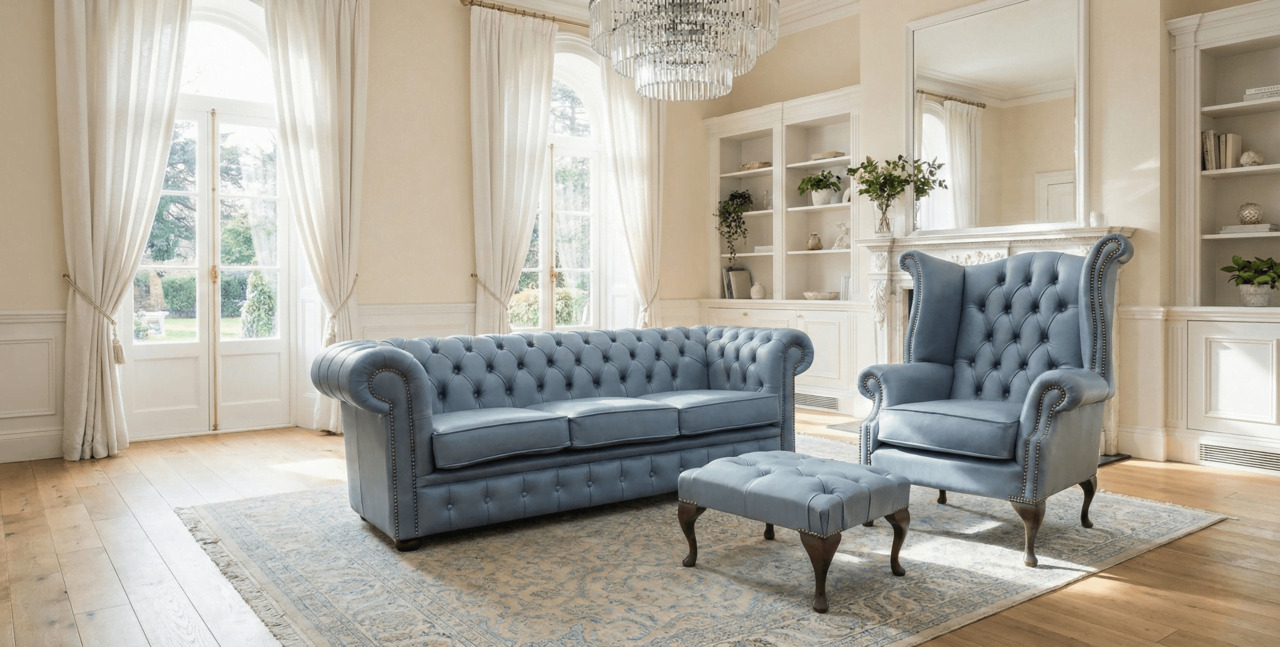
An iconic British design recognised by its deep button-tufting, rolled arms, and luxurious presence. Chesterfields bring a sense of heritage and elegance to any interior, working beautifully in both traditional and modern settings. They stand out as statement pieces and are loved for their unmistakable character. To explore more, take a look at our Chesterfield collection.
Sofa Beds
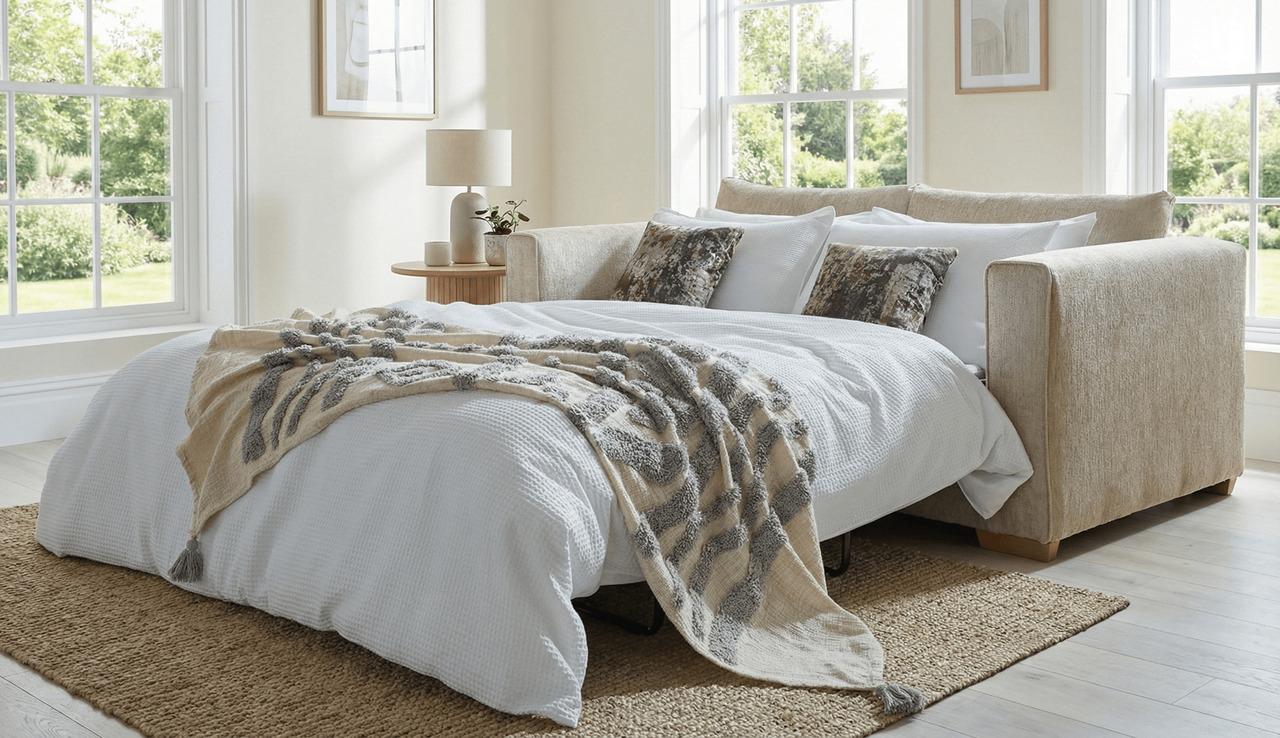
Ideal for multifunctional homes, guest rooms, or compact flats. A sofa bed seamlessly transforms from a comfortable daytime seat into an equally practical sleeping space. It’s a smart solution when you need flexibility without sacrificing style or comfort. You can discover our range of sofa beds here: Sofa Beds Collection.
Chaise Sofa
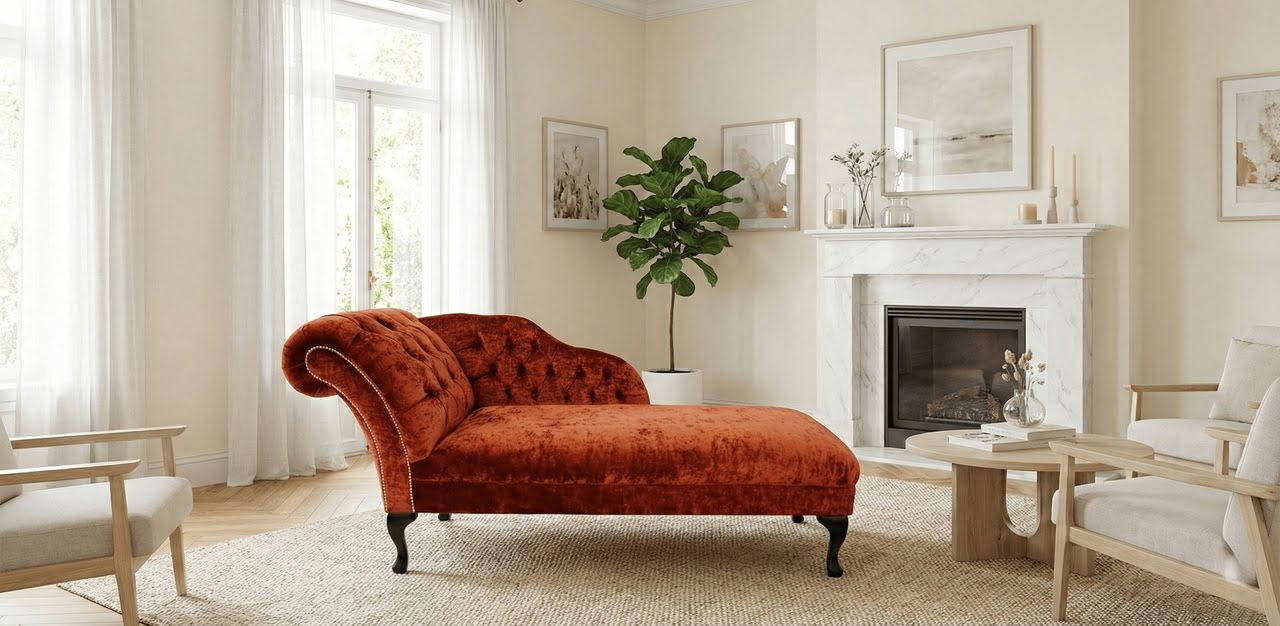
Designed for those who enjoy stretching out and relaxing. A chaise sofa pairs the structure of a sofa with an extended lounge section, offering a perfect spot for reading, unwinding, or simply enjoying a quiet moment. It brings a refined touch to both large and small rooms. Have a look at our range of chaise sofas in the catalogue.
Corner Sofa
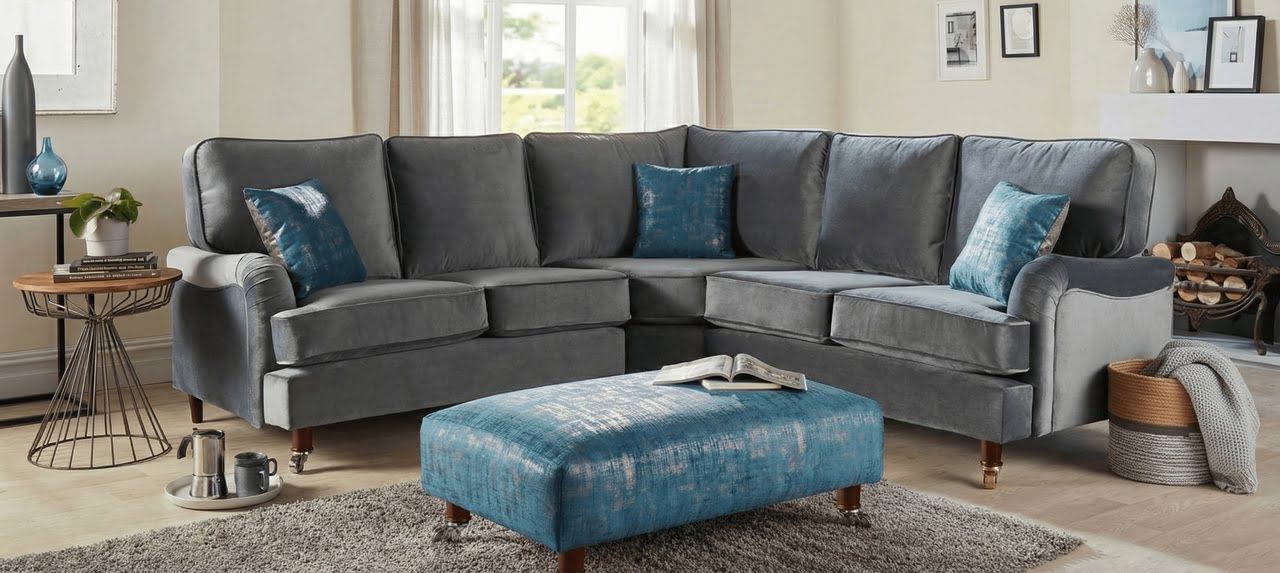
A highly efficient use of space, perfect for open-plan living or family homes. Corner sofas offer generous seating and help define social areas within a room. They’re great for gatherings, creating a natural zone for conversation and relaxation. You can see our full range of corner sofas here: Corner Sofas.
Recliner Sofa
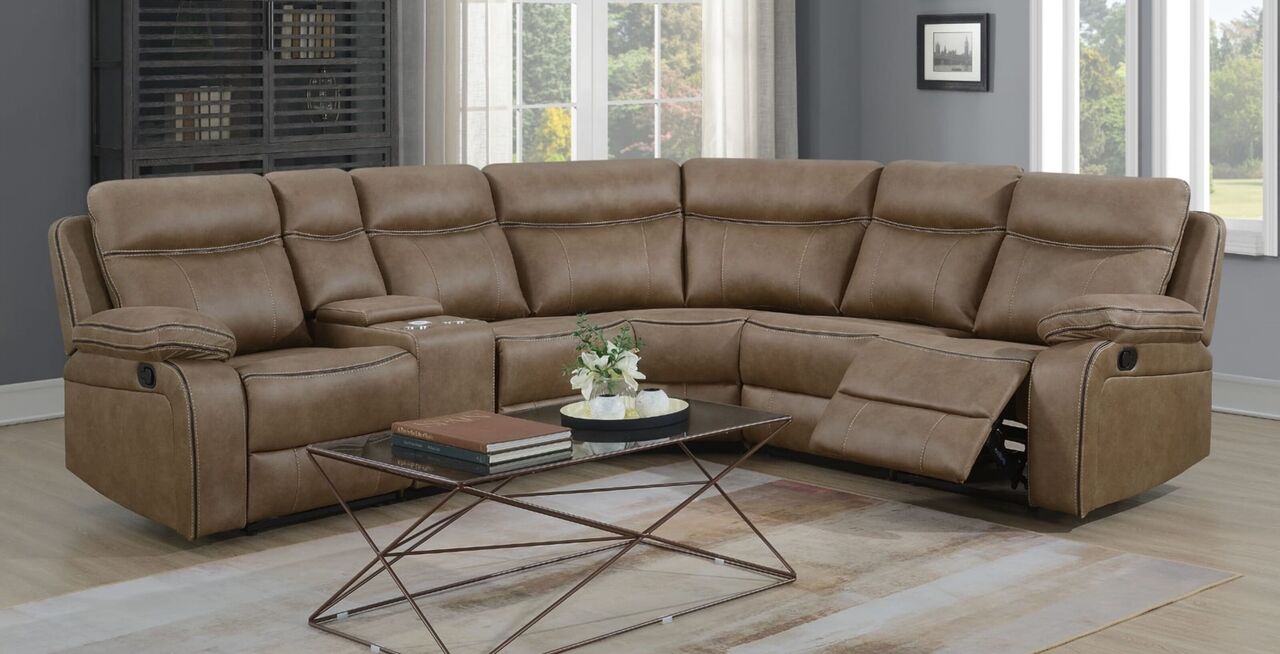
Crafted for maximum comfort, recliner sofas feature adjustable backrests and footrests that let you find your ideal position. Perfect for film nights or cosy evenings, they combine support, relaxation, and modern functionality in one piece. Visit our page of recliner sofas to explore the options.
Size Options
Choosing the right size is just as important as choosing the style. The available seating configurations help you match your furniture to the proportions of your room:
- 1 Seater / Chair – ideal for compact spots or as an individual feature piece
- 2 Seater – perfect for small living rooms, flats, or reading corners
- 3 Seater – the most versatile and popular size for everyday use
- 4 Seater – suited to spacious lounges and larger families
- 5 Seater+ – a generous option for open-plan areas and social homes
- Suite Offers – coordinated sets that bring harmony and balance to your interior
If you’re looking for something specific — a particular size, a unique layout, or a fabric that perfectly matches your home — Designer Sofas 4U can create a made-to-measure piece just for you. Bespoke options allow you to tailor the details to your needs, ensuring your sofa fits your space beautifully and reflects your personal style.
Conclusion: So, Is It a Couch, a Sofa, or a Settee?
In the end, the question of couch vs sofa, or even settee or sofa, is less about strict definitions and more about tradition, culture, and personal preference.
So which term is correct — couch, sofa, or settee?
The honest answer is simple: all three. Each carries its own history, its own mood, and its own place in British furniture heritage.
Whether you prefer the laid-back feel of a couch, the refined elegance of a sofa, or the classic charm of a settee, what truly matters is how well the piece fits your home and your lifestyle.
At Designer Sofas 4U, every model is crafted with respect for the legacy of British furniture and the comfort expected in modern living. And if you ever find yourself wondering couch or sofa when choosing furniture, just focus on comfort, quality, and the look that feels right for your space.
If you wish to infuse your interior with comfort, style, and a hint of British authenticity, visit Designersofas4u.co.uk. There, you will discover the ideal sofa to serve as the heart of your home.
FAQ
If I’m choosing furniture for my home, what is the difference between a sofa and a settee?
Traditionally, a sofa was designed for comfort — deep cushions, full upholstery, and enough space for several people. A settee, on the other hand, had a slimmer shape, often with a visible wooden frame and a more upright seat. It offered elegance rather than lounging comfort. Today, the settee tends to appear in more traditional or vintage-style interiors, while the sofa is the everyday term most people naturally use.
When people talk about classic British furniture, what is the difference between a couch and a settee?
The two words come from very different traditions. Couch comes from the Old French “coucher”, meaning “to lie down”, and originally described a reclining seat — often with one arm or none. Settee, meanwhile, comes from British furniture history and referred to a small, refined bench with arms and a back. But today both words are often used to describe the same type of furniture.
In everyday use, what is the difference between a sofa and a couch?
Today, there is little practical difference — most people use sofa and couch to describe the same piece of furniture. The distinction is now more about language than design: sofa is far more common in British English, while couch is used more frequently in American English. So choosing which word to use often depends on where you live, not what you’re sitting on.
Which term is more common in the UK: sofa, couch or settee?
In the UK, sofa is the most widely used word, settee is slightly old-fashioned but still understood, and couch is far more common in American English. All three are correct, and people use them interchangeably.
How do I choose the right type of sofa for my room?
To choose the right sofa, consider the size of your room, how many people need seating, and the atmosphere you want to create. Corner sofas work well for open-plan spaces, chaise sofas are great for relaxing, and standard sofas suit most living rooms. If your sofa folds out as a bed or has adjustable reclining positions, make sure there is enough space around it to open and operate it comfortably.
What is the best sofa size for small spaces?
A 2-seater or a compact 3-seater usually works best. Sofa beds are also a smart option for maximising both seating and sleeping space.
Do Designer Sofas 4U offer custom-made or made-to-measure sofas?
Yes. You can request bespoke details, custom sizes, tailored fabrics or unique layouts, ensuring your sofa is perfectly matched to your home and personal style. Contact our friendly team — we’re always happy to help with any questions.