
.jpg)
How to Clean a Leather Sofa and Keep It Looking Its Best
A quality leather sofa can remain comfortable and attractive for many years, but it needs the right routine. Dust, body oils, sunlight, heat and everyday spills can gradually affect the upholstery, even when it does not look dirty.
This leather sofa care guide focuses on long-term maintenance and prevention rather than intensive cleaning. If you are researching how to clean a leather sofa, remember that the correct method depends on the leather’s type, finish and manufacturer’s instructions.
The best results come from small, regular actions: removing dust, managing spills promptly, using suitable products and placing the sofa away from damaging environmental conditions.
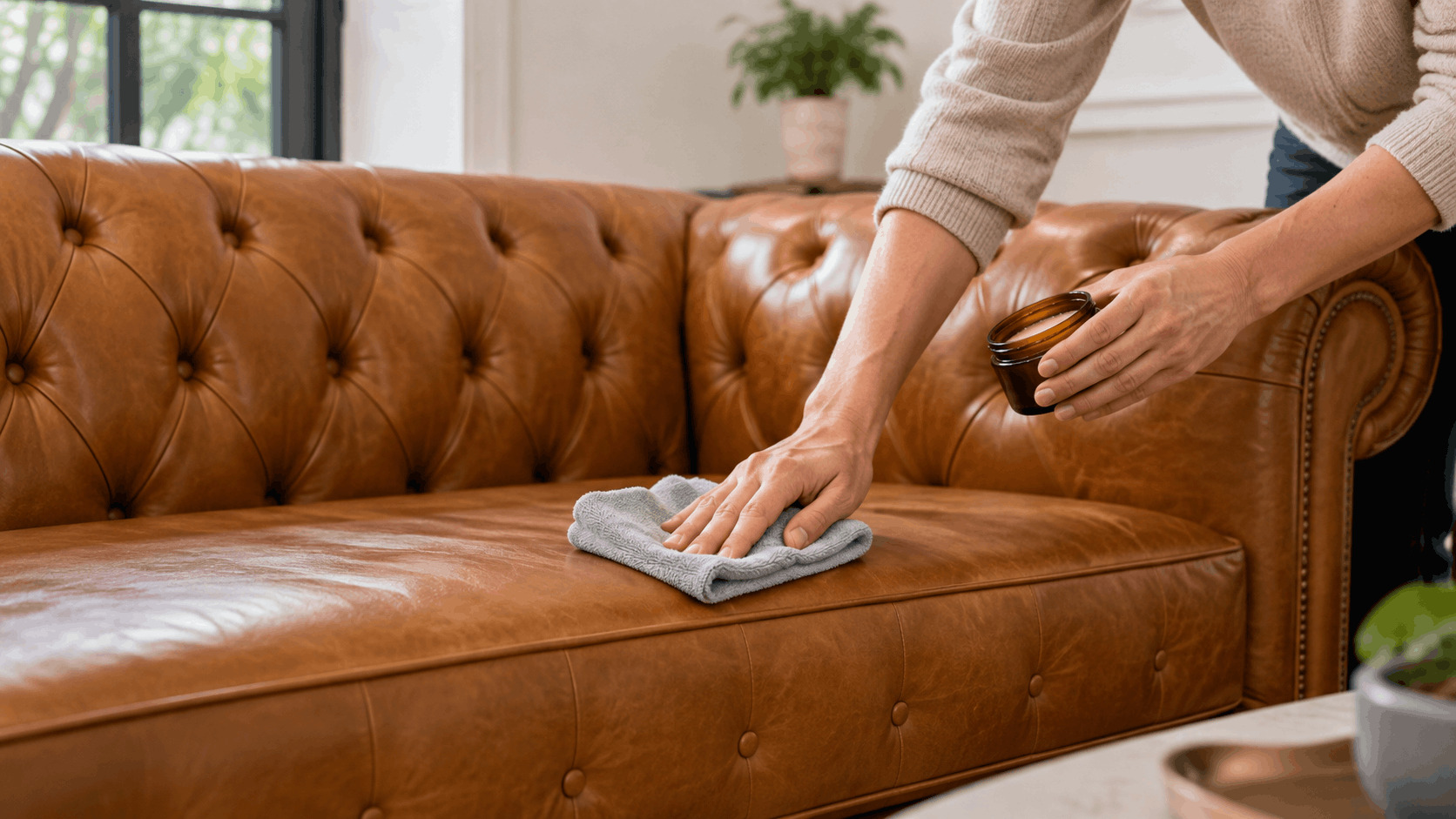
Understand Your Sofa’s Leather Before Using Any Product
Leather is a natural material, but not every leather sofa has the same finish. A product that works well on one settee may mark or discolour another.
Common types include:
- Protected or pigmented leather: This has a durable surface coating and is often easier to maintain. It can be practical for busy homes, but it still needs gentle products.
- Semi-aniline leather: A light protective finish preserves more of the leather’s natural appearance while offering some resistance to spills.
- Aniline leather: This minimally coated leather has a rich, natural character. It is more absorbent and can be sensitive to moisture, stains and unsuitable cleaners.
- Nubuck or suede-like leather: Its soft, brushed surface requires specialist tools and methods. Standard leather cream may flatten or darken the texture.
- Faux or bonded materials: These are not maintained in the same way as natural leather. Follow the care instructions supplied with the furniture.
Before applying any cleaner, conditioner, lotion or protector, check the manufacturer’s care label. If you cannot identify the finish, ask the retailer or a leather-care professional.
Always spot-test a product on a hidden area, such as the back or underside. Apply a small amount and allow it to dry fully. Check for changes in colour, texture or sheen before treating a visible section.
How to Look After Leather Furniture Throughout the Year
Maintaining leather is easier when tasks are divided into routine upkeep and occasional deeper care.
For weekly maintenance:
- Wipe the upholstery gently with a clean, dry microfibre cloth.
- Use a soft brush attachment to vacuum crumbs from seams, buttoning and cushion gaps.
- Rotate removable seat cushions, if the manufacturer permits it, to encourage even wear.
- Check for fresh spills, sticky marks or pet hair before they become harder to remove.
Dust should not be ignored. Fine particles can act as an abrasive when people sit down, gradually affecting high-contact areas such as armrests and seat fronts.
Every month or two, inspect the sofa in good daylight. Look for dry patches, fading, colour transfer, loose dirt and changes in texture. This gives you the opportunity to address a developing problem before it becomes serious.
Occasional deeper care may involve a manufacturer-approved cleaner followed, where appropriate, by a suitable conditioner. Work in small sections and use products sparingly. Leather should never be saturated.
A practical schedule might look like this:
- Weekly: Light dusting and removal of crumbs.
- Monthly: Inspection of arms, seats, seams and areas exposed to sunlight.
- After a spill: Immediate blotting and treatment in line with the care label.
- Periodically: Approved cleaning and conditioning according to the product and sofa manufacturer’s directions.
- Annually: Review the sofa’s position, overall condition and any signs that require specialist advice.
Frequency should reflect use. A family sofa used every day may need attention more often than a chair in a quiet room.
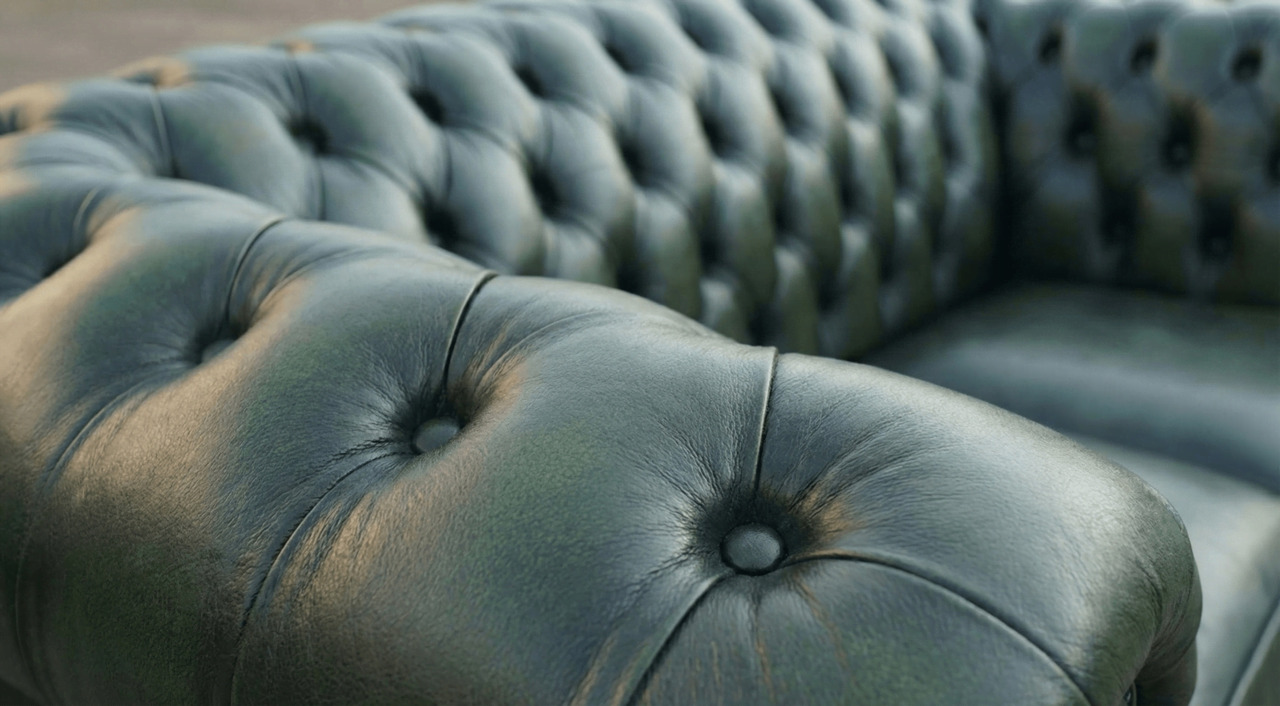
Choose Safe Cleaners, Conditioners and Protection Products
The best leather care for sofas is based on compatibility, not on how strong or multipurpose a product appears to be. Household sprays designed for worktops, glass or general upholstery may contain ingredients that remove protective finishes or dry the leather.
Choose products specifically labelled for your leather type. A complete leather furniture treatment may include separate cleaning and conditioning stages, but more product does not mean better protection. Follow the stated quantity and application frequency.
A suitable conditioner can help maintain suppleness in leather types that are designed to receive it. It does not repair splits or deeply damaged surfaces, and it should not be applied to nubuck, faux leather or other finishes unless explicitly approved.
For a convenient product option, consider the Designer Sofas 4U Ultimate Leather Care Kit. Check its directions and suitability for your upholstery before use, then patch-test it in a concealed spot.
When assessing any care kit, look for:
- Clear information about compatible leather finishes;
- Separate instructions for each product;
- Recommended drying times;
- Guidance on the amount to apply;
- Any situations in which the product should not be used.
Avoid mixing brands or layering different protectors without guidance. Their formulations may not be compatible, and a build-up of product can leave the surface sticky, dull or uneven.
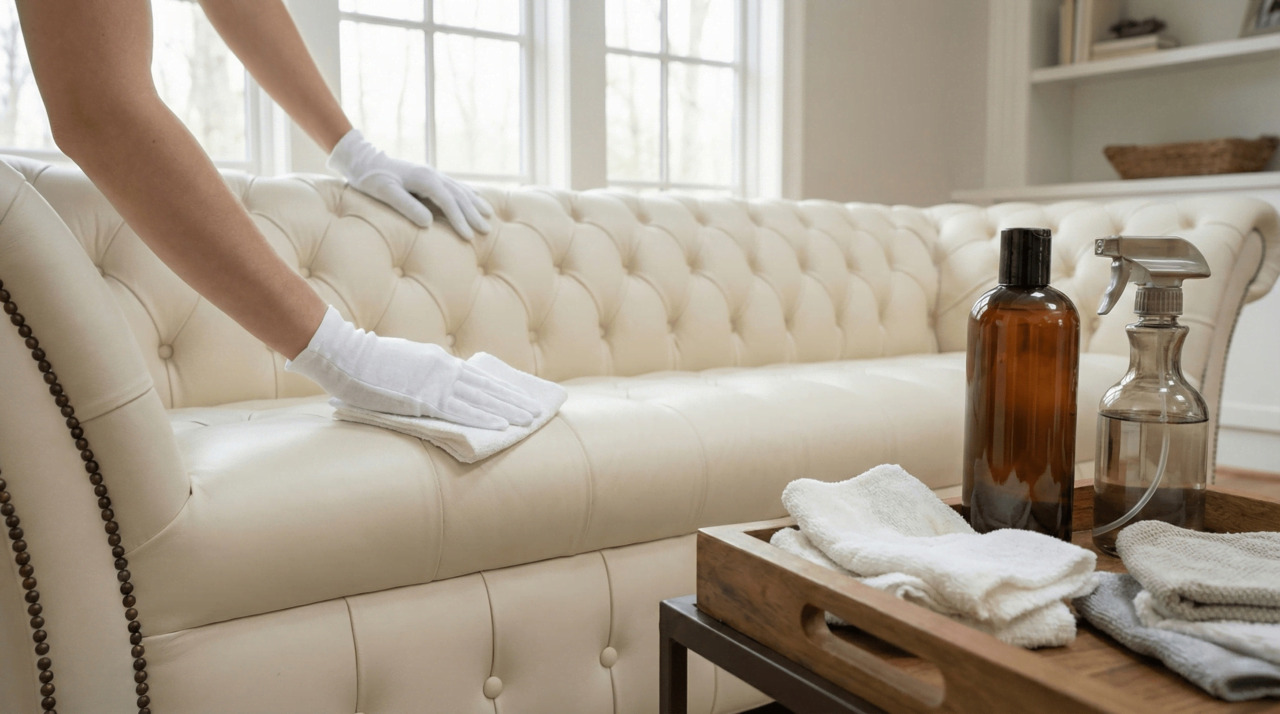
Prevent Everyday Wear, Fading and Accidental Damage
The aim of protecting a leather couch is to reduce avoidable exposure to heat, strong light, friction and sharp objects.
Do not position a sofa directly beside a radiator, stove or open fire. Constant heat can remove moisture from leather, increasing the risk of stiffness and cracking. Leave reasonable space around heat sources and avoid using portable heaters close to the upholstery.
Sunlight can also change the colour of leather over time. If the room receives strong direct sun, move the sofa away from the window where possible. Blinds, curtains or UV-filtering window treatments can help during the brightest part of the day. Rotating movable furniture occasionally can make gradual colour change more even.
Everyday habits matter too:
- Avoid sitting on the arms or back, which are not designed as seats.
- Keep keys, belt buckles, studs and other sharp objects away from the surface.
- Do not place newspapers or dark, damp fabrics on pale leather because dyes may transfer.
- Use a stable side table for drinks rather than balancing cups on an armrest.
- Keep pet claws trimmed and provide a scratching post or comfortable pet bed nearby.
- Place throws only where the manufacturer considers them suitable, and check regularly for trapped dirt or dye transfer.
Leather needs ventilation. Avoid leaving plastic covers over a sofa for long periods, as trapped heat and moisture can affect the surface.
What to Do and What to Avoid
A simple routine is safer than relying on an online DIY hack. Unverified mixtures can cause discolouration that only becomes visible after the leather dries.
What to Do
- Read the sofa’s care instructions before using any product.
- Blot spills immediately with a clean, absorbent cloth.
- Work from the edge of a mark towards its centre to limit spreading.
- Use minimal moisture and allow the area to dry naturally.
- Apply approved products by hand with a soft, colourfast cloth.
- Treat complete panels where instructed, rather than creating an isolated shiny spot.
- Keep a record of the products used in case you need professional advice.
- Wash or replace reusable cloths so that old dirt is not transferred back to the sofa.
What to Avoid
- Do not scrub a stain, as friction can alter the finish.
- Do not use washing-up liquid, disinfectant, baby wipes or general household cleaner unless specifically approved.
- Do not apply oils, shoe polish or food-based home remedies.
- Do not dry clean or wash removable leather covers unless the label explicitly allows it.
- Do not use steam, which introduces heat and moisture that may damage the finish.
- Do not soak dirty areas or leave wet cloths on the upholstery.
- Do not use a hairdryer or place the sofa near a heater to accelerate drying.
- Do not apply conditioner every time you dust; excessive treatment may create residue.
- Do not attempt to remove ink, nail varnish or strong dye with solvents.
For a fresh spill, blot rather than wipe. If a residue remains, consult the care label before applying anything else. Oils and deeply coloured liquids may require specialist attention, particularly on absorbent aniline leather.
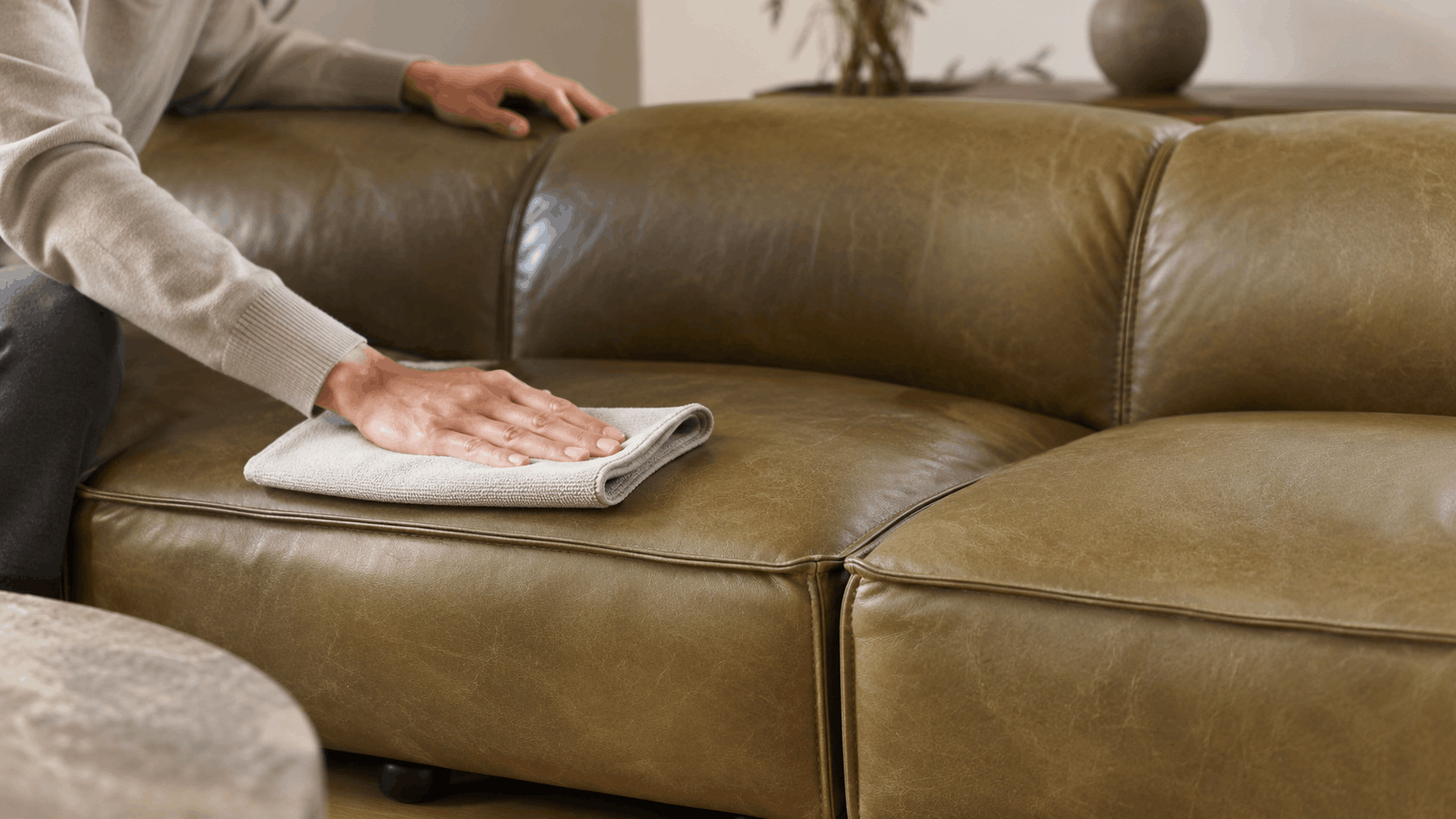
When Your Leather Sofa Needs Professional Attention
Routine care can manage dust, light surface dirt and minor spills, but some damage should not be treated at home.
Ask a qualified leather-care professional for advice if you notice:
- A cut, split, puncture or peeling surface;
- Widespread cracking or severe dryness;
- Ink, paint, nail varnish or an unidentified chemical mark;
- A large grease stain that has penetrated the leather;
- Significant fading or uneven colour loss;
- Mould, persistent odours or water damage;
- A change caused by an unsuitable cleaner;
- Damage affecting seams, buttons or the sofa’s structure.
Stop applying products once a problem becomes worse. Repeated attempts to remove a mark may set it, spread it or strip the finish.
Take clear photographs in natural light and provide details about the sofa, leather type, spill and products already used. This information helps a professional assess the safest next step.
Choosing a Leather Sofa That Suits Your Lifestyle
Care starts before buying. The plush appearance of a natural leather Chesterfield may be appealing, but the ideal finish should also suit the way your household uses its furniture.
For a busy family home, ask about protected leather that offers practical resistance to everyday handling. If you prefer the distinctive markings and patina of aniline leather, be prepared for a more careful maintenance routine and natural changes in appearance.
Pet owners should consider both finish and colour. No upholstery is scratch-proof, but a practical surface and a shade that does not emphasise every small mark may be easier to live with. Requesting an upholstery sample can help you examine the texture and colour in your own lighting.
Before choosing a sofa, ask:
- What leather type and finish is used?
- Which cleaning and conditioning products are suitable?
- How will sunlight affect the selected colour?
- Are the seat cushions removable or reversible?
- What natural variations should be expected?
- What care instructions are supplied?
You can browse the Designer Sofas 4U leather sofa collection to compare styles, including classic Chesterfield designs. If you need help choosing a model that suits your household, room or maintenance preferences, contact Designer Sofas 4U for guidance.
Frequently Asked Questions
How to Keep a Leather Sofa from Cracking
Keep it away from strong sunlight and direct heat, remove dust regularly and use an approved conditioner only as directed. Cracking may also result from wear or damage to the finish, so seek specialist advice if fine lines become splits.
How to Protect Leather Furniture from Stains
Deal with spills immediately by blotting them with a dry, absorbent cloth. Use only a protector approved for the specific leather finish, and never assume that a treatment will make upholstery completely stain-proof.
How Often Should You Condition a Leather Couch?
Follow the sofa and conditioner manufacturers’ instructions, as frequency varies by leather type, climate and usage. Condition only when suitable; some coated, faux, nubuck or specialist finishes should not receive a standard leather cream.
How to Protect a Leather Sofa from Sun Damage
Position the sofa outside the path of direct sunlight and use blinds or curtains during bright periods. UV-filtering window treatments may also reduce exposure, although no method can guarantee that colour will never change.
How to Protect a Leather Couch from Scratches
Keep pet claws trimmed, move sharp accessories away and avoid clothing with exposed studs or buckles. Do not rub a scratch or apply polish without guidance, as the correct response depends on whether the mark affects the finish or the leather itself.