
.jpg)
9 Interior Design Trends in 2026 Everyone Is Talking About
If you love interiors, save ideas on Pinterest, or simply want your home to feel more stylish, more comfortable and more you — this article is definitely for you.
We’re seeing a clear shift. Interior design trends in 2026 are no longer about perfection or copying a showroom look. Instead, they’re about homes that feel lived-in, layered and personal. Less “catalogue”, more character.
At Designer Sofas 4U, we see this every day. Some clients come in looking for timeless neutral sofas. Others want bold statement pieces in deep greens or rich burgundy. And many are somewhere in between — blending comfort with individuality.
In this guide, we’ll walk you through the latest interior design trends that are actually shaping real homes — and more importantly, how you can use them to refresh your own space.
Interior Design Trends in 2026: What’s Actually Changing?
Before we dive into the trends, here’s the big picture:
- Homes are getting warmer, not colder
- Comfort is becoming just as important as style
- “Perfectly matched” is out — personality is in
- Furniture is no longer background — it’s the focus
If you’ve been thinking about updating your space, even slightly, these trends will give you clear direction.
1. Why Grey Is Gradually Fading — And What’s Replacing It Instead
For years, cool greys and stark whites dominated interiors. In 2026, they’re stepping aside.
What’s replacing them? Warmer, richer tones that feel instantly more inviting.
Think:
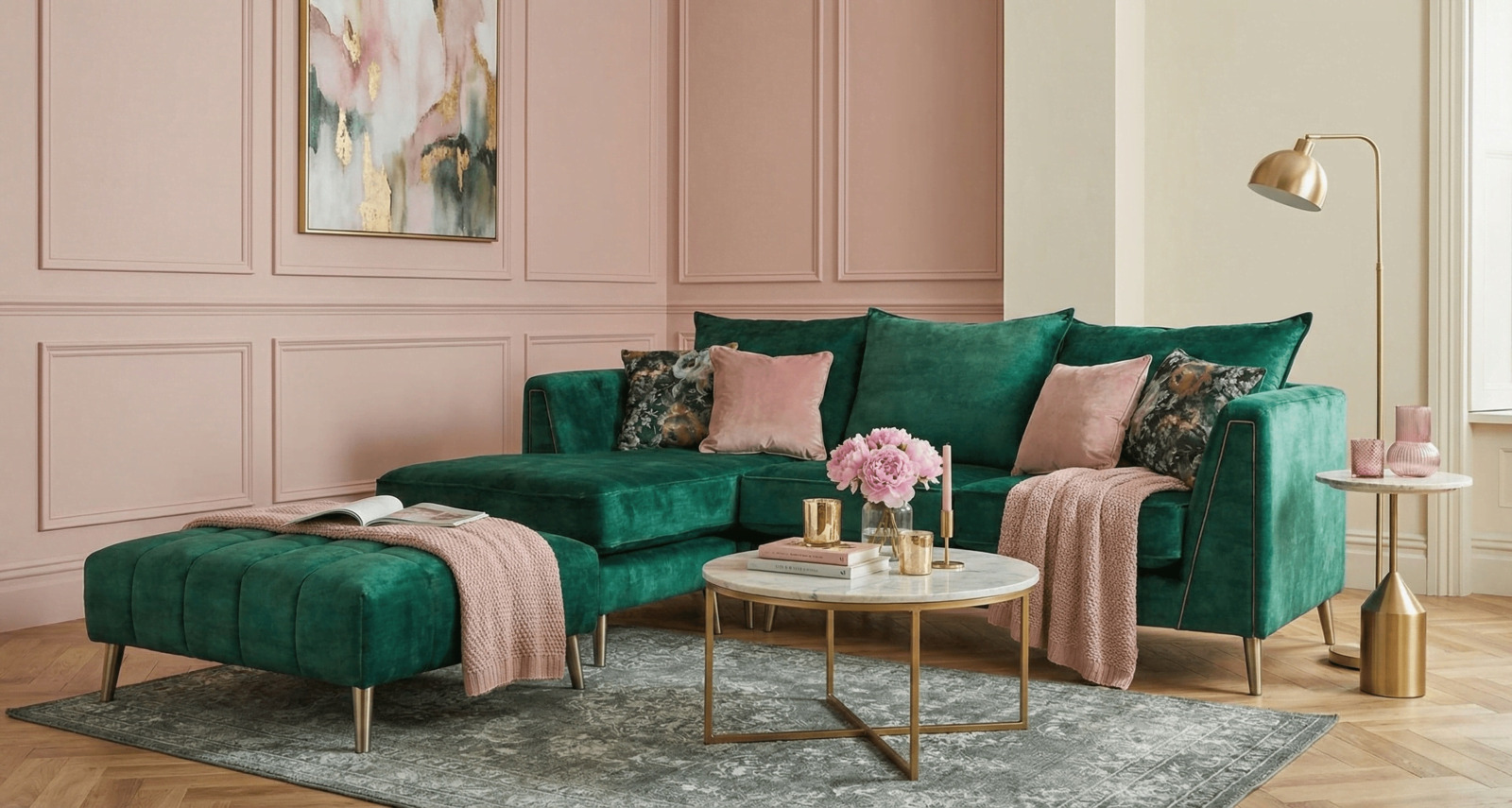
- deep browns and chocolate tones,
- earthy pinks and muted terracotta,
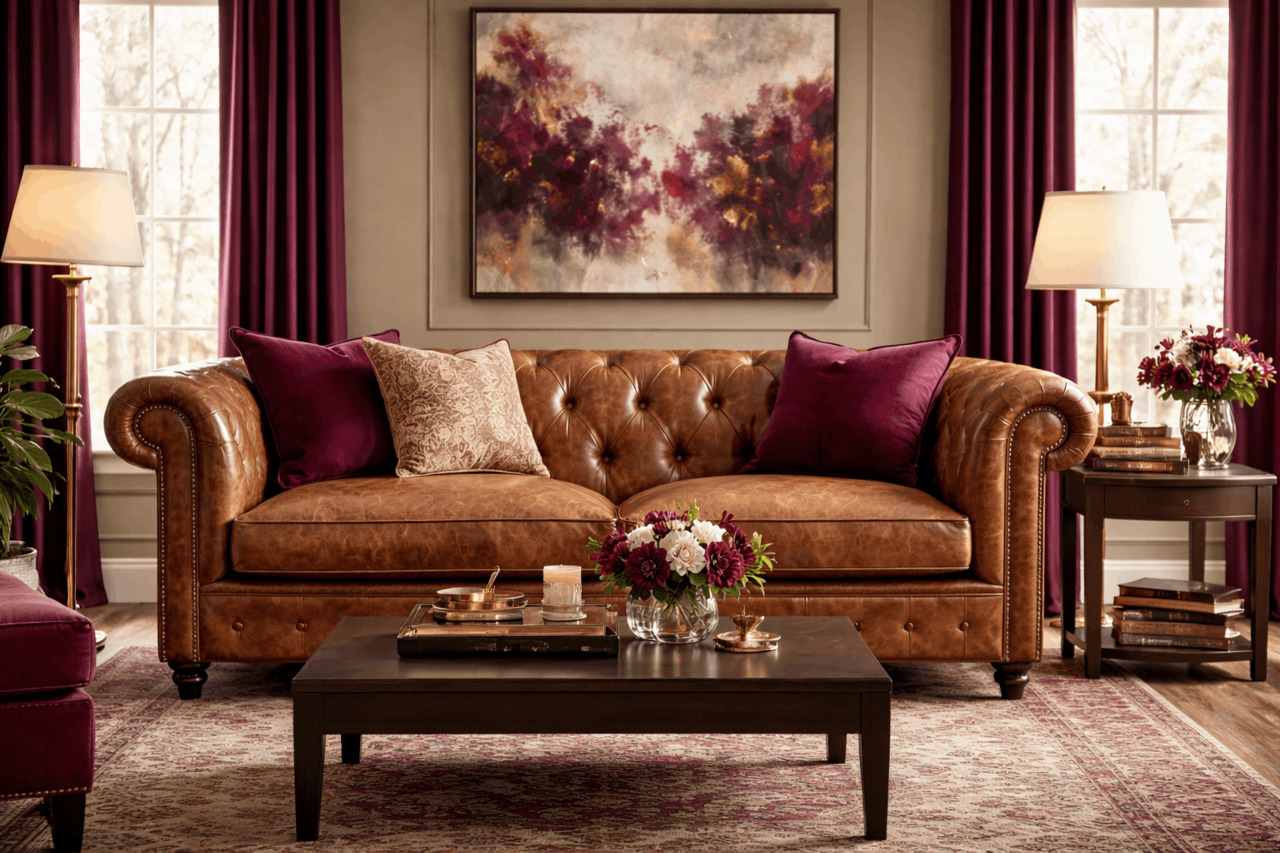
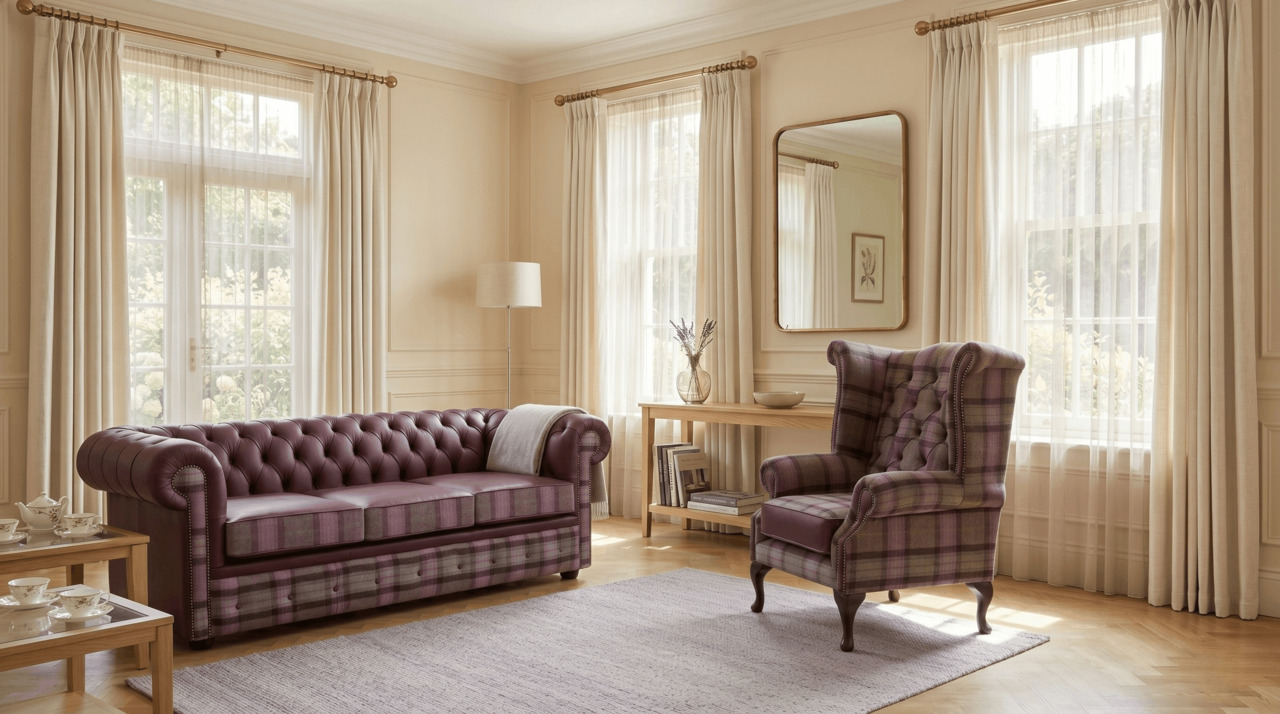
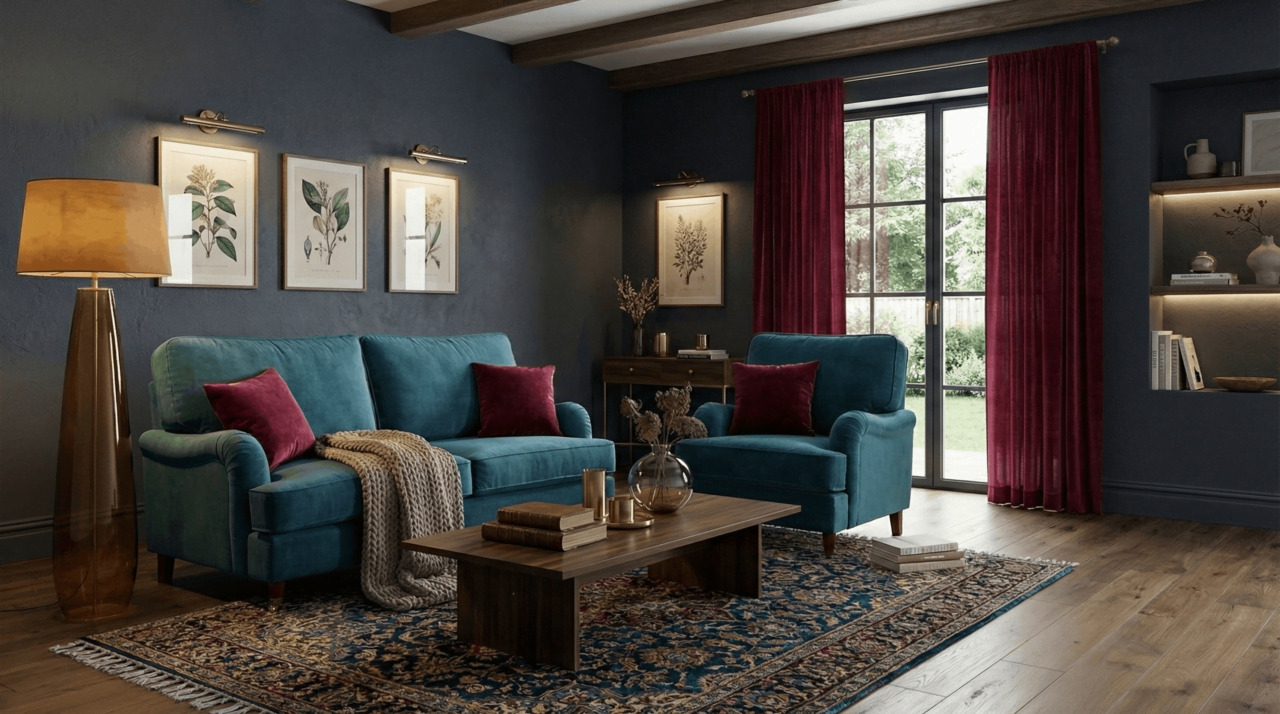
- soft burgundy and wine shades,
- smoky blues and tobacco hues.
These aren’t loud colours — they’re comfortable colours. The kind that make a room feel calm in the evening and cosy in colder seasons.
How to bring this into your home:
- repaint grey walls in warmer neutral tones or replace a grey rug with a richer, warmer option,
- add a velvet armchair in berry or rust tones,
- use cushions and throws to layer similar shades.
If you want a simple upgrade that makes a huge difference — start here. Colour alone can completely change how your space feels.
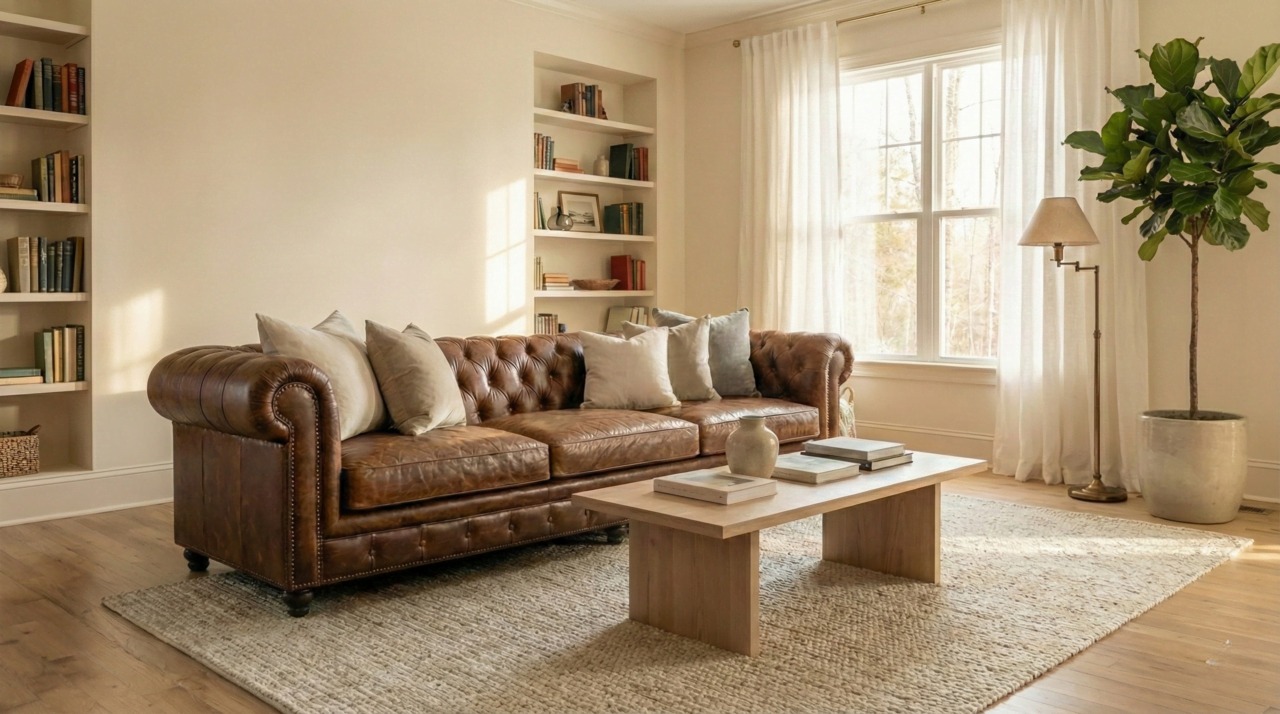
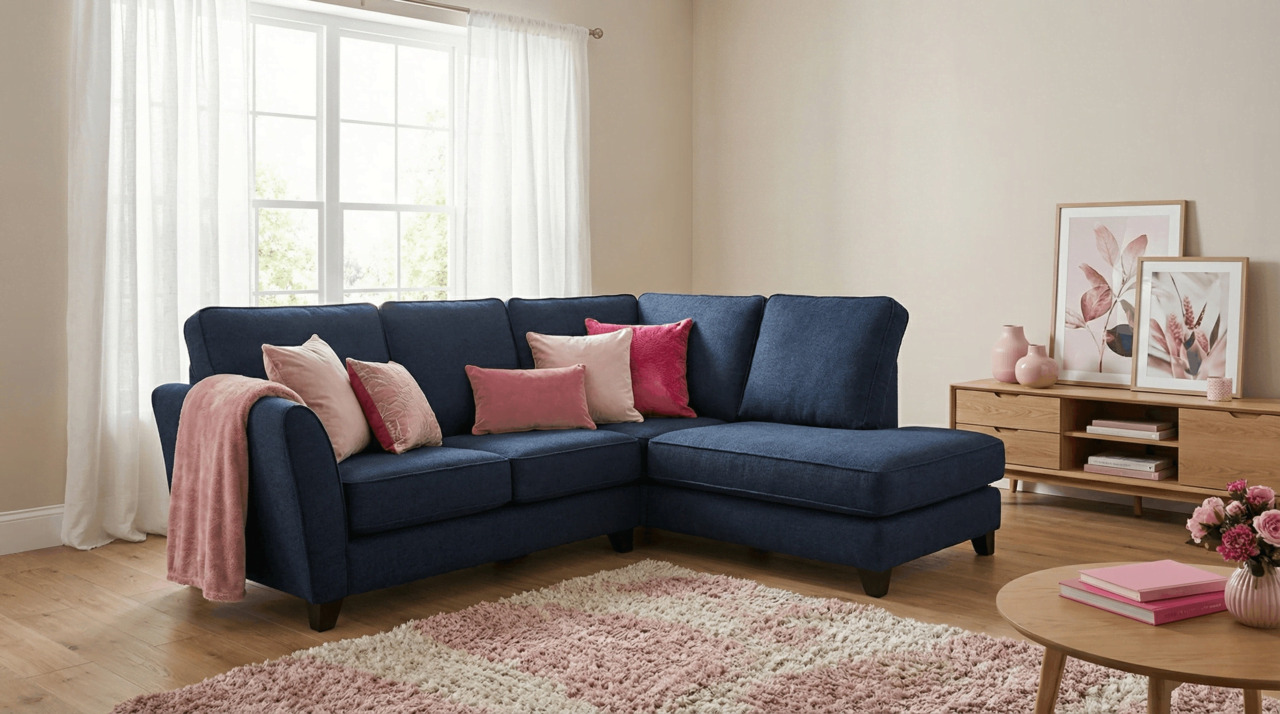
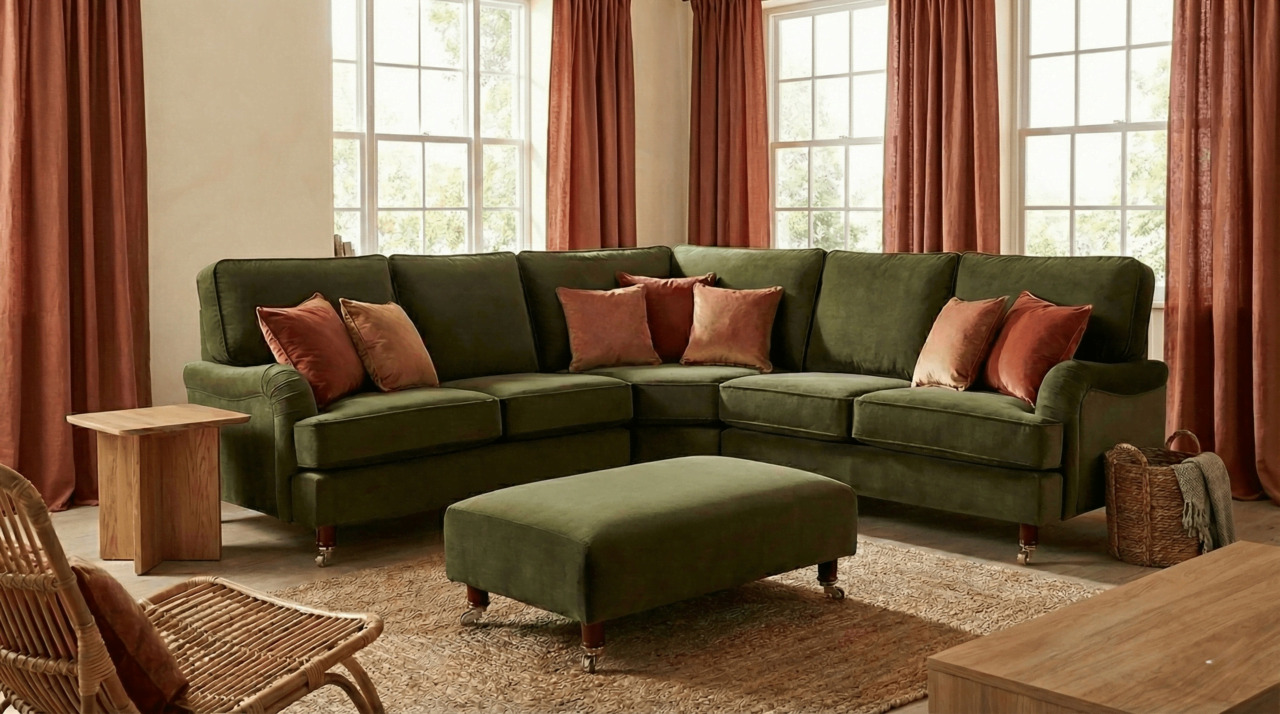
2. Curved Sofas and Soft Shapes: The End of Harsh Lines
Sharp edges and rigid shapes are quietly disappearing.
In their place? Soft, rounded silhouettes that make a room feel more relaxed, comfy and welcoming..
We’re seeing:
These shapes don’t just look good — they change how a space feels. Softer lines = softer atmosphere.
What to try:
- A curved sofa as your main focal point,
- A round coffee table to break up straight lines,
- Pair structured furniture with one soft, sculptural piece.
If you want your living room to feel more inviting without a full redesign — this is one of the easiest ways to do it.
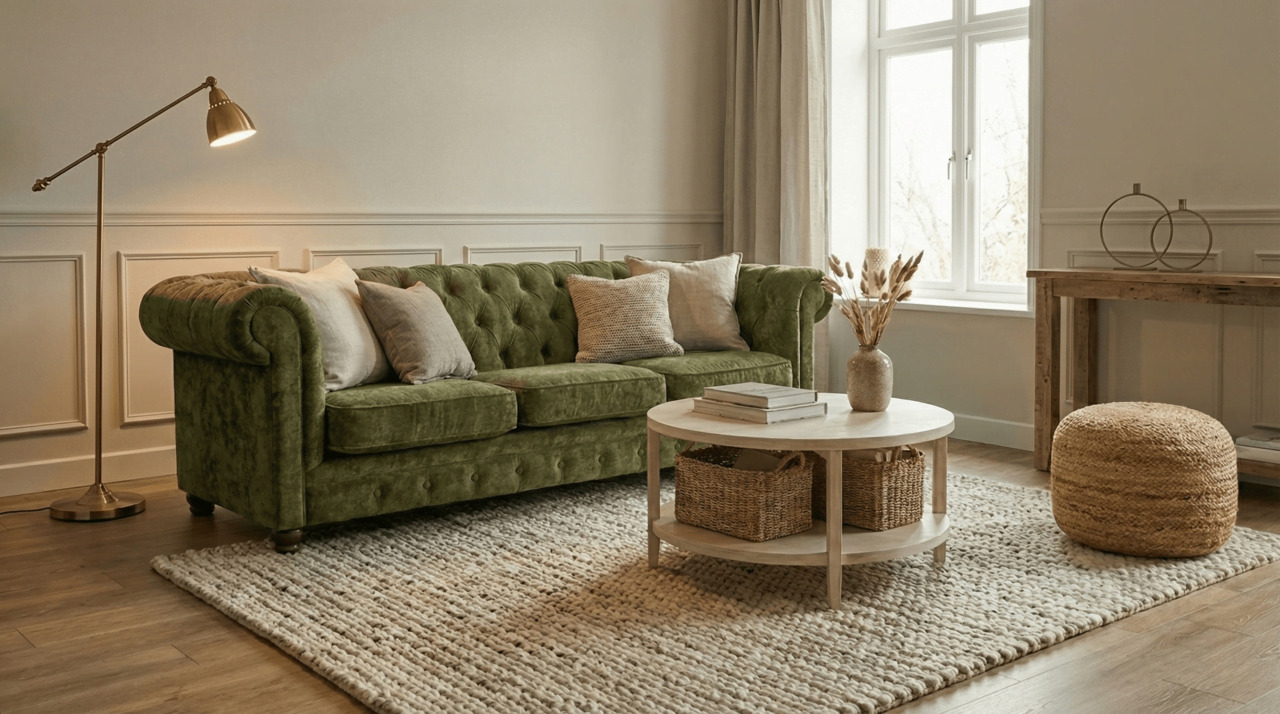
3. Vintage Is Back — But Not How You Think
One of the biggest current interior trends is mixing old and new.
But this isn’t about turning your home into a museum.
It’s about adding one or two character pieces that give your space depth.
Think:
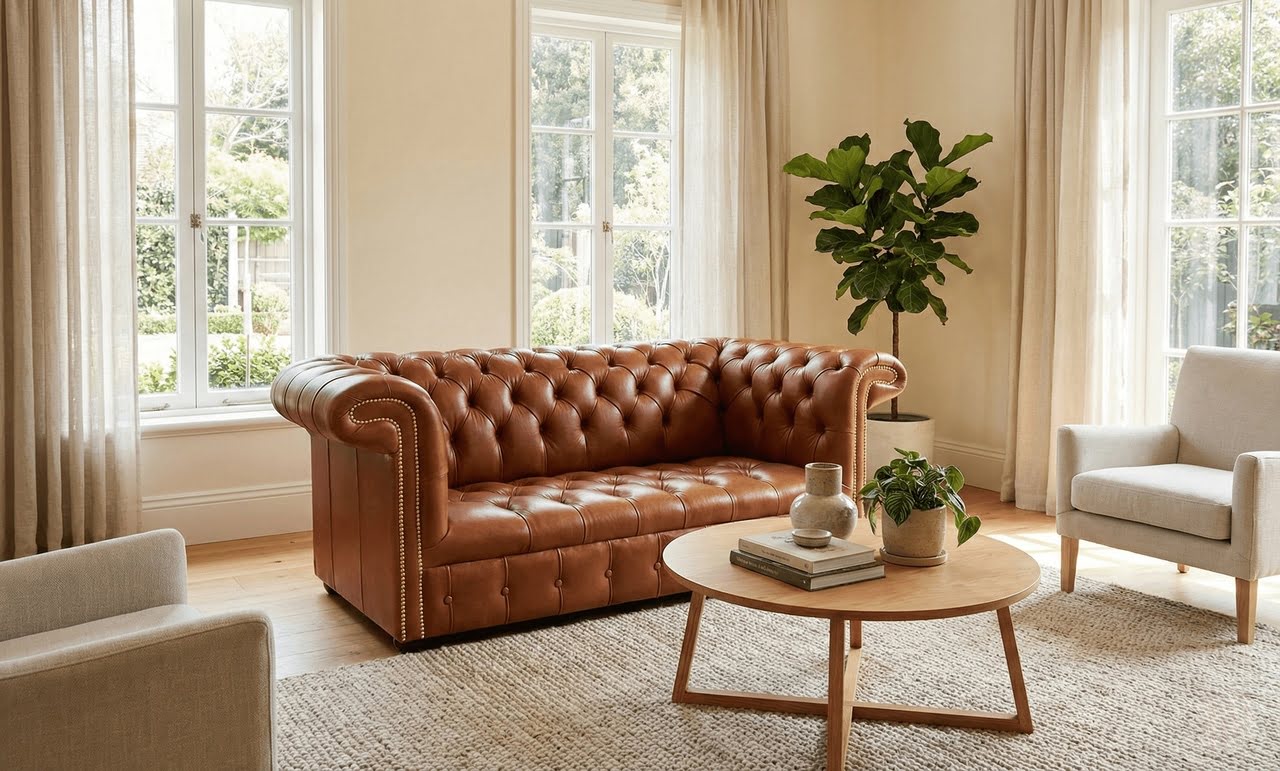
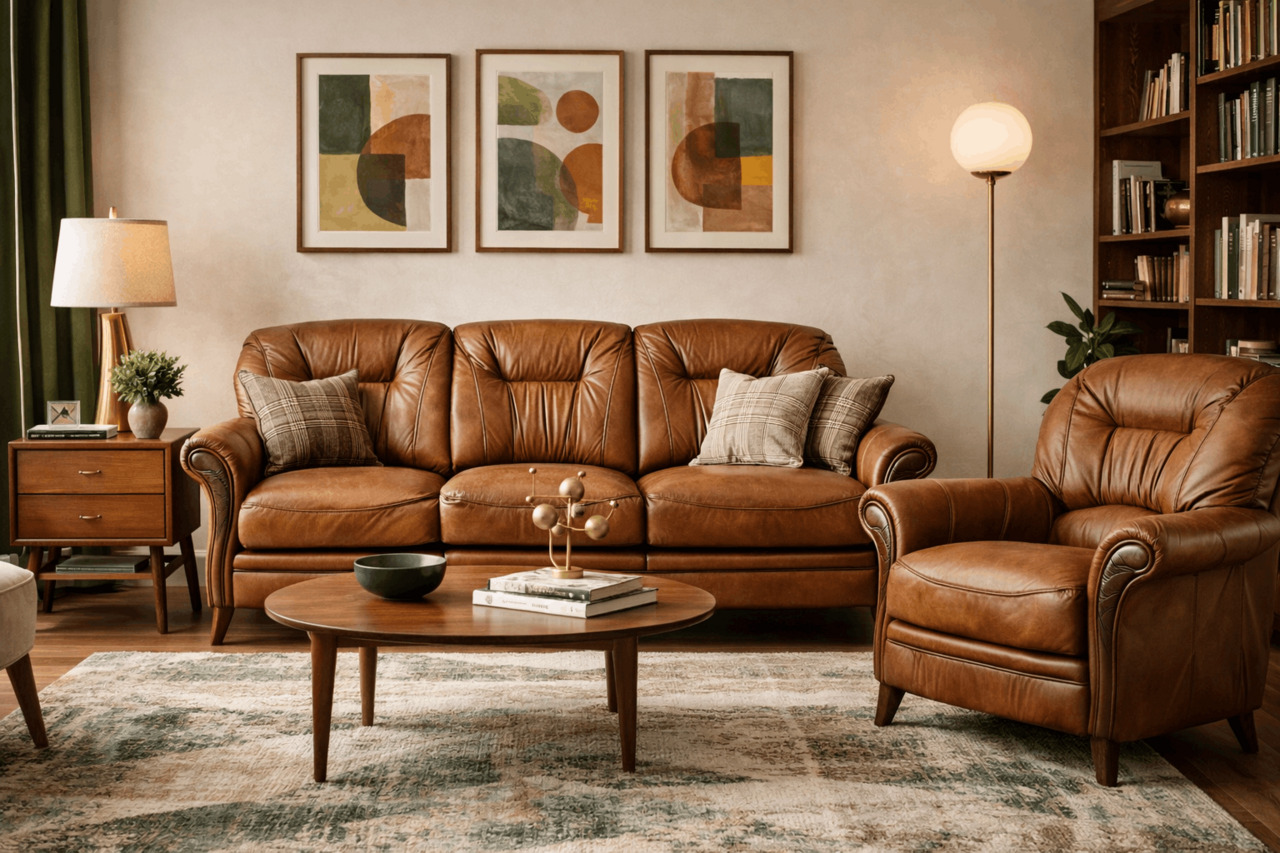
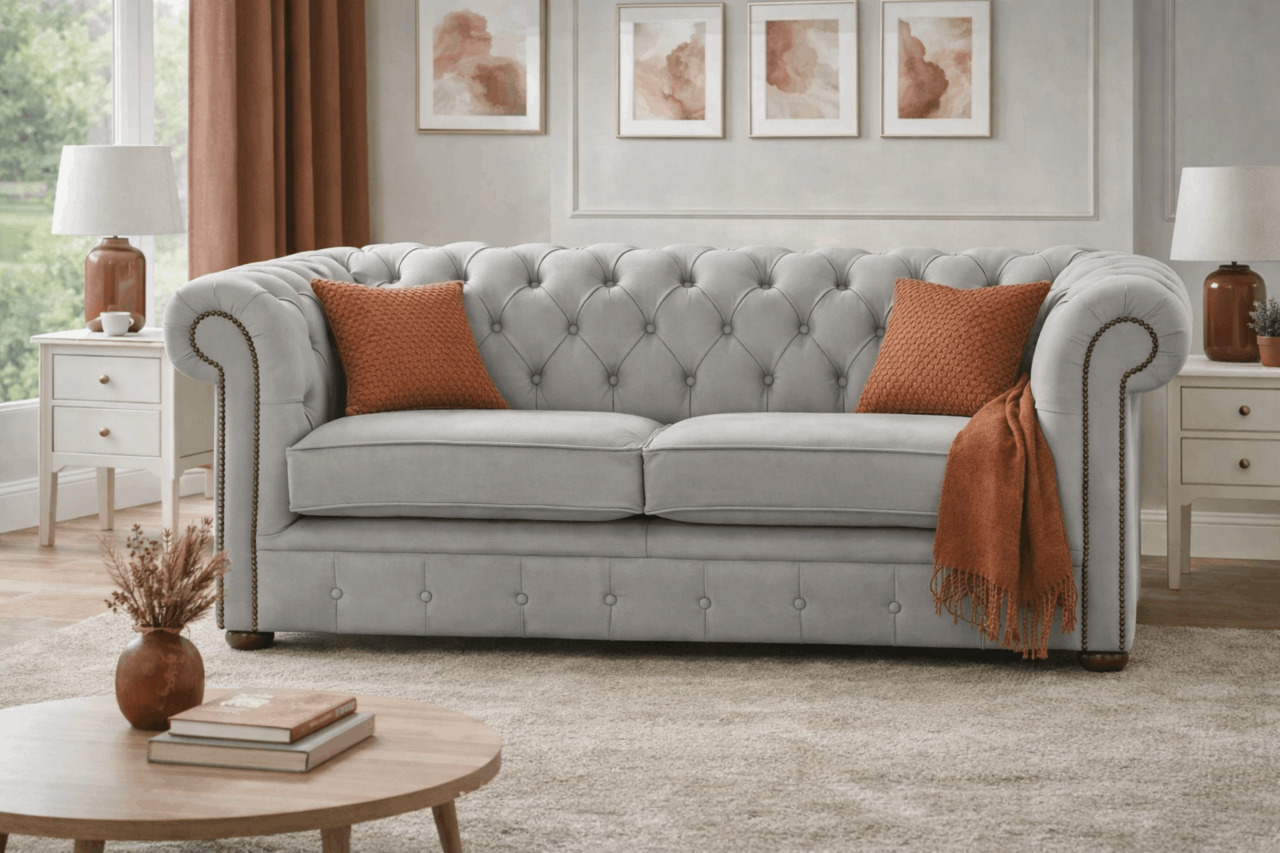
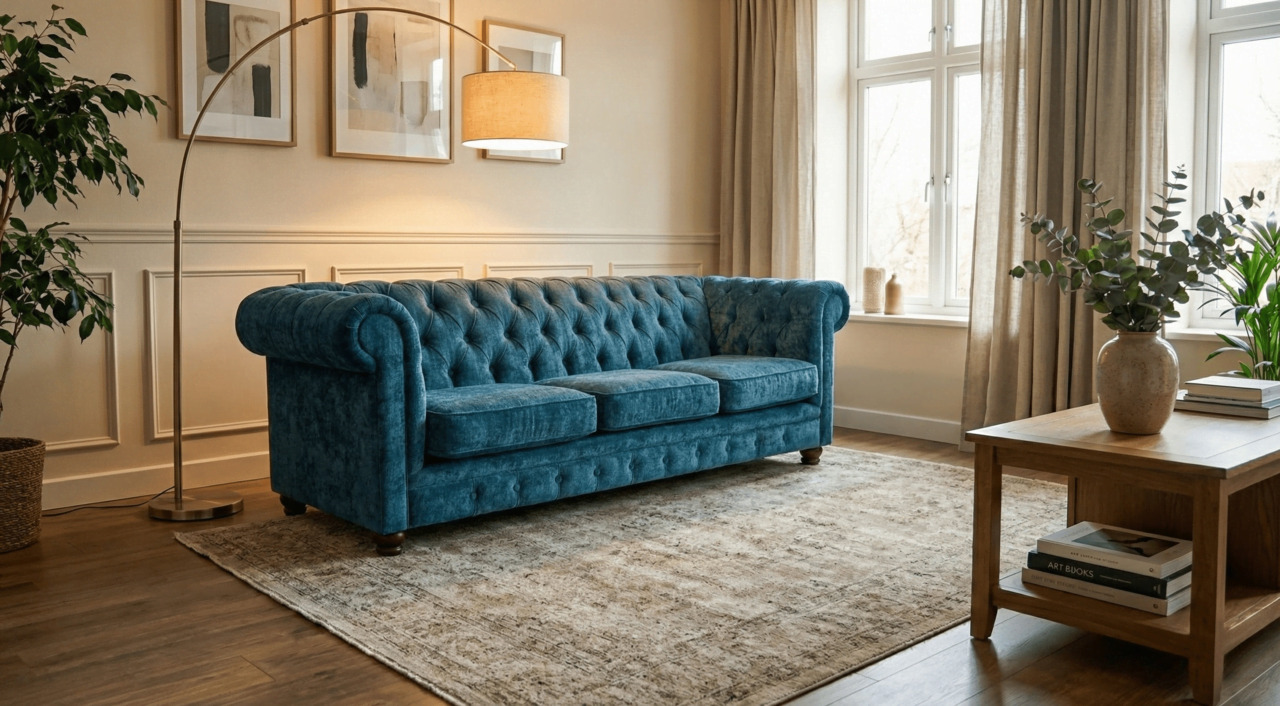
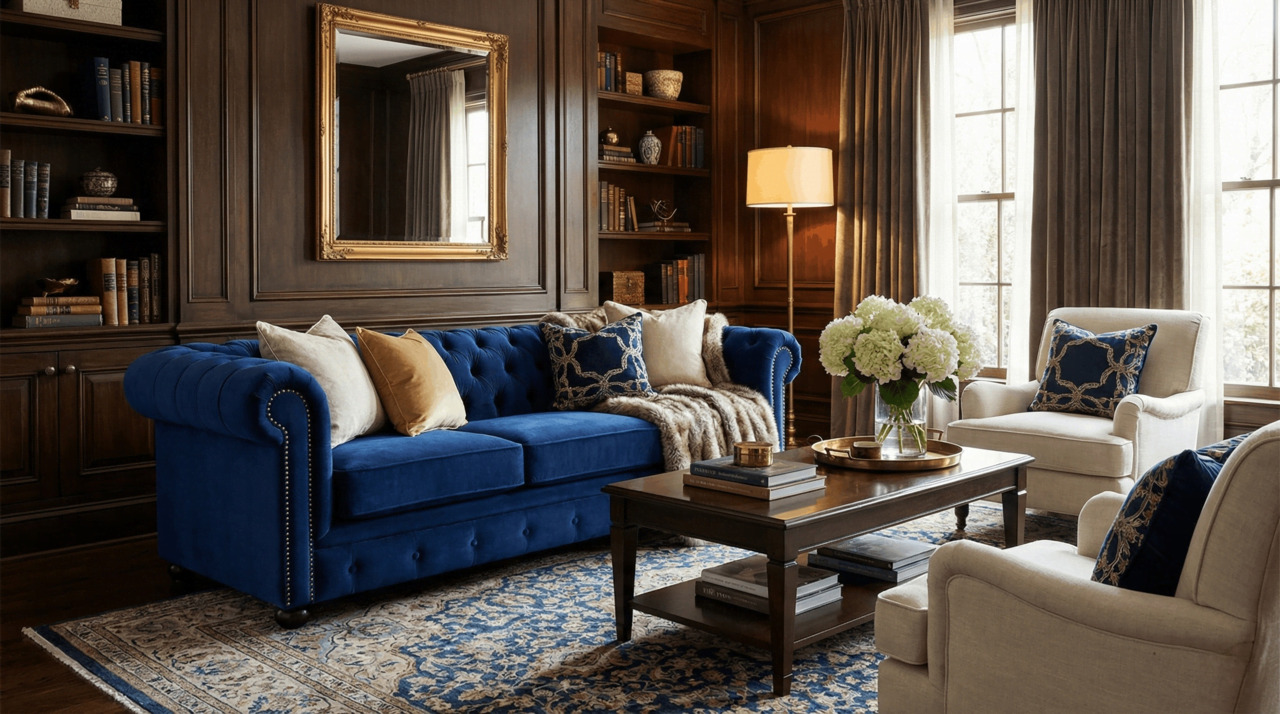
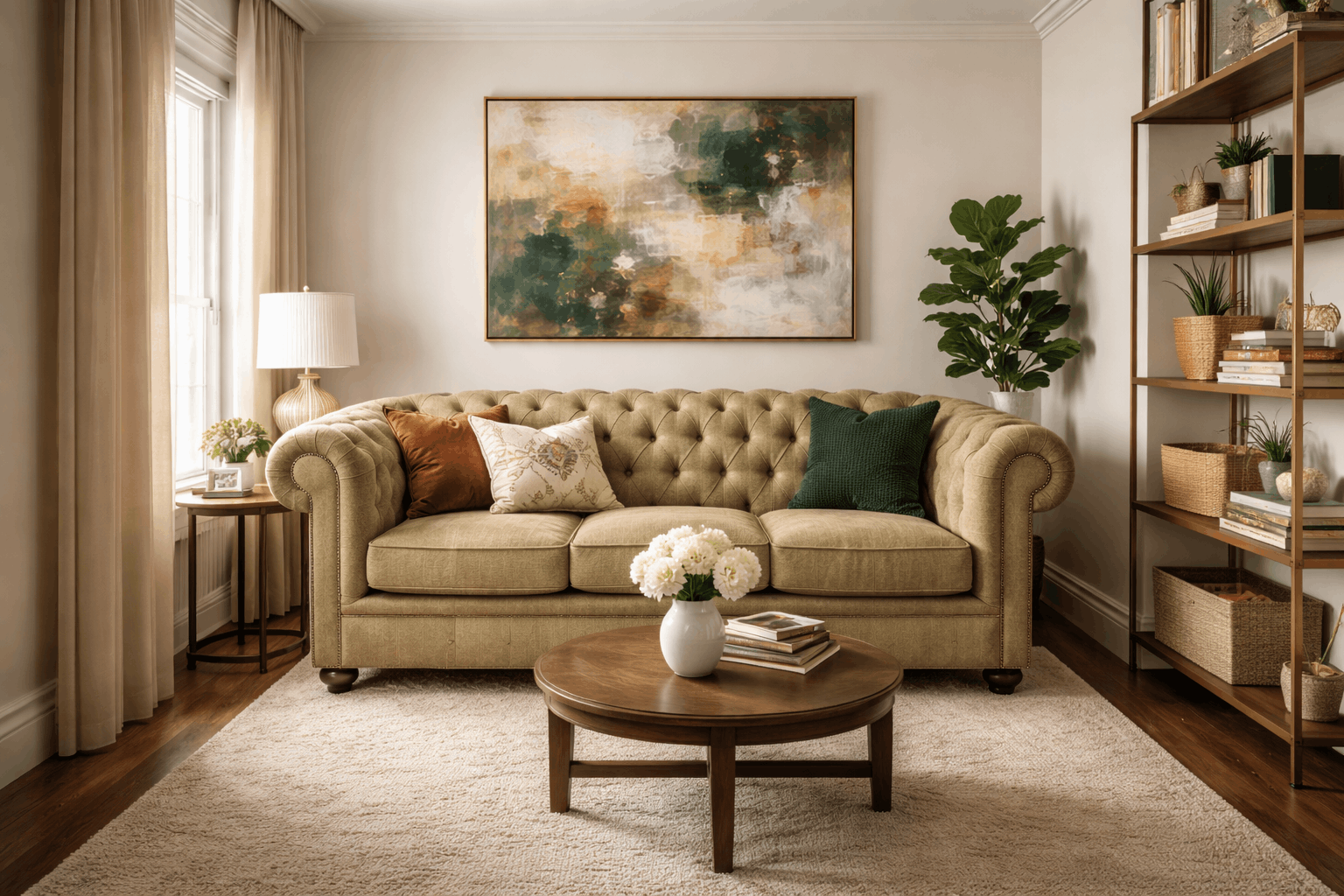
- a classic Chesterfield sofa in a modern room,
- a carved wooden side table next to a clean-lined sofa,
- a vintage-style mirror above a minimalist console,
Why this works:
New furniture gives clarity. Vintage pieces add personality.
Together, they make a room feel collected, not copied.
At DS4U, we often see customers choosing classic silhouettes like Chesterfields — but pairing them with modern fabrics or colours. That balance is exactly what 2026 is about.
4. The Easiest Way to Make Your Home Feel More Luxurious? Texture
If there’s one trend you shouldn’t ignore, it’s this.
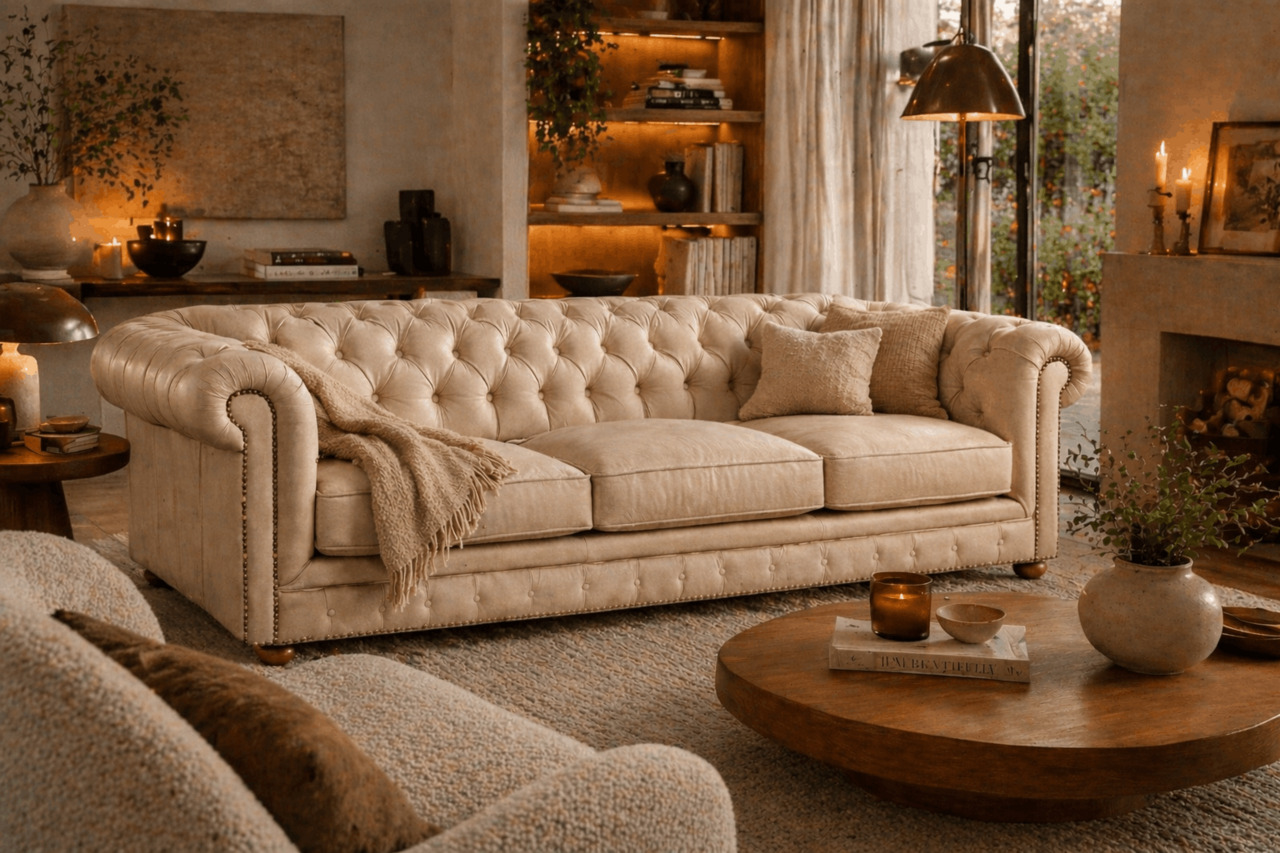
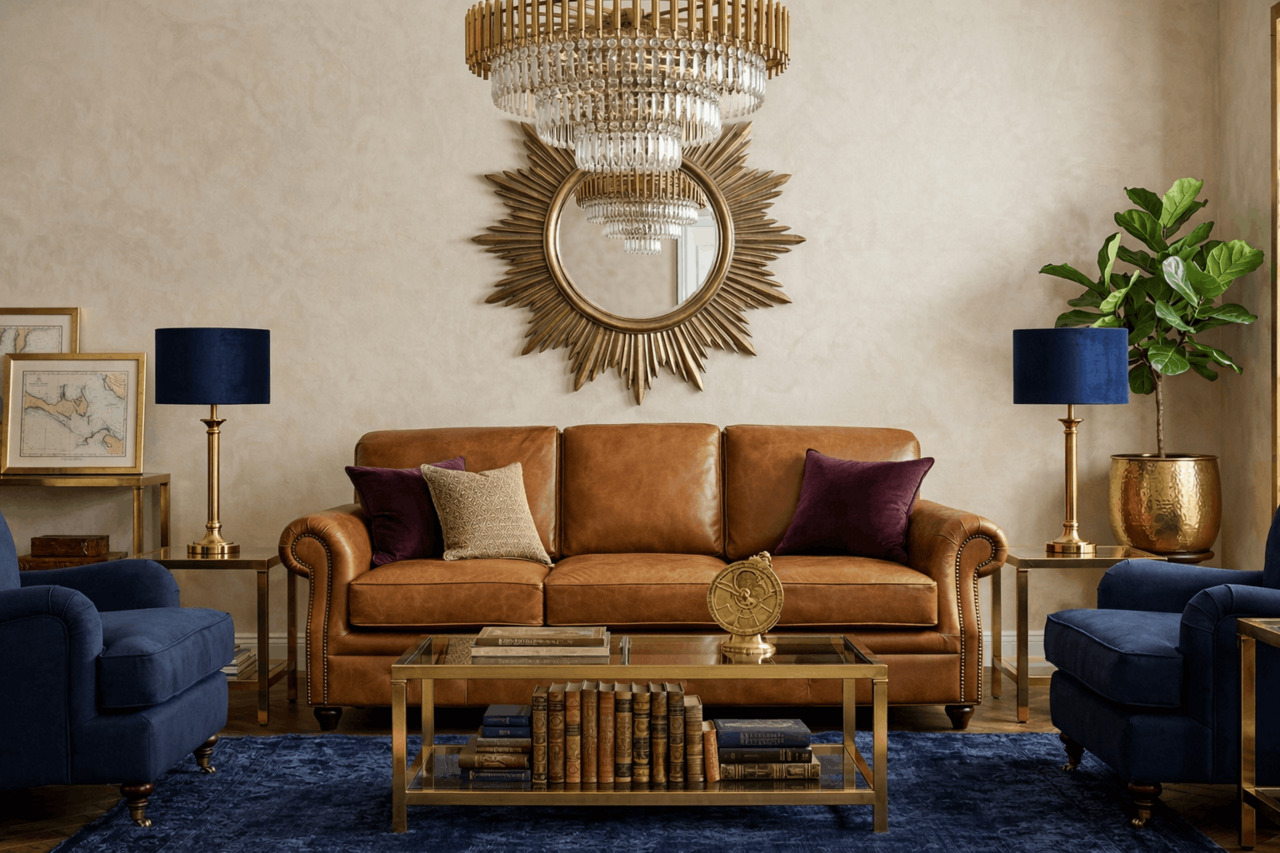
Texture is what makes a room feel expensive, warm, and adds a sense of durability and finish.
In 2026, it’s all about layering:
- velvet (soft and rich),
- linen (light and relaxed),
- leather (structured and timeless),
- wool and boucle (cosy and tactile).
Simple upgrades that work instantly:
- Add velvet cushions to a neutral sofa,
- Layer a throw over your armchair,
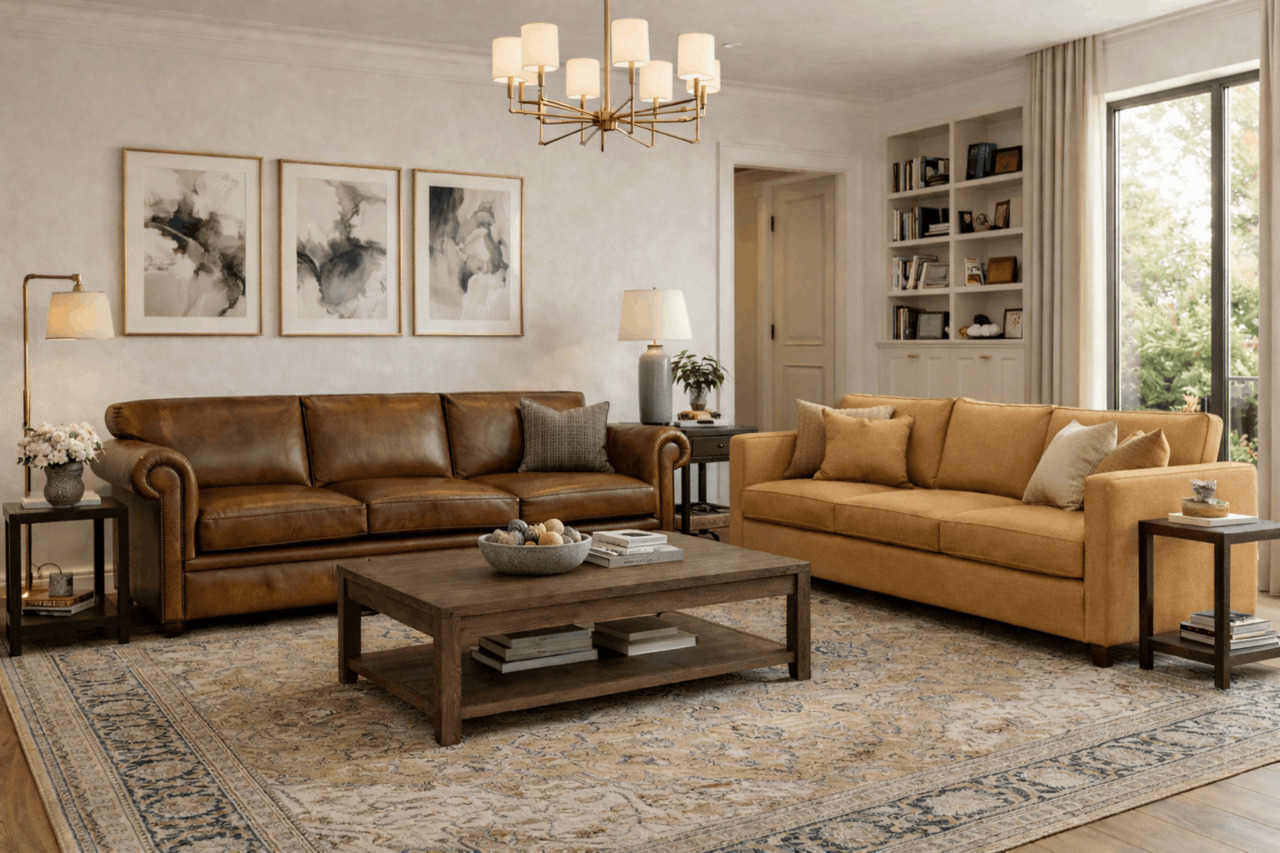
- Mix leather and fabric in the same room.
Even if everything in your room is neutral, texture stops it from feeling flat.
5. Statement Seating: The Sofa Is Now the Star of the Room
Gone are the days when sofas were just “practical”.
Now? They’re the main feature.
One of the most exciting home decor trends is statement seating — furniture that defines the entire space.
We’re seeing:
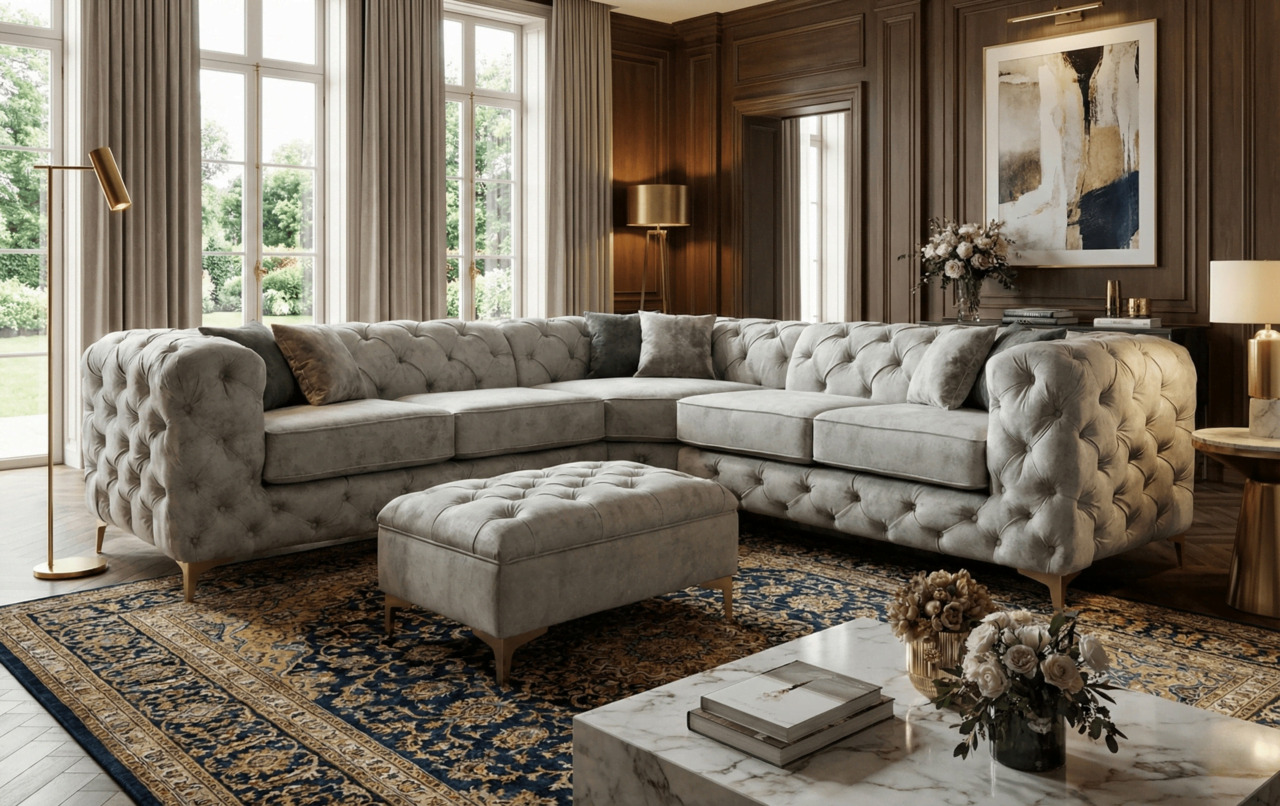
- bold sofas in rich colours,
- floral or patterned upholstery,
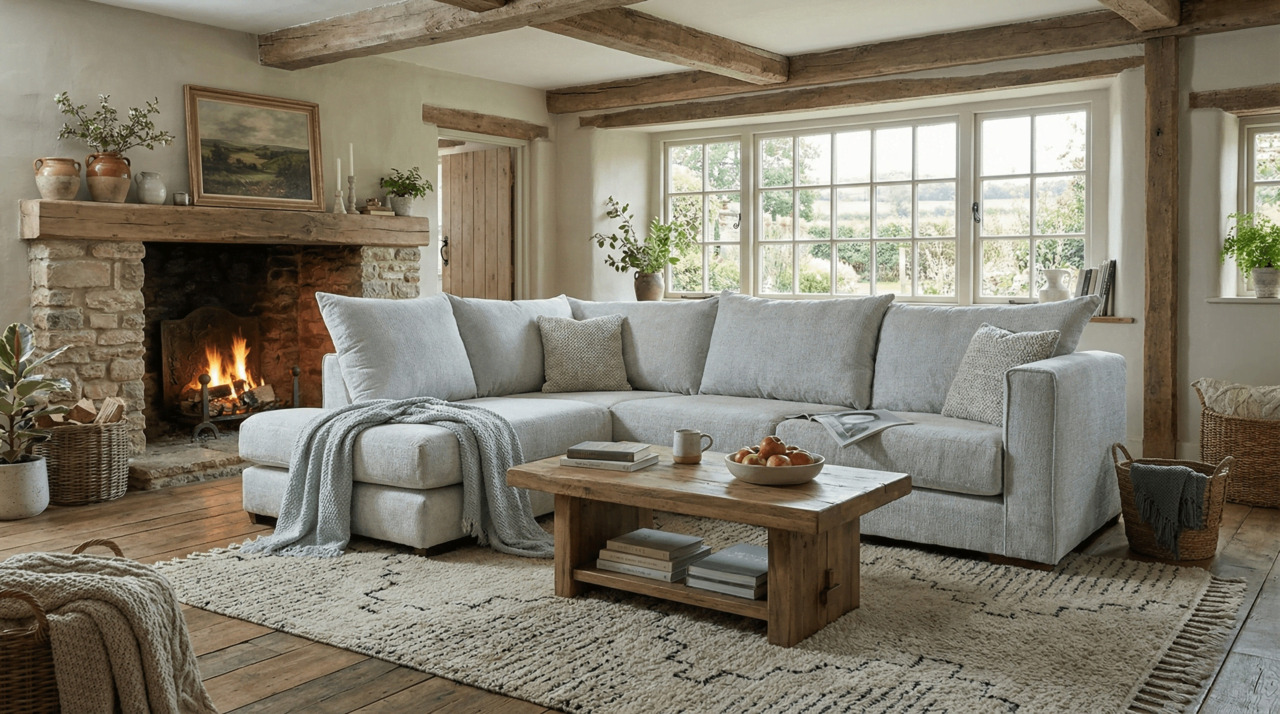
- chaise-end sofas for a more relaxed look,
- pairs of ottomans instead of a single coffee table.
How to use this trend:
Pick one piece to stand out — and let everything else support it.
For example:
- a deep green velvet sofa in a neutral room,
- a large sectional sofa that shapes the whole layout,
- an accent chair that draws attention immediately.
If you’ve been thinking “maybe it’s time for a new sofa” — this is your sign.
6. Lighting Is No Longer Just Practical — It’s Atmospheric
If your room only has one ceiling light, you’re missing a huge opportunity.
In 2026, lighting is layered. And it completely changes how your home feels.
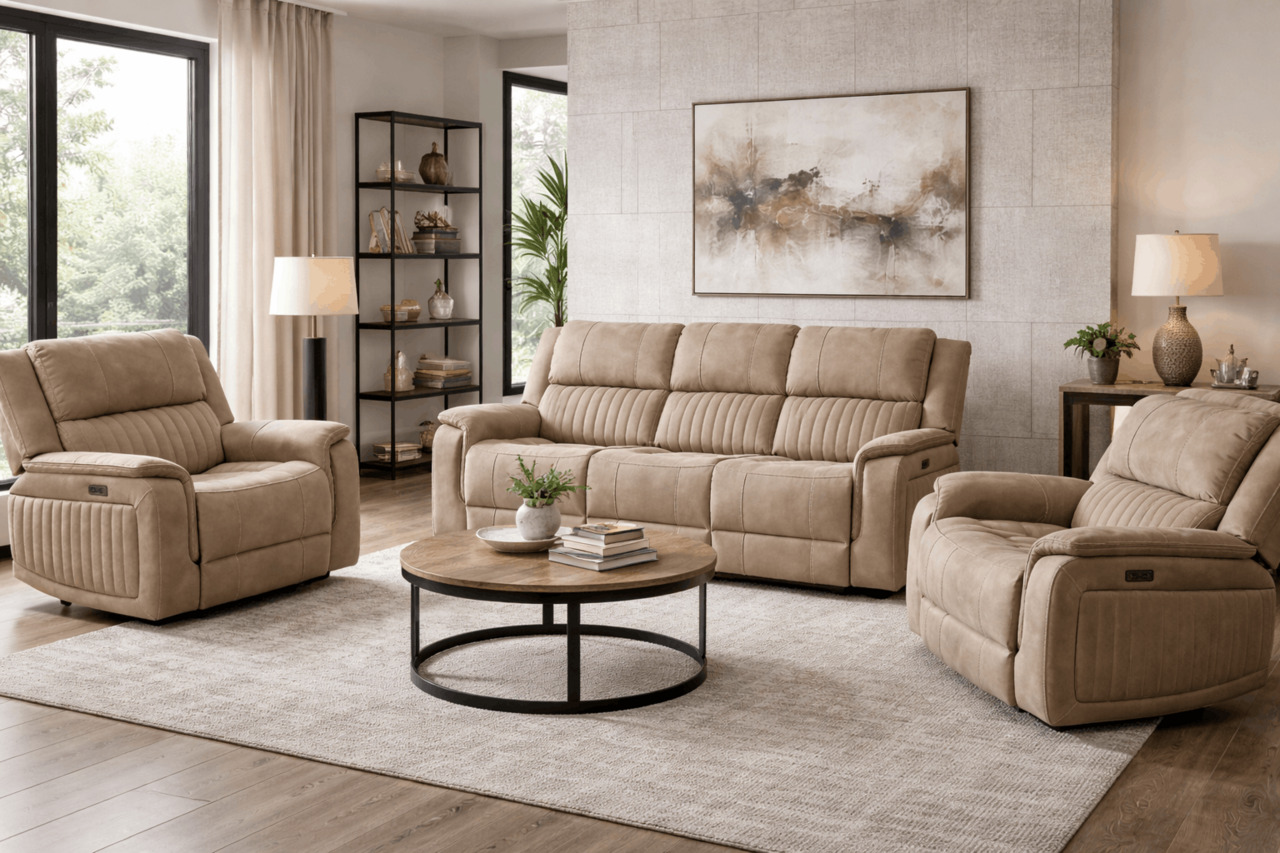
Instead of one harsh light, combine:
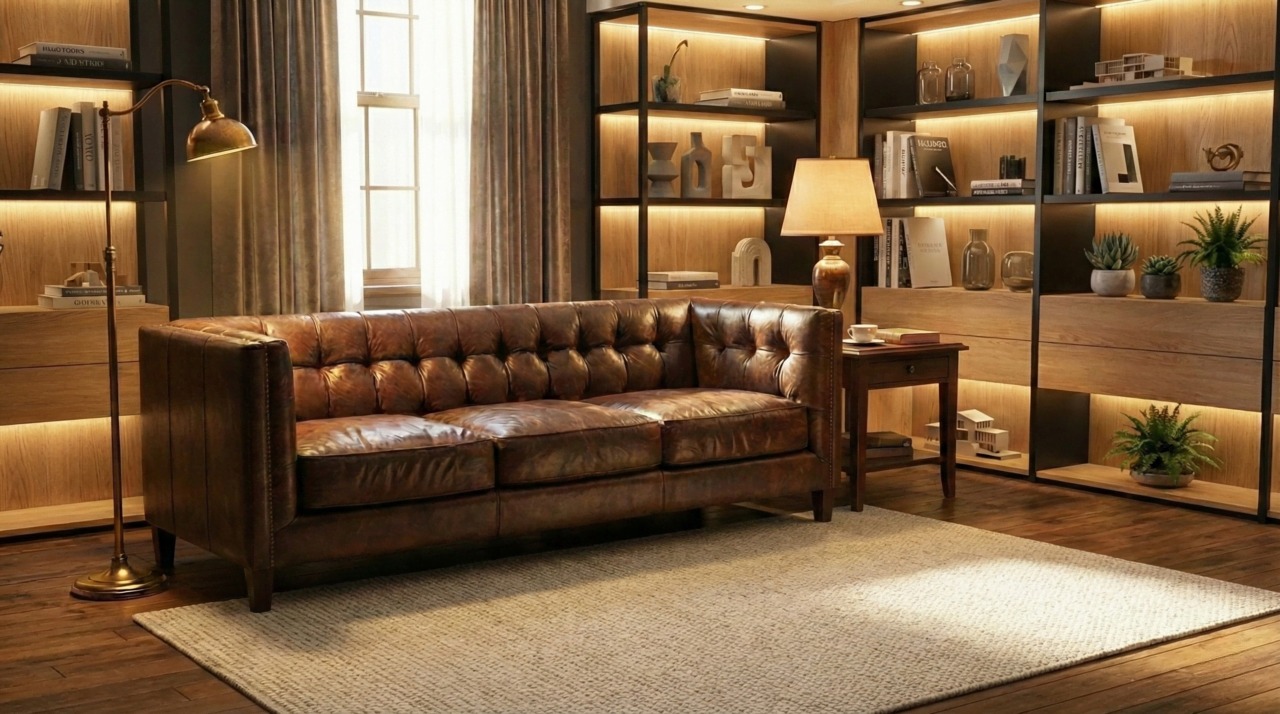
- floor lamps,
- table lamps,
- wall lights,
- soft ambient lighting.
What this does:
- creates cosy evening atmosphere,
- highlights textures and materials,
- makes your space feel more expensive.
Easy upgrade:
Add just one floor lamp and one table lamp — and you’ll notice the difference immediately.
7. Technology Is Blending Into the Background
In 2026, technology is still part of the home, but it is no longer something people want to see everywhere. One of the clearest shifts in current interiors is the move away from visible cables, standalone speakers, bulky media units, and screens that dominate the room.
Instead, technology is being treated more quietly and more intentionally. The goal is not to remove it, but to make it feel integrated into the space rather than layered on top of it.
This creates a room that feels calmer, more considered, and less tied to a specific moment in time.
What’s changing:
- visible wiring and cluttered media areas are feeling dated,
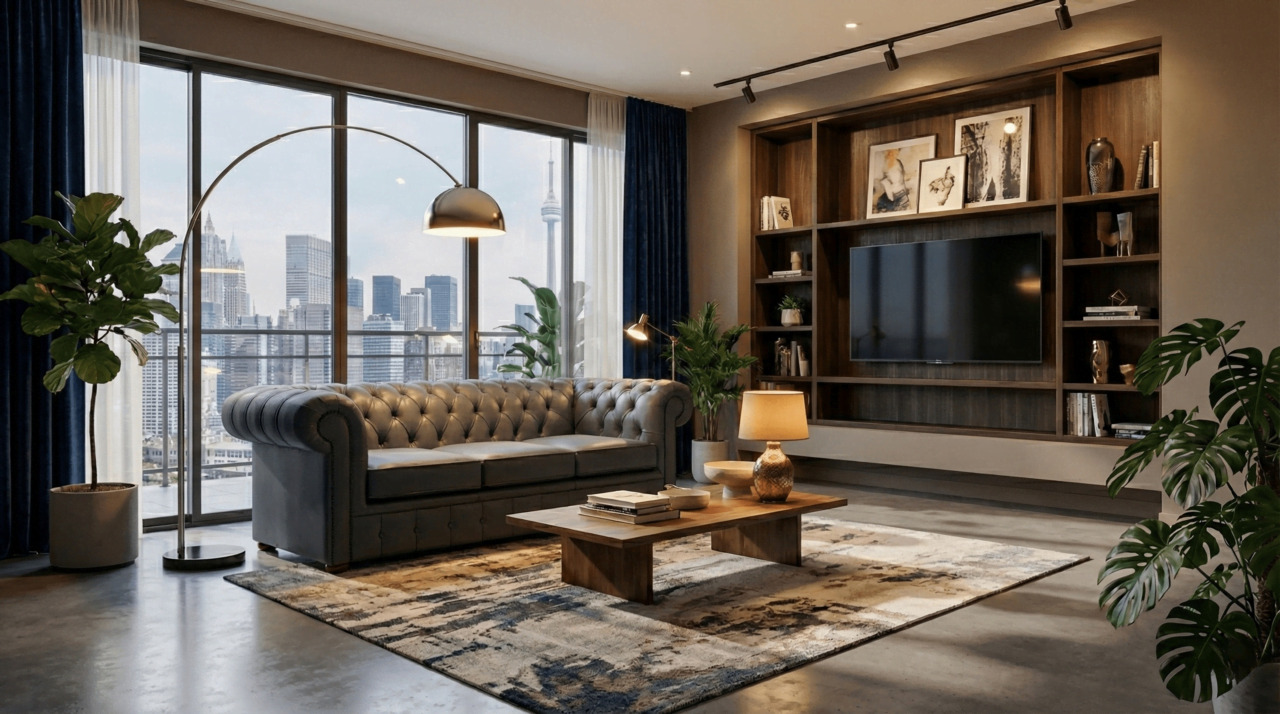
- televisions are more often blended into walls, cabinetry, or shelving,
- speakers and charging points are being built into the layout more discreetly,
- controls are being simplified so the room feels cleaner and less visually interrupted.
This trend works especially well in living rooms, where comfort and atmosphere matter more than showing off devices. When technology stays in the background, furniture, materials, lighting, and layout become the features that define the room.
This section can naturally include:
- bespoke media units,
- built-in shelving with concealed storage,
- hidden cable management,
- integrated speakers,
- televisions positioned more deliberately within the overall scheme.
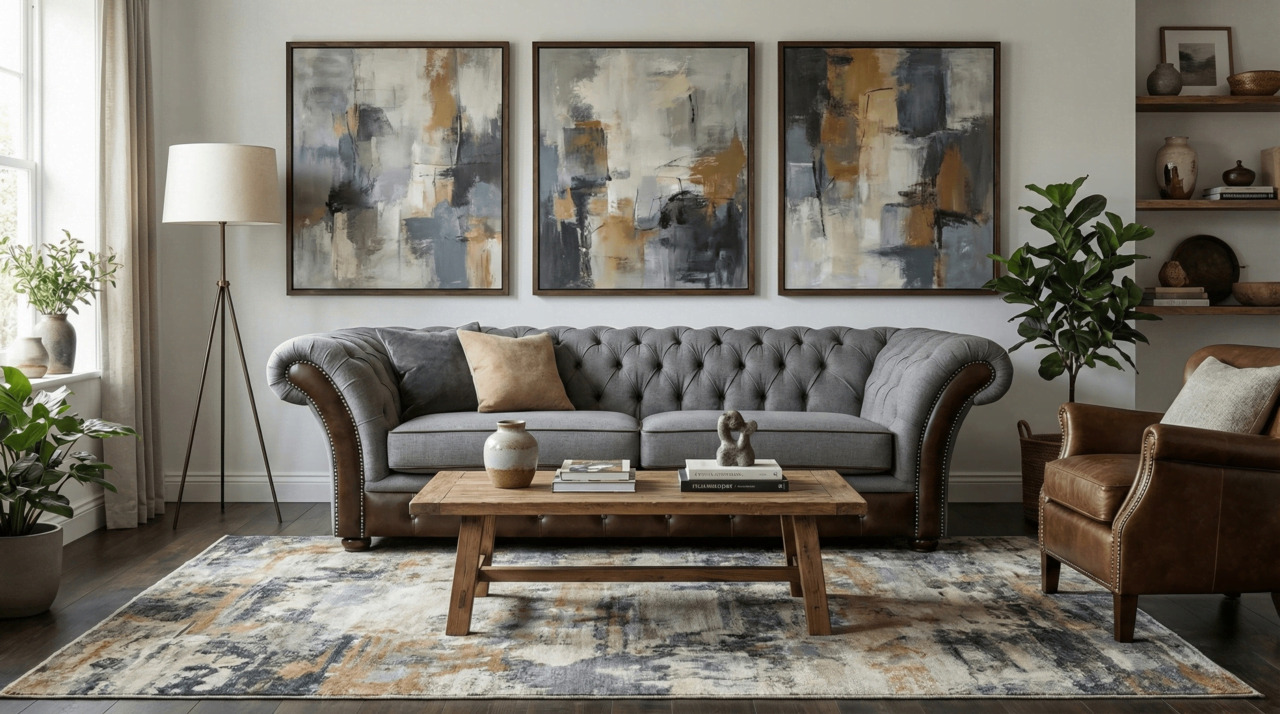
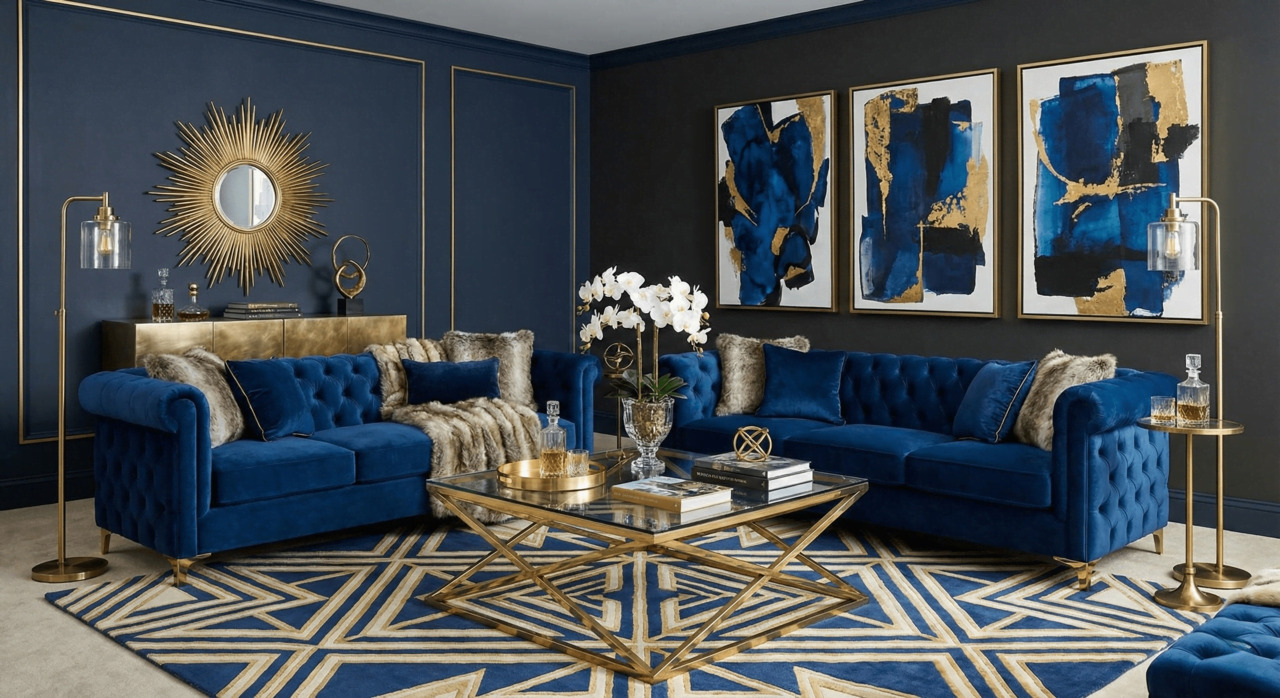
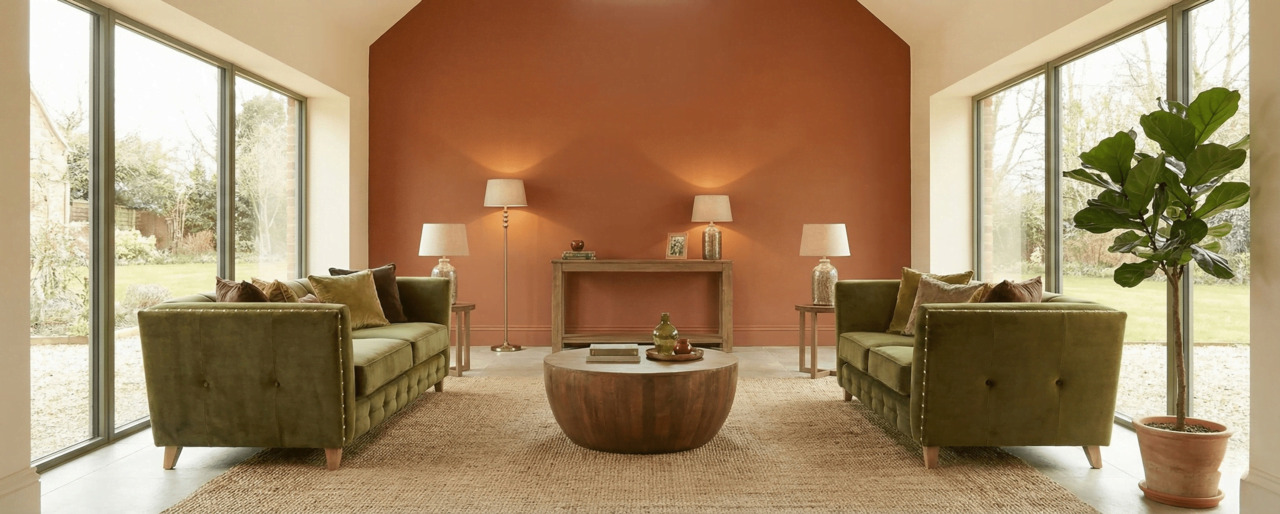
8. Mixing Materials: The Secret Behind “Designer-Looking” Homes
Ever wondered why some homes look effortlessly stylish?
It’s usually not the furniture itself — it’s the combination of materials and overall aesthetics.
One of the key trending decorating ideas right now is mixing:
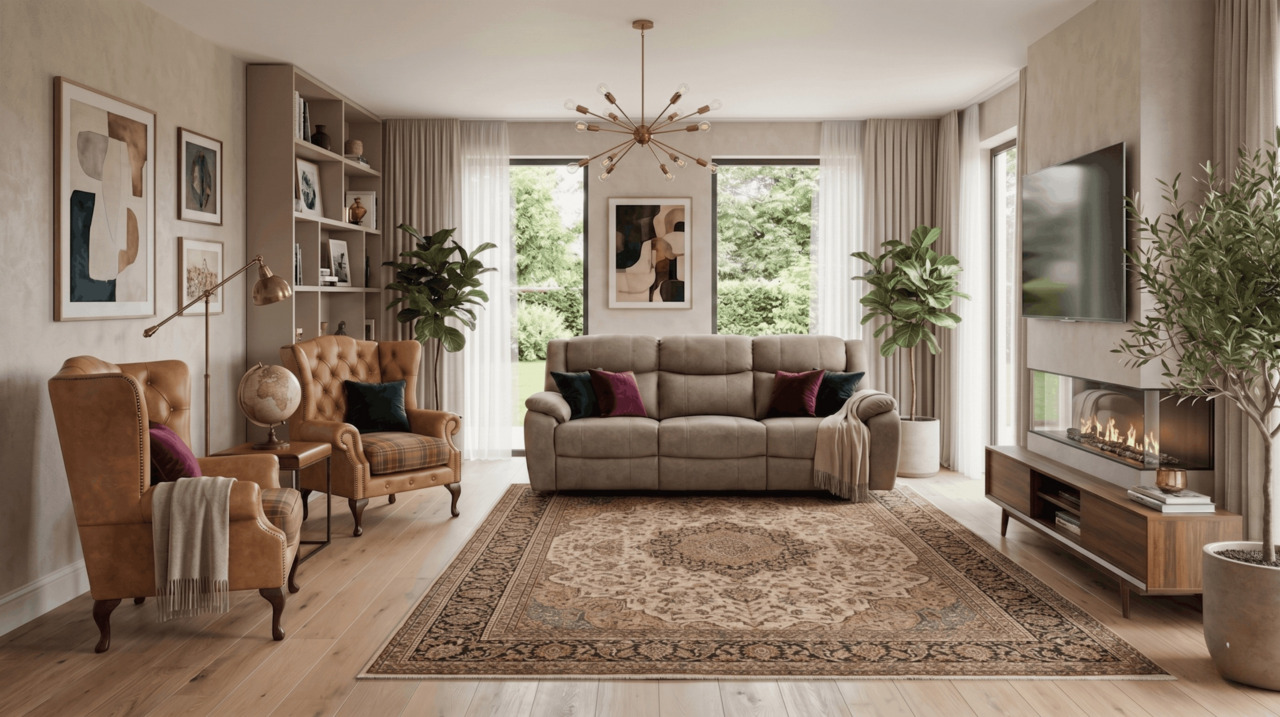
- wood + fabric,
- leather + linen,
- glass + metal,
- polished + rustic finishes.
Examples that work beautifully:
- a wooden coffee table with an upholstered sofa,
- brass lighting next to dark wood furniture,
- a glass table paired with a chunky fabric sofa.
This contrast adds depth without making the room feel busy.
9. Perfectly Matched Furniture Is Out — Personal Style Is In
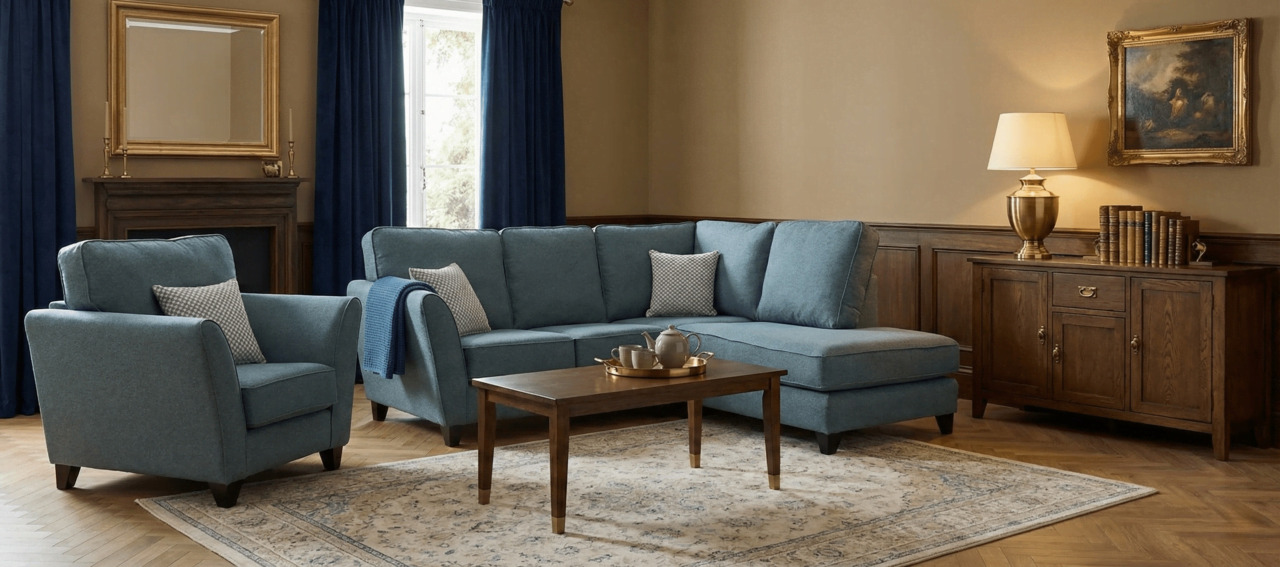
Buying everything as a set? That’s fading fast.
This means:
- mixing different chair styles,
- combining classic and modern tables,
- layering accessories gradually.
What to focus on instead:
- pieces you genuinely love,
- comfort and practicality,
- a mix that reflects your lifestyle.
There’s no single “perfect” look anymore — and that’s exactly the point.
Rearranging Your Furniture: A Quick Way to Refresh Your Space While You Choose New Furniture or Decor
A simple rearrangement is often the easiest way to see your space differently — and it can help you understand what actually needs changing before you invest in new pieces.
In many homes, furniture stays in the same position for years. But once you start moving things, it becomes much clearer what works — and what doesn’t.
Simple Changes That Make a Real Difference
You don’t need a full redesign. Try a few practical adjustments:
Turn your sofa slightly
Instead of placing it flat against a wall, try angling it or moving it forward. This can instantly make the room feel more relaxed and less rigid.
Swap the position of key pieces
Move your armchair to the opposite side. Change where your side table sits. Even small shifts can make the room feel new again.
Create a more social layout
If your seating is spread out, bring pieces closer together. A more connected arrangement makes the space feel warmer and easier to use.
Change what the room “faces”
Does everything point towards the TV? Try reorienting your layout around a different focal point — like a window or a coffee table.
Free up one side of the room
If one area feels crowded, try removing or relocating a piece. Giving the room a bit of breathing space can make it feel bigger instantly.
Why This Step Matters
Rearranging helps you see your room more clearly.
You start to notice:
- where the layout feels unbalanced,
- which areas feel underused,
- what might be missing.
This is often the point where design decisions become easier.
The Next Step: Choosing the Right Pieces
Once you’ve adjusted your layout, it becomes much clearer what your space actually needs.
You may release:
- a larger sofa would define the room better,
- a sectional would improve how the space is used,
- an accent chair could balance the layout,
- a different material or colour would bring everything together.
Latest Interior Design Trends to Leave Behind in 2026
Some styles are quietly losing relevance:
- all-grey interiors with no warmth,
- stark white rooms that feel cold,
- relying only on ceiling spotlights,
- overly minimal spaces with no personality.
If your home still leans this way, don’t worry — small updates can completely transform it.
How to Use 2026 Interior Design Trends Without Redoing Everything
You don’t need a full renovation to follow interior design trends in 2026 or reflect broader home decor trends in your space.
Start small:
- Add one statement chair or sofa,
- Introduce warmer colours through cushions or throws,
- Upgrade your lighting (floor + table lamp),
- Bring in one vintage-inspired piece,
- Swap your coffee table or side tables.
Even one change can shift the whole feel of your space.
If you’ve been waiting for the “right moment” to refresh your interior — this is it.
Final Thoughts: The Best Interiors in 2026 Focus on How You Live
The biggest shift in latest interior design trends isn’t a specific colour or style.
It’s this:
Your home should feel personal, comfortable and lived-in.
Trends are a guide — not a rulebook.
At Designer Sofas 4U, we always say:
- timeless shapes never go out of style,
- warm tones always feel inviting,
- and the best interiors are the ones that work for your life.
Whether you’re choosing a classic neutral sofa or a bold statement piece, the goal is the same — to create a space you actually enjoy spending time in.
And sometimes, all it takes to start… is one new piece.
Explore our collection to find the one that fits your home perfectly.
FAQ
What are the key interior design trends in 2026?
Interior design trends in 2026 focus on layout, material combinations and practical furniture. Spaces are designed around movement and daily use rather than appearance. Flexible seating, layered lighting and balanced materials define modern interiors.
What colours are popular in 2026 interiors?
Popular colours in 2026 include warm neutrals and deeper tones such as clay, olive and muted reds. Instead of single shades, interiors use tonal layering to add depth without making the space feel heavy.
How can I update my home without a full redesign?
Start with one change — furniture, lighting or material. Then adjust layout, add texture and improve flow. This approach keeps the space functional without unnecessary changes.
What sofa styles are popular in 2026?
In 2026, popular sofa styles focus on comfort and flexibility. Corner (L-shaped) sofas are widely used for defining space, especially in open-plan layouts. Classic designs like Chesterfields remain relevant, while recliner sofas are gaining popularity for everyday comfort. Sofa beds are also a practical choice for smaller or multifunctional spaces.
Overall, the best option depends on how you use your living room — with flexibility and comfort being the main priorities.