
.jpg)
Sofa Buying Guide
Buying a sofa is not a decision to rush. A sofa shapes how a room works, how comfortable it feels, and how long your furniture investment will last. Whether you are furnishing a new home or replacing an old settee, the right choice can improve everyday comfort, enhance the look of your space, and support your lifestyle for many years.
This sofa buying guide comes from the long-established UK sofa retailer and manufacturer Designer Sofas 4U. Step by step, we cover the essentials — room size, layout, choice of material, style, and sofa configuration — to help you make a confident decision.
Assessing Your Space
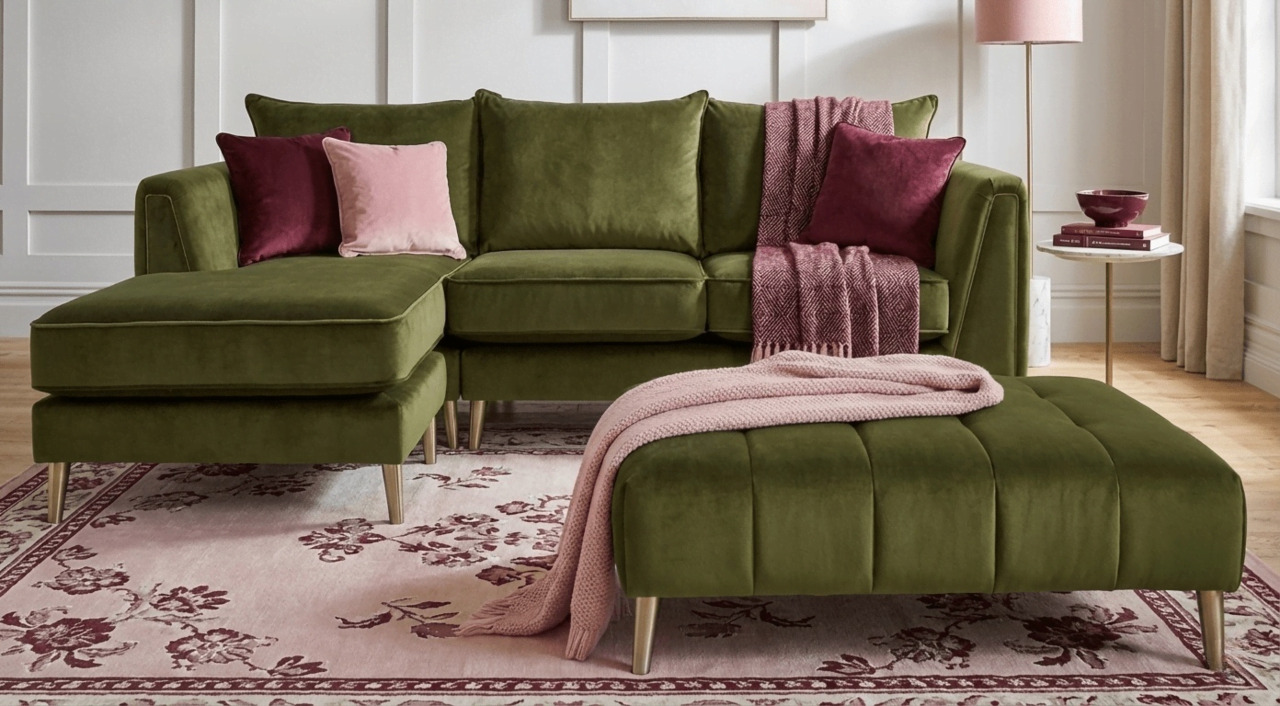
Before choosing colours, materials, or sofa styles, it is essential to understand the room where the sofa will be placed. Even a well-designed sofa can feel uncomfortable or out of scale if its proportions do not suit the available space. Assessing your room properly helps ensure the sofa fits naturally, allows easy movement, and supports how the room is used day to day.
Take time to observe how the room functions. Consider where people walk, where doors open, and how light enters the space. These factors influence not only the size of sofa you can accommodate, but also its shape and positioning.
Measure Your Room Like a Pro
Accurate measurements are the foundation of a successful sofa purchase. Start by measuring the overall dimensions of the room, then work through access points and fixed features that may affect placement or delivery.
Key measurements to take include:
- Room width, length, and ceiling height
- Doorways, hallways, staircases, and tight corners
- Window positions, radiators, and electrical sockets
- Distance between walls and existing furniture
When measuring, always account for circulation space. As a general rule, leave at least 75–90 cm for walkways so the room does not feel cramped.
A practical planning technique is to mark out the sofa’s footprint on the floor using masking tape or newspaper. This allows you to visualise how much space the sofa will occupy, check clearance around it, and see how it affects the flow of the room. It is also helpful to mark out arm depth and chaise extensions, as these areas often take up more space than expected.
This step is especially important in smaller homes, apartments, or rooms with awkward layouts. By measuring carefully at this stage, you avoid common issues such as blocked doorways, restricted walkways, or a sofa that visually dominates the room.
At this stage, careful measuring gives you a clear framework for the rest of this sofa buying guide, ensuring that any sofa you consider will suit the space before you move on to choosing size, materials, and style.
How to Choose a Sofa
Understanding how to choose a sofa is about more than liking the way it looks. It is about learning how to pick furniture that supports your lifestyle, fits the room properly, and remains comfortable over time.
The right choice balances size, material, and style with how the sofa will be used every day. Think about who will use it most often, how long people typically sit on it, and whether it needs to serve more than one purpose, such as relaxing, entertaining guests, or watching television.
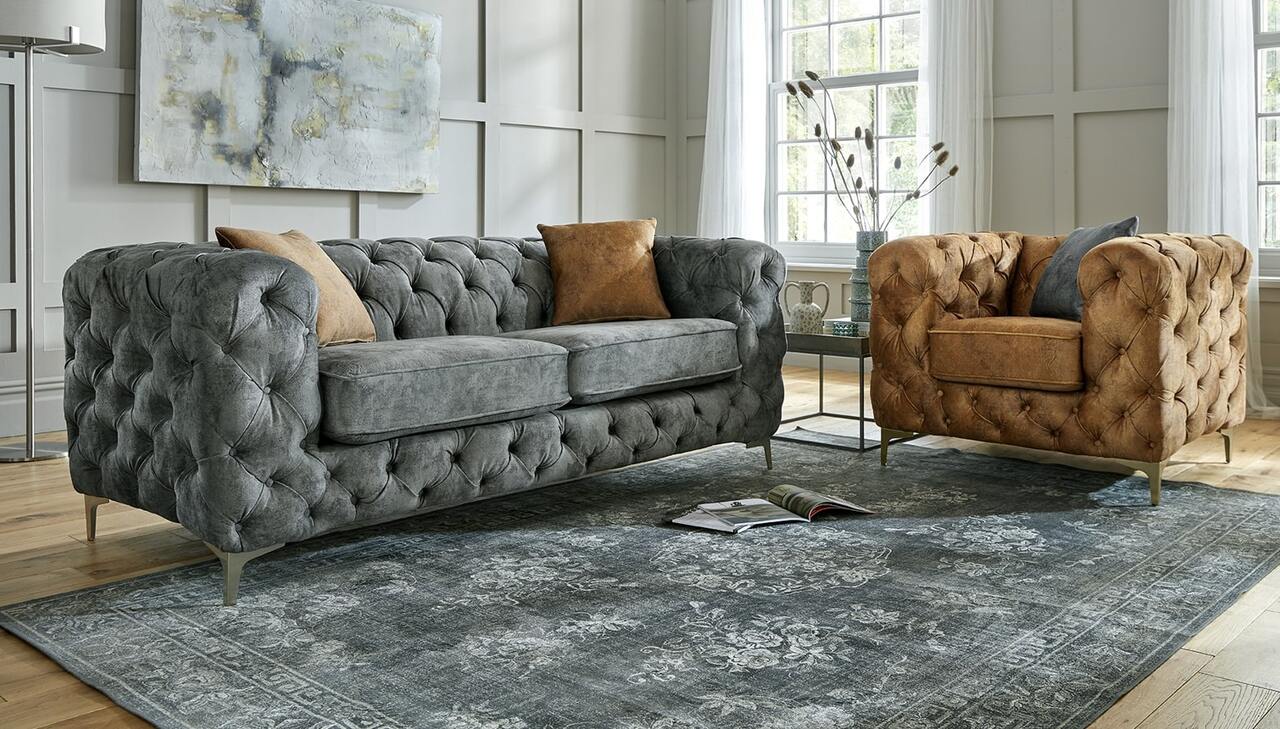
A good starting point is to consider your lifestyle. A sofa for a quiet sitting room may prioritise aesthetics and posture, while a family living room often requires greater durability, deeper seating, and easy maintenance. The goal is to choose furniture that supports your daily habits rather than forcing you to adapt to it.
How to Choose the Right Size Couch
Knowing how to choose the right size couch starts with scale and proportion, not just seat count. A sofa should fit comfortably within the room while allowing people to move around it without effort.
Key measurements to consider
- Overall length, depth, and height of the sofa
- Seat depth and seat height, which affect comfort
- Clearance for walkways, doors, and drawers
Avoid pushing sofas tightly against every wall, as this can make even a large room feel boxed in. Leaving a small gap often improves both airflow and visual balance.
Sightlines are equally important. Make sure the sofa does not block natural light from windows or interrupt key views across the room. In open-plan layouts, the sofa often acts as a divider, so its size should define the seating area without cutting the space in half.
Matching sofa size to room type
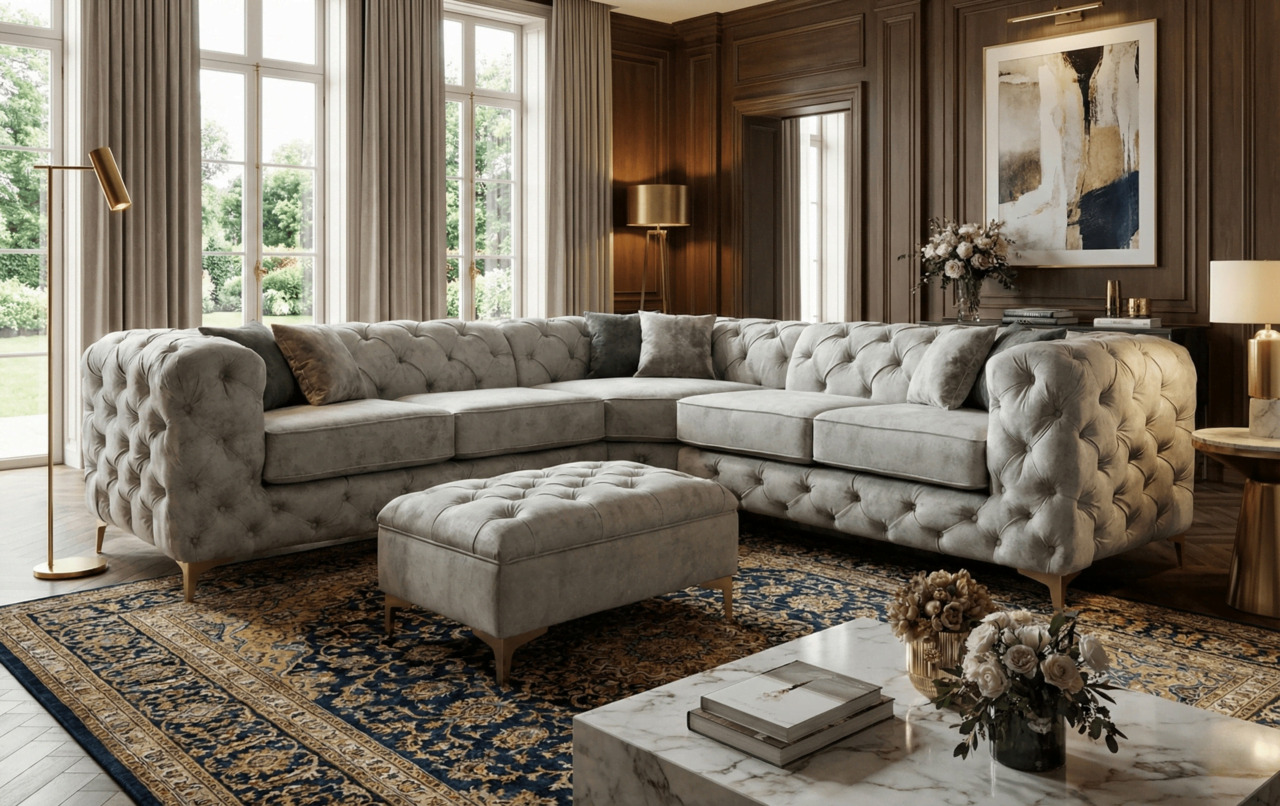
- Compact sofas work best in smaller living rooms and apartments, where maintaining a sense of openness is essential.
- Standard-sized sofas suit most average rooms, offering a comfortable balance between seating capacity and floor space.
- Oversized sofas are most effective in large rooms or open layouts, where their scale feels intentional rather than overwhelming.
The right dimensions ensure the sofa feels comfortable to sit on while still allowing the room to breathe. A well-sized sofa supports both comfort and layout, making the space easier to live in day to day rather than simply filling it.
How to Choose Sofa Material
When deciding how to choose sofa material, it is important to look beyond appearance alone. The material of a sofa has a direct impact on daily comfort, long-term durability, ease of maintenance, and how well the furniture ages over time. A sofa that looks perfect on day one may quickly become impractical if the material does not suit your household or lifestyle.
Common Sofa Materials and Their Characteristics
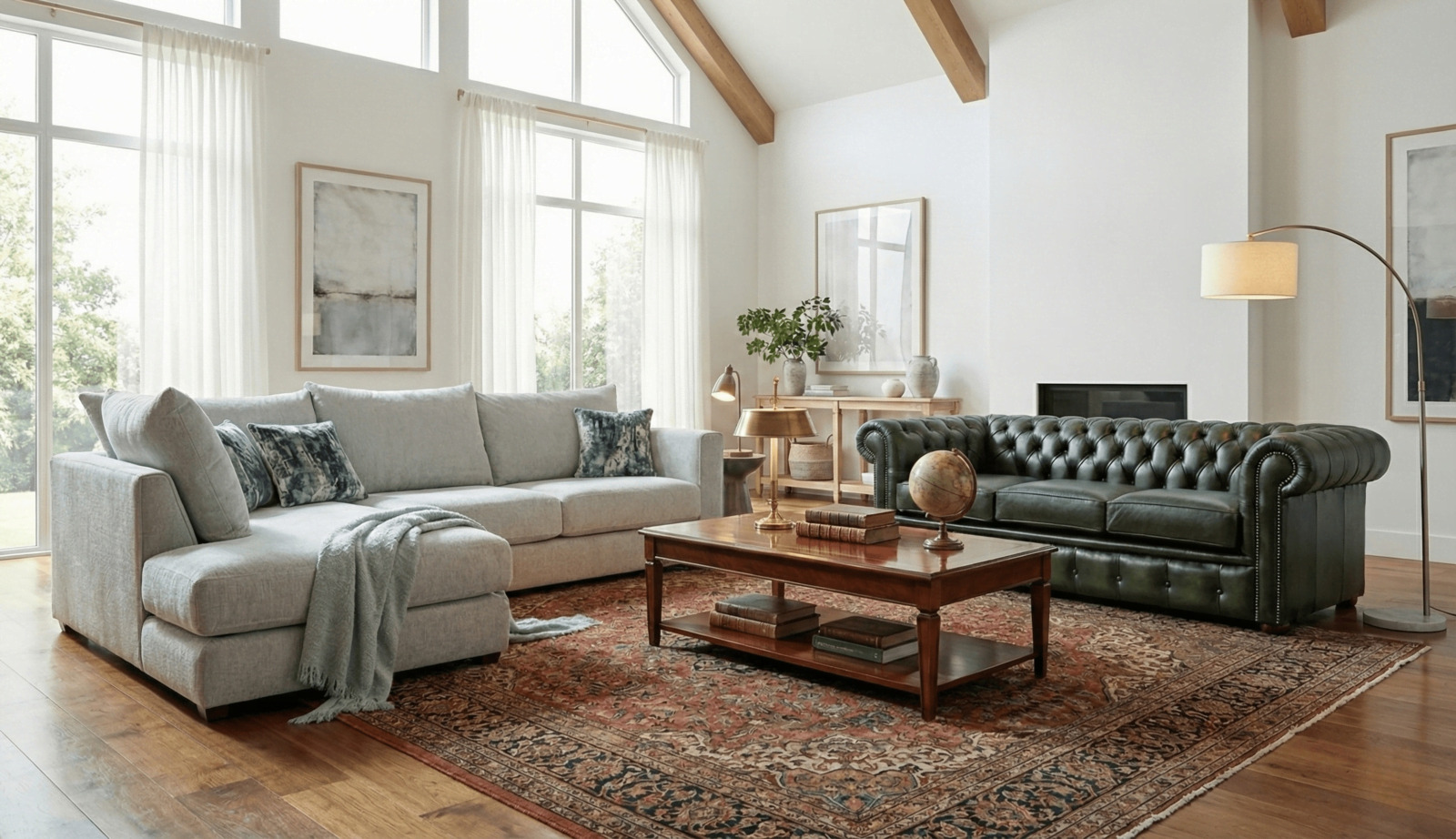
- Fabric sofas are one of the most versatile options. They offer a wide choice of colours, patterns, and textures, making them easy to integrate into different interiors. Fabric upholstery is generally comfortable and warm to the touch, which suits everyday family living. However, durability can vary depending on the weave and fibre type. Exploring dedicated collections of fabric sofas helps compare options designed for different levels of daily use.
- Leather sofas are valued for their durability and ease of maintenance. Leather does not absorb spills in the same way fabric does, making it easier to wipe clean and maintain over time. With regular care, leather develops a natural patina that adds character rather than visible wear. For households where longevity and practicality matter, browsing a range of leather sofas can be a sensible starting point.
- Velvet sofas are chosen for their rich texture and depth of colour, adding warmth and refinement to a room. While visually striking, velvet requires more considered care than other materials. It is often better suited to lower-traffic areas or homes where spills are less frequent. Understanding cleaning requirements in advance, such as those outlined in guides on how to clean velvet sofa, helps determine whether velvet fits your lifestyle.
- Performance fabrics are designed for modern living and engineered to resist stains, fading, and everyday wear. These materials combine the softness of fabric with enhanced durability, making them particularly suitable for homes with children, pets, or frequent guests.
Matching Material to Lifestyle
For busy households, durability and ease of care often matter more than luxury finishes. Robust fabric or leather materials tend to cope better with everyday demands, while velvet and softer fabrics are often better reserved for formal or low-use living rooms.
Choosing the right sofa material ultimately means balancing comfort, practicality, and long-term value. By considering how the sofa will be used in real life, you can select a material that remains attractive, comfortable, and functional for years to come.
How to Choose a Sofa Style
Choosing how to choose a sofa style starts with understanding how the sofa will be used day to day and how it should visually interact with the rest of the room. Style is not only about appearance, it directly affects comfort, posture, and how balanced the space feels.
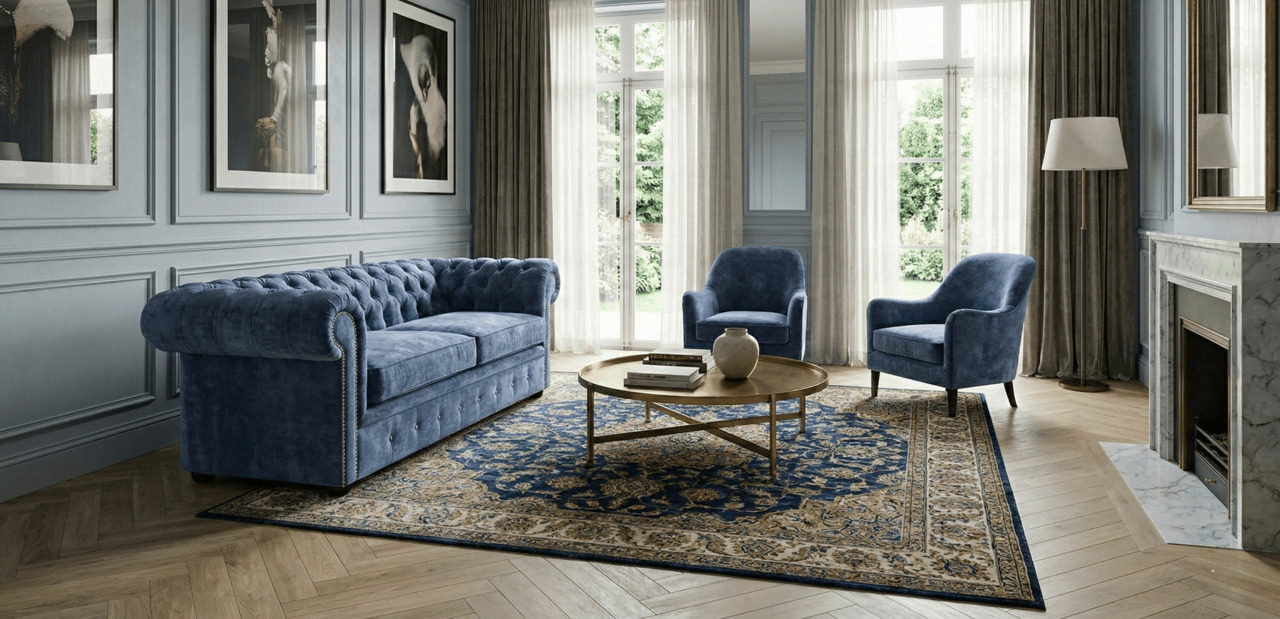
When selecting a sofa style, consider the following elements carefully:
- Back height and support
High-back sofas provide better upper-back and neck support, making them suitable for longer periods of sitting or more formal living rooms. Low-back designs create a relaxed, open look and work well in modern or minimalist interiors, especially where the sofa should not visually dominate the space. - Arm shape and width
Slim arms help save space and are ideal for smaller rooms. Wider, padded arms offer extra comfort and can double as informal seating or support when lounging. Structured arms often suit classic interiors, while softer or lower-profile arms feel more contemporary. - Leg height and finish
Visible legs lift the sofa visually, making a room feel lighter and more spacious. This works particularly well in compact rooms. Sofas that sit closer to the floor create a grounded, cosy feel and often suit traditional or luxury interiors. Leg material and finish should also align with other furniture in the room for a cohesive look.
Beyond individual features, think about how the sofa style fits your overall interior direction. Clean-lined designs tend to suit modern homes, while buttoned backs, rolled arms, and deeper cushions often complement traditional spaces. In mixed interiors, a simple sofa style can act as a neutral anchor, allowing other furniture and accessories to provide character.
Ultimately, the right sofa style should feel natural in the room, support everyday comfort, and age well over time. A sofa that aligns with both your lifestyle and interior aesthetics will always feel more successful than one chosen purely for visual impact.
Different Types of Sofa
Understanding the styles of sofas available helps you make a more considered choice, matching seating not only to the room layout but also to how the space is used day to day. Looking at the different types of sofa highlights how each design serves a specific purpose, whether that is saving space, increasing seating capacity, or offering greater flexibility and comfort.
2- and 3-seater sofas
These are the most versatile choices for compact and medium-sized rooms. They are easy to position, leave space for walkways, and work well alongside armchairs or occasional seating. A well-proportioned option such as leather 3 seater sofas offers comfortable seating without visually dominating the room.

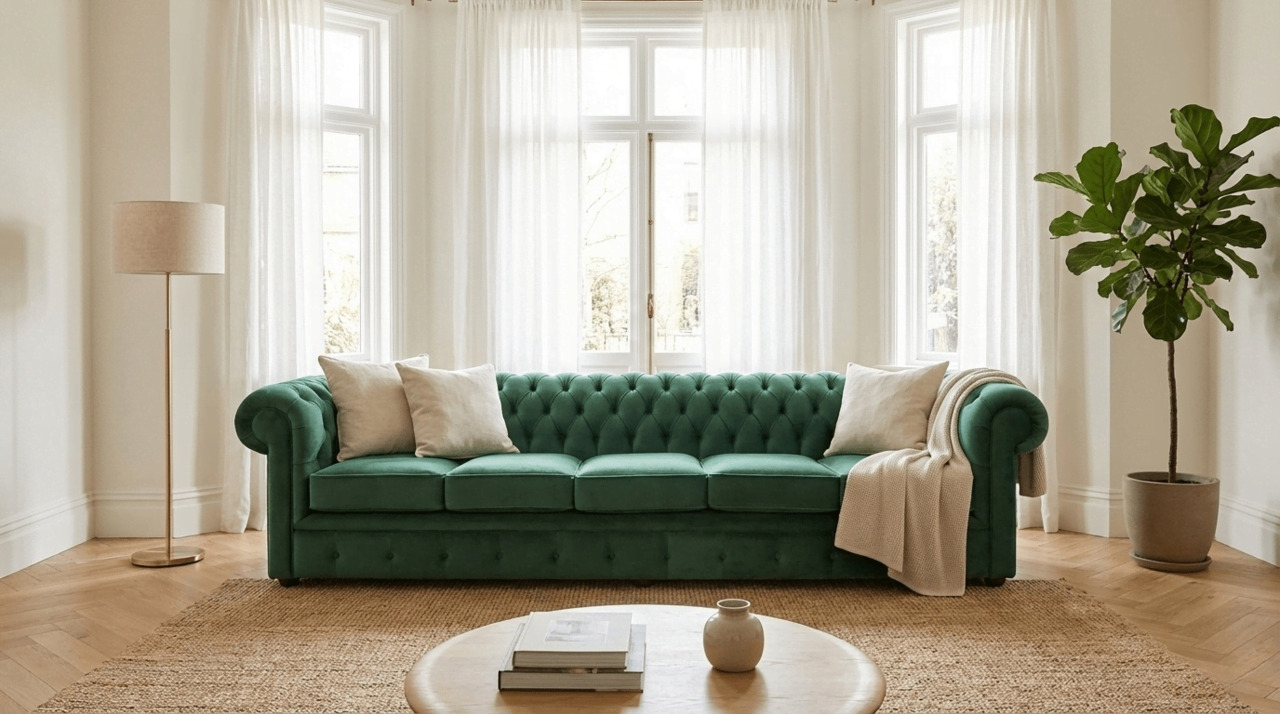
4- and 5-seat sofas
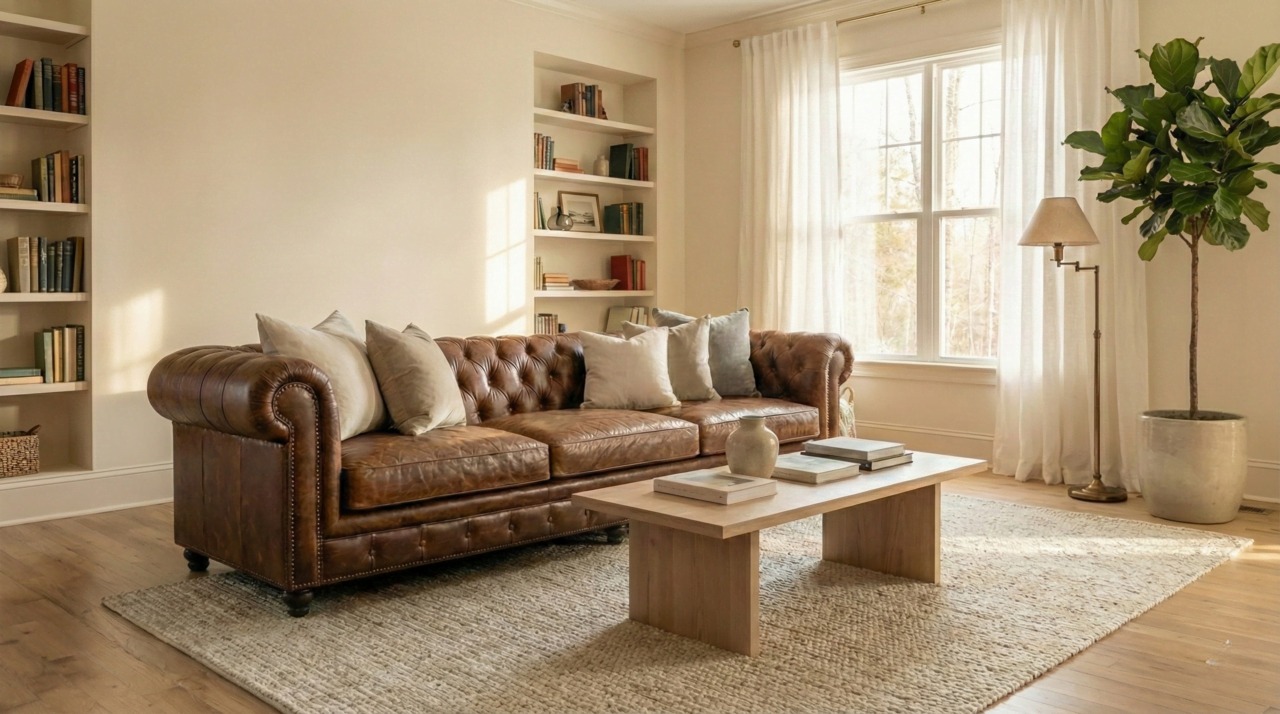
Larger sofas are well suited to family living rooms and wider spaces where seating capacity is a priority. They provide generous room for multiple people while acting as a strong visual anchor. Classic designs such as a 4 seat Chesterfield sofa or a 5 seat Chesterfield sofa combine scale with structured elegance.
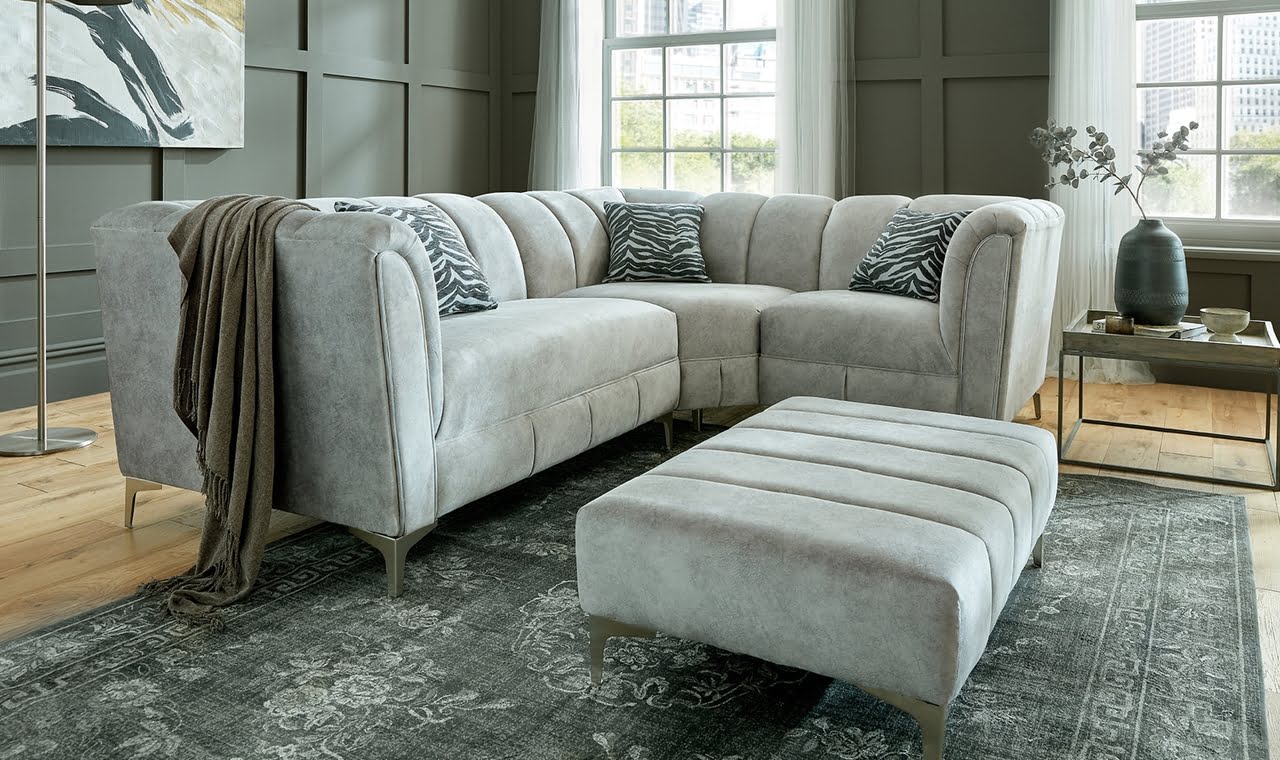
Corner and L-shaped sofas
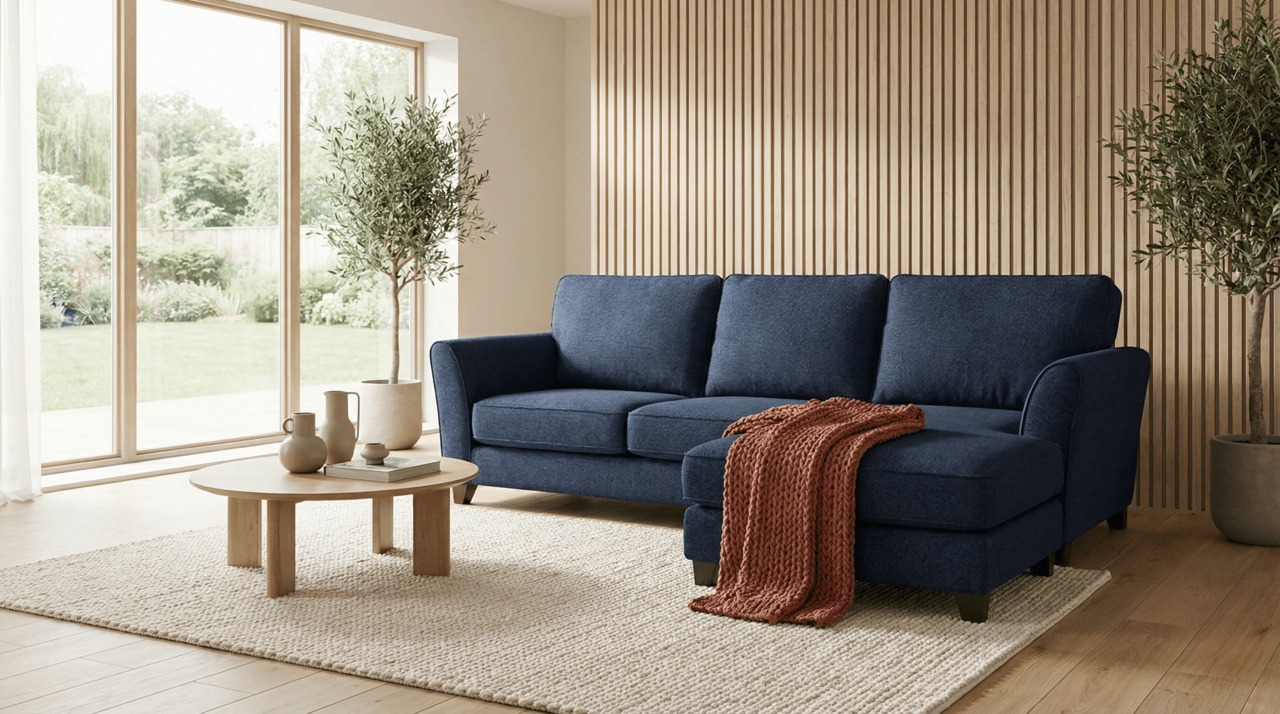
Corner designs are particularly effective in open-plan layouts. They help define seating zones, make efficient use of floor space, and reduce the need for additional furniture. Well-designed L-shape sofas are often chosen for relaxed living areas where layout and comfort need to work together.
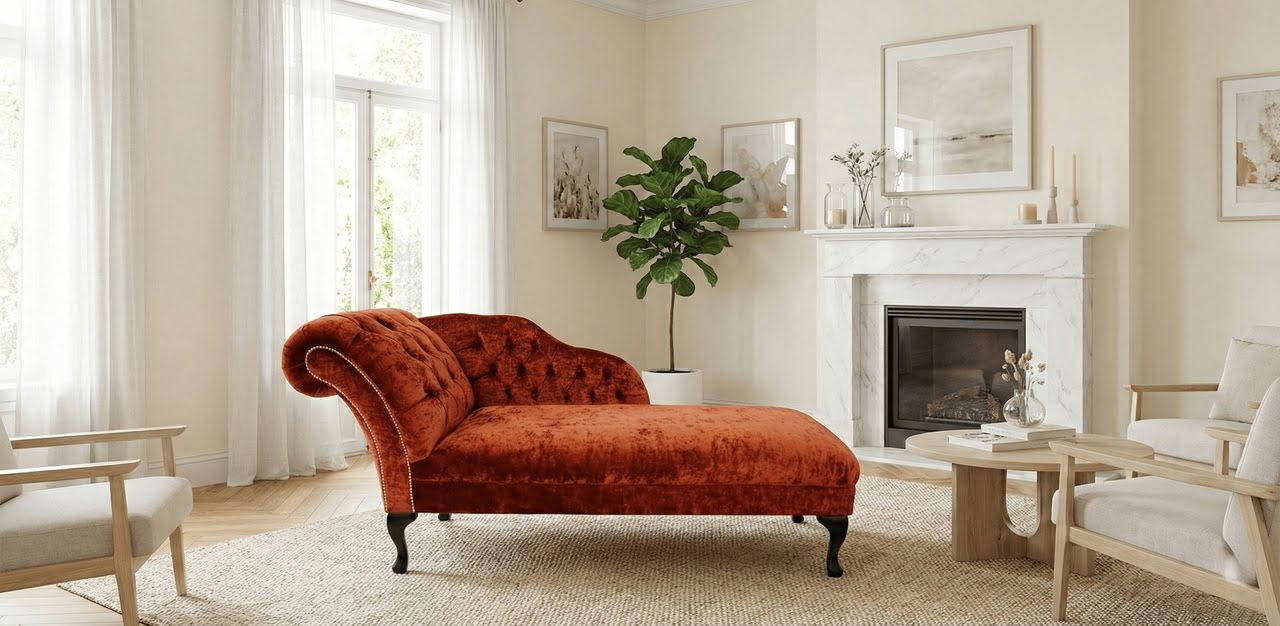
Chaise sofas
A chaise sofa introduces an extended seating section that is ideal for lounging. It provides more stretch-out space than a standard sofa while remaining visually lighter than a full corner unit. A chaise lounge works especially well along longer walls or in rooms designed around relaxation.
Sofa beds
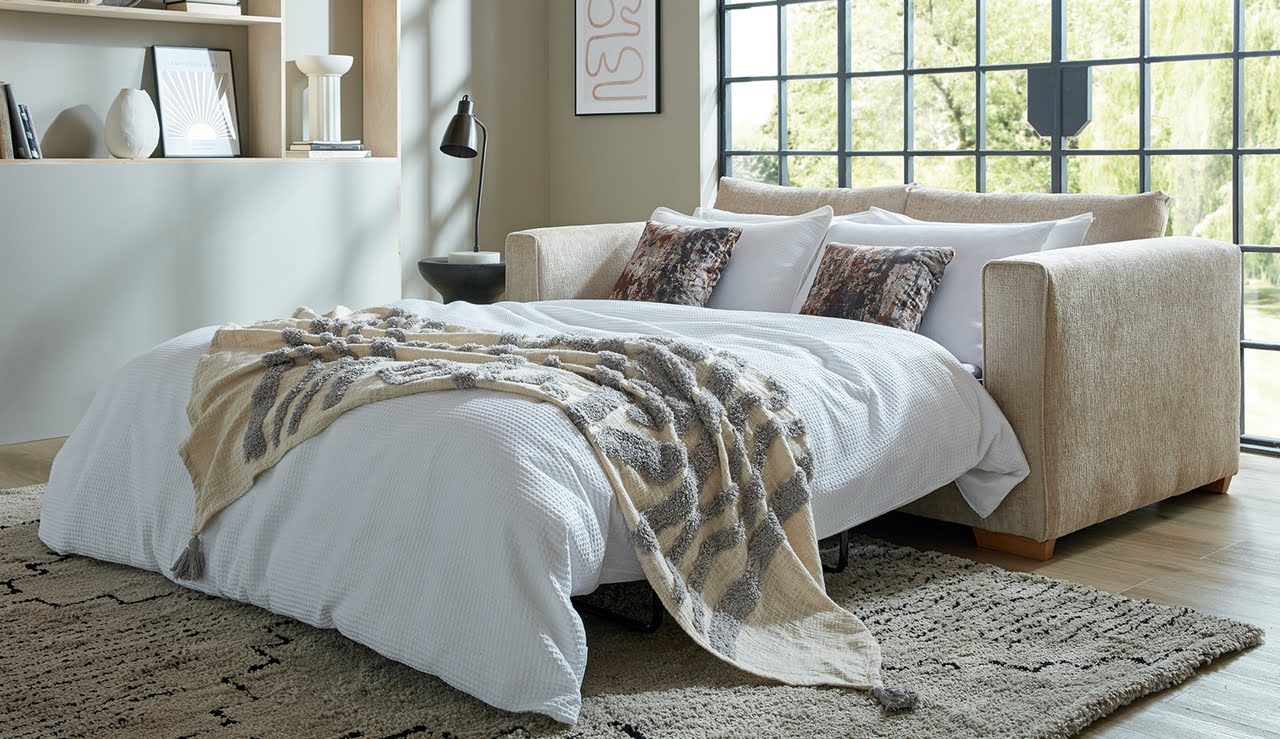
Sofa beds are a practical solution for homes that need flexibility. They function as everyday seating and convert into a sleeping space when required, making them ideal for guest rooms or multi-purpose living areas. Options such as Chesterfield sofa beds combine classic styling with practical functionality.
Recliner sofas
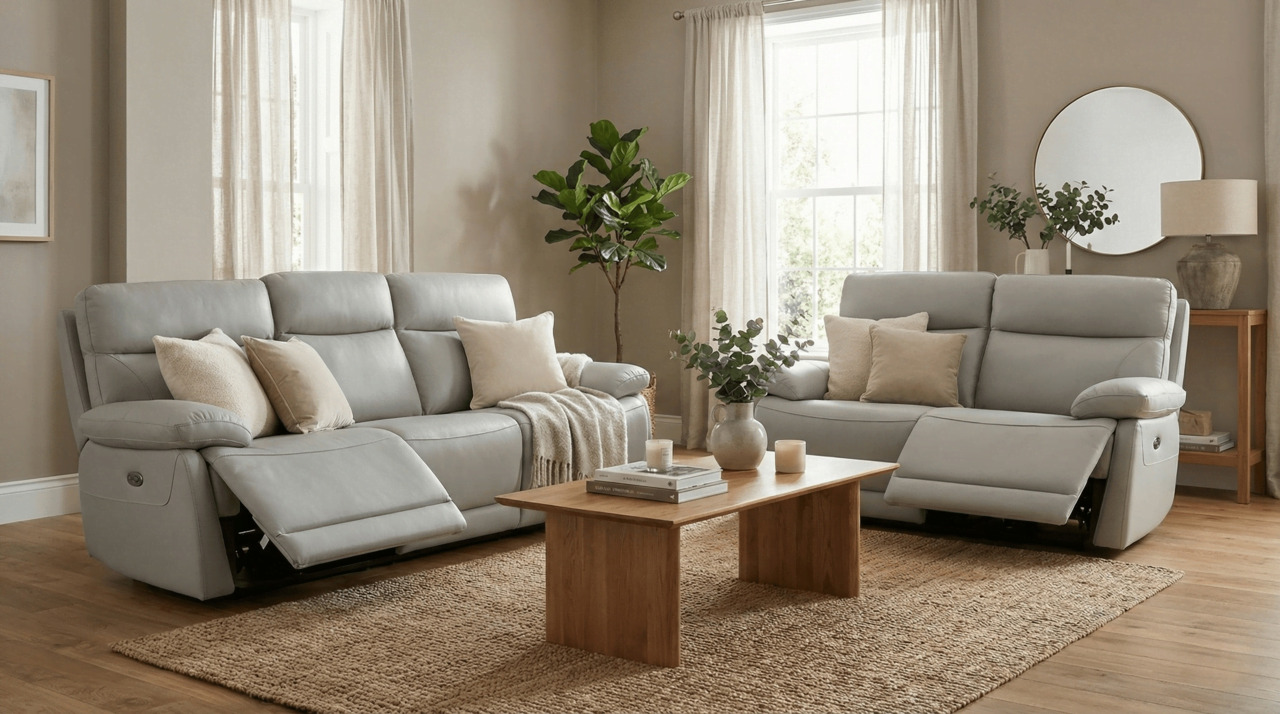
Recliners prioritise comfort, offering adjustable seating positions for relaxation. They suit living rooms where the sofa is used for extended periods, such as watching TV or reading. Well-balanced reclining sofas can fit into both modern and traditional interiors when chosen in the right size and material.
Modular sofas
Modular designs offer maximum flexibility. Individual sections can be rearranged to suit changing layouts or growing households, making them a long-term investment. Modular sofas are particularly well suited to open-plan spaces and evolving living needs.
Together, these sofa types cover a wide range of room sizes and lifestyles. Choosing between them depends on how much seating you need, how the room flows, and how you want the space to function on a daily basis.
Adjust Sofa Height and Seating Position
Seat height has a direct impact on comfort and ease of use. A sofa that sits too low can be difficult to stand up from, while one that is too high may feel less relaxing. The goal is to support a natural seating posture that suits both the room and the people using it.
Most sofas feel comfortable when the seat height allows feet to rest flat on the floor and knees to sit slightly higher than the hips. Taller users often prefer slightly higher seating, while shorter users may find lower profiles more comfortable.
Simple ways to improve seating comfort include:
- Choosing a sofa with suitable leg height at the buying stage
- Using discreet risers if the seat feels too low
- Adding a footstool to support legs during longer periods of sitting
- Using additional cushions to improve back or lumbar support and adjust seating depth
- Paying attention to cushion filling, as softer fillings compress over time
Small adjustments like these can make a noticeable difference, helping the sofa remain comfortable and practical for everyday use.
Final Checks Before Buying
Before completing a purchase, it is worth taking a few extra minutes to review the practical details that directly affect long-term satisfaction. These final checks often determine whether a new sofa feels like a good decision months and years down the line.
- Delivery access and manoeuvring space
Measure doorways, hallways, staircases, and tight corners to ensure the sofa can be delivered without damage or delays. This is especially important for larger designs such as corner or modular sofas. - Lead times and production schedules
Some sofas, particularly bespoke or made-to-order designs, may require longer lead times. Knowing this in advance helps with planning renovations or move-in dates. - Aftercare and maintenance guidance
Ask about recommended cleaning routines, cushion care, and long-term maintenance so the sofa retains its comfort and appearance. - Final questions and personal advice
If anything is unclear, it is always worth reaching out via contact us to confirm details before placing the order.
Taking these steps is one of the most effective couch buying tips you can follow and forms an important part of responsible sofa buying advice, ensuring your choice remains a positive one well beyond the initial delivery.
Conclusion
A good sofa choice comes down to getting the basics right: accurate measurements, the right material for your lifestyle, and a style that works with the room rather than against it. When comfort, durability, and design are balanced properly, the sofa becomes a reliable part of everyday living, not something that needs replacing after a short time.
Using this sofa buying guide helps narrow the options and focus on what genuinely matters before buying. If you want to explore different sofa styles, materials, and layouts in more detail, you can browse the full collection at Designer Sofas 4U. For hands-on guidance, comparing seat depth, cushion filling, and finishes in person, you can also book a visit to the Blackburn showroom here.
FAQ
How Do I Choose the Right Sofa for My Room?
Understanding how to choose a sofa starts with the room itself. Measure the available space carefully, including walkways, door openings, and sightlines, then consider how the sofa will be used day to day. A well-structured sofa buying guide approach helps connect room proportions with practical decisions, ensuring the sofa fits comfortably without disrupting the flow or balance of the space.
What Are the Most Popular Sofa Materials?
When comparing sofa materials, fabric, leather, and velvet remain the most widely chosen options. Fabric offers everyday comfort and versatility, leather is valued for durability and easy care, while velvet brings added texture and visual warmth. Knowing how to choose sofa material depends on lifestyle factors such as pets, children, and how intensively the sofa will be used.
Are Modular Sofas a Good Long-Term Choice?
Modular designs are one of the most adaptable sofa types available today. They allow sections to be rearranged, added, or removed as needs change. Among the different types of sofa, modular options are particularly well suited to open-plan living and households that value flexibility over time.
Should Comfort or Design Matter More When Buying a Sofa?
The best sofa buying advice is to avoid choosing one over the other. Comfort determines how enjoyable the sofa is to use every day, while design affects how well it integrates with the room. Seat depth, cushion filling, and support should work alongside the overall look so the sofa feels as good as it looks. With such a wide range of sofa styles and configurations available today, it is entirely possible to find a design that delivers both comfort and visual appeal without compromise.
Is It Worth Seeing Sofas in Person Before Buying?
Seeing sofas in person can make a significant difference, especially when deciding how to choose the right size couch or comparing different sofa styles. Sitting on a sofa allows you to assess firmness, seat height, and materials more accurately than photos alone. Visiting the Designer Sofas 4U showroom in Blackburn offers the opportunity to explore options and receive personalised guidance before making a final decision.
However, if visiting in person is not possible, there is no need to worry. Modern tools make it easier than ever to understand every detail of the sofas you are considering. Detailed photos, videos, expert advice, and even video consultations allow you to explore specific models closely, ask questions, and see key features demonstrated, helping you make a confident choice from anywhere.