
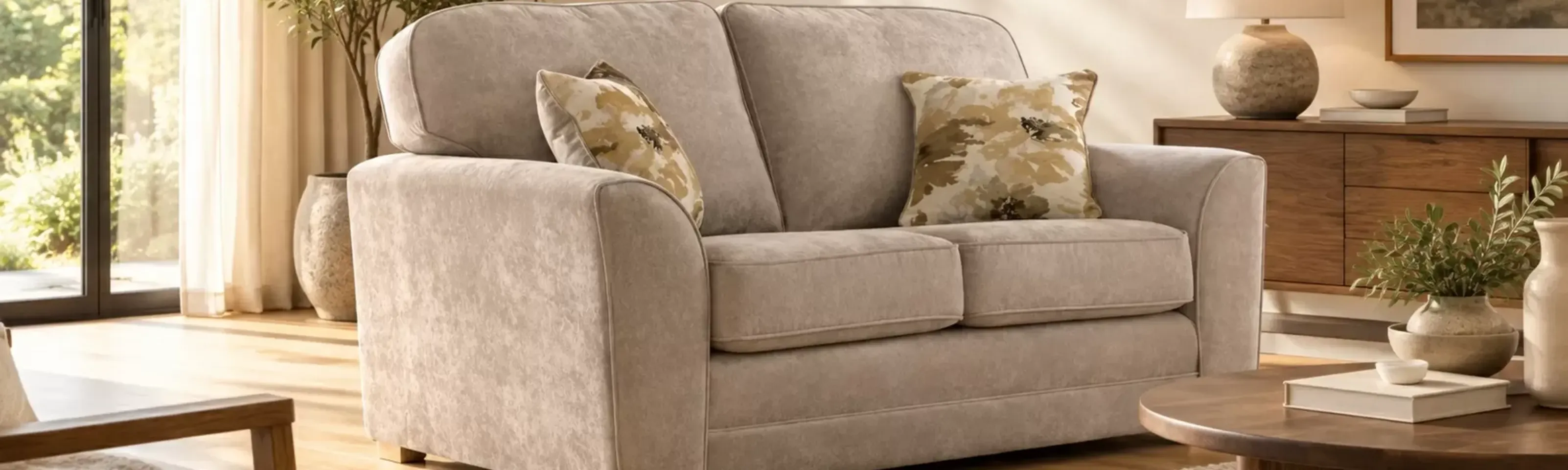
Taupe Sofa Living Room Ideas: Make This Neutral Warm and Stylish
The best taupe sofa living room ideas use this versatile neutral as a foundation rather than treating it as a colour that has to blend quietly into the background. Taupe sits somewhere between beige, grey and brown, which means it can feel warm and cosy, clean and modern, or elegant and classic depending on what you place around it.
That flexibility is one of its biggest strengths. A taupe couch can stay relevant as your tastes change because you can refresh the room with a new rug, cushions, artwork or wall colour instead of replacing the main piece of furniture.
At Designer Sofas 4U, we work with sofas in a wide range of colours, materials and styles, and neutral seating remains particularly useful when you want freedom with the rest of your interior. This guide shows how to turn taupe into a warm, interesting and comfortable living room rather than a room that simply feels beige.
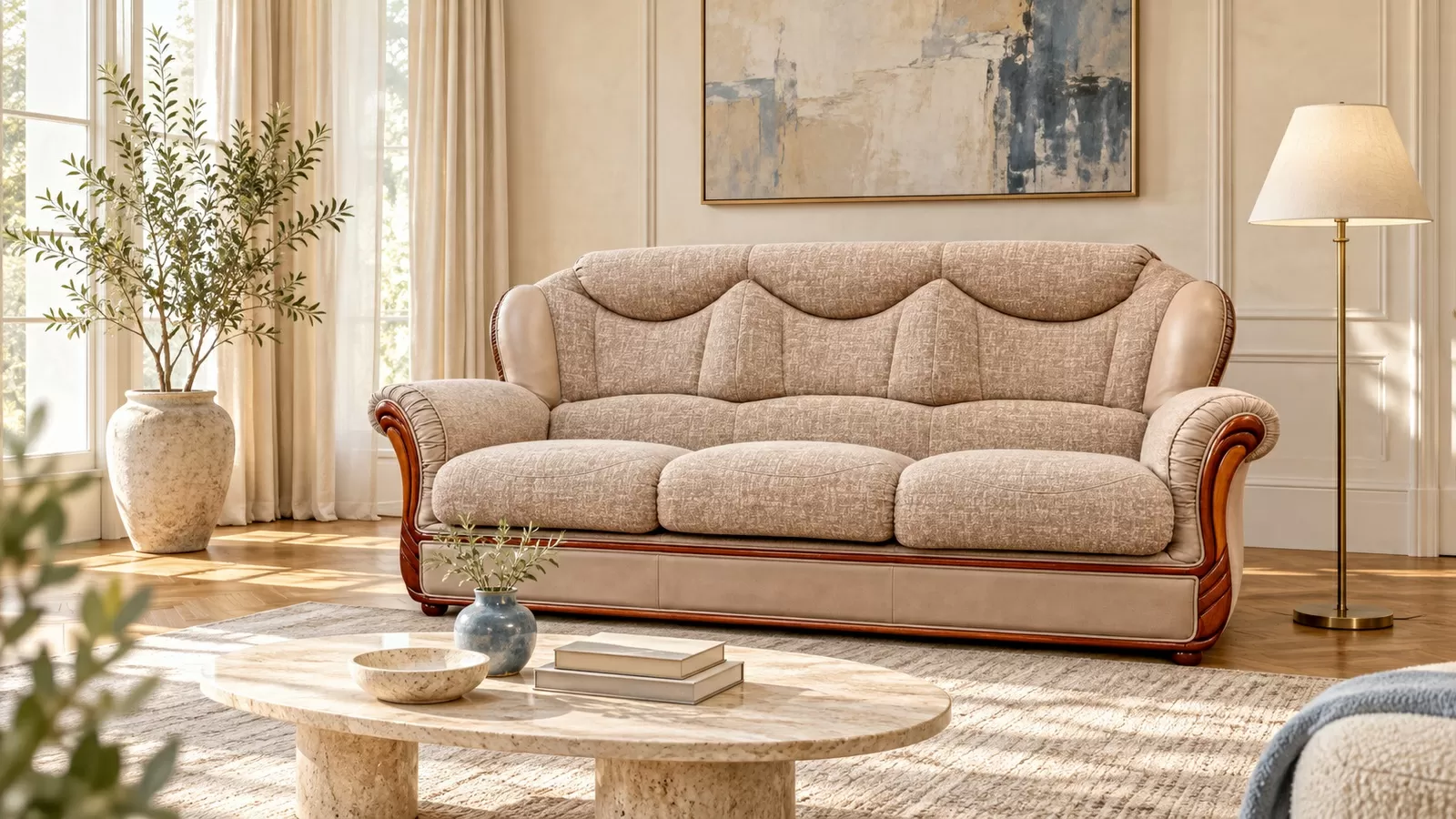
Taupe Sofa Living Room Ideas: Start with the Mood You Want
Before choosing accessories, decide how you want the room to feel.
Taupe works with several very different directions:
- Warm and natural: cream, olive, tan and wood
- Light and contemporary: warm white, pale grey and black details
- Soft and elegant: blush, ivory and muted gold
- Rich and dramatic: navy, forest green or charcoal
- Traditional: dark wood, patterned rugs and antique brass
This makes taupe easier to adapt than many stronger sofa colours.
If you are still choosing the material as well as the shade, compare the character of fabric sofas with leather sofas. Taupe fabric usually feels softer and more relaxed, while taupe leather can give the room a cleaner, more structured look.
What Colour Goes with Taupe Sofa?
Almost any muted colour can work, but the best combination depends on whether your taupe leans warm or cool.
Some of the easiest colours that go with taupe sofa upholstery are:
| Colour | Effect in the room |
|---|---|
| Cream and ivory | Light, calm and timeless |
| Olive and sage | Natural and relaxed |
| Navy | Stronger contrast and depth |
| Dusty pink | Soft and elegant |
| Terracotta | Warm and earthy |
| Black | Clean, contemporary contrast |
| Chocolate brown | Rich and traditional |
| Soft blue | Fresh and understated |
A useful rule is to choose one main supporting colour rather than introducing several equally strong accents.
For example, taupe + cream + olive feels calm and natural. Taupe + ivory + navy feels sharper. Taupe + blush + warm brass creates a softer scheme.
The sofa remains the neutral anchor while the third colour gives the room personality.
1. Keep the Walls Warm and Light
Warm white, ivory and soft cream are safe choices when you want the sofa to stand out slightly without creating a dramatic contrast.
They are particularly useful in smaller rooms because they reflect light and prevent taupe from making the room feel too brown or heavy.
Avoid automatically choosing brilliant white. Depending on the sofa, a very cool white can make warm taupe look duller. A softer off-white often creates a more harmonious colour scheme.
If your sofa has a cooler grey undertone, however, pale grey or a clean white may work beautifully.
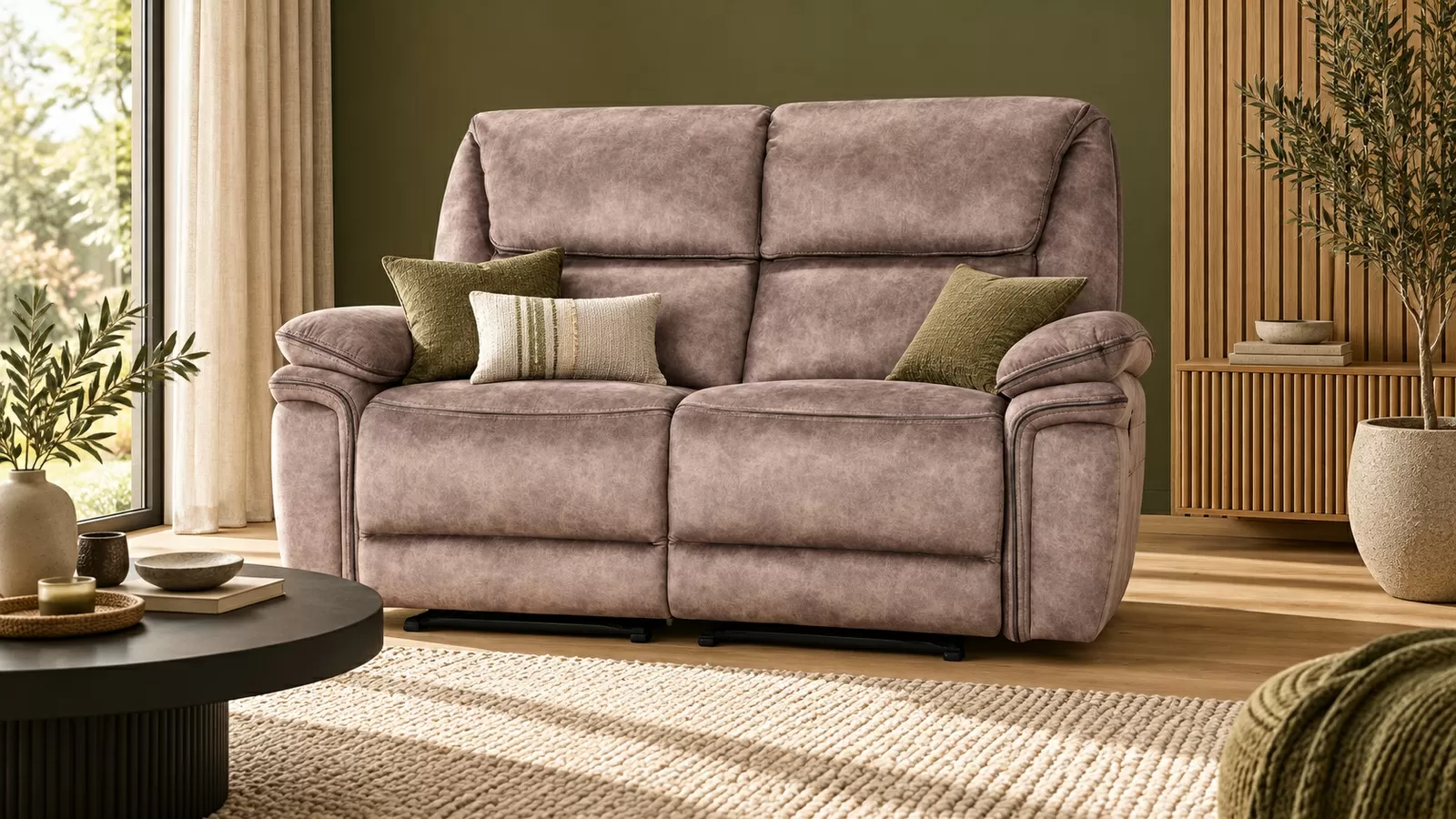
2. Add Olive or Sage for a Natural Look
Green and taupe are easy partners.
Sage keeps the room light, while olive gives it more depth. You can introduce green through:
- an accent chair;
- curtains;
- pillows;
- plants;
- ceramics;
- framed pictures.
Natural wood completes this palette particularly well.
These living room ideas with taupe sofa seating suit homes where you want the room to feel calm and lived-in rather than overly formal.
3. Use Navy for Stronger Contrast
If you like taupe but worry that an entirely neutral room might feel flat, navy is an easy answer.
A navy armchair or curtains can add depth without making the room overly colourful. You can also keep the furniture neutral and introduce blue only through cushions and artwork.
A pair of statement chairs can help build a conversation area around the sofa. The Chesterfield chairs collection is worth considering if you want a stronger traditional shape beside a simpler neutral sofa.
Try not to use navy everywhere. A few darker elements have more impact when there is plenty of taupe, cream and natural texture around them.
4. Warm Taupe with Terracotta and Rust
Terracotta, burnt orange and rust bring warmth to taupe without creating a harsh contrast.
Try:
- rust-coloured cushions;
- a terracotta vase;
- warm-toned artwork;
- a patterned rug;
- one statement chair.
These colours work especially well with walnut, oak and darker woods.
If you enjoy warmer, characterful schemes, Retro Living Room Ideas also offers inspiration for combining furniture, earthy colours and vintage-inspired details.
This is one of the easiest taupe couch decorating ideas for creating a room that feels welcoming rather than too carefully coordinated.
5. Choose the Rug Before the Small Accessories
A rug has a much larger visual impact than one or two cushions, so choose it early in the design process.
If you want a calm interior, consider:
- cream;
- oatmeal;
- beige;
- light grey;
- faded traditional patterns.
For more contrast, try:
- navy details;
- olive;
- terracotta;
- charcoal patterns.
If you are searching for the best rug color for taupe sofa, there is no single answer. The best choice is usually one that creates some separation from the upholstery. A taupe rug that matches the sofa too closely can make the entire seating area merge together.
A cream rug beneath a medium taupe sofa is simple and bright. A patterned rug can add more charm to a traditional room.
6. Mix Cushion Colours and Textures
Taupe is a useful background for cushions because it does not compete with pattern or texture.
Instead of buying several matching cushions, try combining:
- one plain cream cushion;
- one olive or navy velvet cushion;
- one subtle patterned cushion;
- a textured throw.
Velvet, linen, boucle and woven fabrics all create slightly different effects.
The key is to leave enough of the sofa visible. Too many accessories can hide the shape of the settee and reduce usable seating.
For more detailed styling ideas, see our guide on how to arrange cushions on a sofa.
7. Layer Taupe with Natural Materials
A neutral sofa becomes much more interesting when different materials surround it.
Combine taupe with:
- oak or walnut;
- woven baskets;
- linen curtains;
- wool rugs;
- stone or ceramic accessories;
- brass or black metal lighting.
This creates depth without relying on lots of colour.
It is particularly useful for a modern interior where you want the palette to stay quiet but not look empty.
Natural materials can also make a more formal sofa feel comfy and welcoming.
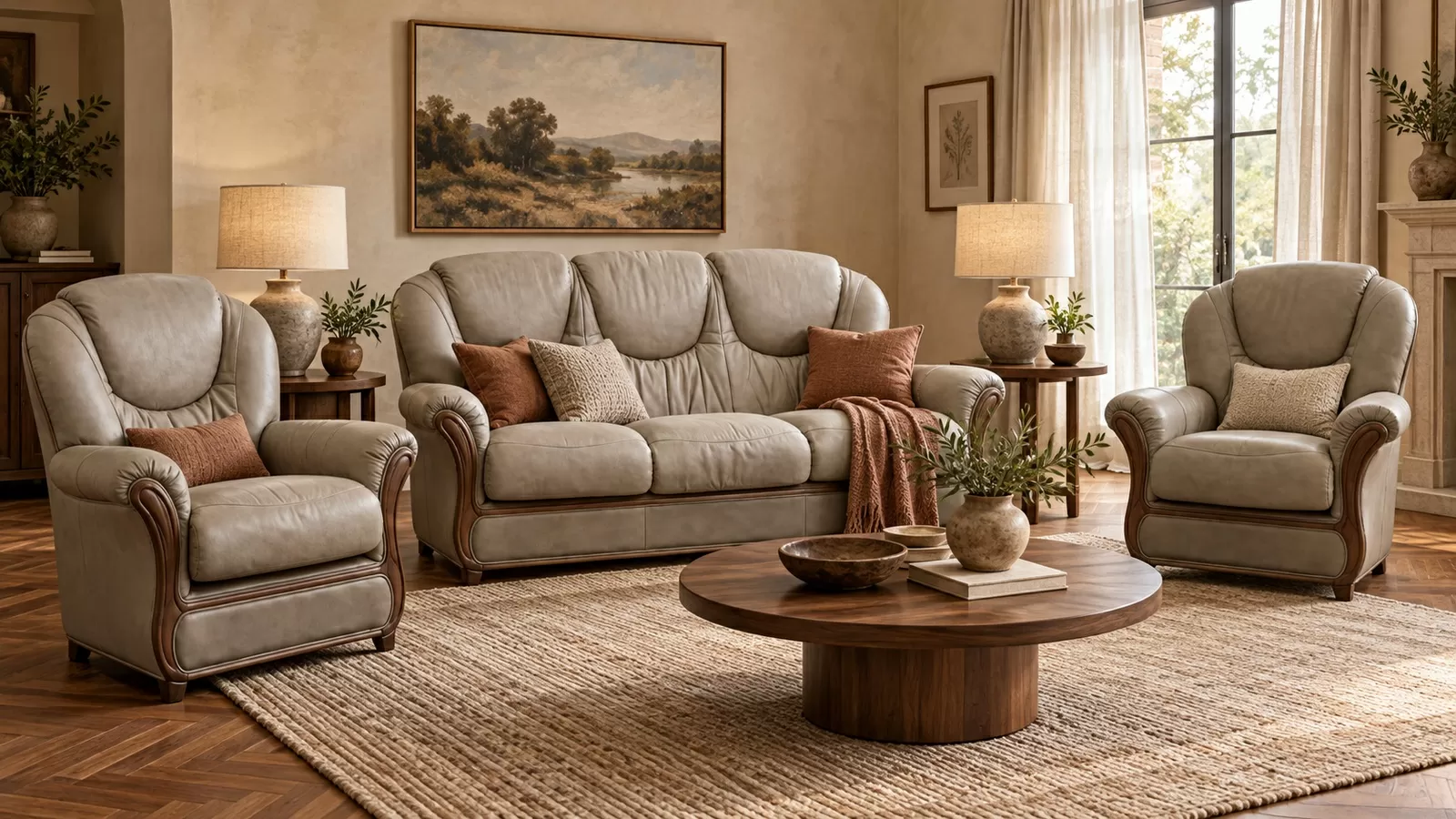
8. Try a Dark Accent Wall
A taupe sofa does not always need pale walls.
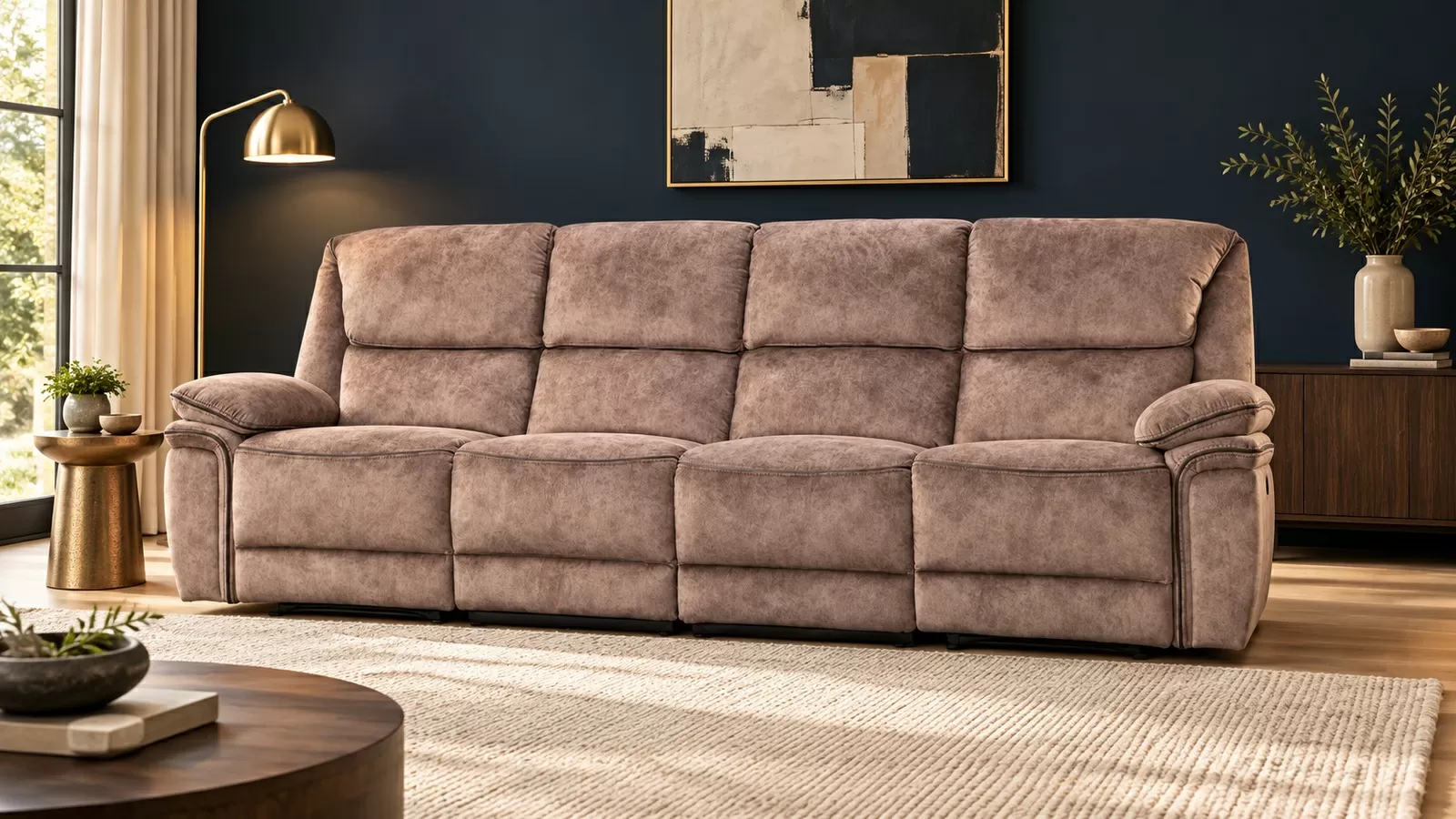
Deep green, charcoal, navy or chocolate can create a stunning backdrop, especially in a room with plenty of daylight.
Keep the rest of the room lighter so the combination does not become too heavy. For example:
dark green wall + taupe sofa + cream rug + warm wood + brass lamp
This gives the neutral sofa considerably more presence.
In a larger open-plan space, colour can also help define the living area. Our article on Best Sofas for Open Plan Living has additional ideas for arranging seating within a multifunctional room.
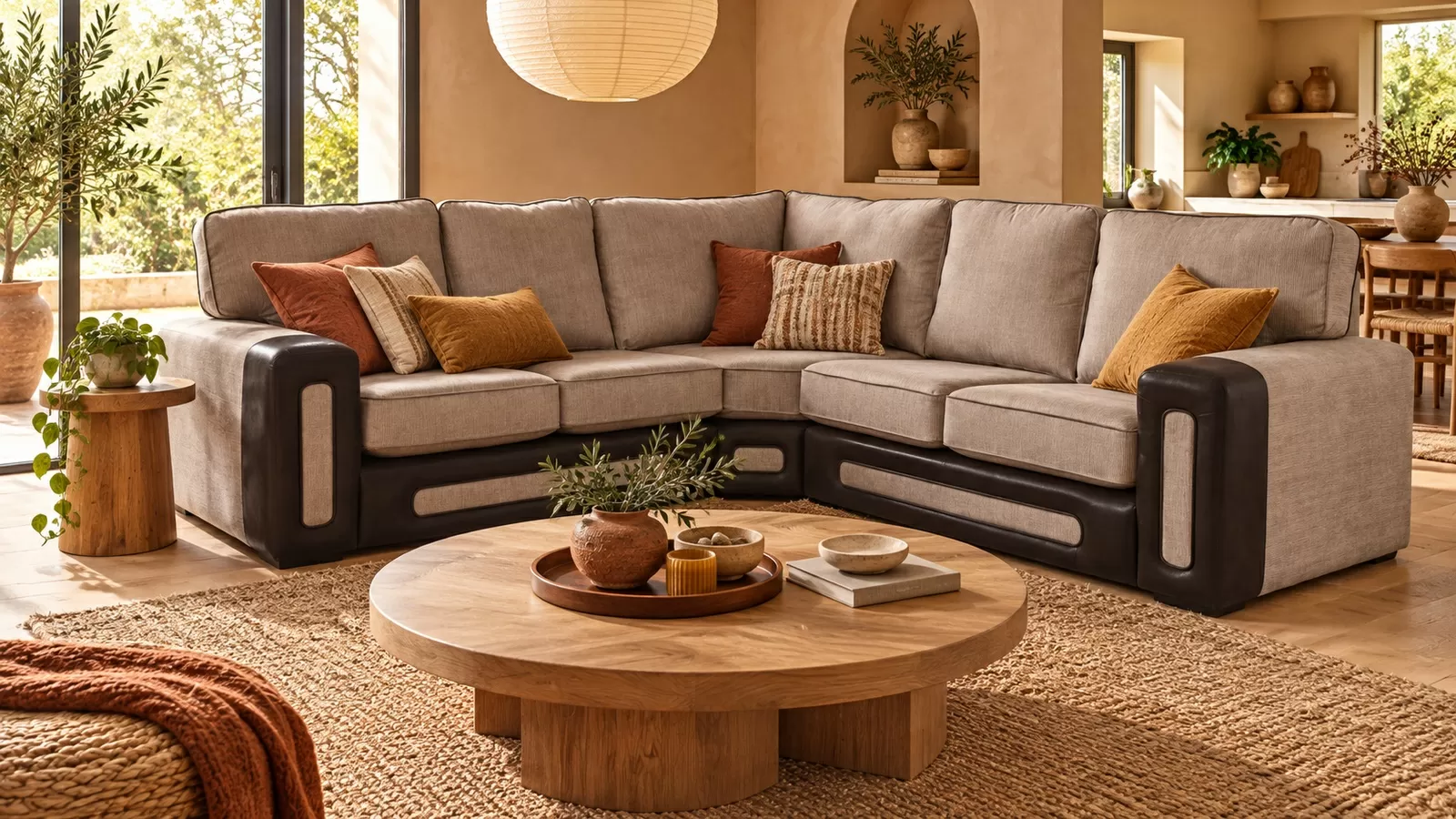
9. Use a Corner Sofa to Make Taupe Feel More Substantial
Because taupe is quiet visually, it works particularly well on larger furniture.
A taupe corner sofa can provide generous seating without making the room feel dominated by a very strong colour.
Add contrast through a rug, coffee table and occasional chair rather than choosing another large taupe piece.
If you are planning an L-shaped layout, see Living Room Ideas with a Corner Sofa for practical advice on positioning and proportion.
The same principle works with a chaise sofa: let the larger piece remain neutral and use smaller accessories for colour.
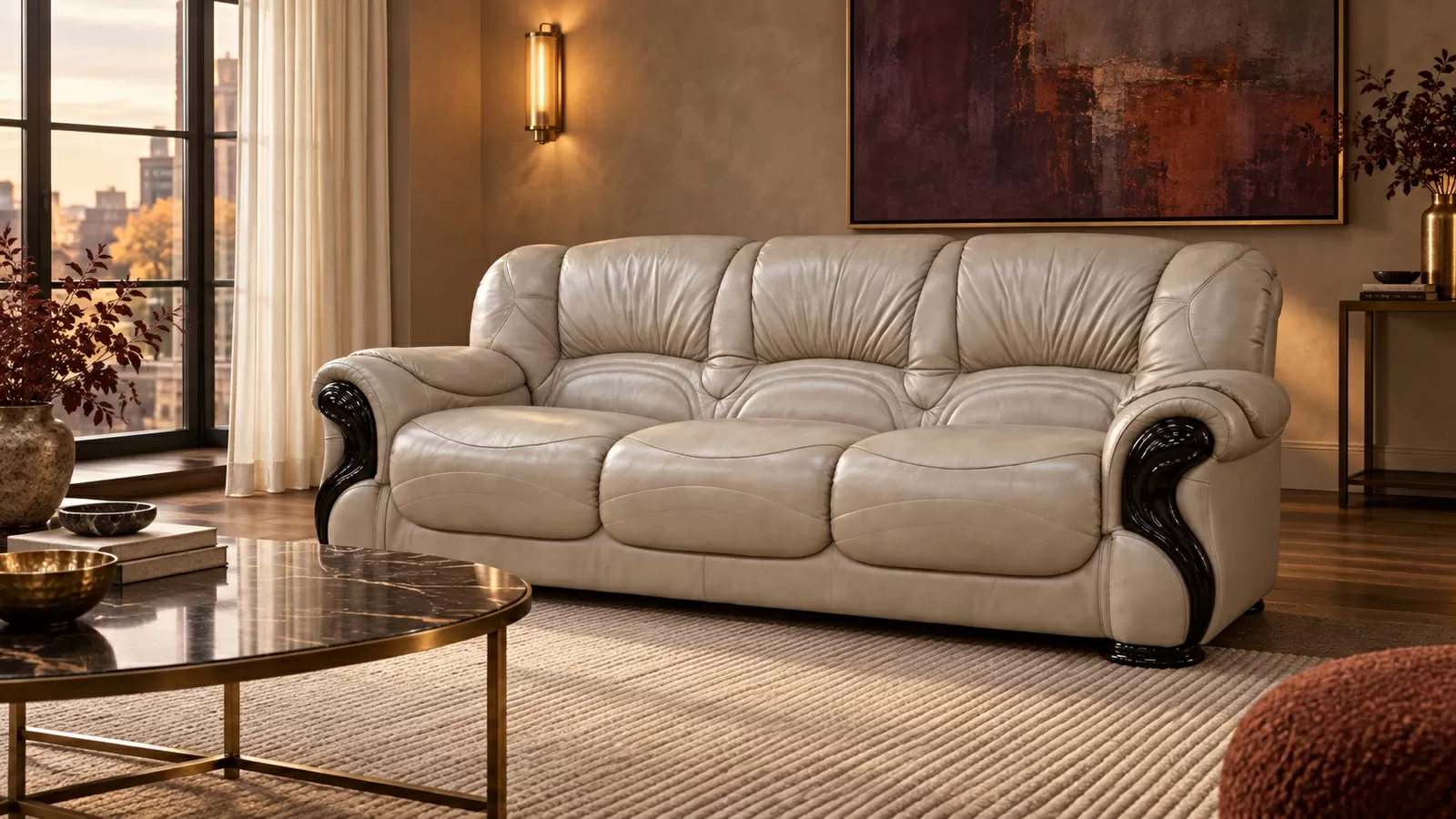
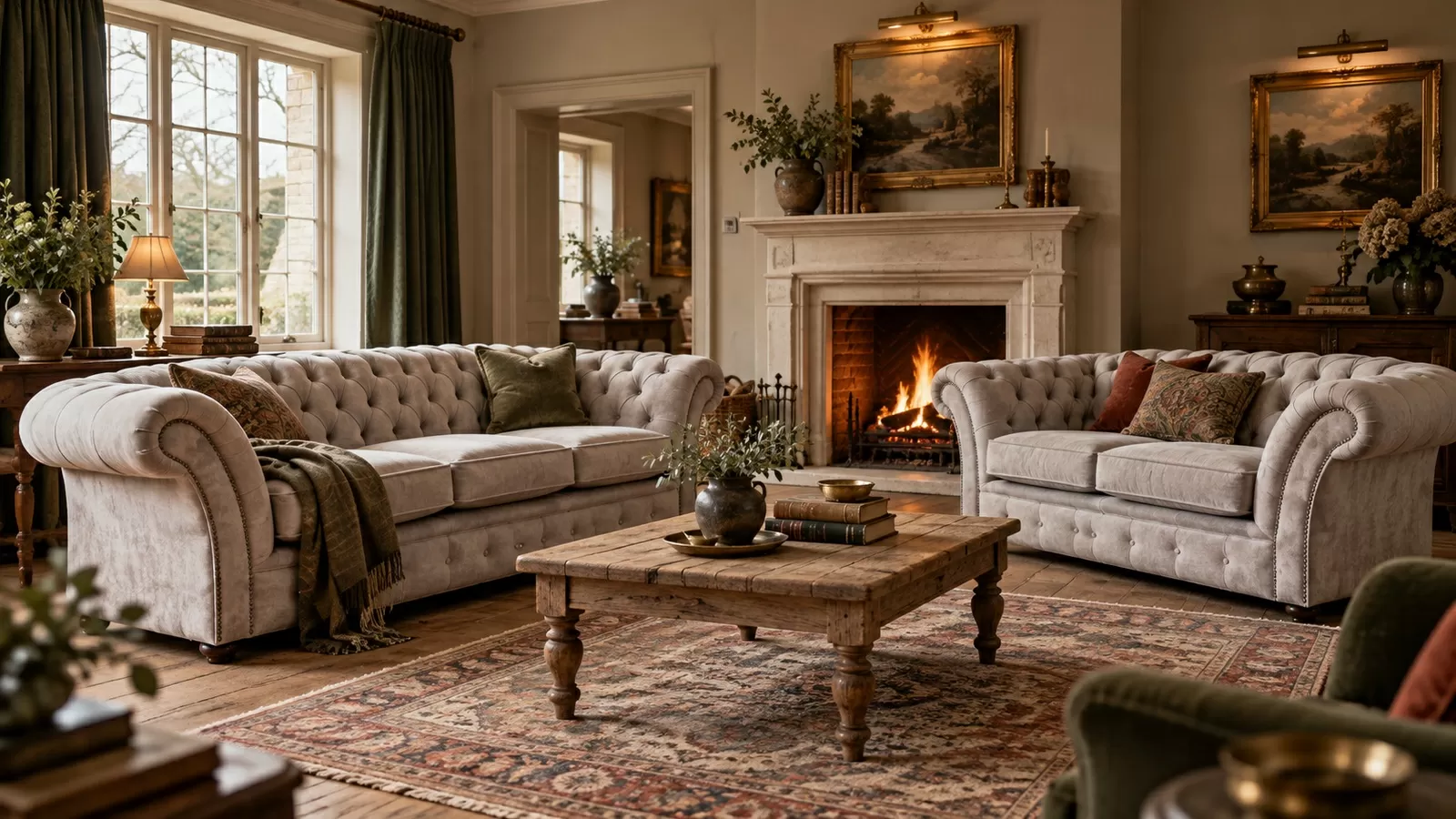
10. Make Taupe Work in a Traditional Room
Taupe is sometimes associated with modern interiors, but it also suits traditional furniture.
Pair it with:
- dark wood;
- antique brass;
- classic lamps;
- patterned rugs;
- framed artwork;
- deeper green or burgundy accents.
A traditional taupe sofa can feel softer than brown leather while still sitting comfortably alongside substantial wooden furniture.
The result can be elegant and timeless without feeling too formal.
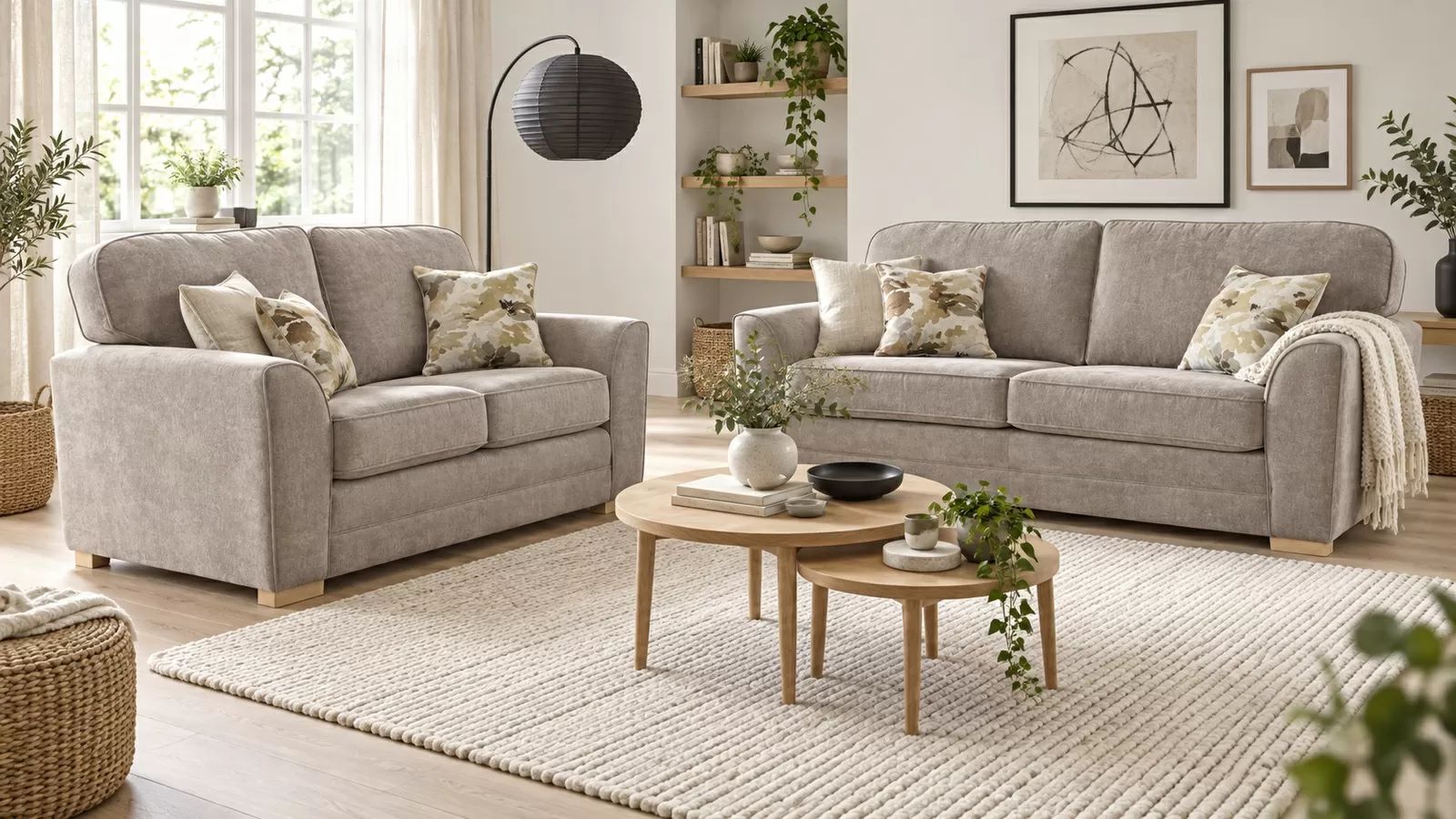
11. Keep a Modern Scheme Simple
For a cleaner contemporary room, use fewer colours.
A simple palette could be:
taupe + warm white + black + pale oak
Choose furniture with clean lines and leave some visual breathing room between pieces.
A large abstract picture, sculptural lamp or black-framed mirror can provide enough contrast without filling every surface with decor.
This approach is useful if you want the comfort of a neutral sofa but prefer uncluttered interiors.
12. Think About How the Sofa Functions
Do not focus only on colour.
The right shape depends on the way the room is used.
A straight sofa is easy to combine with separate chairs. A corner sofa offers more seating in one piece. A chaise sofa gives you somewhere to stretch out, while a sofa bed can add occasional sleeping space without requiring a separate guest room.
Taupe works across all of these formats because it is visually adaptable.
A larger taupe piece can remain in the room for years while smaller accessories change with your taste.
Bring the Whole Taupe Scheme Together
The most successful taupe sofa living room ideas rely on contrast, texture and proportion rather than filling the room with different colours.
Start with the sofa and walls. Then choose the rug and larger furniture. Add curtains and lighting before deciding on the smallest decorative pieces.
A good order is:
- sofa;
- walls;
- rug;
- other furniture;
- curtains;
- lighting;
- cushions and accessories.
This prevents one small decorative item from dictating the whole room.
Taupe gives you plenty of freedom, so there is no need to complete everything at once. Start with a neutral base and add personality gradually.
If you are deciding between different furniture styles, materials or layouts, you can also contact the Designer Sofas 4U team for help choosing an option that suits your room.
FAQ
What Colour Rug Goes with Taupe Couch?
Cream, oatmeal, warm beige and soft grey rugs all work well if you want a calm, neutral room. For more contrast, choose a rug with navy, olive, rust or charcoal details.
Try to create some separation between the sofa and floor. If both are almost exactly the same taupe shade, the furniture can lose definition. Pattern and texture are also useful when you want to keep the overall palette neutral.
What Colour Cushions Go with Taupe Sofa?
Taupe works with a wide range of cushion colours, including cream, olive, sage, navy, terracotta, dusty pink and chocolate brown.
Choose two or three shades rather than using every colour at once. Mixing different textures can also make a simple palette more interesting — for example, a cream boucle cushion, an olive velvet cushion and one patterned design.
Is Taupe a Warm or Cool Colour?
Taupe can be either. Some shades contain more brown or beige and feel warm, while others contain more grey and feel cooler. Look at the sofa in your actual room before choosing wall paint or accessories, because natural and artificial light can change how the colour appears.
Does Taupe Work in a Small Living Room?
Yes. Taupe is neutral enough to work well in compact rooms, especially when combined with pale walls and a lighter rug. Keep large surfaces simple and introduce stronger colour through smaller accessories so the room remains open and balanced.
Can You Mix Grey and Taupe Furniture?
Yes. The combination works best when the undertones relate to each other. A warm grey usually sits more naturally beside warm taupe than a very cool blue-grey. Cream, black or natural wood can then help connect the two colours.
How Do You Make a Taupe Sofa Look Less Plain?
Use texture rather than adding lots of colour. A patterned rug, velvet cushions, a knitted throw, wood furniture and layered lighting can completely change the look of a simple taupe sofa. One stronger accent colour can then give the room a clear focal point.