
.jpg)
Best Sofas for Small Living Rooms: Smart Space-Saving Ideas
Small living rooms are a reality for many UK homes, including tiny flats and modern apartments where every centimetre matters. Choosing the best sofas for small living rooms is not just about fitting furniture in — it’s about shaping a layout that feels natural, practical and comfortable without overwhelming your home even in a small area.
In 2026, the focus has shifted from simply saving room to creating interiors that feel balanced and easy to live in. The right sofa should support your daily routine, fit your layout properly and bring together comfort, design and overall style.
Why Choosing the Right Sofa Matters in a Small Living Room
In a compact living room, the sofa is the central element that determines how the layout works.
Poor choices usually come down to proportion. A sofa that is too large can restrict movement and block natural light, while bulky designs may take up valuable area without improving usability.
At the same time, ignoring function can make everyday use less practical. In smaller homes, the sofa often needs to do more than just provide seating.
A well-balanced piece improves movement, supports comfort and helps the room feel organised rather than crowded.
What to Look for in a Sofa for Small Spaces
Size and Proportions — Getting the Dimensions Right
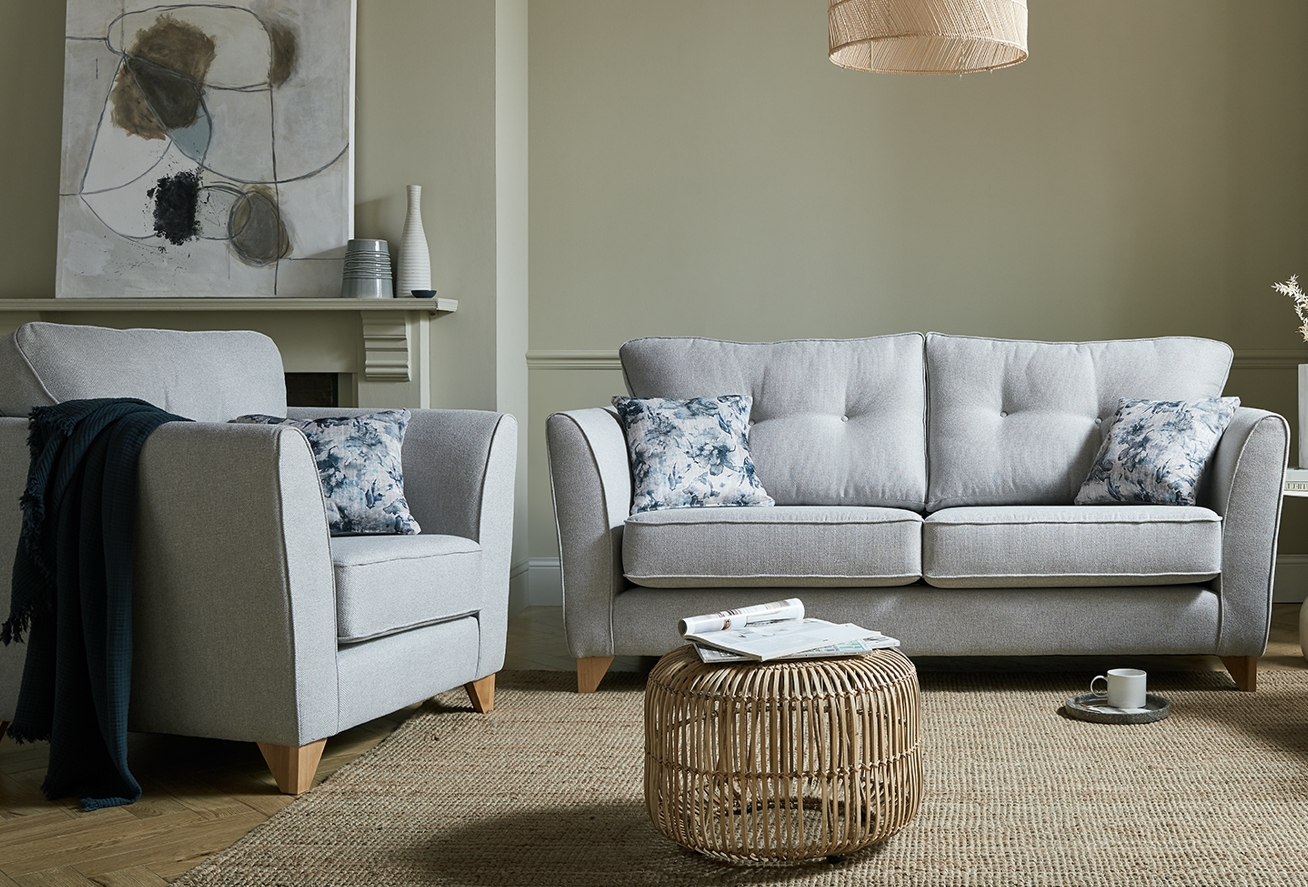
Accurate dimensions are the starting point. In compact layouts, depth matters just as much as width, and slightly shallower designs can improve usability without affecting comfort.
Think carefully about how many seats you actually need. A well-sized two-seater often works better than trying to fit a larger sofa into a limited layout.
Multi-Functionality — Making Furniture Work Harder
In smaller interiors, every piece of furniture should serve more than one purpose. This is where a sectional sofa or adaptable design becomes useful.
Storage, flexible layouts and dual-purpose features reduce the need for additional furniture and help maintain a clean, uncluttered look.
Leg Design and Visual Lightness
Small design details influence the overall aesthetics of a room.
Raised legs create a lighter visual effect and allow more of the floor to remain visible, which helps the interior feel less heavy.
Upholstery and Colour Choices
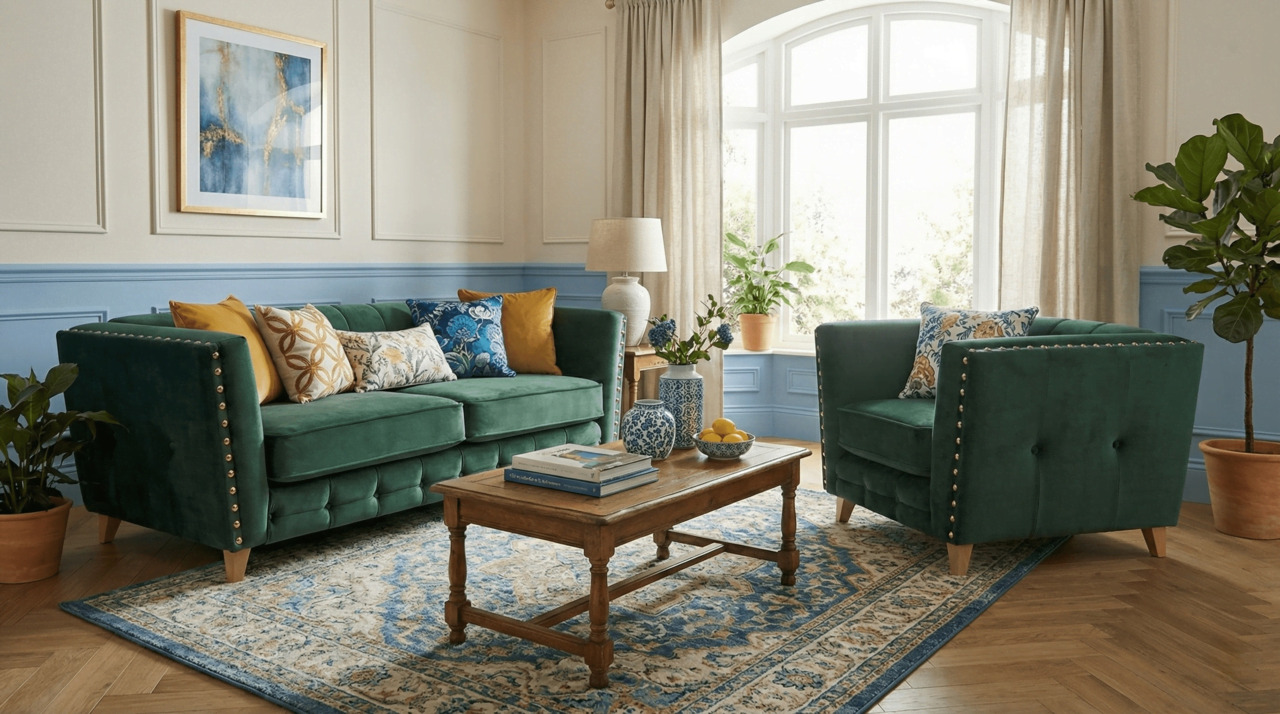
The choice of material and colour plays a major role in the overall design.
- Fabric creates a softer, more relaxed look
- Leather improves durability and is easy to maintain
- Velvet adds a refined, more decorative finish
Lighter tones reflect more light, while darker shades introduce contrast but should be used carefully in a compact layout.
Shape Matters — Choosing the Right Configuration
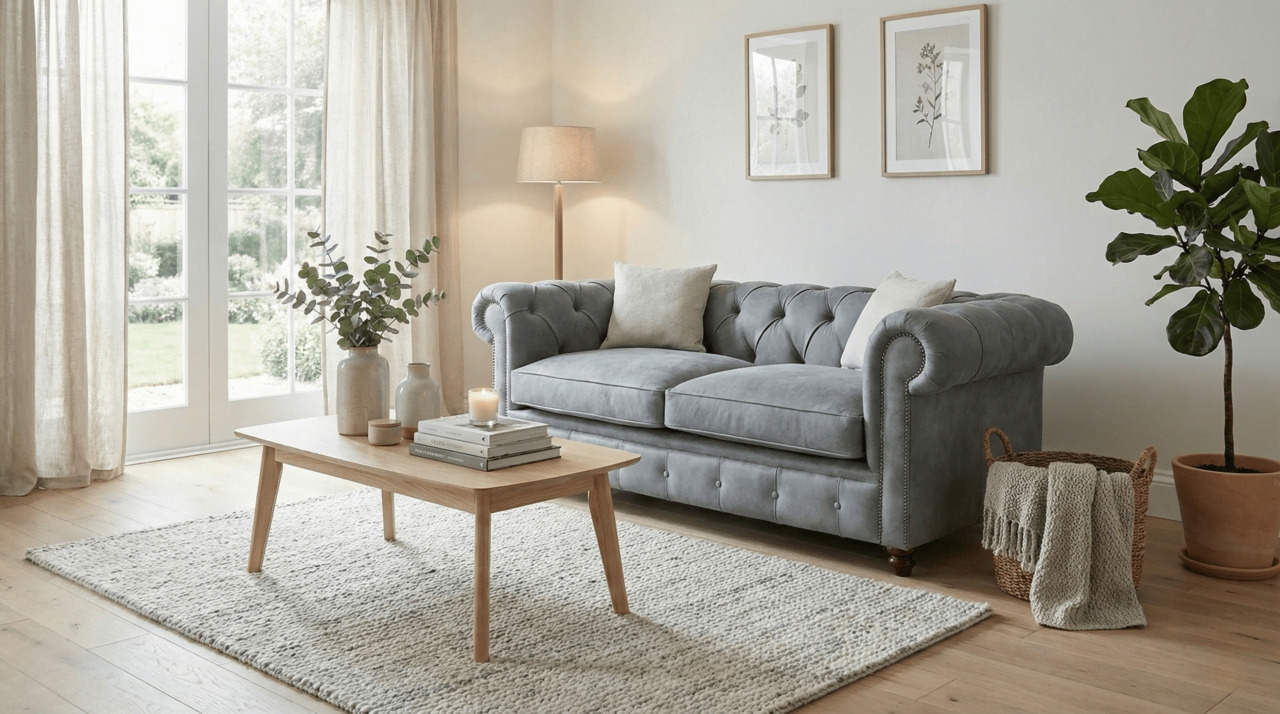
Shape should be selected based on layout efficiency, not just appearance.
Straight sofas are the most versatile. An l shaped sofa works well in square rooms by using corners efficiently, while curved designs are less practical in tighter layouts.
Maximising Seating Without Overcrowding: Best Corner Sofa for Small Living Room Layouts
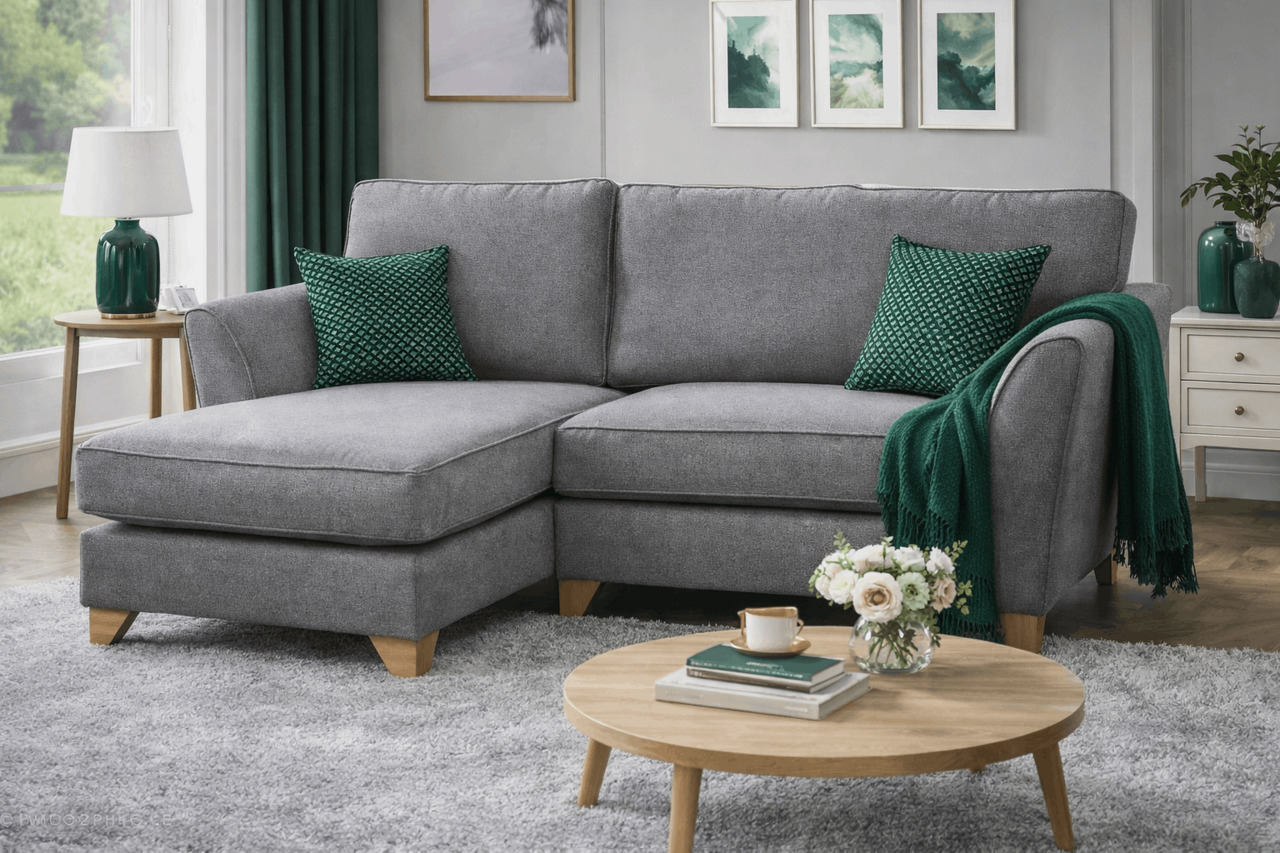
Corner sofas are most effective when the layout supports them. The best corner sofa for small living room layouts is not about size alone, but about how the sofa fits into the room structure.
To make it work:
- Choose a compact l shaped sofa with slim proportions
- Position it directly into a corner or along two walls
- Keep pathways open and unobstructed
- Avoid blocking natural light
This approach helps define the seating zone while maintaining flow.
In long or irregular layouts, however, corner sofas can reduce flexibility. In these cases, other configurations may perform better.
You can explore corner sofas or browse l shape sofa options designed for smaller interiors.
Best Modular Sofas for Small Spaces: Flexible Layouts That Adapt Over Time
The best modular sofas for small spaces are designed around flexibility rather than fixed positioning.
Built from separate sections, they allow you to:
- Reconfigure the layout when needed
- Adjust to different room shapes
- Expand or reduce the setup over time
This makes modular designs particularly useful in changing living situations, where adaptability matters more than fixed structure.
You can also consider complete sofa suites for smaller rooms, as they offer more flexibility in how you arrange your seating. This allows you to adapt the layout over time while keeping a consistent style. Explore different options such as fabric sofa suites and Chesterfield suites to find a setup that works for your space.
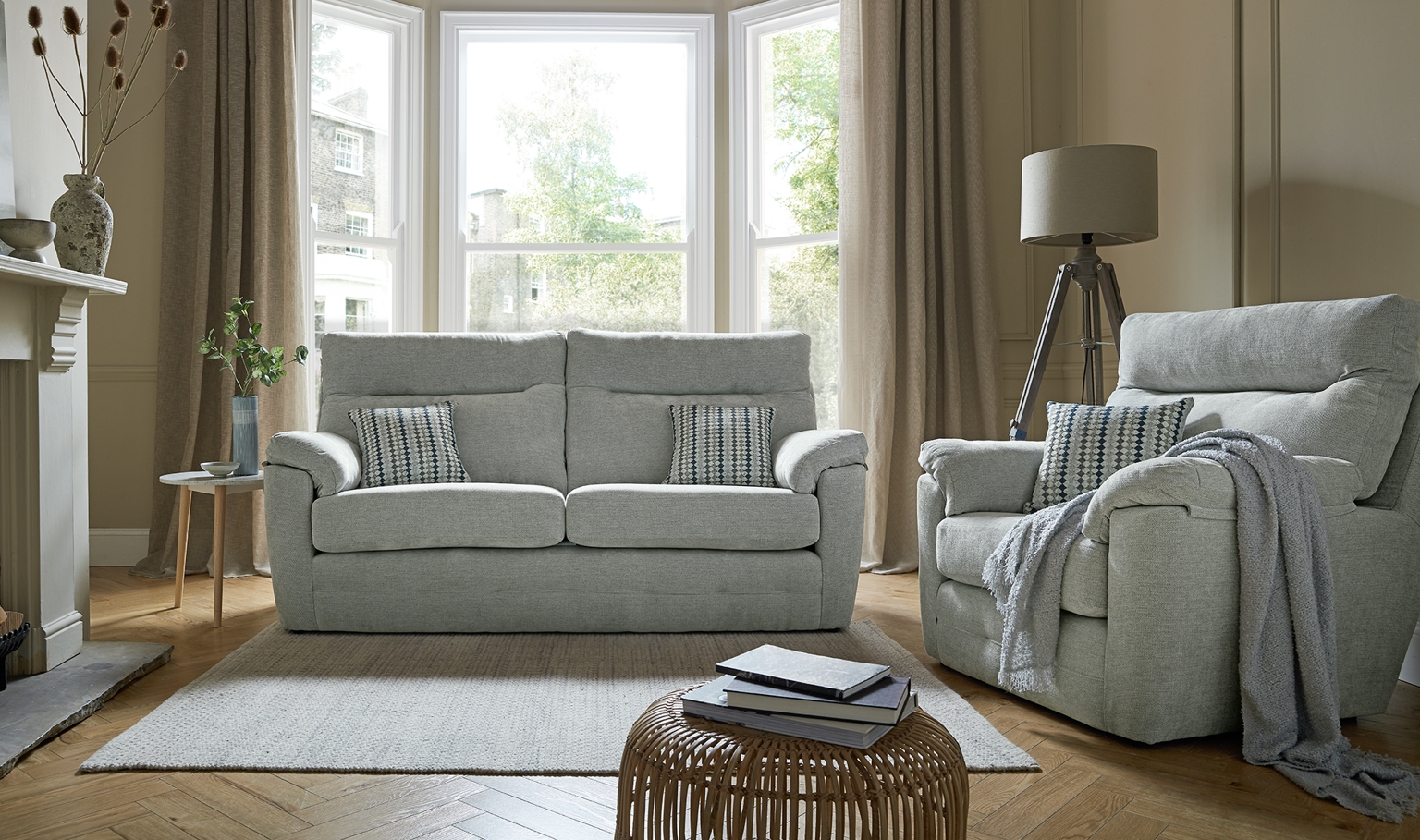
Smart 2-in-1 Solutions: Choosing the Best Sofa Bed for Small Space Living
A sofa bed is a practical solution where one room needs to serve multiple functions. Choosing the best sofa bed for small space living means finding the right balance between usability and comfort.
Best suited for:
- Apartments and studio layouts
- Occasional guest accommodation
- Multi-use living areas
Two common mechanisms:
- Pull-out systems — better for regular use
- Click-clack designs — more compact and space-efficient
Focus on mattress quality, ease of use and overall design to ensure long-term comfort. You can browse sofa beds designed for everyday practicality. For a more detailed look at how different mechanisms affect usability and support, you can read our guide on whether sofa beds are comfortable.
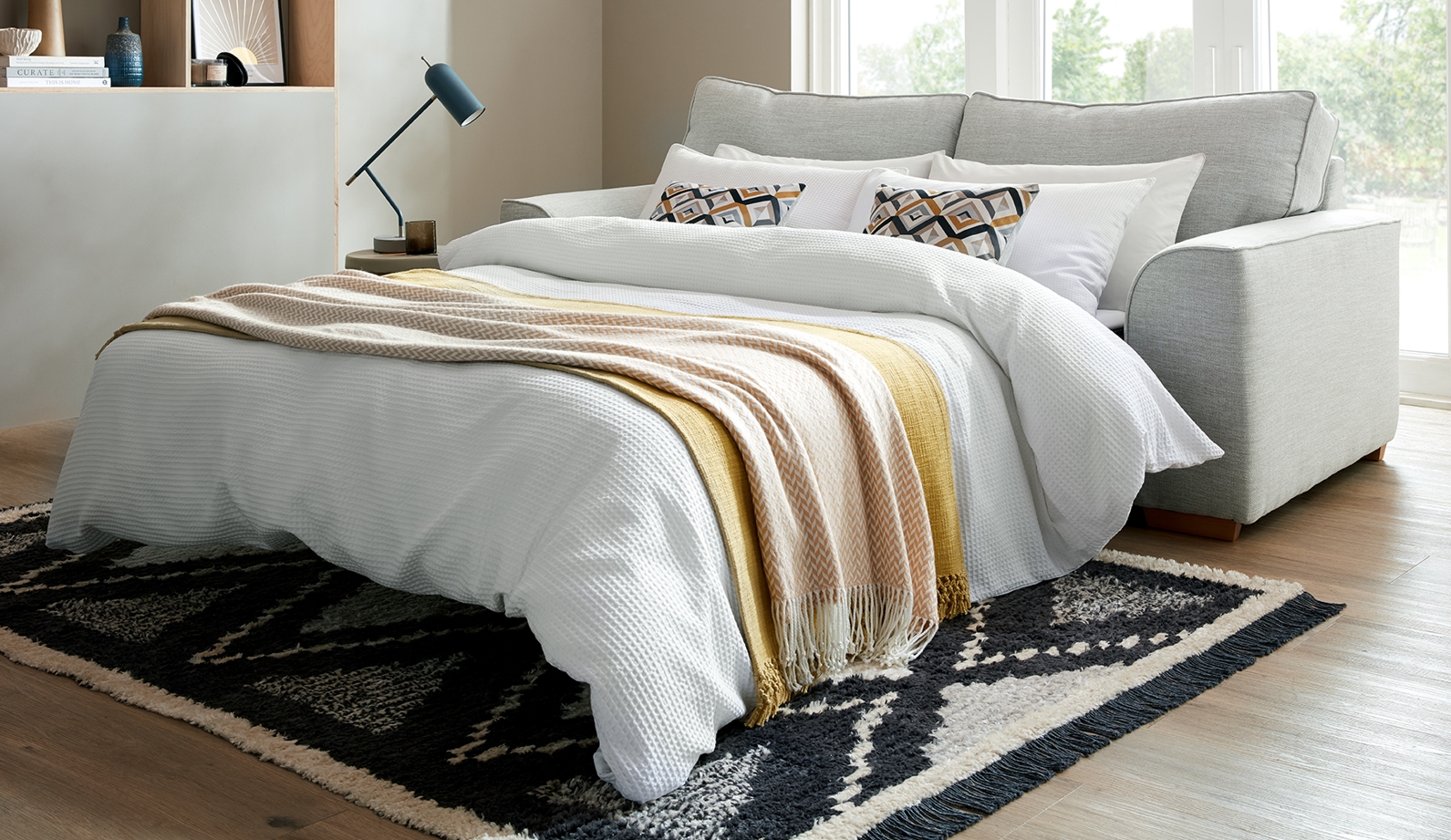
Smart Layout Ideas for Tight Rooms: Best Sofa for Narrow Living Room Designs
Long, narrow rooms require a different approach. The best sofa for narrow living room layouts focuses on proportion rather than size.
Effective solutions include:
- Reduced-depth sofas
- Armless or slim-arm designs
- Straight placement along one wall
- Clear movement paths
These adjustments help maintain flow while keeping the layout functional and balanced.
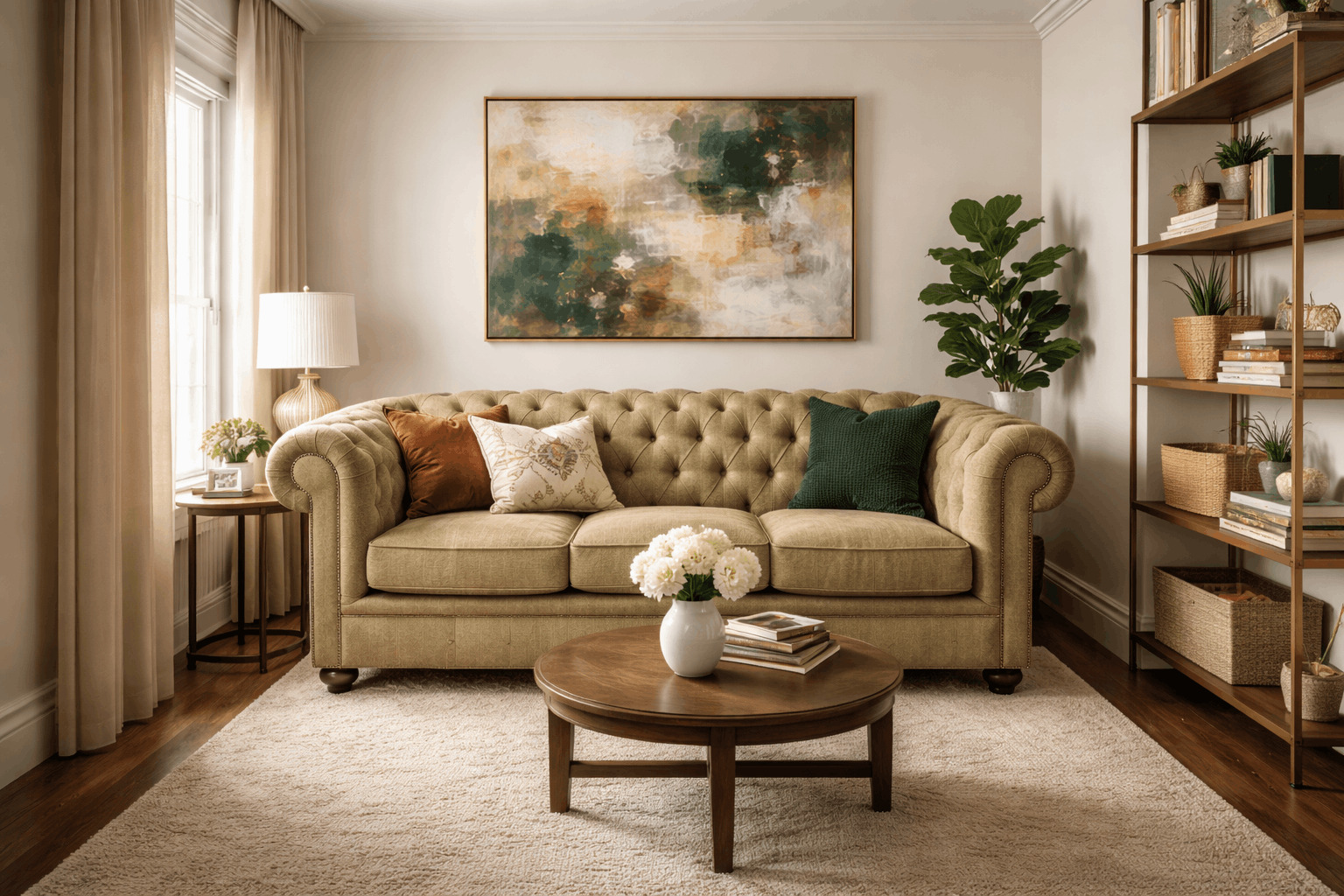
Smart Solutions for Small Spaces
- Built-in storage reduces clutter
- Raised-leg designs improve visual balance
- Custom-made sofas solve layout limitations
In smaller homes, even minor adjustments can make a noticeable difference. For example, choosing a sofa with built-in storage reduces the need for extra cabinets, while compact designs help maintain a clean and organised layout. In a small area, combining smart furniture with thoughtful placement allows the room to feel more open, functional and comfortable without adding unnecessary elements.
Common Mistakes to Avoid When Buying a Sofa for a Small Room
Mistakes often become obvious only after installation.
- Choosing oversized furniture
- Ignoring proportions and layout
- Blocking windows and natural light
- Selecting visually heavy designs
- Not measuring access points
Avoiding these issues helps ensure the sofa fits your layout properly. Many of these issues only become noticeable after the sofa is already in place, which is why planning ahead is essential. In a small room, even minor miscalculations can affect how comfortable and practical the layout feels. Taking time to measure properly and consider proportions helps avoid unnecessary adjustments later.
How to Style a Small Living Room Around Your Sofa
Styling supports both aesthetics and everyday use.
- Mirrors reflect light and visually expand the room
- Rugs define seating zones
- Minimal decor keeps the layout clean
- Light colour palettes enhance openness
- Layered lighting adds depth
These elements create a cohesive and comfortable environment. The sofa should act as the visual anchor of the room, with all other elements supporting it rather than competing for attention. Keeping the layout simple and balanced helps maintain a calm atmosphere, which is especially important in smaller interiors where too many elements can quickly feel overwhelming.
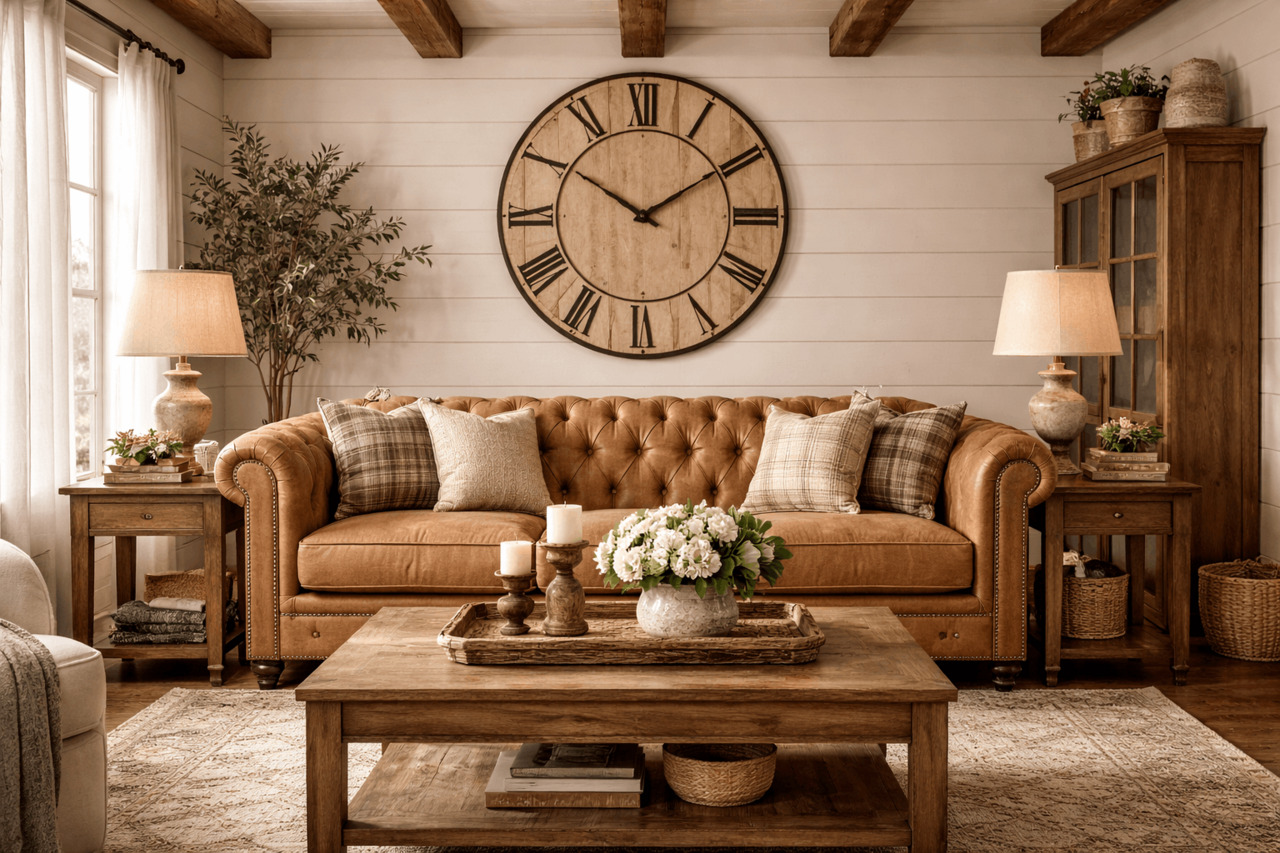
Most Comfortable Couches for Small Spaces
The most comfortable couches for small spaces combine support, materials and proportion.
Comfort depends on:
- Seat depth
- Cushion structure
- Quality of materials
A well-designed sofa should feel comfy while fitting naturally into a compact layout. At Designer Sofas 4U, careful attention is given to build quality, construction and the variety of available designs, making it easier to find a sofa that suits both your layout and everyday needs.
It is also worth considering how the sofa will be used throughout the day. In smaller homes, it often serves multiple purposes — from relaxing to working or entertaining. Choosing the right balance between support and softness ensures the sofa remains comfortable in every situation without compromising on practicality.
Final Thoughts: Finding the Perfect Sofa for Your Space
There is no universal solution for every home. The right sofa depends on your layout, daily routine and personal preferences.
The goal is to find a balance between comfort, functionality and design. Even small adjustments in size or configuration can significantly improve how a room works.
Explore a wide range of fabric sofas, leather sofas, and corner sofas, or browse l shape sofa designs to find the right fit. For more detailed guidance, see our sofa buying guide and recommended sofa sizes.
FAQ
What type of sofa is best for a small living room?
Compact two-seater, modular or sectional sofa designs are usually the best choice, as they provide enough seating without overwhelming the room. Modular options work well if you need flexibility, while a compact l shaped sofa can help use corners more efficiently in square layouts.
How do I choose a sofa for a small space?
Focus on dimensions, layout and functionality. Measure your room carefully, including doorways and walkways, and choose a compact design that fits naturally without restricting movement. In a small area, details such as depth, leg design and shape can make a noticeable difference in how comfortable and practical the room feels.
What colour sofa makes a room look bigger?
Lighter colours such as beige, cream or soft grey tend to reflect more light and make a room feel more open. However, the right colour also depends on your overall design and how you balance contrast within the space.
If you are still deciding, you can explore navy blue sofa living room ideas for a more bold and expressive look, or take a look at what colours go with a grey sofa for a softer, more neutral approach that works well in most small interiors.
Can you put a large sofa in a small living room?
It is possible, but not always practical. A large sofa can reduce usable space and affect comfort if it dominates the layout. In some cases, it may work, for example if the room has a simple layout and enough clearance or if you need more seating, but choosing a compact design is usually a more balanced solution.