
.jpg)
Best Type of Leather for Sofa: All the Information in One Place
Choosing the right leather for a sofa is a decision that affects far more than appearance alone. The type of leather you select influences comfort, durability, maintenance requirements, and how the sofa will age over time. A well-chosen leather sofa can remain part of your home for many years, developing character rather than simply wearing out.
Understanding the best type of leather for sofa use helps you invest wisely and avoid common mistakes. In this guide, we explain how different leather types behave, how quality is assessed, and which options suit various lifestyles. Whether you prioritise longevity, ease of care, or refined aesthetics, knowing how leather is made and finished will help you make a confident choice.
Why Leather Remains a Popular Choice
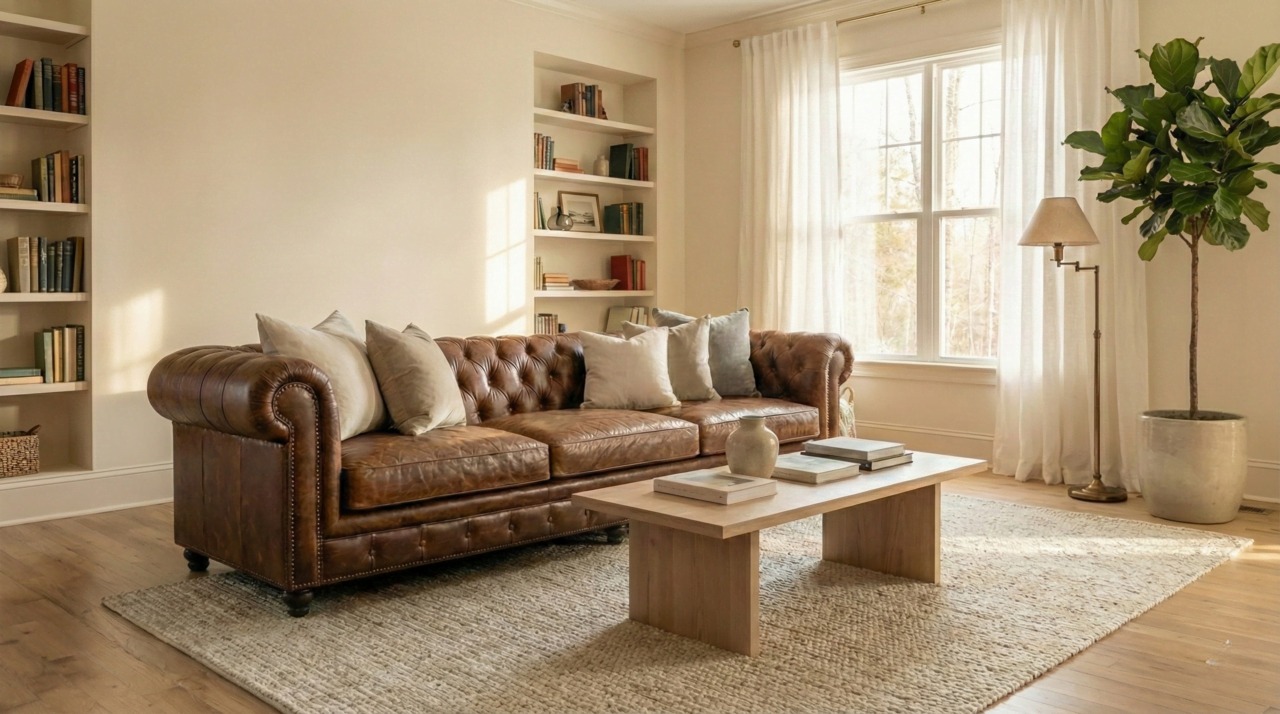
At Designer Sofas 4U, we have been working with leather furniture since 2007. As the UK’s No.1 Chesterfield sofa retailer and a long-established supplier of leather sofas and bespoke pieces, we have hands-on experience with a wide range of leather finishes, grades, and constructions. Over many years, we have seen how leather performs in real homes and how it evolves with regular use.
Leather continues to be a popular material because it combines practicality with long-term value. Unlike many fabrics, leather offers natural strength and resilience, allowing it to withstand daily use without losing structure. High-quality leather adapts to body temperature, offering a comfortable seating experience throughout the year.
Aesthetically, leather offers versatility as well as character. Over time, natural patina adds depth and individuality, particularly in classic interiors, while cleaner finishes suit modern spaces. Leather can also be paired with decorative or accent materials, such as pony skin, which are typically used in limited areas to introduce texture and visual contrast without affecting overall practicality.
Easy cleaning, resistance to spills, and the ability to complement both traditional and modern style choices ensure leather remains a trusted option for many households.
Premium leather also plays a key role in larger seating arrangements, where consistency of finish and long-term durability matter most. Collections such as Italian leather sofa suites are valued for their refined texture, uniform colour, and balanced combination of comfort and structure, making them suitable for both formal and everyday living spaces.
How Leather Quality Is Assessed
Before comparing specific leather types, it is useful to understand how quality is measured.
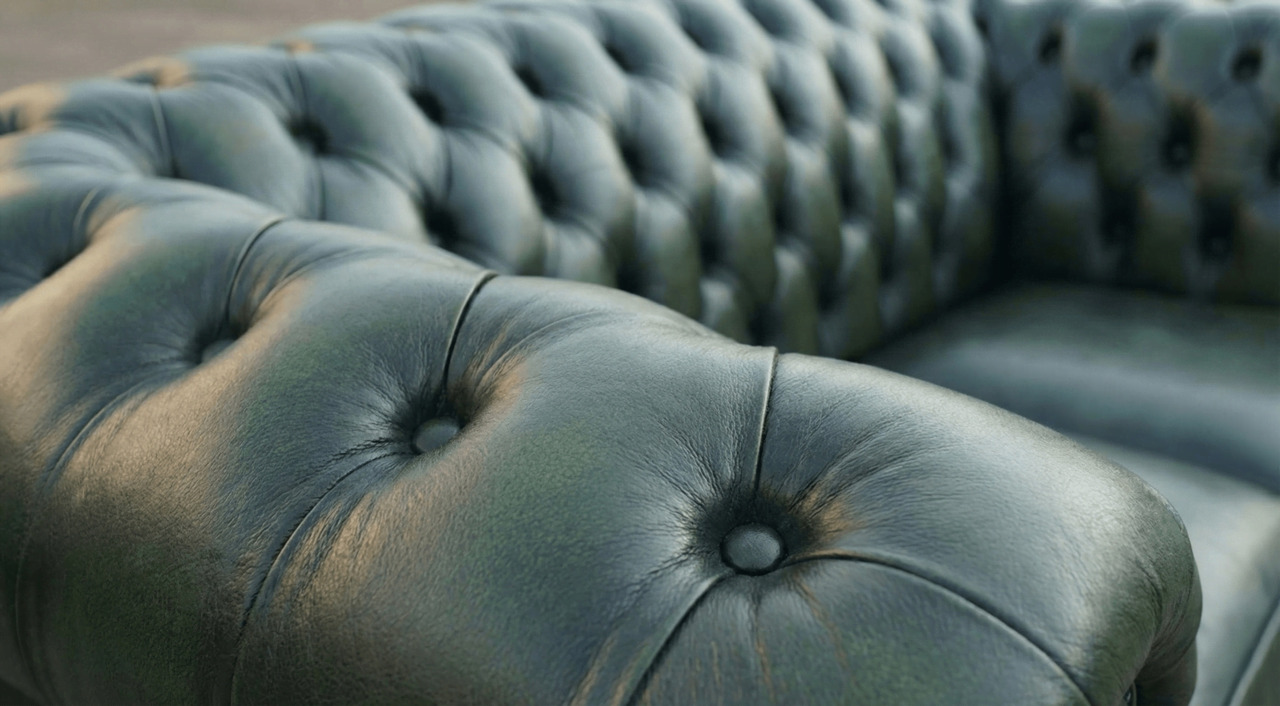
Grain vs Grade
Grain refers to the surface layer of the hide, while grade relates to overall quality and finish. Natural grain generally indicates higher quality, with fewer surface alterations.
Thickness and Strength
Thicker leather often offers better durability, especially for seating used daily. Strength affects how well the leather resists stretching and tearing.
Colouring and Finishing
Leather may be finished in several ways:
- Aniline — dyed without surface coating, very natural
- Semi aniline — lightly protected while retaining softness
- Corrected or pigmented — treated for uniformity and protection
- Antique finish — designed to highlight texture and colour variation
- Patent leather — finished with a high-gloss coating that creates a reflective surface, typically used for statement pieces rather than practical everyday sofas.
Maintenance Needs
More natural leathers require conditioning, while heavily finished leathers are easier to maintain but less expressive in texture.
Different Leather Types for Sofas
Full-Grain Leather
Full grain leather is considered the highest-quality option. It retains the original surface of the hide, including natural markings.
Benefits
- Exceptional durability
- Develops a rich patina over time
- Luxurious appearance and feel
Considerations
- Higher cost
- Requires regular conditioning
Full grain leather is often chosen for statement furniture and heritage designs, particularly where longevity and authenticity matter.
Top-Grain Leather
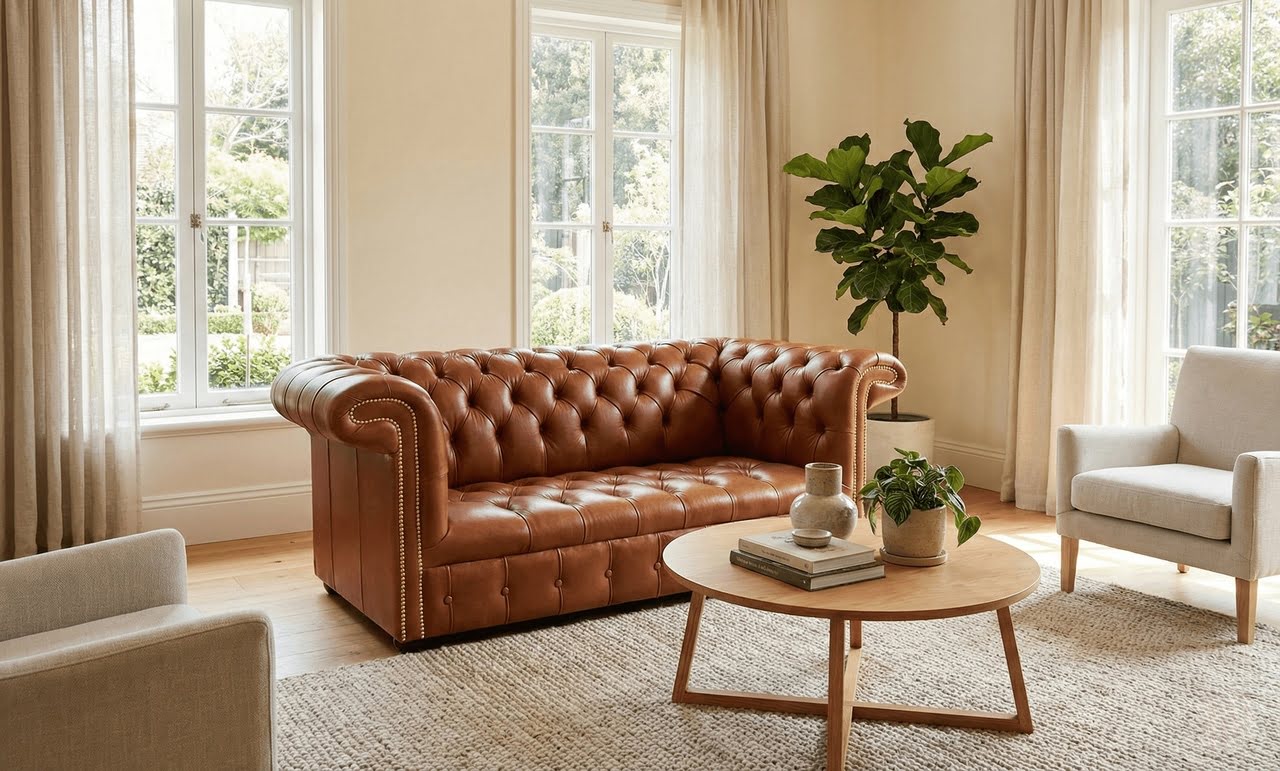
Top grain leather is lightly corrected to remove surface imperfections, resulting in a more uniform appearance.
Benefits
- Strong and durable
- More affordable than full grain
- Smooth, refined finish
This option works well in modern interiors where consistency and lower maintenance are priorities. It is frequently regarded as one of the different leather types for sofas that balances performance and appearance.
Split grain leather is taken from the lower layers of the hide once the top grain has been removed.
Aniline and Semi-Aniline Leather
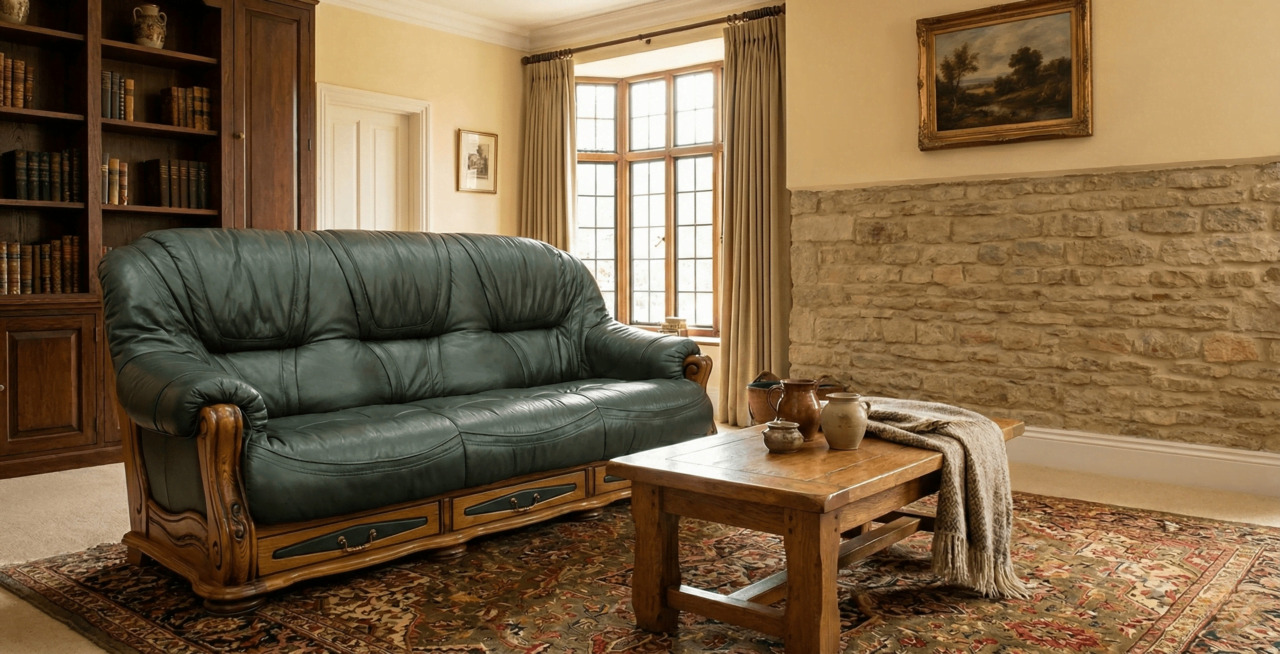
- Aniline leather is dyed but not coated, allowing the hide’s natural texture to remain visible. It offers unmatched softness and natural aesthetics, making it appealing for those who value a raw, authentic leather finish.
- Nubuck is created by lightly sanding the grain side of the hide, resulting in a soft, velvety texture. While visually refined and pleasant to the touch, nubuck is more sensitive to stains and moisture, making it better suited to low-traffic settings or decorative seating rather than everyday family use.
- Semi aniline leather includes a light protective layer that preserves much of the leather’s natural look while improving resistance to marks and sunlight. Households with lighter use may appreciate pure aniline, while busy homes often benefit from semi aniline finishes.
Corrected Grain and Pigmented Leather
Corrected leather is treated to improve durability and consistency.
Benefits
- Highly practical
- Easy to clean
- Suitable for family homes
The trade-off is a less natural texture, but this leather is often considered the best leather for sofa use where durability and low maintenance are essential.
Bonded Leather
Bonded leather is made from reconstituted leather fibres combined with synthetic materials.
Pros
- Lower cost
- Uniform appearance
Cons
- Reduced durability
- Shorter lifespan
It may suit budget-conscious buyers but lacks the comfort and authenticity of natural leather.
Faux Leather
Faux leather, including pu leather, is a synthetic alternative designed to imitate real leather.
Advantages
- Affordable
- Vegan-friendly
- Easy to clean
Limitations
- Less breathable
- Can crack over time
- No natural patina
While faux leather is practical, it does not offer the same comfort or ageing qualities as genuine leather for sofa use.
Best Leather for a Sofa: Expert Recommendations
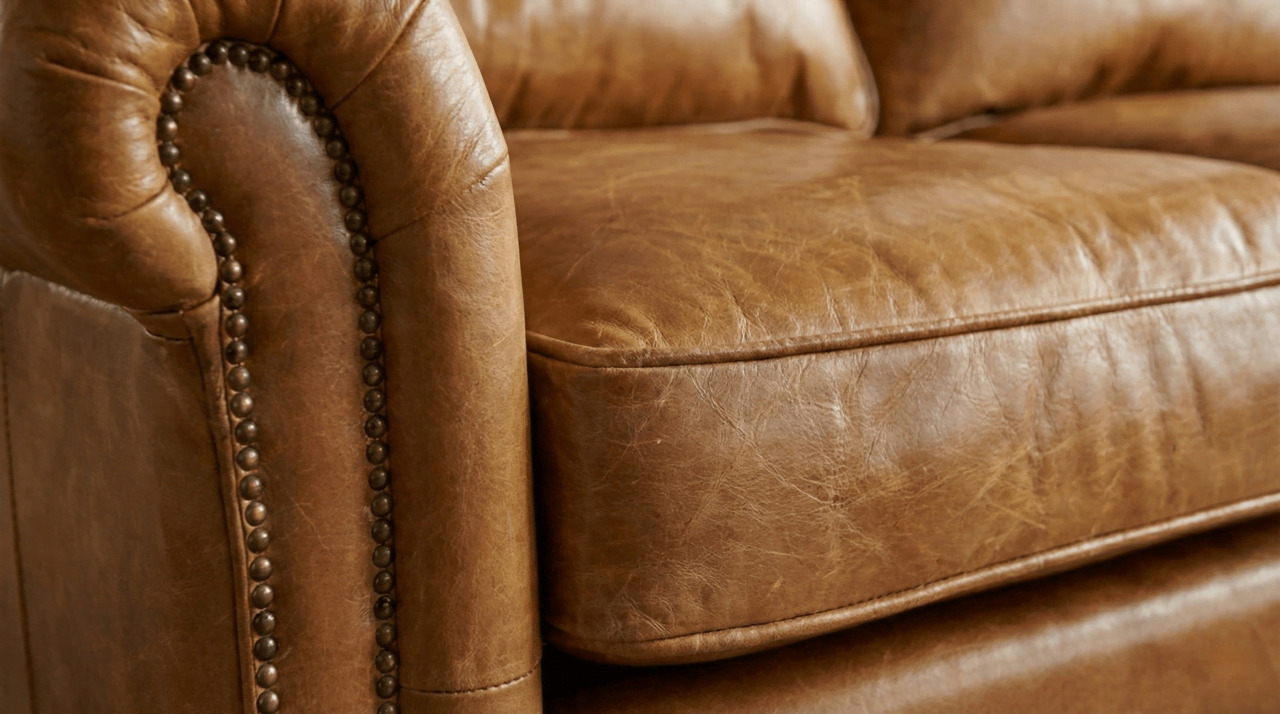
Choosing the best option always depends on lifestyle, budget, and expectations. Based on long-term performance and everyday use, the following guidance can help narrow the choice:
- Best overall quality and longevity: full grain leather or high-quality semi aniline
- Best for families or homes with pets: corrected or pigmented leather, designed for durability and easier maintenance
- Best value for money: top grain leather or semi aniline, offering a balance of durability, comfort, and refined aesthetics
- Best budget option: faux or bonded leather, with realistic expectations around lifespan and feel
Understanding the types of couch leather available makes it easier to select a material that suits both the household and the role the furniture plays within the space.
Practical Tips Before You Buy a Leather Sofa
When planning a complete seating area, smaller leather pieces should not be overlooked. A Chesterfield footstool upholstered in matching leather can add visual balance, provide extra comfort, and help protect the main sofa by reducing pressure on seating and arm areas.
Before making a final decision, it is worth taking a few practical steps:
- Request leather swatches and view them in natural light
- Match the leather type to room use and local climate conditions
- Consider how the leather complements your existing interior style
You can explore a wide selection of leather sofas, including classic leather Chesterfield sofas, practical leather armchairs, and spacious leather 3 seater sofas to compare styles and finishes.
Leather Care and Maintenance
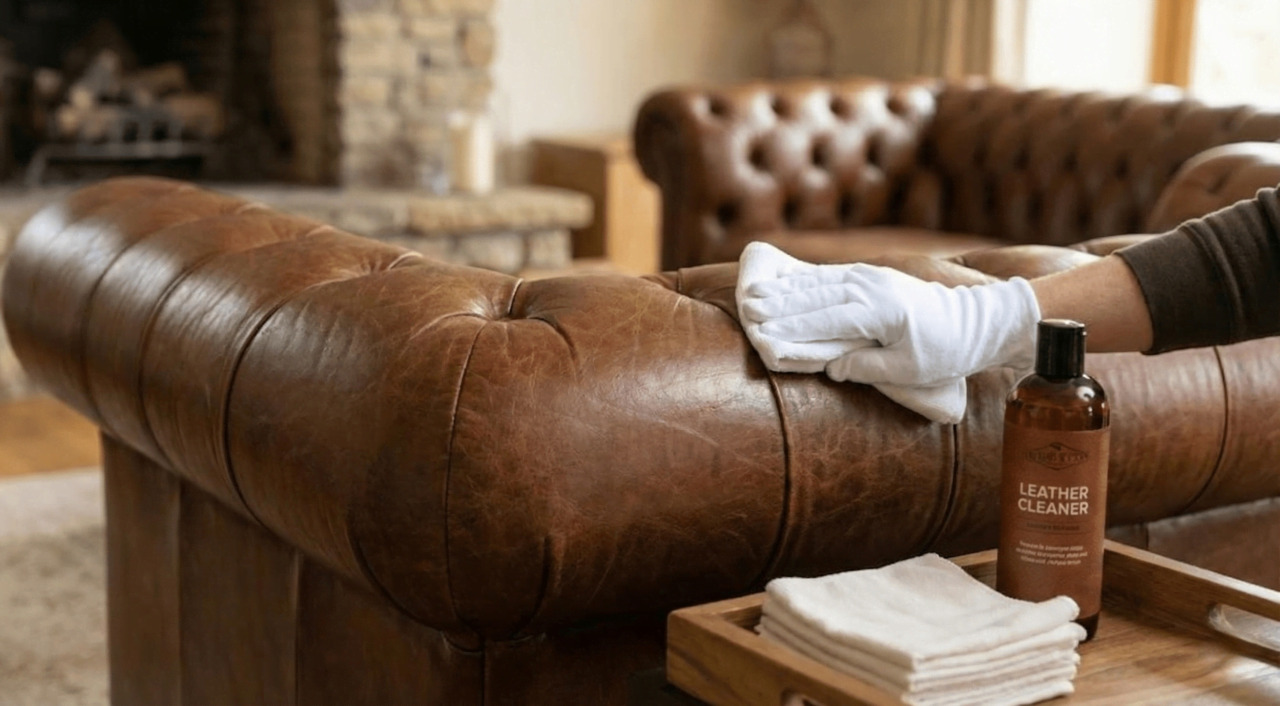
Good leather care is about consistency rather than effort. Regular dusting and gentle wiping with a soft cloth help prevent dirt from settling into the surface and preserve the leather’s natural finish.
Natural leathers should be conditioned occasionally to maintain flexibility and prevent drying or cracking. This supports the leather’s structure and helps colour and texture age evenly over time.
Avoid harsh chemicals, abrasive tools, and excess moisture, as these can damage the surface. Keeping leather furniture away from direct sunlight and heat sources also reduces the risk of fading and stiffness.
When cared for correctly, quality leather furniture does not simply last longer — it matures, gaining softness, depth, and character with use. For more detailed practical advice on cleaning leather, please see our guide.
Conclusion
There is no single answer to the best leather for sofa use. The right choice depends on how the furniture will be used, the level of maintenance you are comfortable with, and the balance you prefer between durability, comfort, and aesthetics.
A clear understanding of leather types and finishes helps you invest in furniture that offers long-term value and ages well over time. If you would like to explore suitable options or request guidance, you can view the full collection at Designer Sofas 4U or contact us for practical, informed advice.
FAQ
What Is the Best Type of Leather for Sofa Use in Everyday Homes?
The best type of leather for sofa use depends on how often the furniture is used and the level of care you prefer. For daily seating, leathers with some surface protection, such as Semi-Aniline Leather or well-finished Antique Leather, tend to perform better, as they resist marks while still ageing attractively over time. Sofas used occasionally can accommodate more natural finishes like Aniline Leather, which prioritise softness, depth of colour, and character but require more careful maintenance.
How Do Different Leather Types for Sofas Affect Durability?
Different leather types for sofas vary in how they age and respond to wear. Natural finishes develop patina but show marks more easily, while protected finishes offer greater resistance to spills and sunlight. Choosing the right balance helps ensure long-term durability without compromising comfort.
Are All Types of Couch Leather Suitable for Family Homes?
Not all types of couch leather perform in the same way in busy households. Homes with children or pets often benefit from leathers that are easier to clean and more resistant to everyday wear. More natural or delicate finishes can still be used successfully in active homes, but they may require a little more regular care and attention to keep them looking their best over time.
How Can You Tell If Leather for Sofa Use Will Age Well?
Quality leather for sofa use should have consistent thickness, a stable structure, and a finish suited to its environment. With proper care and sensible placement away from heat and direct sunlight, good leather softens and deepens in colour rather than looking worn.
Is Faux Leather a Practical Alternative to Natural Leather for Sofa Furniture?
Faux leather can be a practical option for budget-focused or low-maintenance needs. However, it does not breathe or develop patina in the same way natural leather does. Understanding these differences helps set realistic expectations before choosing leather for sofa alternatives.