
.jpg)
How to Clean a Leather Sofa
Knowing how to clean a leather sofa correctly is essential if you want your furniture to look good and last for years. Leather is a durable and luxurious material sofa option, but it reacts very differently to moisture, heat and cleaning products compared to fabric upholstery.
Regular cleaning and proper care help prevent visible wear, discomfort and long-term damage. Dust, body oils and everyday dirt can slowly break down the leather surface if they are not removed correctly. Over time, this can lead to cracking, dryness and permanent staining.
In this guide, we explain the best methods for leather sofa care, from everyday maintenance to stain removal and deeper cleaning. You’ll also find practical DIY advice, guidance on when professional help is needed and expert recommendations from one of the UK’s leading sofa manufacturers, Designer Sofas 4U, to help you protect your furniture properly.
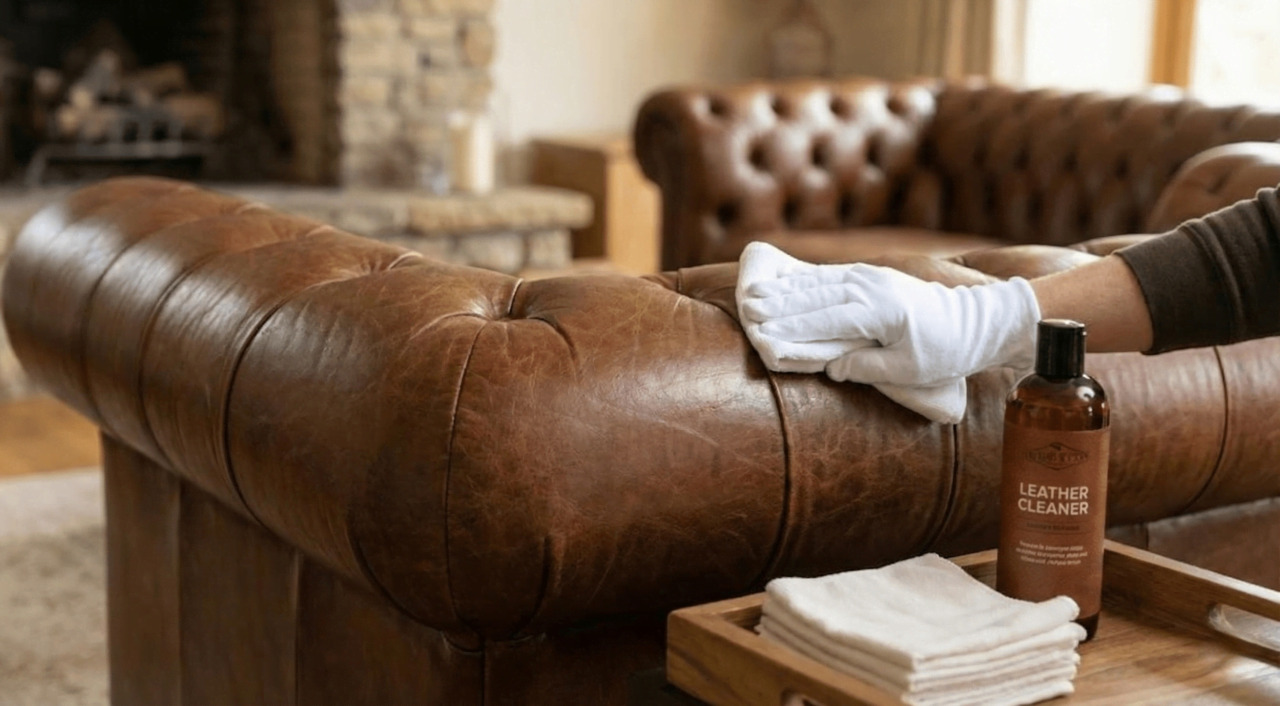
Understanding Your Leather Sofa
Before cleaning a leather settee or couch, it is important to understand what type of leather you are working with. Different finishes respond differently to moisture and cleaning methods.
Common Leather Types Used in Sofas
- Protected or pigmented leather — the most common type, finished with a protective coating that resists stains and is easier to clean
- Semi-aniline leather — softer and more natural in appearance, but requires more careful handling
- Aniline leather — uncoated and highly absorbent, making it more vulnerable to stains and damage
The type of leather affects which cleaning products, tools and methods are safe to use. Always check the manufacturer’s care label or documentation before starting. Leather sofa cleaning differs from cleaning other upholstery types, so the approach should always match the material.
If you are choosing a leather sofa with long-term care in mind, it helps to understand how different finishes behave over time. You can explore a wide selection of styles and materials in our leather sofa collection, from classic designs to more contemporary options.

What You Should (and Shouldn’t) Use to Clean a Leather Sofa
Using the wrong products is one of the most common causes of permanent leather damage.
Safe Tools and Products
- Soft microfibre cloths
- A vacuum with a brush attachment
- pH-neutral leather cleaning products
- A specialist leather cleaning kit for occasional deeper care
These tools help remove dirt without scratching or drying out the upholstery.
For occasional deep cleaning and ongoing maintenance, using purpose-made products is always safer than household cleaners. A dedicated leather care kit provides the right balance of cleaning and conditioning without risking long-term damage.
Products to Avoid
- Harsh household cleaners or bleach
- Vinegar, alcohol or ammonia-based solutions
- Baby wipes and antibacterial wipes
- Steam cleaners / steam cleaning
- Abrasive sponges or stiff brushes
These products can strip protective coatings, fade colour and cause cracking that cannot be reversed.
Best Way to Clean Leather Sofa
There is no single best way to clean leather sofa surfaces for every household. The right approach depends on how often the sofa is used, whether you have pets or children and how much time you can realistically dedicate to maintaining it.
Regular Maintenance Cleaning
For most homes, light cleaning once a week is enough to keep leather in good condition.
- Vacuum gently to remove dust and crumbs
- Wipe the surface with a dry or slightly damp cloth
- Keep cushions and covers properly positioned to prevent uneven wear
This routine prevents dirt from building up and keeps the sofa comfortable and plush.
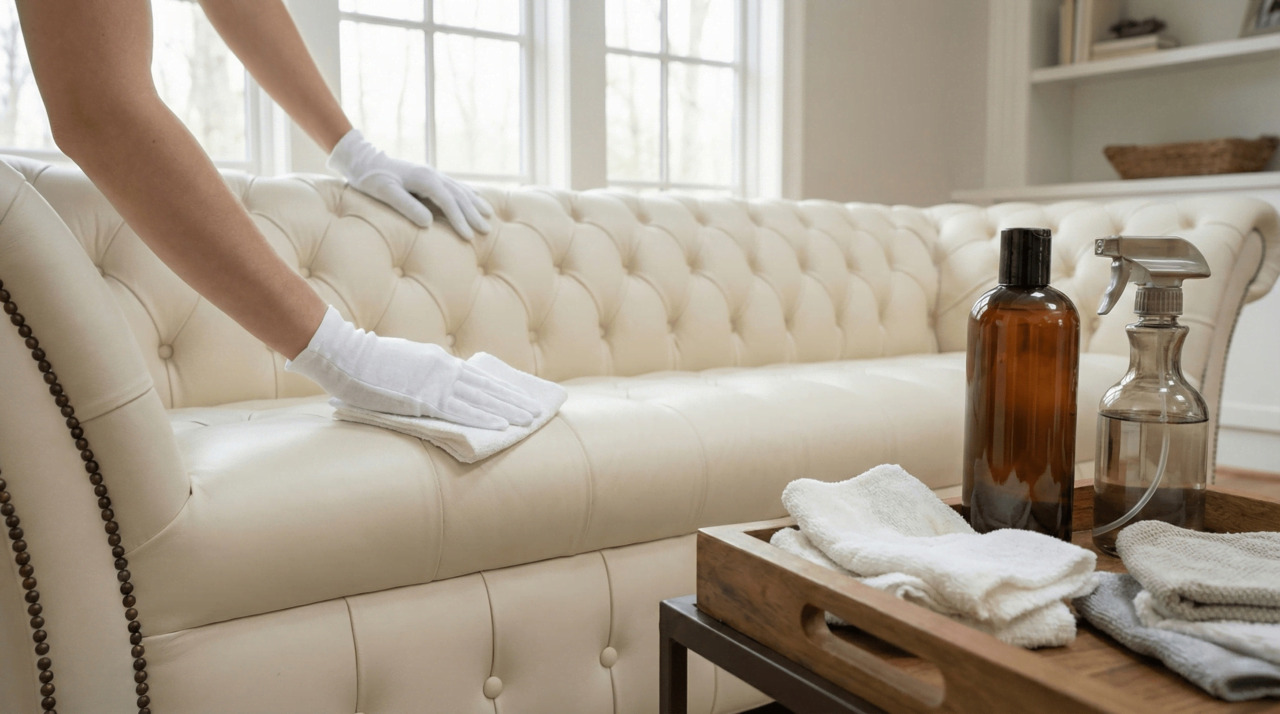
Spot Cleaning for Visible Marks
Spills and marks should be addressed quickly to avoid staining.
- Blot the area gently rather than rubbing
- Use a leather-specific cleaner where needed
- Never oversaturate the surface
This approach works well when you need to clean a leather couch after everyday accidents.
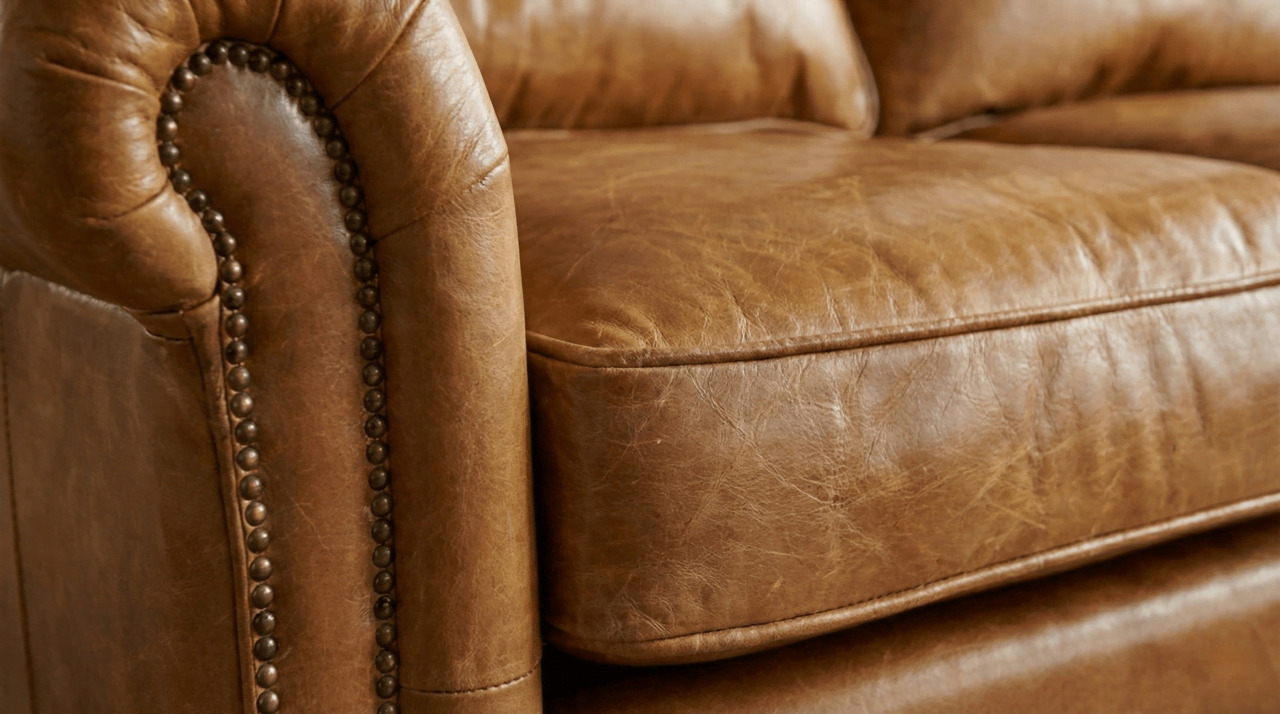
Occasional Deep Cleaning
Deep cleaning should only be done a few times a year.
- Use specialist leather cleaning products
- Apply with a soft cloth and controlled pressure
- Avoid steam or soaking the material
Steam and excessive moisture can penetrate the leather and cause irreversible damage.
Professional Cleaning and Long-Term Care
For high-value furniture or delicate finishes, professional leather cleaning may be the safest option. Conditioning treatments also help keep leather supple and prevent drying over time.
Explore our other furniture care guides:
How to Care for Leather Sofa
Proper care goes beyond cleaning and plays a key role in preserving appearance and comfort.
- Keep the sofa away from direct sunlight and heat sources
- Rotate cushions regularly to distribute wear
- Use throws or covers in high-contact areas
- Maintain stable room humidity to prevent drying
Consistent leather sofa care extends the life of your furniture and helps it age evenly rather than wearing out in patches.
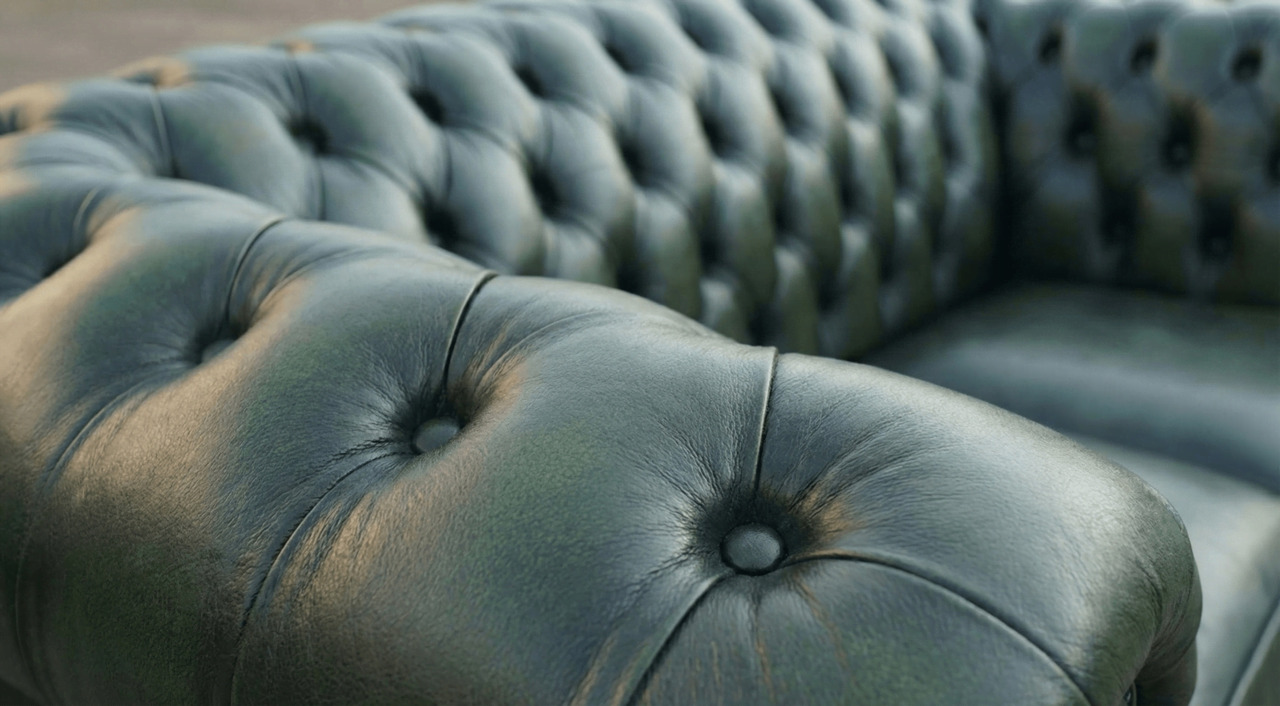
How to Clean a Leather Sofa Step by Step
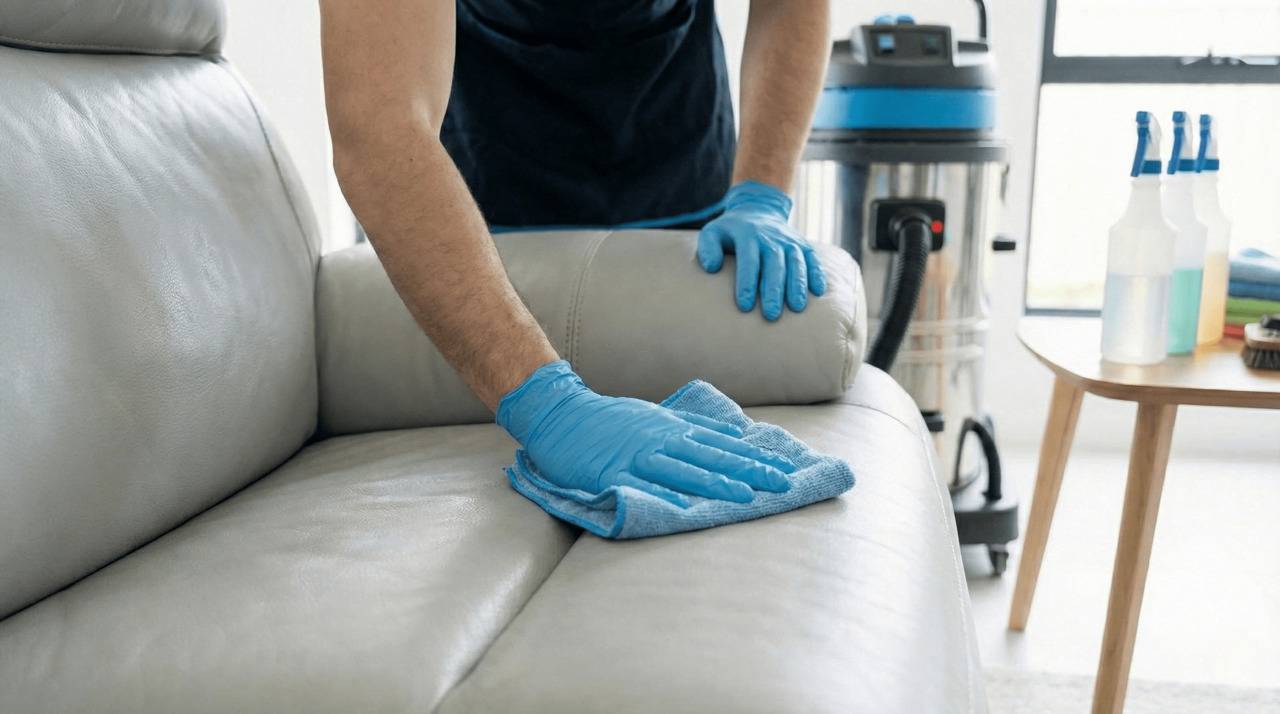
- Vacuum the sofa using a brush attachment
- Wipe the surface with a clean, dry cloth
- Apply a small amount of leather cleaner to a cloth, not directly to the sofa
- Clean by hand using gentle circular motions
- Allow the surface to dry naturally
- Apply conditioner if recommended for your leather type
Avoid washing leather or using water-heavy methods. Leather should never be machine washed or soaked.
If you own a Chesterfield sofa, extra attention is often needed around the buttoned areas. You can find detailed guidance in our article on how to clean Chesterfield sofa buttons, which explains how to clean these sections safely without damaging the leather.
How to Remove Common Stains from a Leather Sofa
The key is to act carefully, use suitable products and stop if the leather reacts poorly.
Food and Drink Spills
Liquid spills should be blotted immediately with a clean, dry cloth to prevent absorption. For light residue, a pH-neutral leather cleaner applied sparingly can help lift marks without oversaturating the surface. Avoid rubbing, as this can push the spill deeper into the leather grain.
Grease and Oil Marks
Grease behaves differently on leather than on fabric. Start by gently absorbing excess oil with a soft cloth or paper towel. Specialist leather degreasers are usually more effective than household solutions, which often spread the stain rather than remove it. Patience is important, as some oil marks fade gradually rather than instantly.
Ink and Dye Transfer
Ink is one of the most challenging stains to deal with on leather. Light transfer may respond to products designed specifically for ink removal on leather upholstery. Always test first, as some finishes are more sensitive. In many cases, professional treatment is the safest option to avoid colour loss.
Pet-Related Stains
Pet accidents should be addressed as soon as possible. If the stain is still fresh, gently blot any excess moisture without rubbing. For dried or residual marks, use a leather-safe cleaner formulated for organic stains and apply it sparingly. Avoid soaking the area, and never use strong chemicals or enzyme cleaners designed for fabric, as these can damage leather finishes.
If a stain does not improve after careful treatment, repeatedly trying to remove stain from leather couch surfaces can cause more harm than good. At this stage, professional advice or cleaning is often the best next step.
How Often Should You Clean a Leather Sofa?
- Light cleaning: weekly
- Spot cleaning: as needed
- Deep cleaning: every 6–12 months
Homes with pets, children or heavy use may need more frequent attention.
When to Call a Professional
Professional help is recommended when:
- The leather is aniline or semi-aniline
- The sofa is heavily dirty or has deep-set stains
- Colour loss or cracking has started
- DIY cleaning or attempts to dry clean leather at home risk damaging expensive furniture
Professional services can safely restore leather without unnecessary risk.
Final Tips for Keeping Your Leather Sofa Looking Its Best
- Avoid placing leather furniture near radiators or fireplaces
- Use cushions to reduce pressure on seating areas
- Follow manufacturer guidance for cleaning products
If you’re investing in long-lasting quality, explore the full range of leather sofas available at Designer Sofas 4U, including 3-seater and 4-seater leather sofas designed for everyday comfort.
Conclusion
Cleaning and maintaining leather furniture does not need to be complicated, but it does require the right knowledge and tools. By following correct cleaning methods, avoiding damaging products and staying consistent with care, you can keep your leather sofa looking and feeling its best for many years. If you have other upholstery at home, we also share practical guidance on cleaning velvet and fabric sofas.
For expert advice or to explore professionally crafted leather furniture, visit Designer Sofas 4U.
FAQ
How to Remove Pen Ink from Leather Sofa?
Ink stains are difficult to remove from leather and should be handled carefully. Use a specialist leather ink remover designed for upholstery and test it on a hidden spot first. Household cleaners rarely work and may spread the ink or damage the finish.
How to Remove Odor from a Leather Sofa?
To remove odour from leather sofa surfaces, start by airing the room and wiping the leather with a dry cloth. Baking soda can help absorb smells when placed nearby, but it should not be rubbed into the leather. Persistent odours may require professional treatment.
How to Clean Pee from Leather Couch?
Urine should be blotted immediately using a clean cloth. Use a leather-safe cleaner designed to neutralise odours and avoid soaking the area. If the smell persists, professional leather cleaning is recommended to prevent long-term damage.
How to Get Grease Out of a Leather Couch?
Grease stains should be treated as soon as possible. Gently blot excess oil and use a specialist leather degreasing product. DIY hacks often make grease stains spread, so caution is essential.
Can Designer Sofas 4U Help With Leather Care Advice?
Yes. You can contact the team at Designer Sofas 4U for impartial advice on cleaning, maintenance, materials and care. Simply get in touch with our team for guidance tailored to your furniture.