
.jpg)
How to Clean Chesterfield Sofa Buttons
Chesterfield sofas are known for their deep button-tufting, classic silhouettes and timeless appeal. However, those beautiful, recessed buttons can sometimes trap dust, debris and everyday grime, making homeowners wonder how to clean Chesterfield sofa buttons effectively without risking damage. As makers of leather, fabric and velvet Chesterfields at Designer Sofas 4U, we understand how these materials behave, so we know exactly what kind of care keeps each sofa looking its best for years.
In this guide, we’ll walk you through gentle, practical methods that work for different materials. With the right tools, cleaning products and techniques, you can maintain a spotless Chesterfield without disturbing the structure or the delicate tufting.
Understanding the Chesterfield Button-Tuft Design
The iconic deep-buttoned design of a Chesterfield sofa is part of what makes it such a timeless piece of furniture. Each button pulls the leather, fabric or velvet tightly into the characteristic tufting pattern, creating depth and elegance. However, these recessed folds naturally collect dust and small particles, which makes regular care especially important.
Because the tufting is secured so firmly, dirt can settle deep within the creases if left unattended, affecting both hygiene and appearance. Gentle but consistent maintenance helps preserve the shape of the buttons, protects the upholstery material and ensures your Chesterfield remains an inviting centrepiece in your home.
How to Clean Chesterfield Sofa Buttons: Step-by-Step Guide
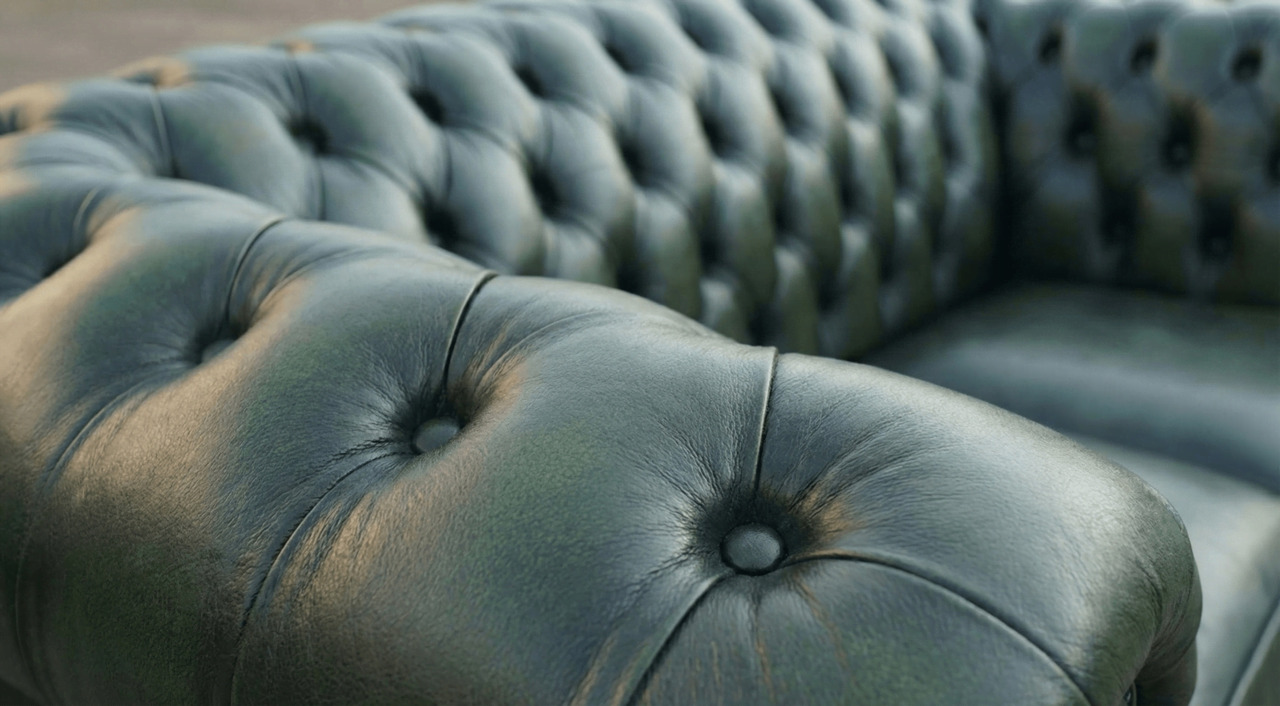
Cleaning the button areas requires a slower, more meticulous approach than cleaning flat surfaces.
Useful Tools That Can Help With Button Cleaning
A few basic tools can make the cleaning process easier and more precise:
- A soft upholstery brush
- A microfibre cloth
- A vacuum with a crevice attachment
- Cotton buds for reaching tight spots
- A handheld steamer (for fabric and velvet)
- A small soft paintbrush for delicate creases
- If you choose to use a toothbrush, make sure it has soft bristles to avoid damaging the leather, fabric or velvet around the buttons.
These items help you clean accurately around each button without risking damage to the leather, fabric or velvet.
Cleaning Rules
Here is a clear step-by-step guide to help you clean Chesterfield sofa button areas safely.
Try Simple, No-Product Methods First
Before reaching for any cleaning products, start with gentle DIY techniques. For many sofas, especially those only slightly dusty, this is often enough to refresh the button-tufted areas. Use a soft-bristled upholstery brush or a clean microfibre cloth to loosen debris. A vacuum cleaner with a narrow nozzle attachment can also help remove dust that has settled deep within the folds without pushing it further into the material.
Use a Cleaning Kit Suitable for Your Upholstery
If simple methods aren’t enough or the buttons still look dirty, move on to specialist cleaning products. If you own a leather Chesterfield, it’s essential to use approved cleaning products. A dedicated Leather Care Kit is specially designed to clean, protect and maintain premium leather without causing cracks, colour fading or surface damage. The kit includes everything needed for the cleaning process — a gentle leather cleaner, a protection cream, and the appropriate sponge and cloth to apply them. The cleaner helps lift deep dirt, while the protection cream conditions the leather and adds a protective layer that repels stains; applying it twice a year is usually enough to keep the leather supple and extend its lifespan.
For fabric and velvet models, choose a cleaning kit created for those materials—never mix products meant for different surfaces.
Test Before You Clean
Whatever solution you choose, always test it on a hidden spot first. This prevents unexpected fading or marks, especially on delicate velvet.
Cleaning Buttons on Different Upholstery Types

Different upholstery materials require different methods, so here’s the safest way to clean each type of Chesterfield button area.
Leather Buttons
Leather is long-lasting but still requires mindful care. Apply a small amount of leather cleaner from your cleaning kit onto a soft cloth, never directly onto the button. Using gentle circular motions, clean around each button carefully. If a button is particularly dirty, use a cotton bud to clean the tight creases without oversaturating the leather. After cleaning, apply a leather protector to help maintain suppleness.
Fabric Buttons
With fabric, be cautious not to oversoak the spot. Mix a small amount of mild upholstery shampoo with lukewarm water. Dip a soft cloth into the mixture, wring it out well, then gently dab the creases and folds around the button. Use a clean cloth dipped in plain water to remove residue. Allow the area to air-dry naturally.
Velvet Buttons
Velvet requires a more delicate approach. Use a dry brush to lift the pile first. A small handheld steamer can help loosen dirt, but avoid pressing too hard. Use a lightly damp cloth to remove surface marks, working gently to avoid crushing the pile. Once dry, brush the fibres back into place.
For the full sofa, the same rule applies: match the method to the upholstery. We also share dedicated guidance for cleaning leather sofas, fabric sofas, and velvet sofas.
Addressing Stubborn Spots
Occasionally, individual buttons may require extra attention. If you need to clean a Chesterfield sofa button with a stubborn spot, a cotton bud dipped either in leather cleaner (for leather upholstery) or diluted fabric shampoo (for textiles) can help you remove the mark precisely without affecting the surrounding area.
Avoid using harsh tools such as metal picks or abrasive brushes, as they can snag fabric, scratch leather or distort the tufting. Stick to soft brushes, microfibre cloths and cotton buds.
DIY vs Professional Care
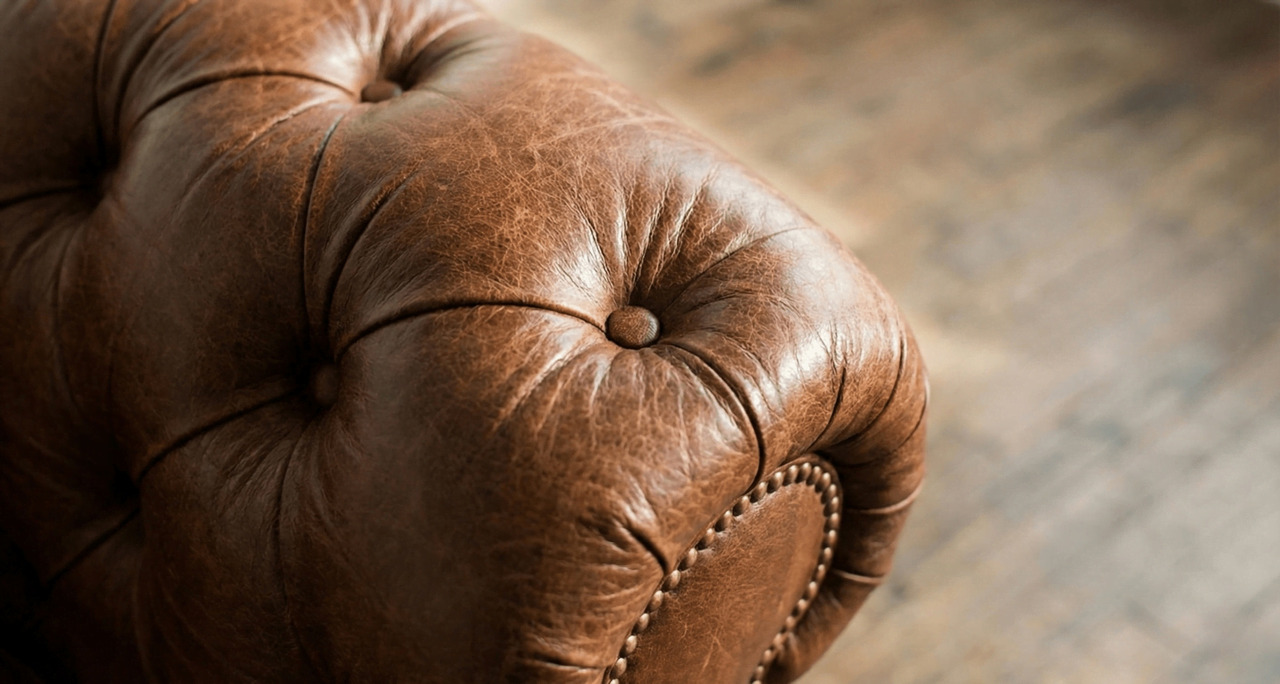
Most homeowners can confidently tackle button cleaning using DIY methods, especially with high-quality cleaning products. However, consider professional cleaning if:
- The sofa has extensive staining
- The material is extremely delicate
- You’re unsure which cleaning kit to use
- The buttons appear loose or the tufting has shifted
Maintaining Your Chesterfield Between Deep Cleans

To reduce the need for frequent deep cleaning, adopt these simple maintaining habits:
- Vacuum the button areas weekly with a soft attachment.
- Keep pets off the furniture where possible.
- Rotate cushions to prevent uneven wear on fabric models.
- Use a leather protector regularly if you own a leather Chesterfield.
- Remove small spills quickly before they settle into button folds.
- Keep the sofa away from direct sunlight to prevent fading.
By incorporating these methods into your routine, you’ll maintain the structural integrity and polished look of your sofa for years.
Final Thoughts
Understanding how to clean Chesterfield sofa buttons properly is essential for prolonging the beauty of your furniture. Whether you’re dealing with leather, fabric or velvet, the key lies in gentle methods, the right tools and using the correct cleaning products. A thoughtful approach prevents unnecessary damage and ensures each button remains tight, clean and elegant.
If you’re investing in a new Chesterfield or want quality after-care solutions, Designer Sofas 4U offers expertly crafted sofas and specialised cleaning accessories tailored for long-term care. You may also find our guidance on cleaning sofa arms and washing sofa covers useful. With the right routine, your Chesterfield will remain a stunning centrepiece in your home for decades.
FAQ
How often should I clean Chesterfield sofa buttons?
Light cleaning once a week is usually enough to prevent dust build-up. A deeper clean every few months helps maintain the shape and appearance of the button-tufting.
Can I clean Chesterfield buttons without using specialist products?
Yes. You can start with simple methods such as a soft brush, a microfibre cloth or a vacuum with a crevice attachment. If the buttons still look dirty, move on to a suitable cleaning kit.
Which types of sofas do you produce?
We create handcrafted furniture including leather, fabric and velvet Chesterfield sofas, as well as classic and contemporary designs made with premium materials.
Is a leather protection cream necessary after cleaning?
For leather upholstery, applying a protection cream helps condition the material, repel stains and extend the lifespan of the sofa.
How can I clean a sofa quickly?
Start with a thorough vacuum, then spot clean only where needed. Focus on high-contact areas first, use minimal moisture, and allow the sofa to dry fully before using it again. For a full step-by-step routine, see our guide on how to clean a sofa.