
.jpg)
How to Wash a Sofa Cover: Key Considerations and Helpful Tips
On many modern sofas, the covers form part of the upholstery itself and are designed to be removed for cleaning and care. These fitted covers make it easier to look after your furniture and keep it fresh in everyday use.
Because they are tailored to the shape of the sofa, using the wrong methods for how to wash a sofa cover can lead to shrinkage, colour loss or a poor fit, leaving the furniture looking misshapen or uncomfortable. Most damage happens not because covers are washed too often, but because incorrect washing methods are used.
This guide explains safe and practical methods for cleaning sofa covers at home. It takes you through preparation, washing, drying and long-term care, so you can understand exactly how to wash a sofa cover without damaging your furniture.
Understanding the Features of Sofa Covers Before Washing
Before removing a sofa cover, it is important to understand its construction and fabric type.
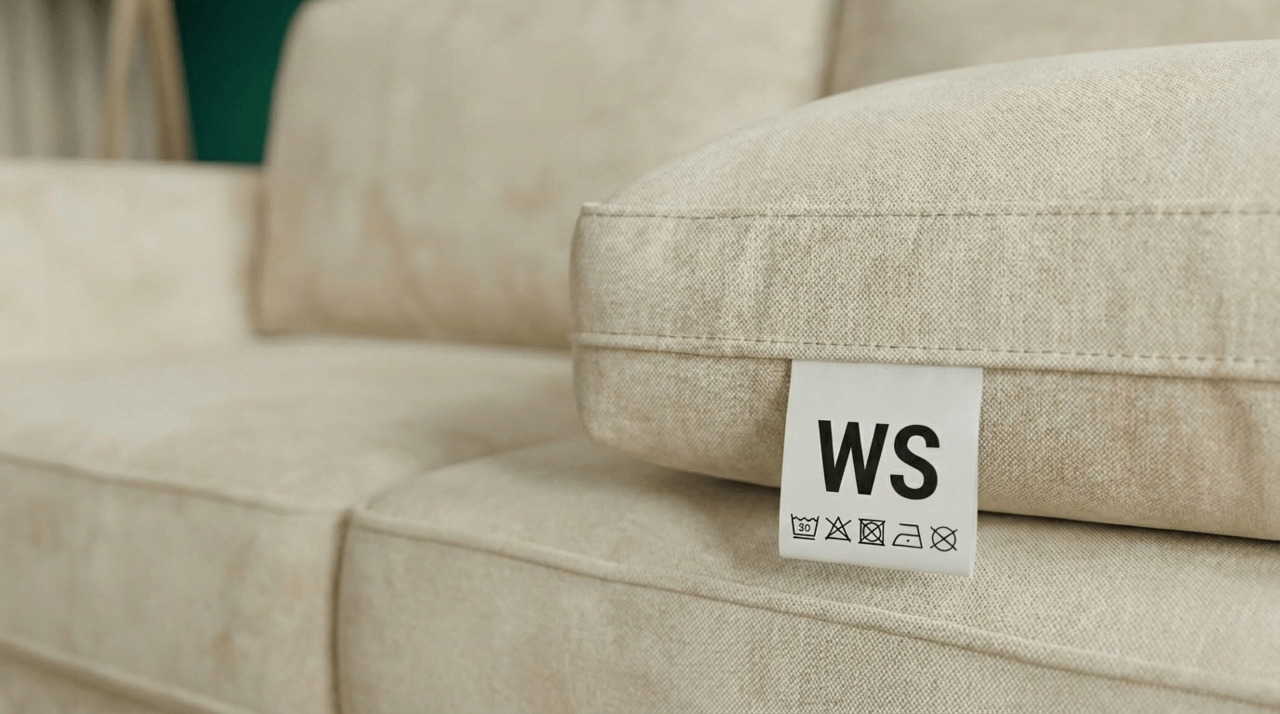
Why the Care Label Matters
The care label provides essential guidance on how the cover should be cleaned. It tells you whether water washing is permitted, if solvent-based cleaning is required, or whether professional treatment is recommended. Ignoring these instructions is one of the most common reasons sofa covers become damaged.
Understanding the exact fabric and construction of your material sofa helps you choose washing methods that clean effectively without compromising fit or comfort.
Key Risks to Be Aware Of
When washing covers, three main risks should always be considered:
- Colour transfer — darker dyes may bleed during washing
- Shrinkage — heat and high spin cycles can tighten fibres
- Loss of shape — aggressive washing can distort fitted covers
A simple spot test using water on a hidden area can help identify potential problems before you commit to a full wash.
Washing is usually safe for removable fabric covers designed for routine care. However, tightly structured covers or luxury finishes may benefit from professional cleaning instead of DIY methods.
Leather vs Fabric Sofa Covers: Key Differences
Not all sofa covers are suitable for washing.
Leather Sofa Covers
Leather should never be machine-washed. Water and detergents strip natural oils from the surface, leading to stiffness, cracking, and permanent damage. Owners of leather sofas should focus on surface cleaning, conditioning, and protective care. Using a dedicated leather care kit helps maintain softness and prevents premature ageing.
Despite the fact that leather cannot be washed, the covers on many leather sofas are still removable, as seen on the Dallas 3+2 Seater Electric Reclining Sofa Suite. This type of cover makes it easier to access the surface for cleaning and professional care when needed. However, remember that deep cleaning of leather covers is best left to professionals. If you are looking for a leather sofa, you can see a full range of leather models on the Designer Sofas 4U website.

Fabric Sofa Covers
Covers used on many fabric sofas are designed to be removable and make cleaning easier. They allow a wider range of washing methods and are far more forgiving when handled correctly. For example, many of our Chesterfield models are upholstered in fabric and have cushion covers that can be washed.
For material-specific sofa care, see our guides to cleaning velvet, leather, and fabric sofas.
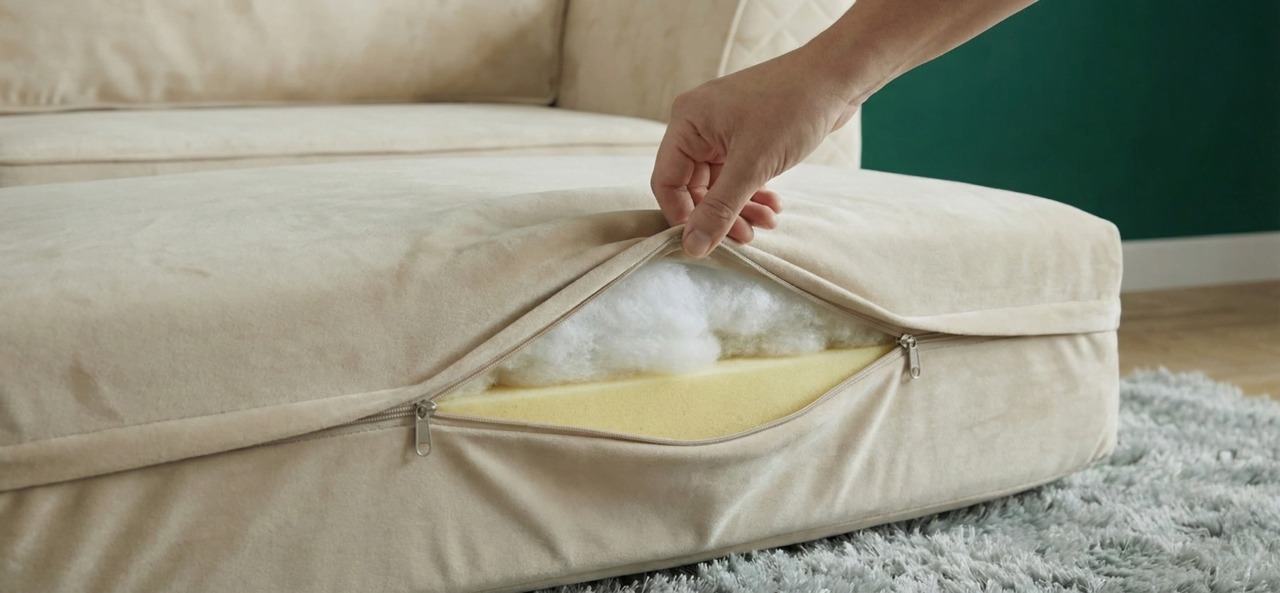
Preparation Before Washing Fabric Sofa Covers
Proper preparation significantly reduces the risk of damage and improves the final result.
Before Washing, Always:
- Vacuum covers thoroughly to remove dust, crumbs, and pet hair
- Remove covers carefully without pulling or stretching seams
- Spot-test cleaning products on a hidden area
- Sort covers by colour and fabric type
- Close all zips, buttons, and fastenings
Covers that already look visibly dirty should never be rushed into washing without proper preparation, as embedded grime can become harder to remove once exposed to water.
Use the right tools and suitable cleaning kits to achieve the best results.
How to Wash Fabric Sofa Covers by Hand
Hand washing is often the safest option for delicate fabrics, structured designs, or detailed stitching.
Step-by-step method:
- Fill a basin with lukewarm water
- Add a mild detergent designed for upholstery
- Gently agitate the fabric by hand
- Avoid twisting or wringing
- Rinse thoroughly
- Press excess water out with a towel
This method allows maximum control and minimises the risk of shrinkage or distortion.
Professional Dry Cleaning
Dry cleaning is recommended for fabrics that react poorly to water or have a heavy structure. Certain finishes, including those found on velvet Chesterfield sofas, benefit from professional care to preserve texture and colour depth.
Although dry cleaning is more expensive, it reduces the risk of irreversible damage for sensitive materials. This is particularly helpful when washing sofa seat covers or washing settee covers in busy households.
How to Wash Sofa Covers in Washing Machine
Many modern covers can be machine-washed if the care label allows it.
Safe Machine-Washing Checklist:
- Gentle cycle
- Cool temperature
- Low spin speed
- Mild detergent only
- No bleach or fabric softener
Wash one cover at a time to reduce friction and prevent uneven wear. When done correctly, this is often the best way to wash couch covers without compromising fit or appearance.
Drying Fabric Sofa Covers Correctly
Drying is one of the most critical stages of the process. Using steam or high heat during drying may seem like a quick fix, but it often increases the risk of shrinkage and fabric distortion. Tumble dryers pose a high risk of shrinkage and stiffening, particularly for natural fibres. Air-drying is the safest option.
Best Practices for Drying:
- Lay covers flat or hang evenly
- Reshape while damp
- Allow good air circulation
- Avoid radiators and direct sunlight
Refitting covers slightly damp helps them settle naturally and prevents tightness once dry.

What You Should Never Do When Washing Sofa Covers
Avoid the following mistakes, as they commonly lead to permanent damage:
- Hot water or high spin cycles
- Aggressive cleaning products or bleach
- Mixing light and dark colours
- Overloading the washing machine
- Drying covers on radiators or in direct sunlight
Extra Tips to Keep Sofa Covers Looking New
Regular cleaning sofa covers helps prevent heavy dirt build-up and reduces the need for frequent deep washing. Treating a fresh stain immediately is far more effective than waiting until the next full wash, as marks tend to set deeper into the fabric over time.
These small habits play a key role in maintaining the shape, colour, and overall condition of removable sofa covers.
Practical Maintenance Tips:
- Address spills immediately with gentle spot cleaning
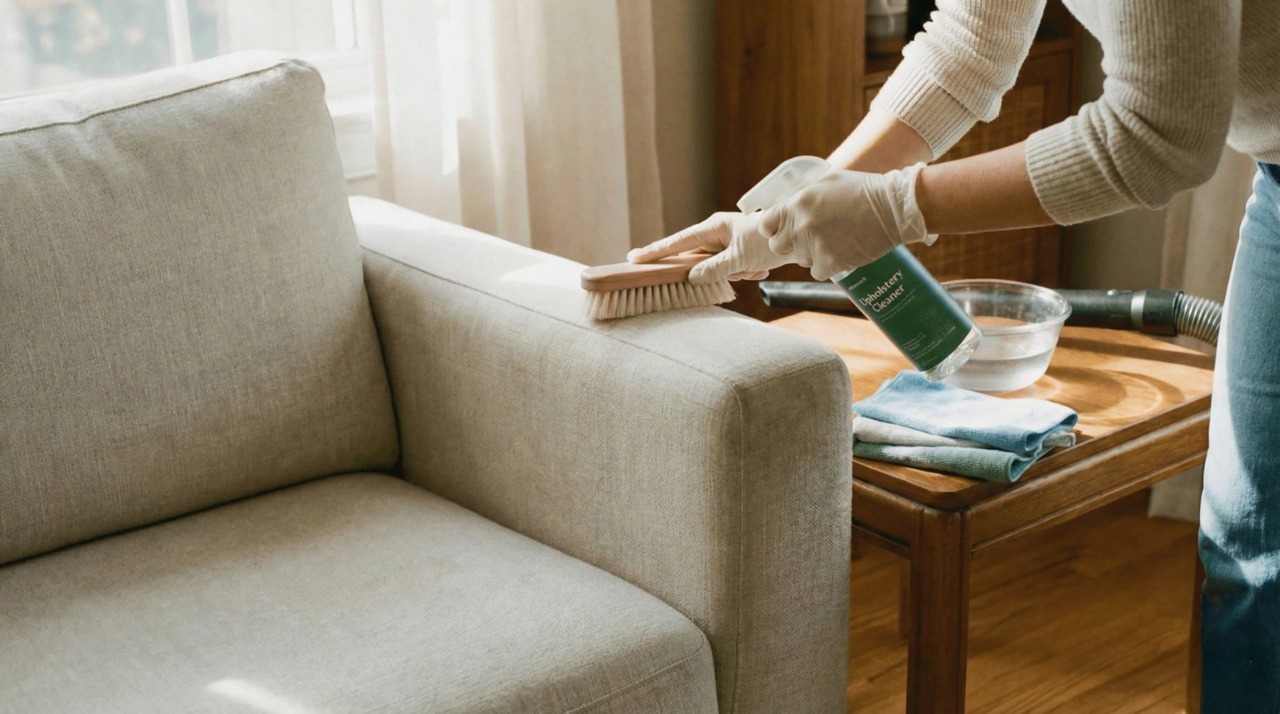
- Use a soft brush for surface dirt
- Rotate removable covers to distribute wear
- Use throws or protectors on high-contact areas
A useful prevention hack is to use a light fabric spray or upholstery protector, which helps repel dirt and spills before they soak into the covers.
To keep the whole sofa looking its best, you may also find our guides on Chesterfield button cleaning and sofa arm cleaning helpful.
Quick Reference Table: Washing Methods by Fabric Type
| Fabric Type | Washing Method | Notes |
|---|---|---|
| Cotton / Polyester | Machine or hand wash | Cool water, gentle cycle |
| Linen blends | Hand wash or dry clean | Prone to shrinkage |
| Velvet | Professional cleaning | Avoid water where possible |
| Leather | Do not wash | Wipe and condition only |
Conclusion
With a simple routine and the right approach to cleaning sofa covers at home, it becomes easy to keep your sofa fresh, comfortable and looking its best — even in busy households.
By choosing the right cleaning methods, following care labels and avoiding heat and harsh detergents, you can prevent shrinkage, colour loss and poor fit. Small habits, such as treating spills early, reshaping covers while damp and using gentle washing cycles, make a noticeable difference in how well your covers perform in everyday use. Over time, this practical care helps extend the life of both the covers and the furniture underneath, ensuring your sofa continues to look good and feel comfortable for years to come.
If you are reviewing your current seating or considering new fabric options, exploring the Designer Sofas 4U collections can be a helpful next step. Our range focuses on practical design, quality materials and sofas suited to real homes. You can browse the available styles and fabric options on our website.
FAQ
Can You Put Sofa Covers in the Washing Machine?
Yes, you can put sofa covers in the washing machine if the care label specifically allows water washing. In most cases, this means using a gentle cycle, cool water, and a mild detergent designed for upholstery or delicate fabrics. Washing one cover at a time helps reduce friction and prevents uneven stretching, especially for fitted covers.
Always avoid high spin speeds, fabric softeners, and bleach, as these can weaken fibres and cause shrinkage. If the label advises against machine washing, alternative methods such as hand washing or professional cleaning are safer options. You may also find our quick sofa cleaning tips helpful.
Can You Wash Fabric Couch Covers at Home?
You can wash fabric couch covers at home when they are removable and labelled as suitable for water-based cleaning. Preparation plays a key role here. Vacuuming first, spot-testing detergents, and choosing the right washing method all help reduce the risk of damage.
Delicate fabrics, detailed stitching, or structured covers may still benefit from hand washing rather than machine cleaning. When handled carefully, home washing can be an effective way to maintain hygiene and freshness without professional equipment.
How Often Should You Wash Couch Covers?
How often you should wash couch covers depends largely on how the sofa is used. In most homes, washing every three to six months is sufficient to maintain cleanliness and appearance. However, households with pets, children, or frequent use may need more regular cleaning.
Between full washes, addressing small spills quickly and using throws or arm protectors can help reduce dirt build-up and extend the time between washes.
Can You Dry Clean Sofa Covers?
Dry cleaning sofa covers is recommended for fabrics that do not respond well to water or are prone to shrinkage, such as velvet, heavy weaves, or tailored designs. Professional dry cleaning helps preserve texture, colour depth, and structure where home washing could cause irreversible damage.
Before choosing dry cleaning, always check the care label and consult a specialist cleaner familiar with upholstery rather than standard garments.