
.jpg)
Fabric vs Leather Sofa: Pros, Cons & Which Is Better for You?
Choosing between a fabric and a leather sofa can feel like a difficult decision. Our fabric vs leather sofa guide is here to make that choice easier.
We’ll look at the key factors you should consider – comfort, style, durability, ease of care, budget, allergies, children and pets – so you can decide what truly suits your home, rather than simply what looks good in a showroom.
As a British manufacturer and retailer, Designer Sofas 4U works with both fabric and leather every day. We understand how different materials behave over time, what they’re like to live with, and which options suit different lifestyles. In this article, we’re sharing that knowledge so you can choose your next sofa with confidence.
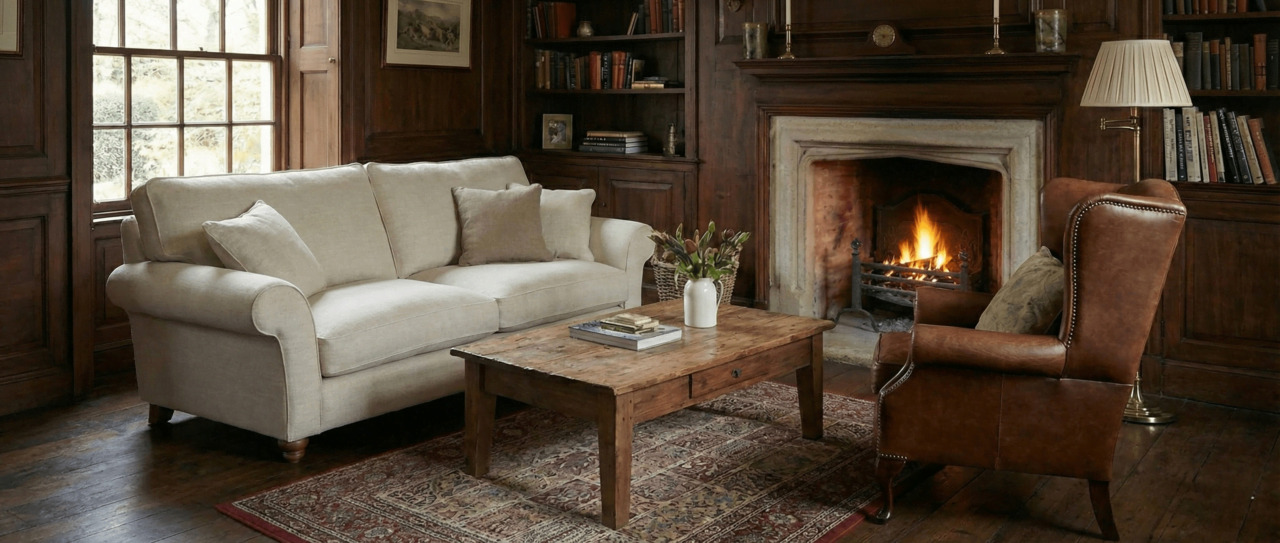
Difference Between Fabric and Leather Sofa
Overall look and feel
Fabric and leather can give the very same sofa design a completely different character.
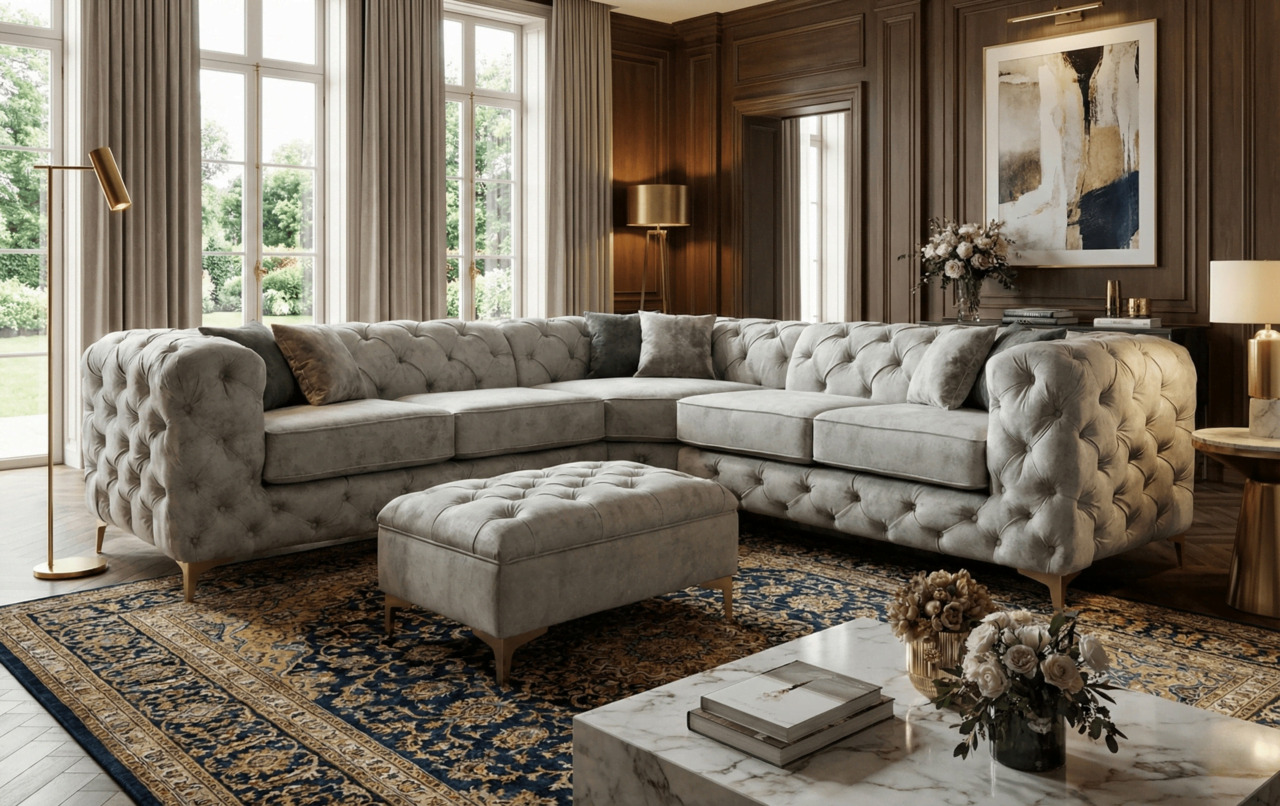
Fabric sofas tend to look softer and cosier. They’re great for relaxed, homely interiors, and work beautifully in Scandi, modern rustic, boho or family living rooms. Patterns, textures and colours are almost endless.
Leather sofas usually feel more formal and refined. They’re a natural match for classic interiors, glamourous spaces or sleek contemporary homes. A leather Chesterfield, for example, can look luxurious and timeless, while the same Chesterfield in velvet or woven fabric can feel more playful or modern.
One and the same sofa shape – such as a Chesterfield or a clean-lined modern sofa – can complement very different interior styles depending on whether you upholster it in fabric or leather.
Comfort and seating experience
Comfort is personal, but there are some consistent differences:
Fabric is naturally warmer and doesn’t feel cold when you first sit down. It’s less likely to feel “sticky” in hot weather and doesn’t have the same slip as leather, so you tend to stay where you sit.
Leather can feel cool at first, then quickly warm to your body temperature. Some people love this; others find it a little chilly in winter without a throw. Leather can be a bit more slippery, especially on firmer seat cushions.
Both fabric and leather can be made with soft or more supportive fillings, so the underlying construction of the sofa matters just as much as the covering.
Durability and wear over time
Both options can last for many years if you choose good-quality materials and look after them.
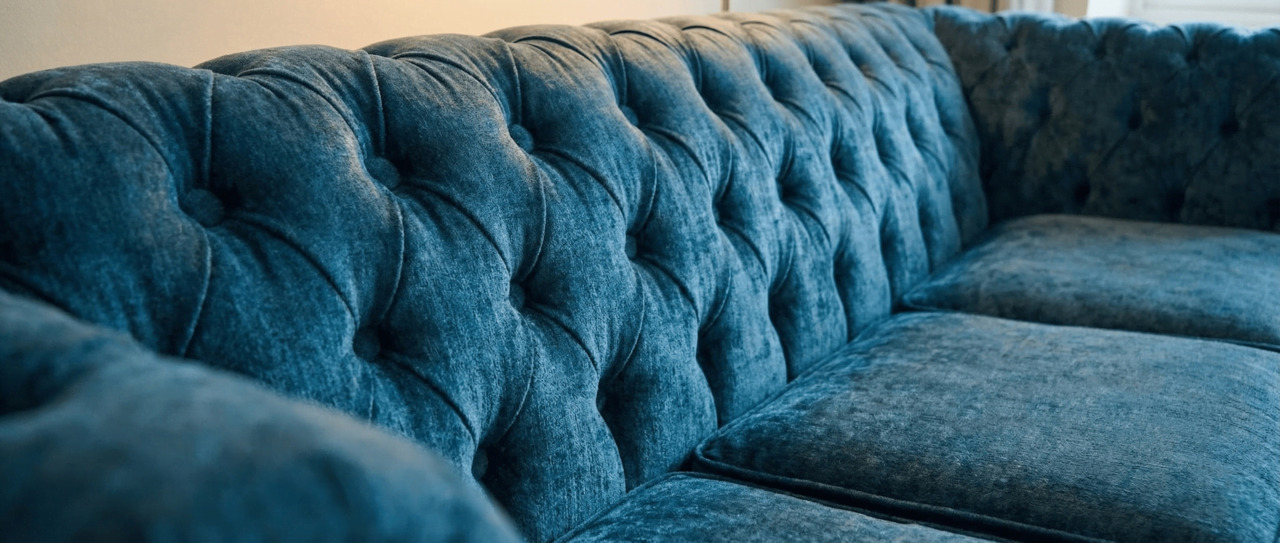
Fabric:
- High-quality upholstery fabrics are designed to withstand daily use and can be very durable.
- They may be more prone to pilling, snagging or flattening of the pile over time, depending on the weave and fibre content.
- Choosing a dense, hard-wearing fabric (or an easy-clean performance fabric) makes a big difference to how long it stays looking smart.
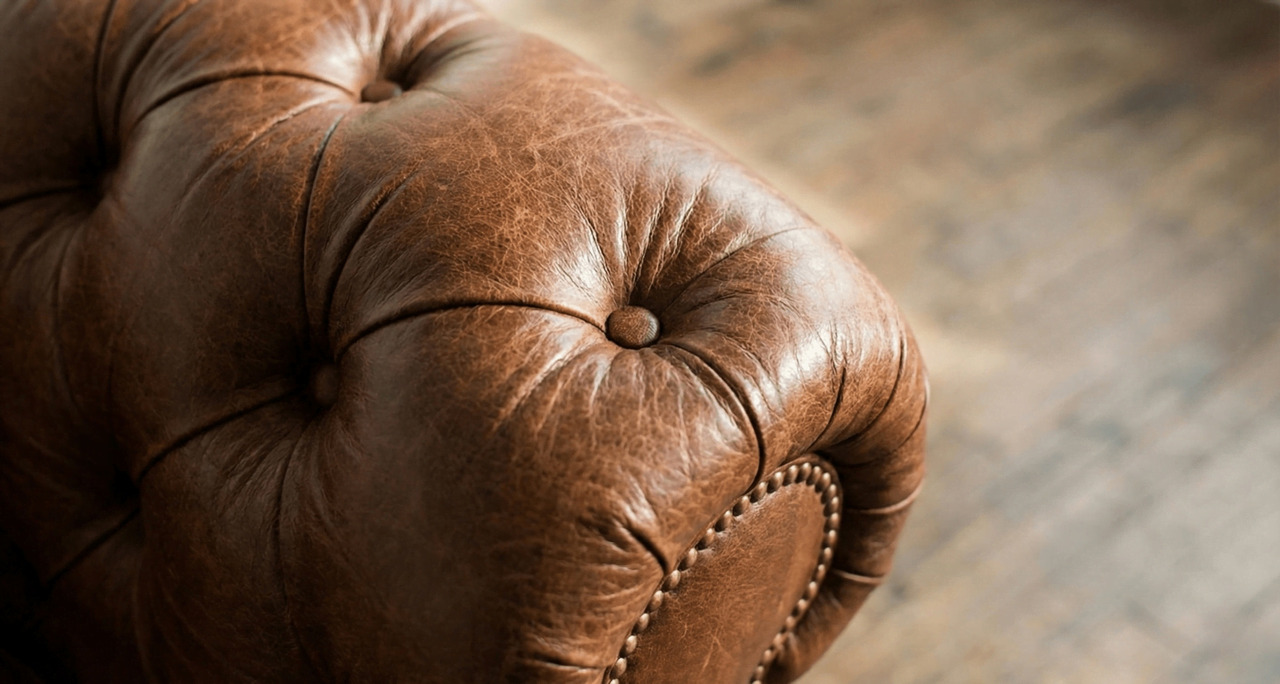
Leather:
- With proper care, a quality leather sofa can last for decades.
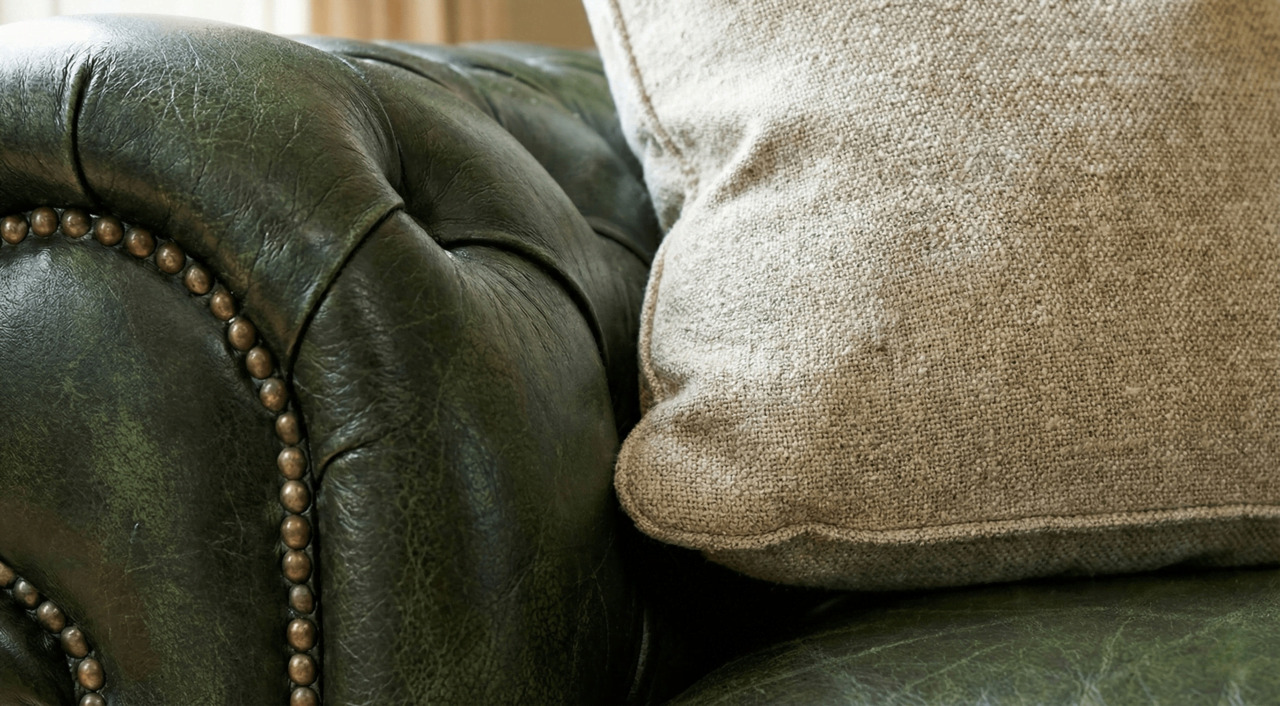
- It can develop a patina – subtle changes in colour and texture – which many people find characterful.
- However, it can be vulnerable to scratches, especially with pets, and needs occasional conditioning to prevent drying or cracking.
How the sofa is used – busy family room vs occasional sitting room – will influence which material wears better in your home.
Cleaning and maintenance
Both fabric and leather require regular care, but in different ways.
Leather:
- Everyday dust and light dirt usually wipe off easily with a soft cloth.
- Spills should be blotted quickly; some liquids can stain if they’re left to soak in.
- Certain cleaning products can damage leather, so it’s worth using a leather-specific care kit and following the manufacturer’s advice.
Fabric:
- Needs regular vacuuming to remove dust and crumbs.
- Spills may require spot cleaning, following the fabric’s care label.
- Some modern fabrics are treated with stain-resistant finishes or are classed as “easy clean”, making day-to-day life simpler.
Different fabrics and leather types behave differently, which is why getting advice from the manufacturer or retailer is so useful.
Cost, value and longevity
Leather sofas tend to be more expensive upfront, particularly when you choose genuine, high-grade leather. However, their longevity can mean excellent value over time.
Fabric sofas often start at a lower price point. Even at higher price levels, they may give you more options in colours, patterns and textures within the same budget.
Instead of thinking just in terms of initial cost, it’s worth considering value for money over the lifespan of the sofa – including how well it will cope with your household’s daily routine.
Which Sofa Is Better – Leather or Fabric?
There is no single right answer to the question “which sofa is better, leather or fabric?” It depends entirely on your priorities: how you use your living room, who lives in your home, and the sort of look you love.
To help you compare, here’s a simple overview.
Fabric vs Leather Sofa: pros and cons table
| Criteria | Leather sofa | Fabric sofa |
|---|---|---|
| Look & style | Luxurious, classic, sleek; great for formal or modern interiors | Cosy, relaxed, versatile; huge range of colours, patterns and textures |
| Comfort (day to day) | Initially cool, then warms to the body; can feel a little slippery | Naturally warm and soft; generally less slippery and more “snuggly” |
| Cleaning & everyday care | Easy to wipe down; needs correct products to avoid damage | Needs vacuuming and occasional spot cleaning; some fabrics are easy-clean |
| Durability & wear | Very long-lasting with care; can scratch or crack if neglected | Durable with the right fabric; may pill, fade or flatten over many years |
| Families with children | Great if you’re worried about spills – most food and drink wipes away quickly. | Fabric is still a strong choice if you pick a durable, easy-clean material and are willing to vacuum and spot-clean as needed. |
| Homes with pets | Wipes clean easily; claws may leave visible scratches | Less showy scratches; can hold hair and odours if not cleaned regularly |
| Allergies & dust | Doesn’t trap dust in the same way as woven fabrics | Can be suitable if vacuumed regularly and chosen with allergies in mind |
| Budget & value | Usually higher initial cost; strong long-term value | Often more affordable; huge choice at different price points |
Many Designer Sofas 4U models can be made in both leather and fabric, allowing you to pick the design you love first, then choose the material that suits your lifestyle.
Buying your sofa directly from the manufacturer also means extra peace of mind, including:
- Strict quality control at every stage of production
- A strong, reliable frame and high-grade fillings
- A wide choice of fabrics and leathers
- Flexible configurations and layout options
- Swatches so you can see and feel materials at home
- Expert advice on care and ongoing aftercare if needed
- The option to have your sofa made to suit your interior, room dimensions and lifestyle
Summing up Fabric vs Leather Sofa
Both fabric and leather sofas can be stylish, comfortable and durable. Fabric usually offers more choice in colour and texture and has a naturally cosy feel. Leather brings a more polished look, is very easy to wipe clean and can last for many years with the right care.
The best choice is the one that fits your lifestyle: who uses the sofa, how often, for what, and the mood you want to create in your living room.
If you’d like some inspiration, we’d be delighted to welcome you to explore the range of sofas and other furniture available on the Designer Sofas 4U website. And if you have a particular design, size or layout in mind, we can also create a made-to-order sofa tailored to your space, style and everyday life.
FAQ
Which sofa is better – leather or fabric – for families with kids and pets?
There’s no single winner. Leather is great for quick wipe-downs after spills and muddy paws, but can scratch. Fabric can work just as well if you choose a durable, easy-clean material and keep up with vacuuming and spot-cleaning.
How long should a leather sofa last?
A well-made leather sofa should easily last many years, and often over a decade, especially if it has a strong frame, quality fillings and you clean and condition the leather regularly.
Are fabric sofas harder to clean than leather sofas?
Generally, yes – leather is easier to wipe clean. Fabric needs more vacuuming and occasional spot-treating, although modern easy-clean fabrics make things much simpler than they used to be.
Is a fabric sofa more comfortable than a leather sofa?
Often it can feel that way. Fabric is usually softer, warmer and less slippery, which many people find cosier. But overall comfort also depends on the depth, cushions and support of the sofa itself.
How difficult is it to clean a Chesterfield sofa?
Not difficult, but it does take a bit more care. The deep buttoning means dust and crumbs can collect in the folds, so you’ll need to vacuum more carefully and follow the care advice for your specific leather or fabric.
Is a leather or cloth couch better for everyday use?
Depending on your lifestyle, either a leather or a cloth couch may suit you well. Each option has its own benefits and drawbacks. Leather is easier to clean, while cloth feels softer and cosier. Explore the detailed comparison and choose the option that suits you best.
Should I add pillows to a leather or fabric sofa?
Yes, pillows can make either option more comfortable and inviting. They also help soften the look of a leather sofa and add extra texture and colour to a fabric one.