
.jpg)
How to Arrange Cushions on a Sofa: 5 Layouts You Can Copy Today
Cushions are a simple way to dress a sofa, decorate the space around it, and make it look more stylish and feel much cosier. They work just as well with a new sofa as they do when you want to give an older one a fresh lift. If you are wondering how to arrange cushions on a sofa, balance, colour and texture often make the biggest difference. Get that right, and the sofa immediately feels more put together. At Designer Sofas 4U, we often see how much this finishing touch can change the look of a room. In this guide, you will find easy layouts, clear ideas and practical tips you can try straight away.
How to Style Cushions on a Couch Without Overthinking It
The best way to start is not with colour, but placement. First, decide how many cushions your sofa needs. Then think about the look you want: neat and balanced, softer and more relaxed, or extra cosy. From there, keep two simple ideas in mind. Balance stops the sofa from looking messy. Variety stops it from looking flat. Even a small mix of sizes, shapes or textures can make the arrangement feel more natural.
5 Ways to Arrange Cushions on Your Sofa
These five layouts are easy to copy, and they include everything from simple symmetry to more relaxed and creative couch cushion ideas.
1. Two on Each Side
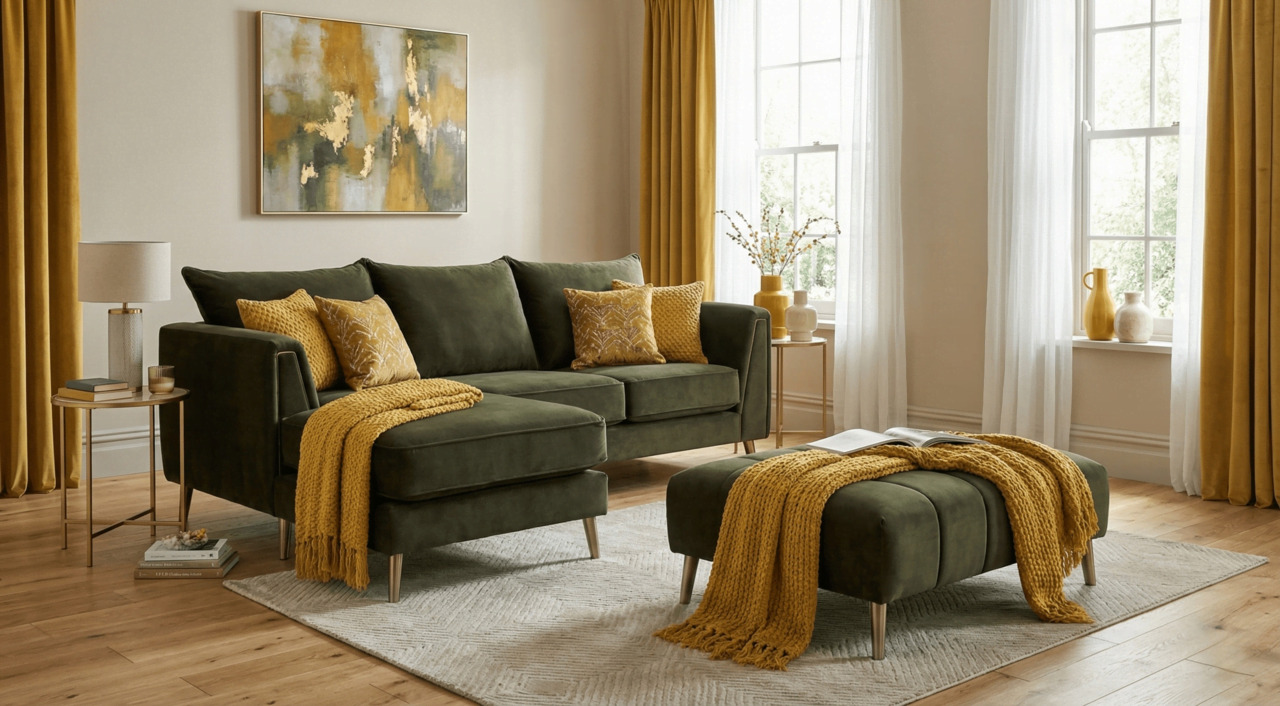
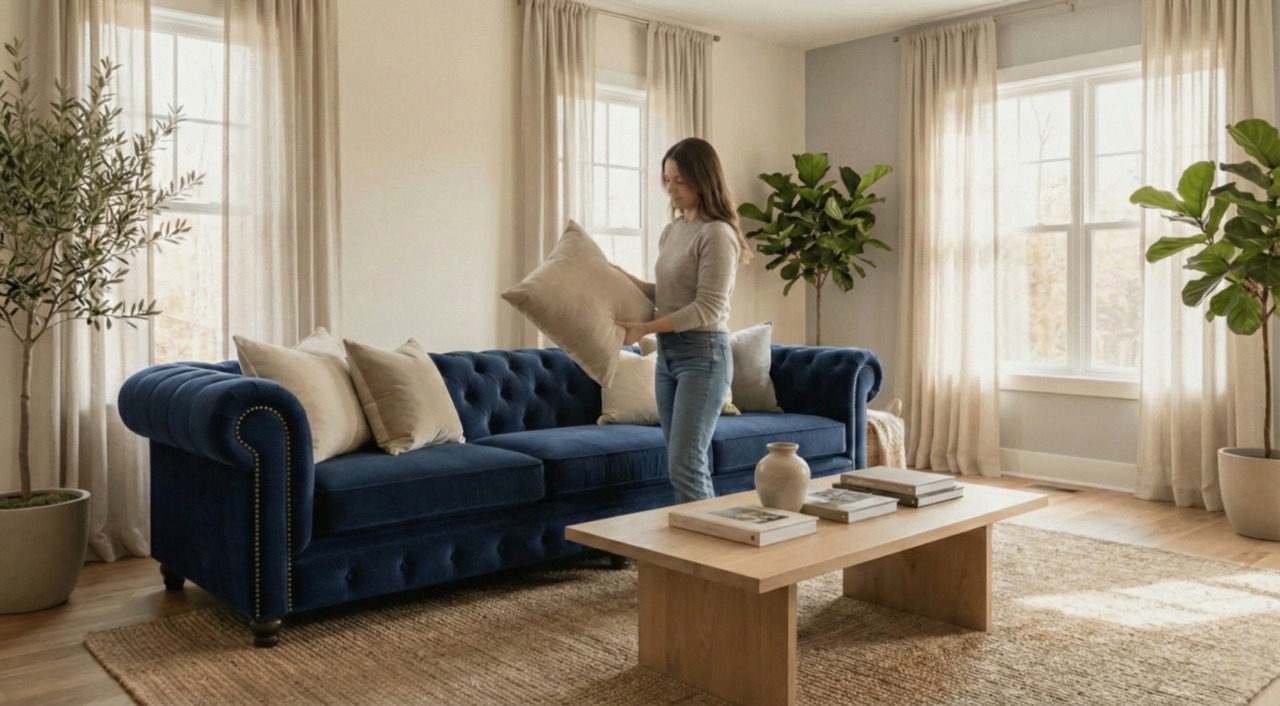
This is one of the simplest layouts to use. You can lay two cushions at each end of the sofa for a tidy, balanced look. They can match exactly, or vary slightly in fabric or pattern. If you want to make the arrangement feel less formal, add a smaller accent cushion at the front or choose one pair in a different texture, such as velvet or boucle.
2. Mix Sizes from Back to Front
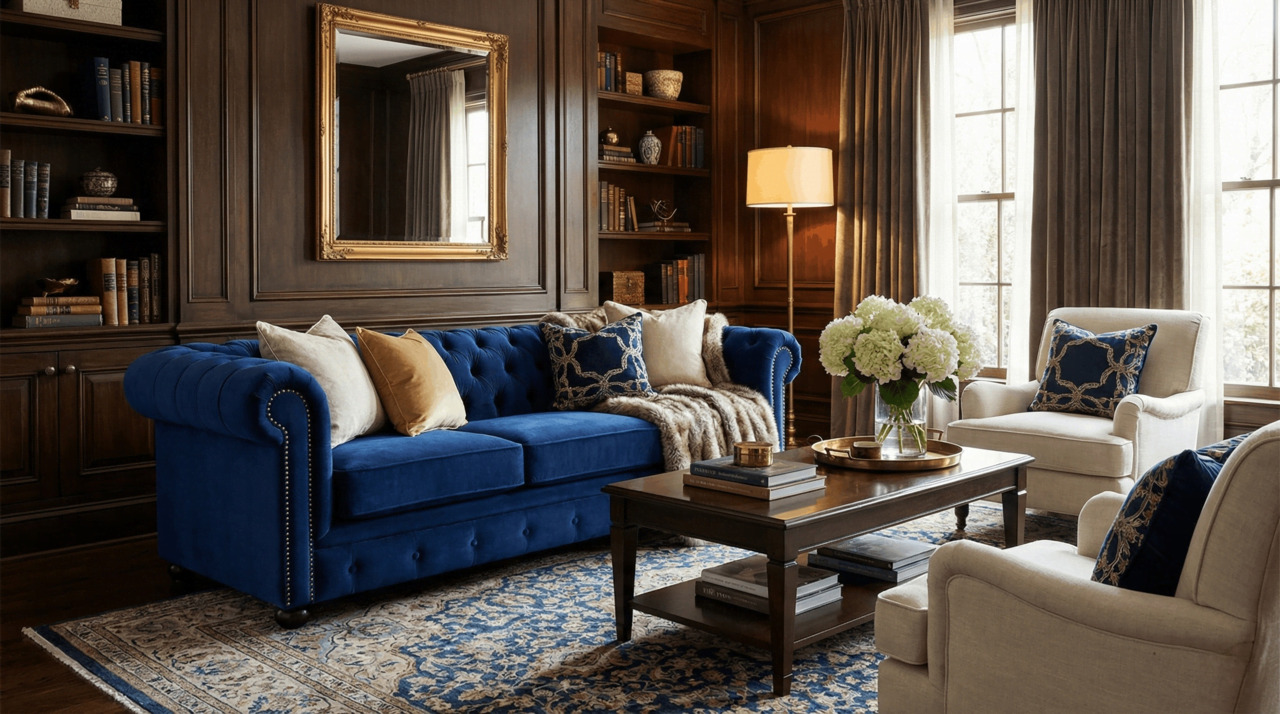
For a fuller, more layered look, place larger cushions at the back and smaller ones in front. This adds depth without making the sofa look overdone. Square cushions work well as the base, with a smaller rectangular lumbar cushion at the front. A simple example is 50x50 at the back, 45x45 in front, then one lumbar cushion in the centre.
3. One Side Full, One Side Clean
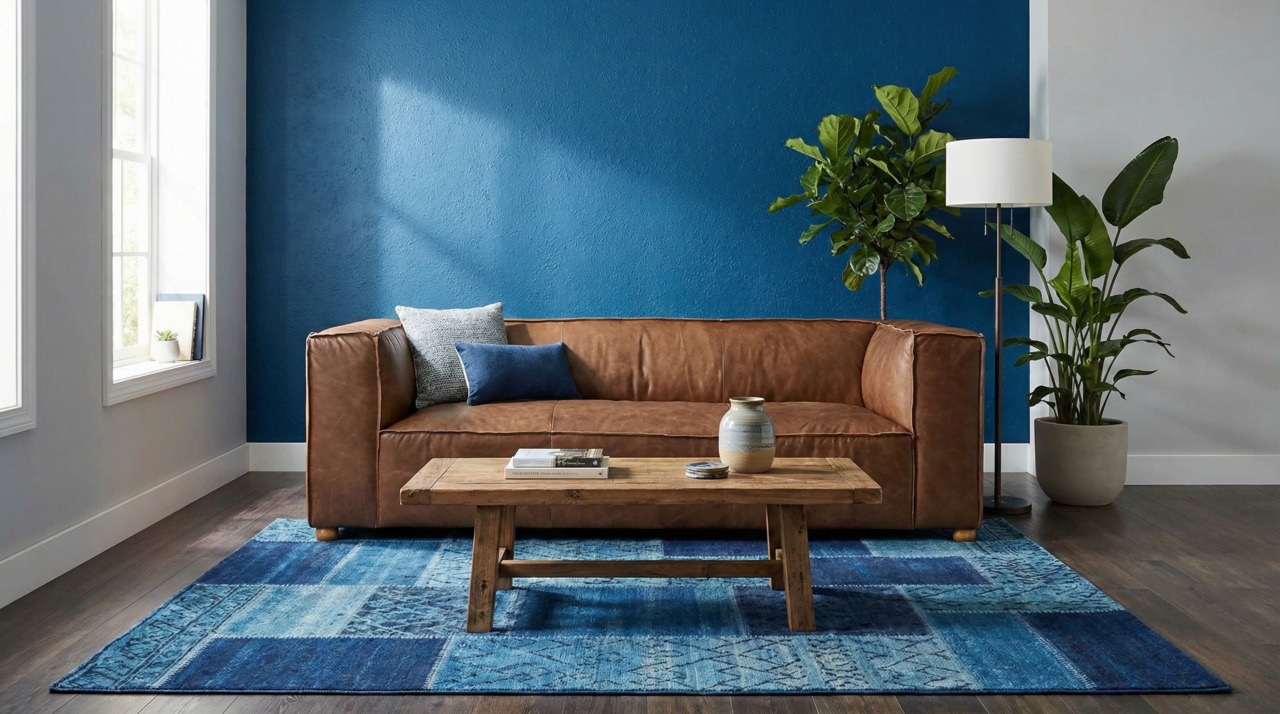
This layout puts more cushions on one side of the sofa and keeps the other side lighter. It creates a looser, more modern look than a perfectly even arrangement. It works especially well on larger sofas and corner sofas, where the extra space makes the off-centre styling feel more natural.
4. Just 2–3 Cushions, But Done Right
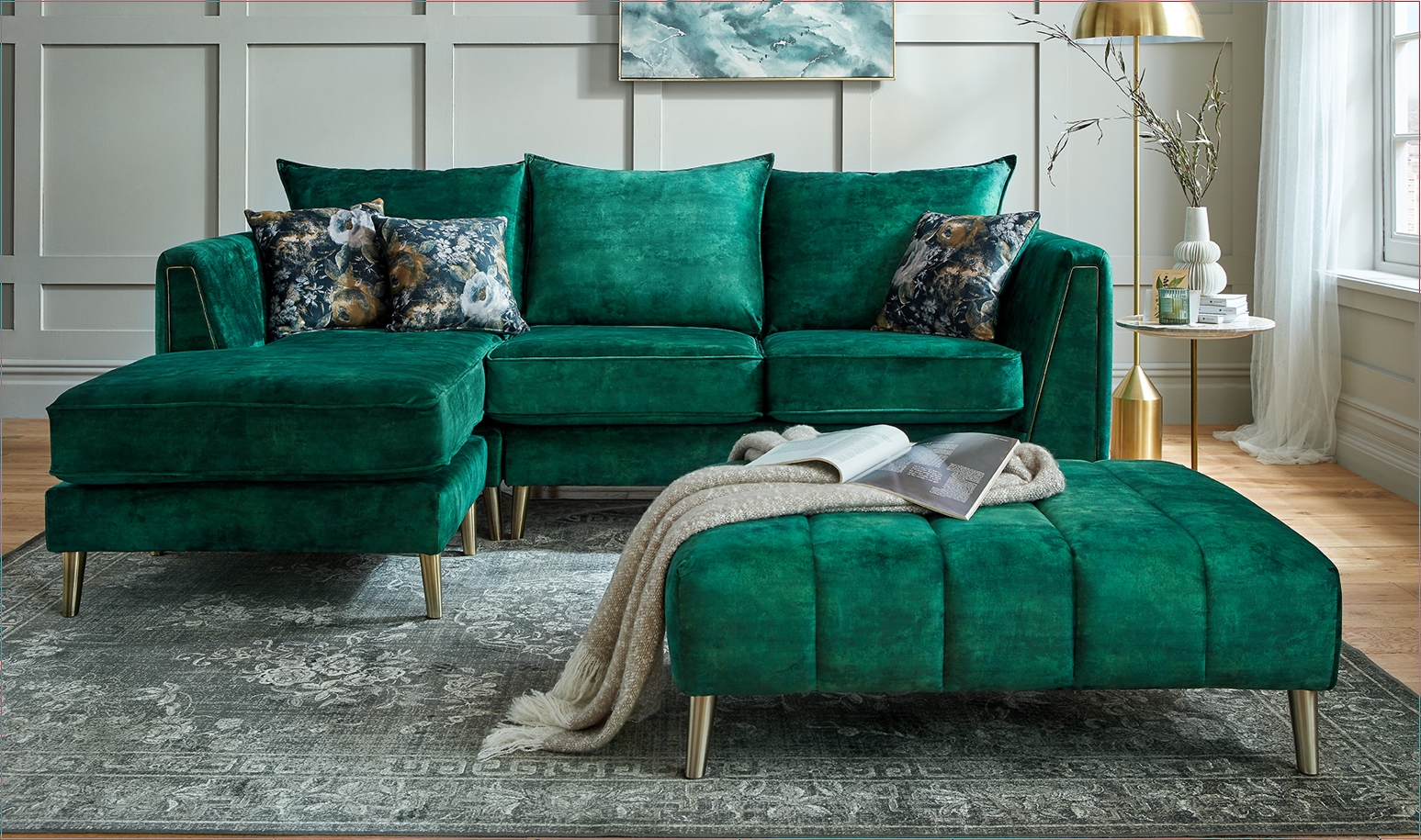
A sofa does not need lots of cushions to look finished. Sometimes two or three scatter cushions are enough. This works best when the cushions bring something clear to the sofa, such as a rich colour, an unusual shape or a more textured fabric. It is a strong option for smaller rooms, sofa beds, or homes where a simpler look feels right.
5. The Cosy Pile
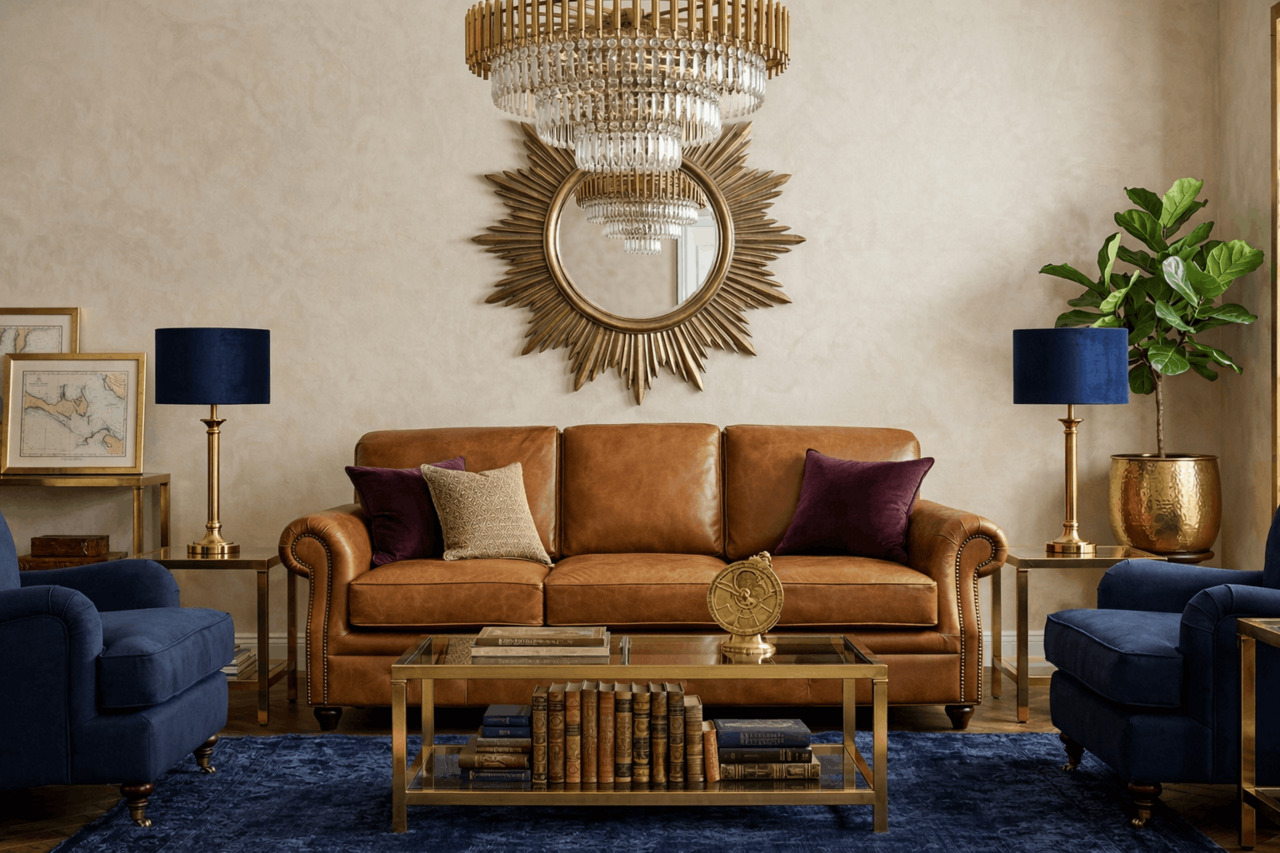
If you want the sofa to feel especially warm and inviting, a fuller arrangement can work beautifully. This suits deep sofas and family spaces where comfort matters as much as style. Mix sizes, shapes and fabrics so the arrangement still feels thoughtful rather than crowded. A good rule is to stop before the cushions take over the whole seat.
How Many Cushions Do You Actually Need?
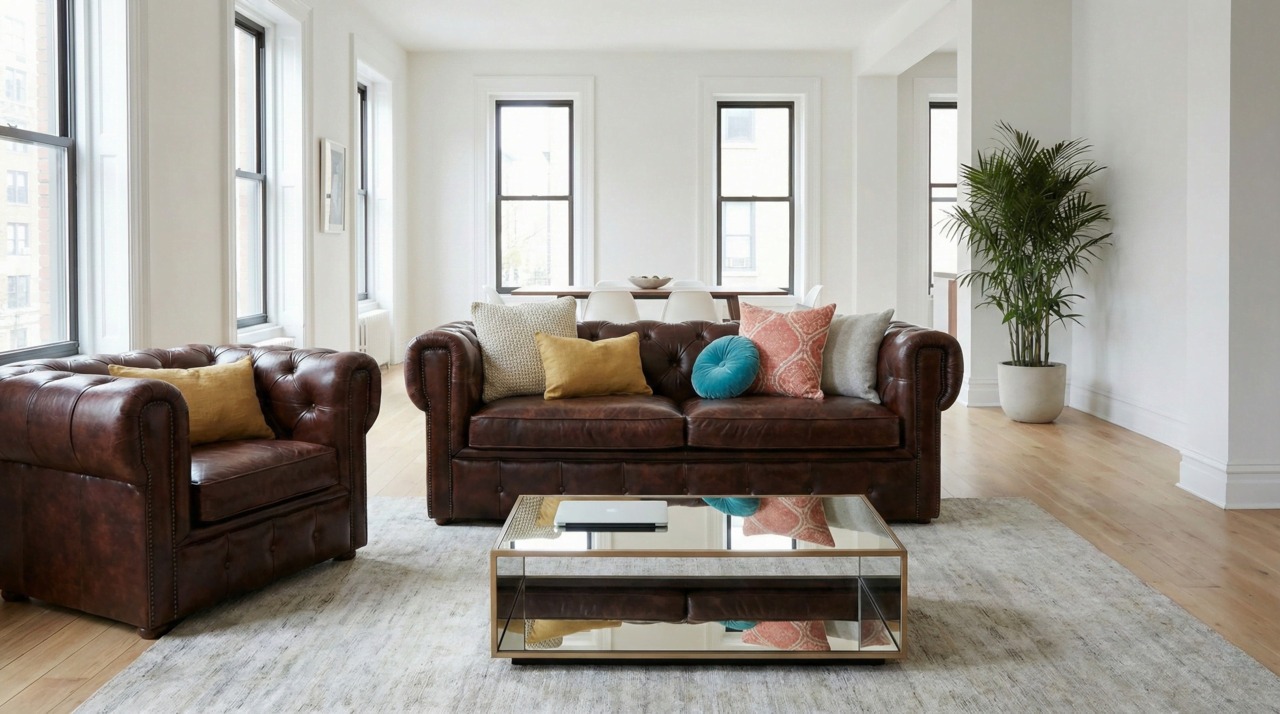
A 2 seater sofa usually looks best with 2 to 4 cushions. One on each side is often enough, while two on each side can work well on a slightly wider or deeper sofa.
A 3 seater sofa usually suits 4 to 6 cushions. Two on each side gives a neat look, while a smaller accent or centre cushion can make it feel softer.
A corner sofa can take 5 to 9 cushions, depending on the length of each side. A compact one often looks best with 5 or 6, while a large one can handle more.
Depth matters as much as width. A deep sofa can carry larger cushions and fuller arrangements. A shallower sofa usually looks better with fewer, so it still feels easy to sit on.
What Works for Different Sofa Types
Small Sofa, Simple Layout — How to Arrange Cushions on a 2 Seater Sofa
A simple layout usually works best for a 2 seater sofa cushion arrangement. Two matching cushions, one on each side, is often the easiest and smartest choice. If you want a little more detail, add a third cushion that is smaller or more decorative. The aim is not to fill the sofa, but to keep it looking neat and well judged.
How to Arrange Cushions on a 3 Seater Sofa — More Room to Play With
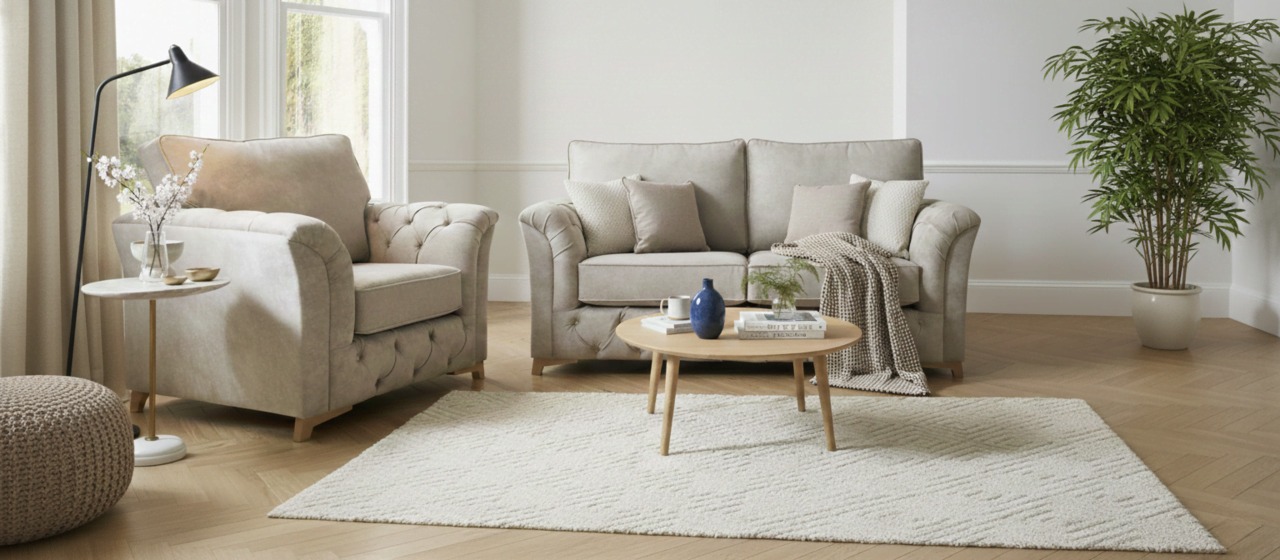
With a 3 seater sofa cushion arrangement, you have more freedom to try different layouts. For a tidy look, place two cushions at each end. For something softer, start with two larger cushions in the back corners, then add a smaller cushion in front on one or both sides. You can also add a lumbar cushion near the centre. The extra width makes it easier to try both symmetrical and more relaxed layouts.
How to Arrange Cushions on a Corner Sofa
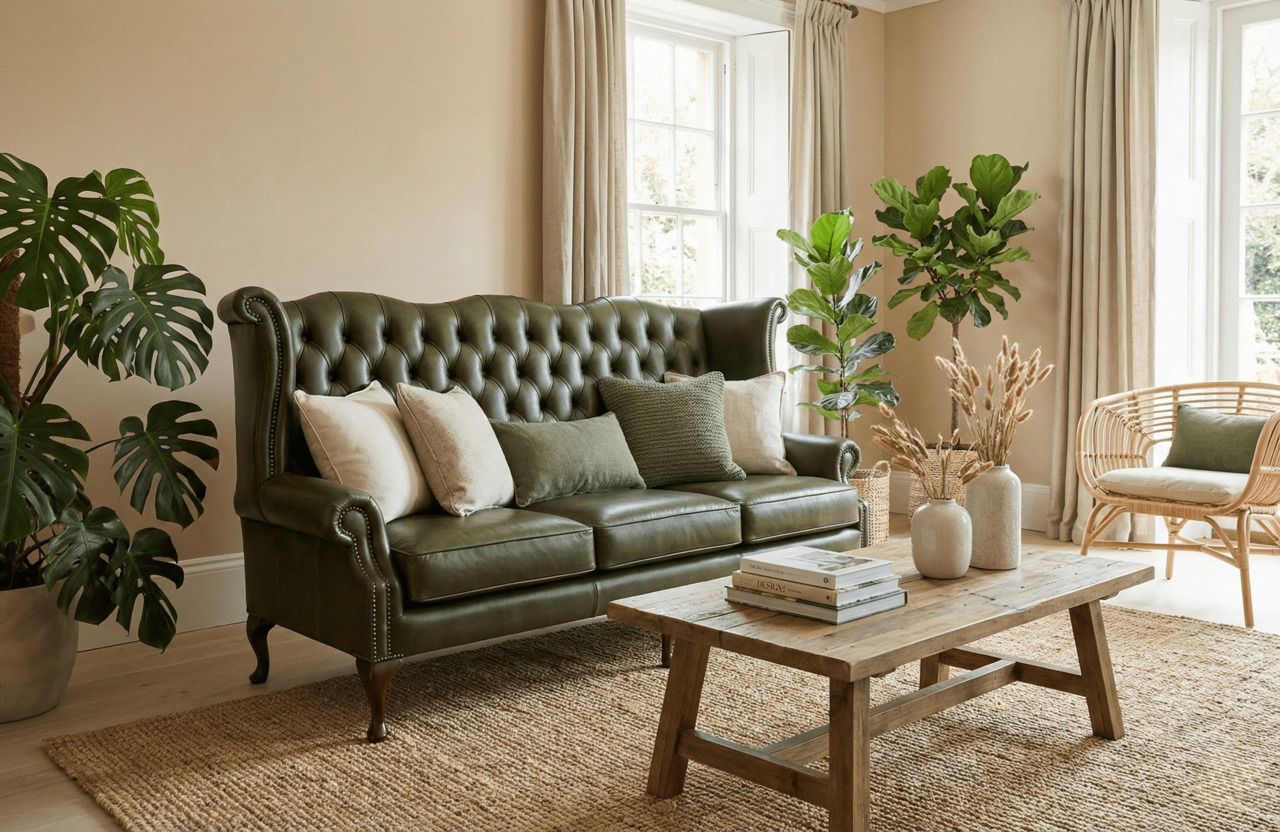
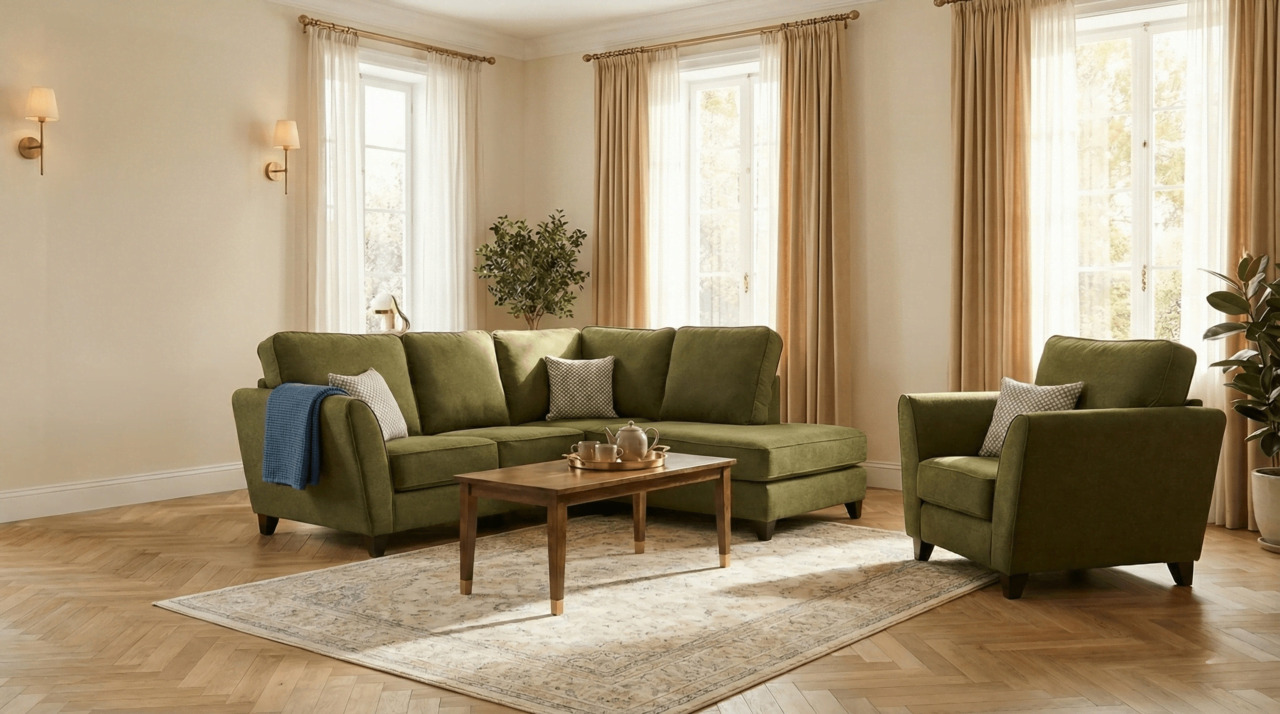
With a corner sofa, the shape matters as much as the number of cushions. It helps to think about the corner first, rather than treating each side separately. If the corner is left empty, the arrangement can feel split in two. This is a useful starting point if you are looking for cushion ideas for l shaped sofa layouts. One simple approach is to place a cushion near the corner on each side, then build outwards with matching or coordinating cushions. This helps the whole sofa feel connected. Fuller cushions placed closer to the corner can also soften the angle and make the layout feel more welcoming.
How to Style a Sectional Sofa with Pillows
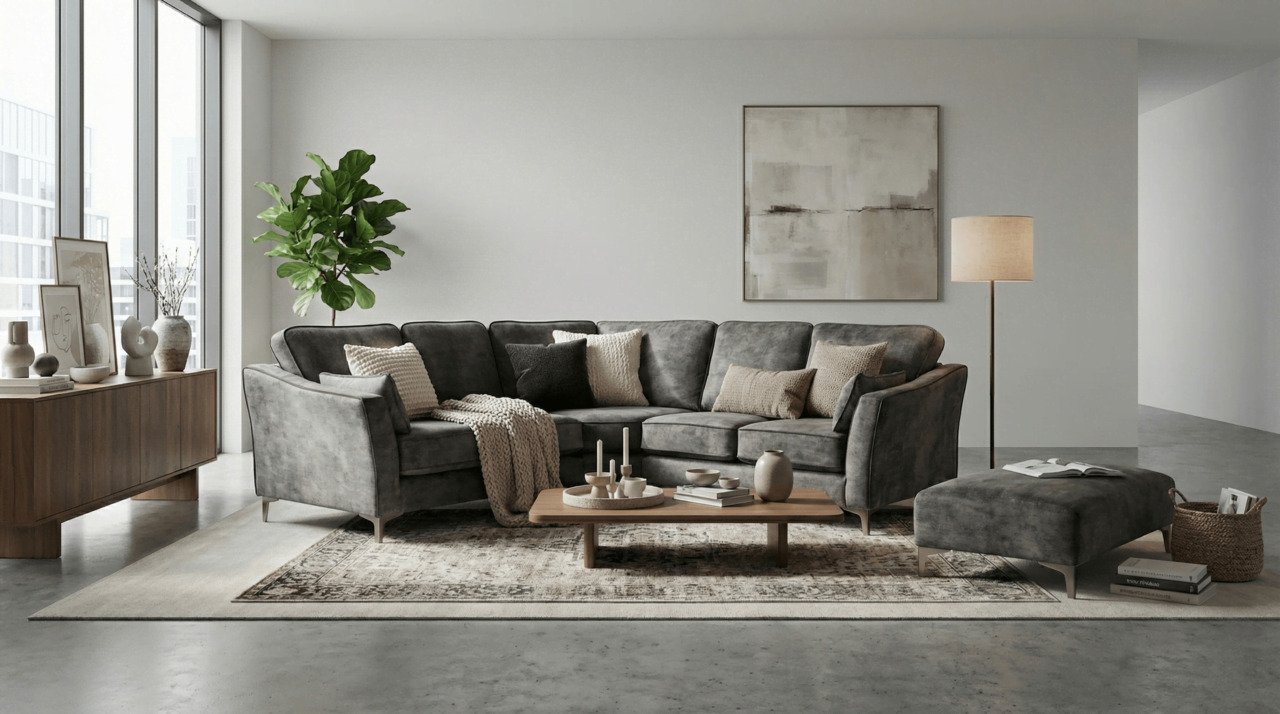
A sectional sofa can look long if all the cushions are placed in one even line. A better approach is to organise it in zones. A good sectional sofa pillow arrangement groups cushions in pairs or small sets across the main seating sections, so each area feels comfortable on its own while still relating to the rest. This breaks up the length and gives the sofa a more settled, lived-in look. If you have a full furniture set, such as one of our Chesterfield Suites, you can also spread cushions across the sofa and the other pieces to make the whole arrangement feel more balanced and connected.
How to Combine Colours Without Getting It Wrong
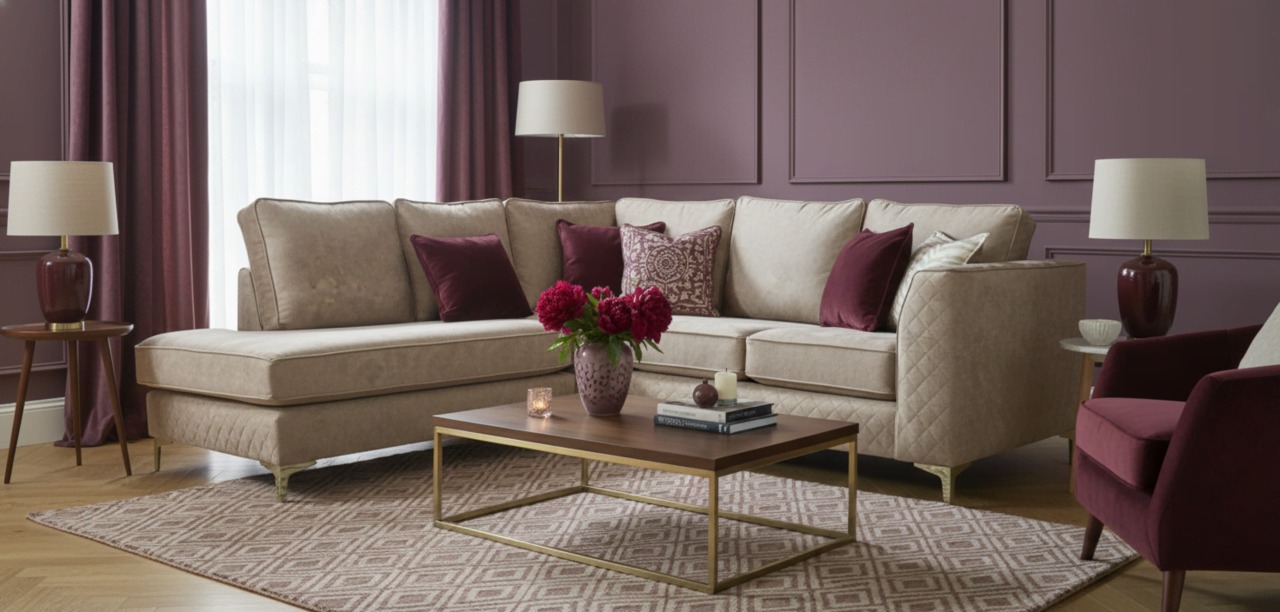
There are three easy ways to combine cushion colours. The first is to use one colour in different shades, such as cream, beige and taupe, or sage, olive and deep green. This gives the sofa a calm, layered look.
The second is to start with a neutral base and add one accent colour. For example, stone and ivory can work well with one rust, navy or forest green cushion.
The third is to use two or three colours together, with one main colour and the others supporting it. Blue can lead with grey and white around it, or beige can lead with terracotta and olive. Too many strong colours can make the sofa feel chaotic, so it is usually best to let one colour take the lead.
How to Mix Patterns Without Making It Look Busy
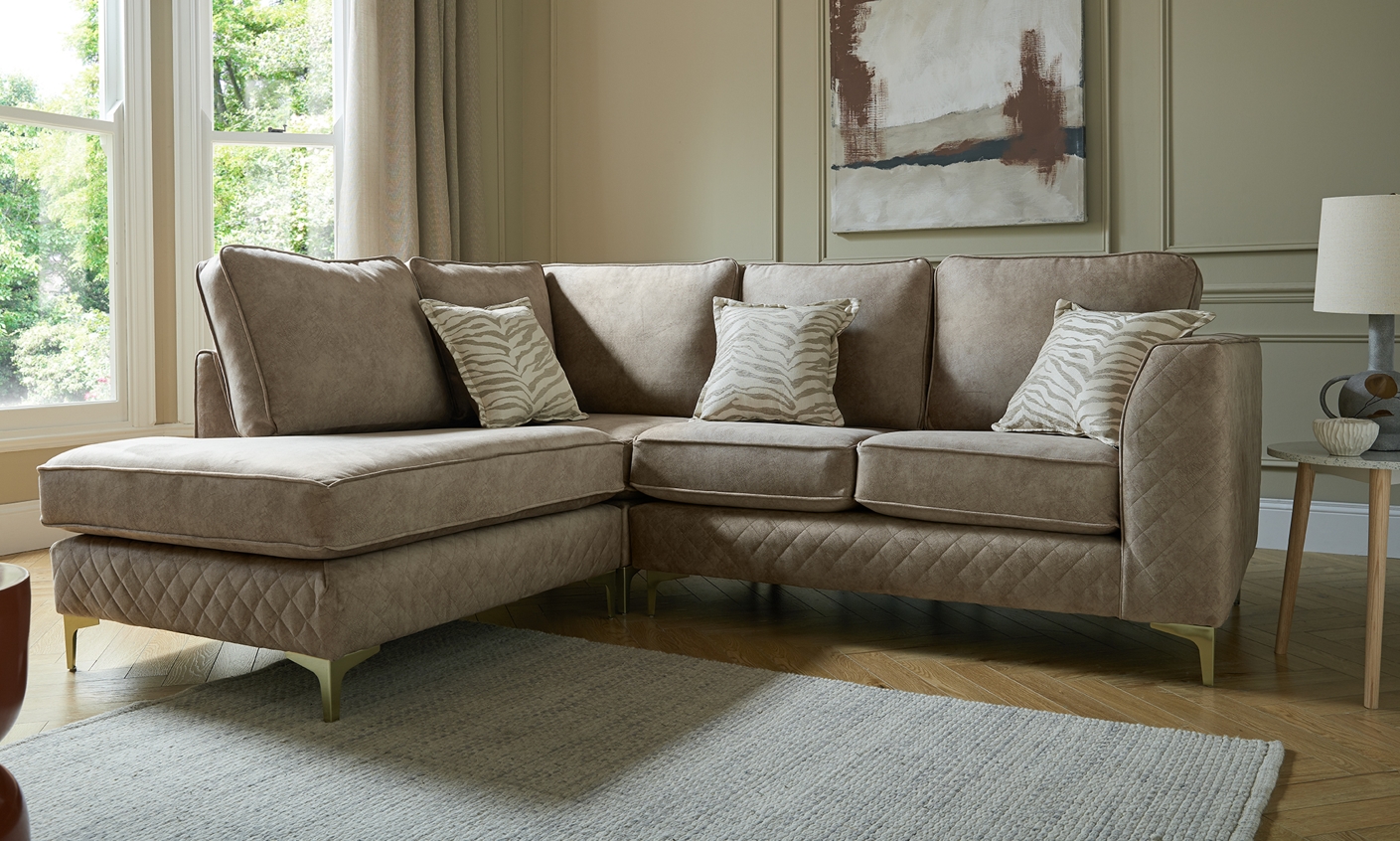
Mixing patterns is much easier when they are different in scale. A large print, a smaller pattern and one plain cushion usually work better together than several bold prints of the same strength. For example, you could pair a wide stripe with a small check and a plain linen cushion, or mix a large floral print with a fine geometric design and one solid velvet cushion.
The patterns should still share something, such as a similar colour palette or an overall style. This helps the overall cushion display feel connected and easier on the eye.
The Detail That Makes Cushions Look Expensive — Texture
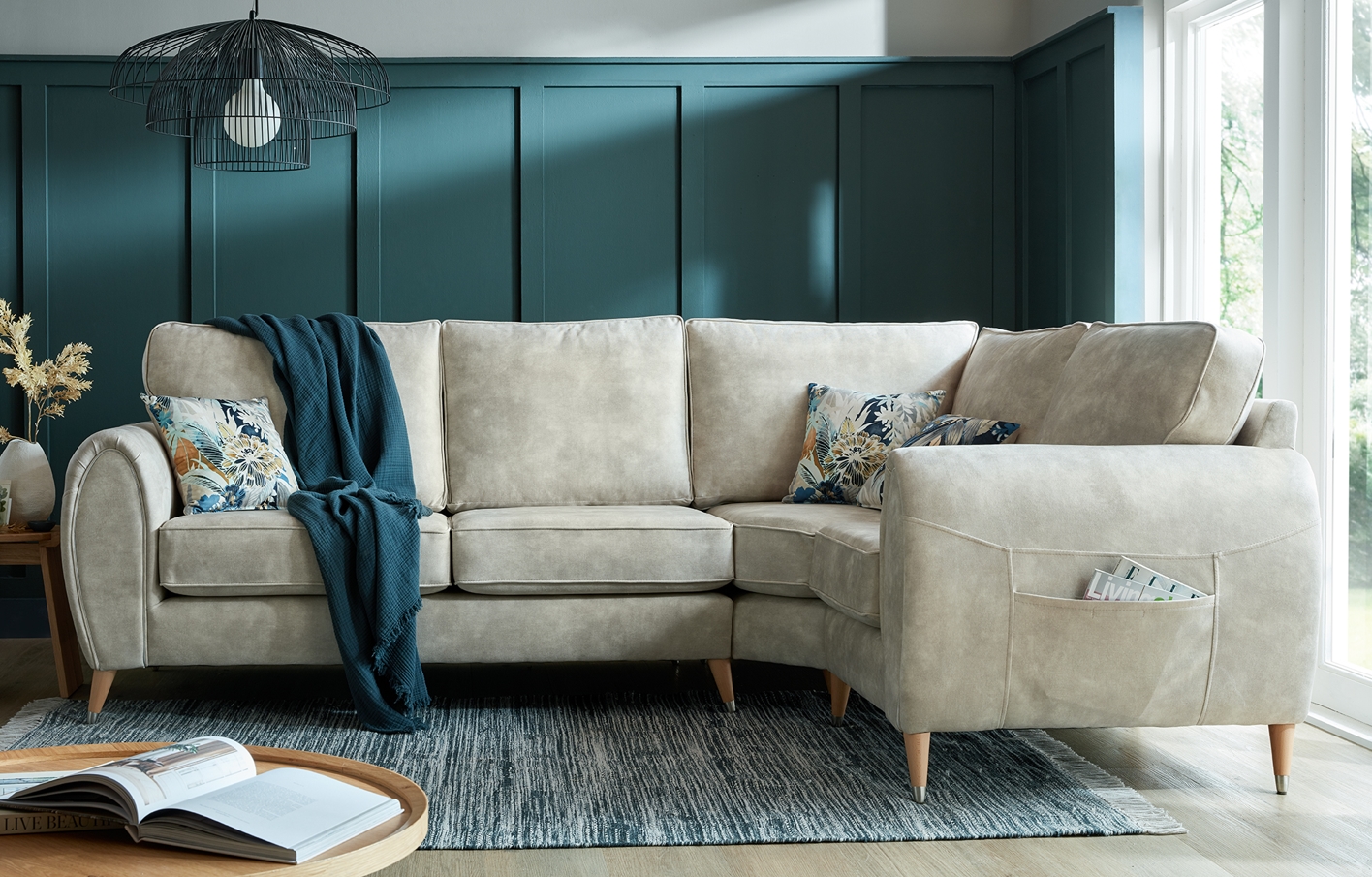
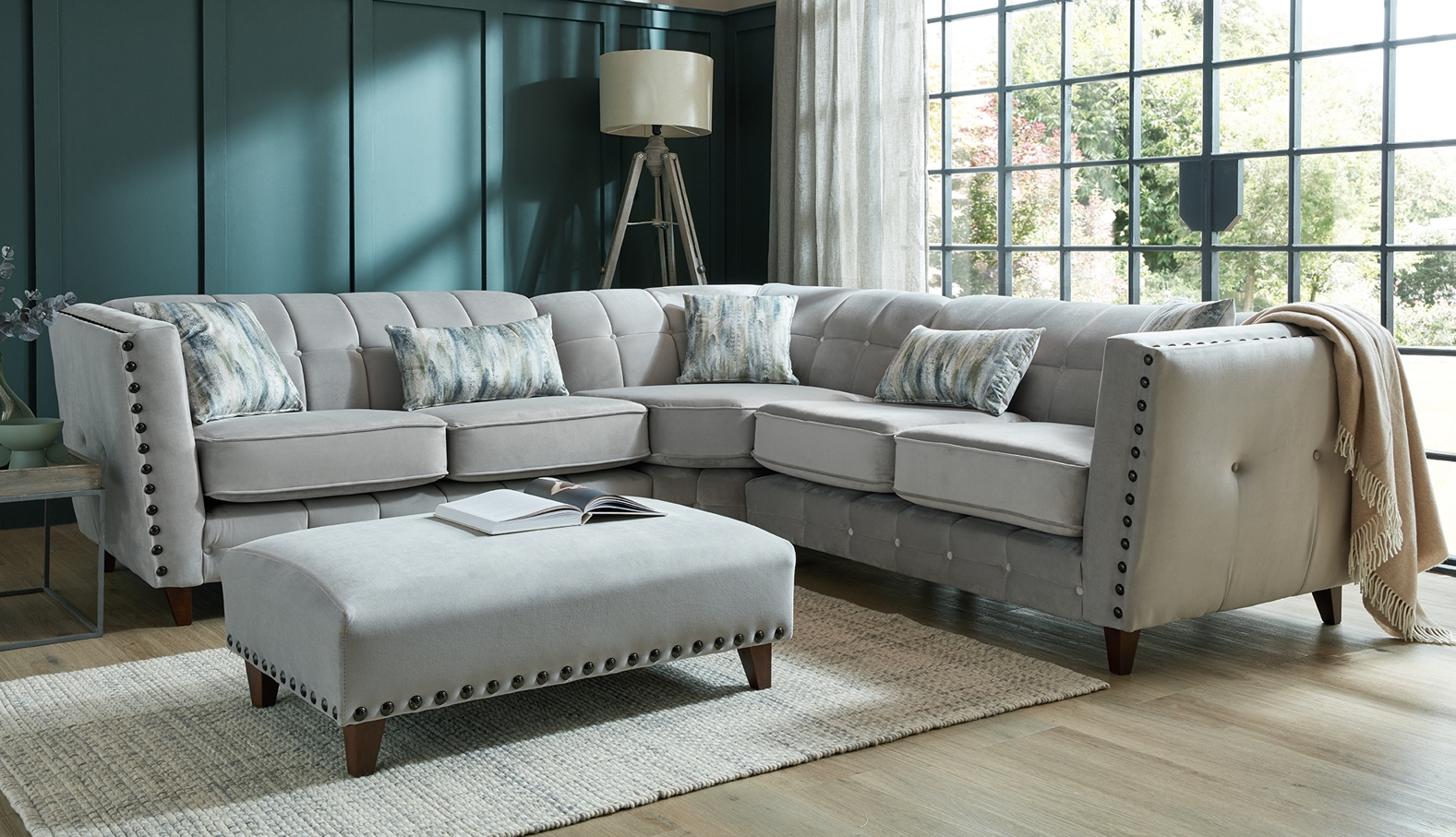
Even if your cushion colours are close, mixing fabrics will make the sofa look richer and more considered. Velvet feels smooth and plush, linen looks lighter and more relaxed, boucle adds softness, cotton keeps things fresh, and wool brings warmth. Velvet with linen, boucle with cotton, or wool with a smooth woven fabric can all work well. A soft throw in a related texture can help tie the whole look together. This contrast adds depth, which often creates a more polished look. Texture also helps you shift the mood through the seasons, with lighter fabrics in spring and summer and warmer ones in autumn and winter.
Explore More of Our Guides
Take a look at our other sofa guides for ideas, advice and decorating inspiration.
- Learn what colour goes with a brown leather sofa
- Explore cream sofa living room ideas that are easy to apply
- Read: Are sofa beds comfortable?
Final Thoughts
Styling a sofa with cushions is a simple way to give it a more finished and personal look. Even small changes in layout, colour or texture can change how the whole seating area feels, making it seem warmer, calmer and more inviting. That is why cushions work so well when you want to refresh a living room without replacing everything.
If you do decide to update your sofa or add new pieces to the space, it helps to choose furniture that feels comfortable, looks right and is made to last. At Designer Sofas 4U, that is exactly what we focus on, with quality furniture designed to feel reliable in everyday use and look at home in your interior.
FAQ
How many cushions should you put on a sofa?
That depends on the size of the sofa and how full you want it to look. A 2 seater usually suits 2 to 4 cushions, a 3 seater often works well with 4 to 6, and a larger corner sofa can take more. The main thing is to leave enough space for the sofa to stay comfortable and easy to use.
Should sofa cushions match?
No, they do not need to match exactly. A sofa often looks more interesting when the cushions vary a little in colour, texture or pattern. The easiest way to keep the look pulled together is to repeat something across them, such as one colour family, one fabric tone or one general style.
Is it better to use an odd or even number of cushions?
Both can work well. Even numbers usually give a neater, more balanced look, while odd numbers often feel softer and more relaxed. On a smaller sofa or settee, three cushions can work nicely if one is slightly smaller or used as an accent.
What size cushions look best on a sofa?
That depends on the scale of the sofa. Larger cushions usually work best at the back, with smaller ones in front. On many sofas, a mix such as 50 x 50 cushions with a smaller 45 x 45 cushion or a lumbar cushion creates a fuller look without making the arrangement feel too heavy.