
.jpg)
Living Room Ideas with a Corner Sofa for Small and Large Spaces
A corner sofa or settee is one of the easiest ways to increase seating without filling the room with extra pieces of furniture.It brings everything together in one place and often becomes the most used spot in the home.
You might be at the stage where you are thinking about buying one but are not sure if it will fit your space. Or you may already have a corner sofa and feel the room could be more comfortable, better arranged, or simply refreshed with a few changes.
It is quite common to worry that a corner sofa will take up too much space or feel too heavy. In reality, there are now so many shapes and sizes available — from compact designs to more open layouts — that it is possible to find one that works well in almost any room. From years of working with and crafting sofas, we can confidently say they remain one of the most practical and popular choices.
In this guide, we will show you how to position it properly, share living room ideas with corner sofa layouts for different spaces, and give clear, easy-to-follow examples you can use in your own home.
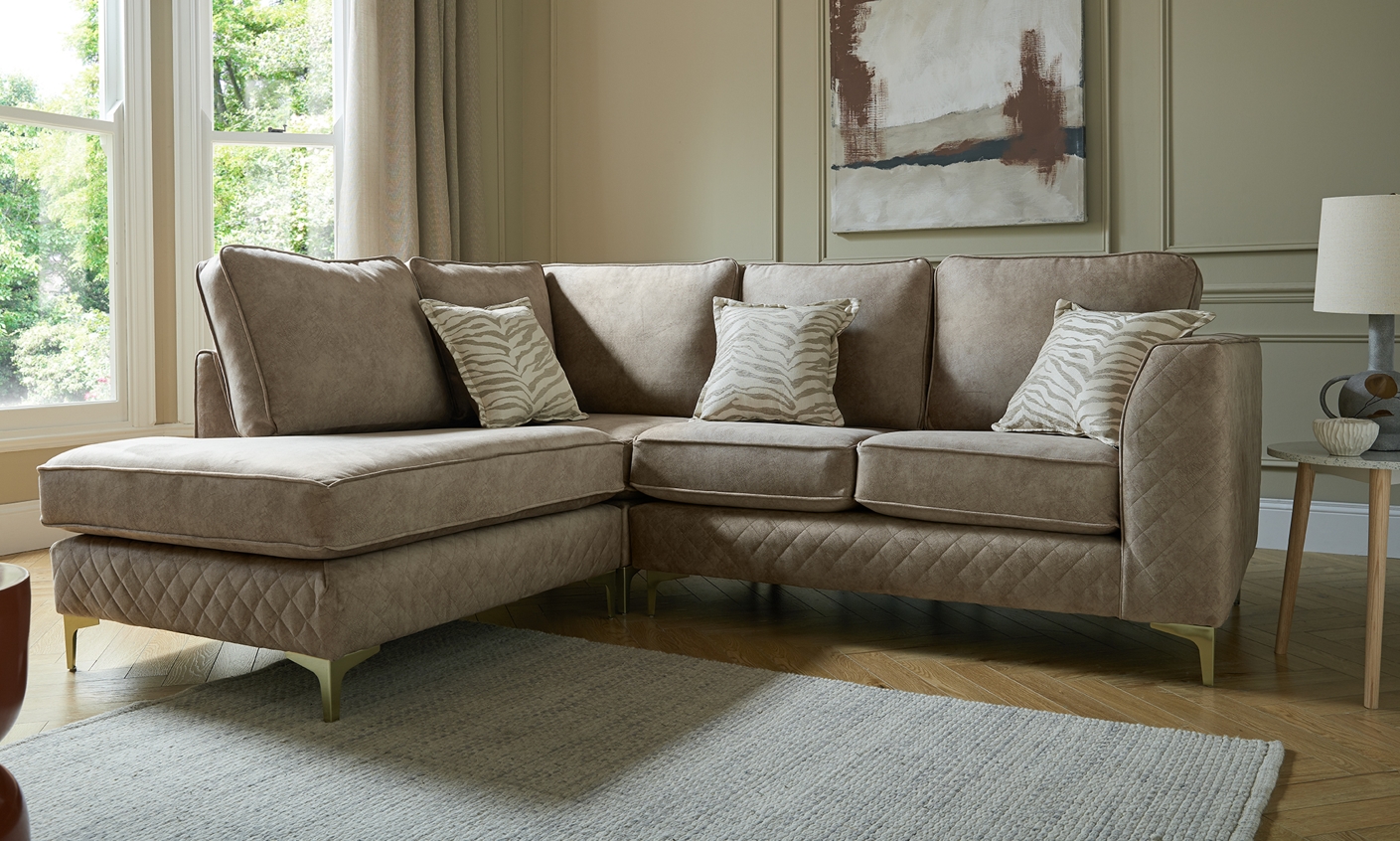
Choose the Right Corner Sofa Shape for Your Room
Before you start moving furniture or testing different layouts, it helps to get a few basics clear. The terms can sound different, but they usually mean much the same thing — a corner sofa, an L-shaped sofa, or sometimes a sectional. In simple terms, it is a sofa made of two connected parts that form an L shape.
What matters most is the shape and proportions. Some corner sofas have equal sides, which usually suit more square rooms where you want the layout to feel balanced. Others have one longer side, which often works better in rectangular spaces, especially if you want the sofa to follow the length of the room. This small difference can completely change how easily the sofa fits into your layout, which is why it helps to compare a few different Corner Sofas and Corner Chesterfield Sofas before choosing a shape.
Another detail to check is the orientation — left-hand or right-hand facing. This tells you which side extends out when you are looking at the sofa from the front. Getting that choice right makes placement much easier and helps you avoid blocking walkways or creating awkward gaps. When comparing layouts, referring to a sofa size guide can be helpful. Proportions and orientation must work in harmony to maximize your space.
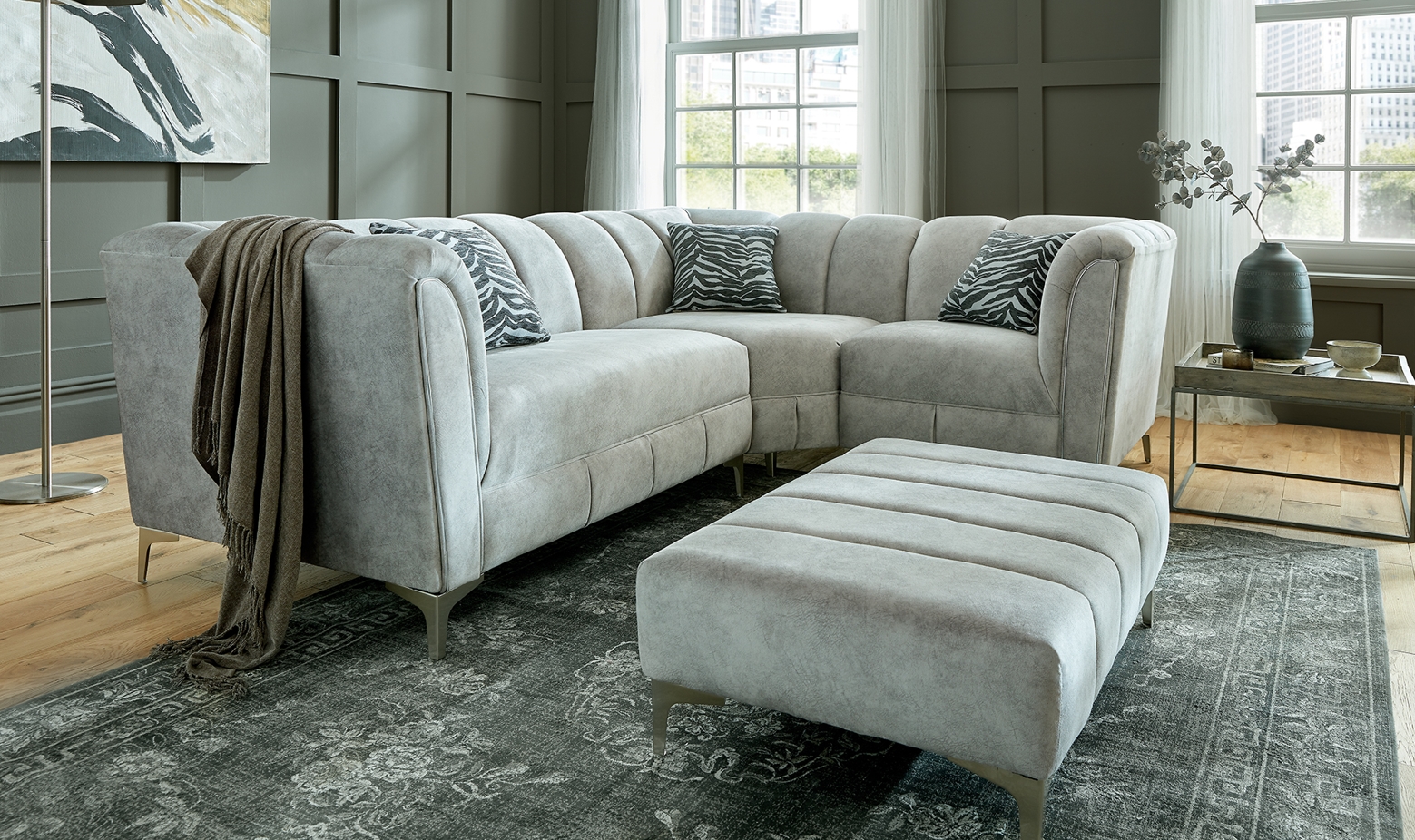
How to Arrange an L Shaped Sofa in a Living Room
Before choosing a position, it helps to think about how you actually move through the room. A corner sofa takes up more space than a standard one, so leaving clear walkways makes a big difference. As a simple guide, try to keep around 80–100 cm of space where people pass through most often. This keeps the room easy to use and avoids that “blocked” feeling.
Against the Wall or Floating in the Room
Placing the sofa against the wall is the most straightforward option. It saves space and keeps the centre of the room open, which works especially well in smaller living rooms. If you want a layout that feels simple and practical, this is usually the safest choice.
Letting the sofa sit away from the wall creates a different feel. It can make the room look more considered and helps break the space into clear areas. This works best in medium to large rooms, or in open-plan layouts where you want to separate the seating area from the rest of the space.
One of the best ways to choose is to follow a simple rule:
- smaller room → keep it against the wall
- larger or open space → try floating it slightly away from the wall
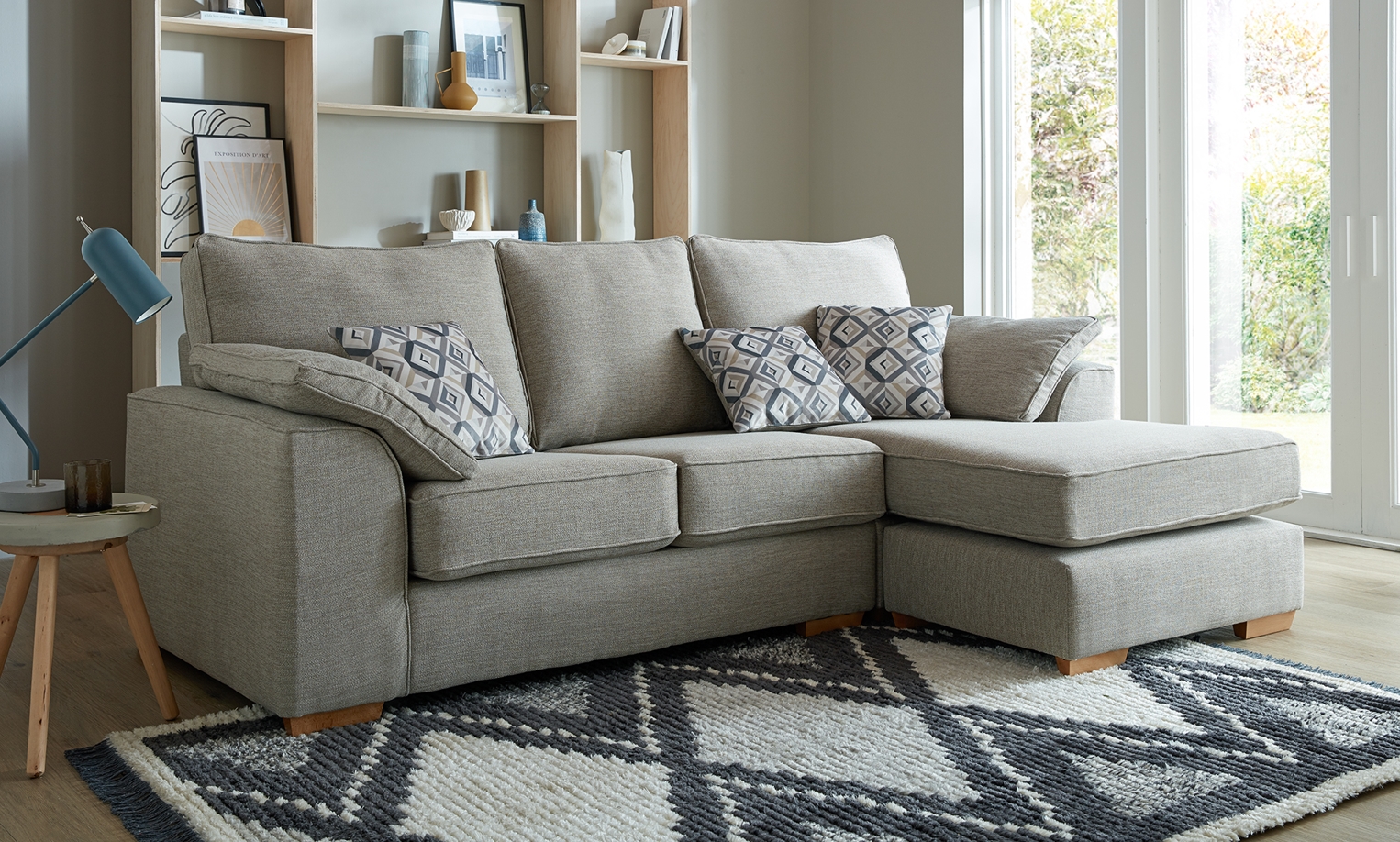
Using a Corner Sofa to Define Zones
A corner couch can do more than just provide seating — it can help organise the whole room.
In open-plan spaces, it can separate the living area from the kitchen or dining space without the need for extra furniture. In more traditional layouts, it can create a clear boundary between the seating area and a walkway or entrance.
For example, placing the back of the sofa towards a dining area keeps both zones connected but still gives each one a clear purpose. It’s a simple way to make the room feel more structured without adding anything extra.
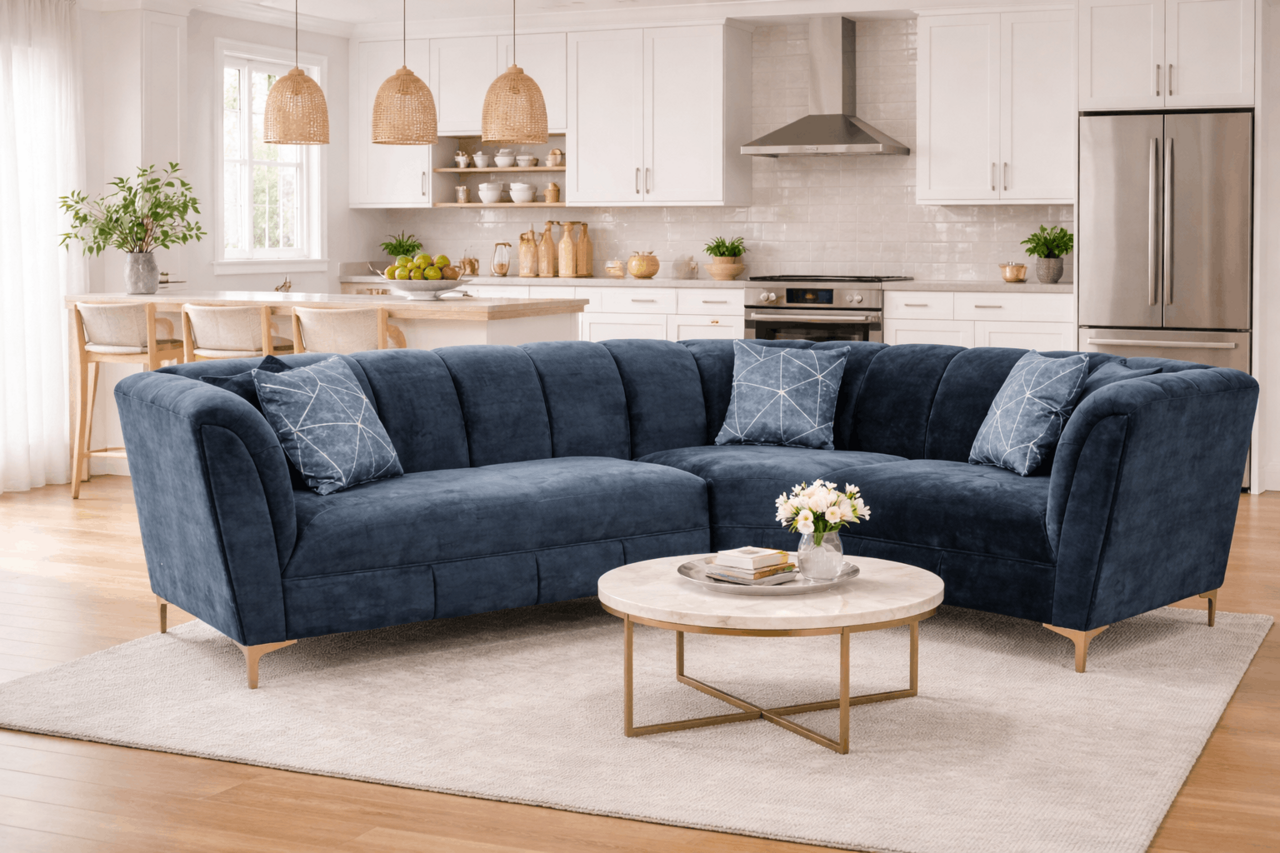
Where to Face Your Corner Sofa in the Room
A corner sofa should always face something. When you sit down, it should feel natural to look straight ahead, not off to the side.
That focal point can be:
- a TV
- a fireplace
- a window
- or even a coffee table with a central seating setup
The longer side of the sofa is especially important here, as it visually directs attention. If it points into empty space, the layout can feel unfinished.
A good rule to follow: once the sofa is in place, sit down and check what you naturally look at. If it feels slightly off, adjusting the direction of the longer side often fixes the whole layout — this is something you’ll notice in many L shape sofa living room ideas, where the sofa is always aligned with a clear focal point.
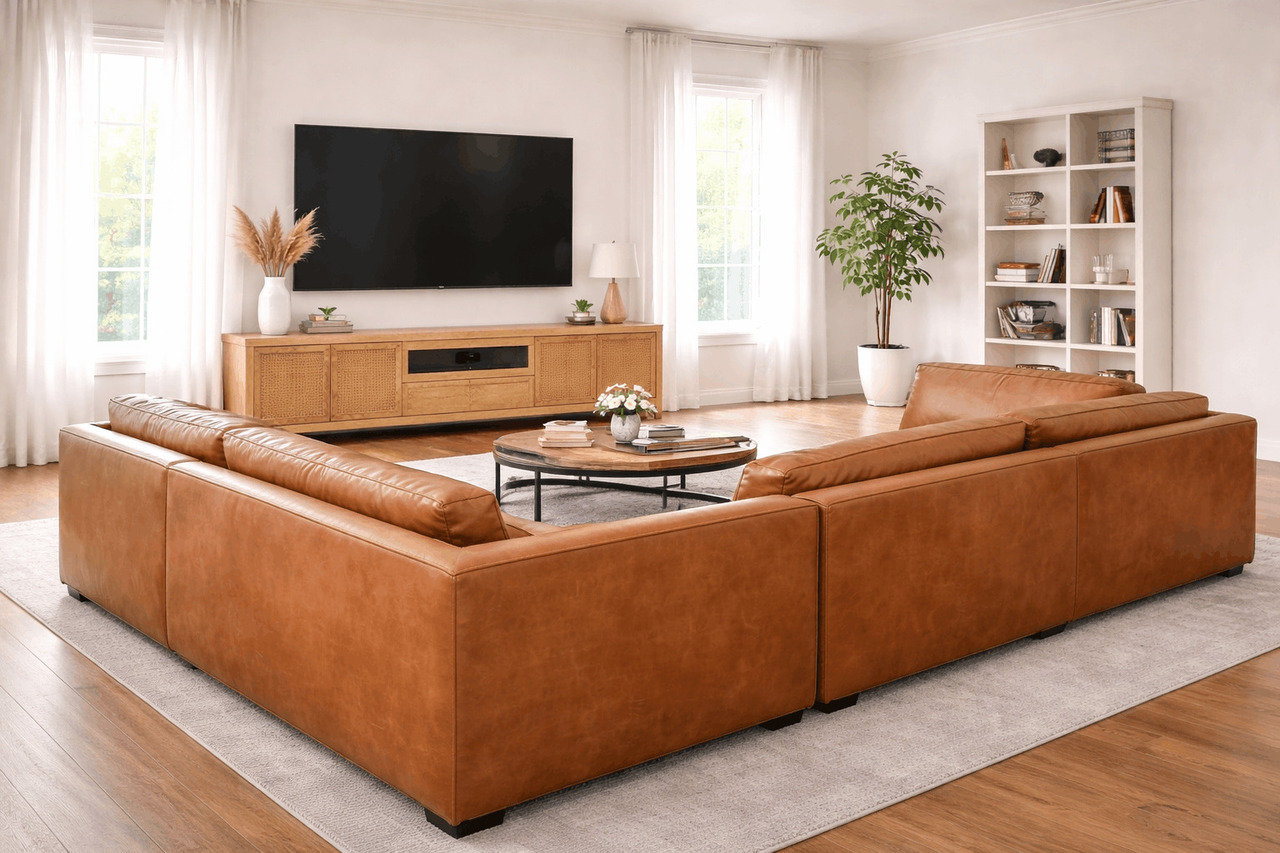
Corner Sofa Living Room Layout Ideas
The way a corner sofa works really depends on the size of the room. The same piece can feel light and practical in one space, or too dominant in another — it all comes down to how you arrange everything around it.
Small Living Room Ideas with a Corner Sofa
In a smaller living room, the aim is to keep the space open and easy to move around.
Compact corner sofas with slimmer arms or raised legs tend to work best, as they feel lighter visually. Placing the sofa closer to the wall helps free up the centre of the room, making it feel less crowded and more comfortable to walk through, which is one of the small details that helps create a well-balanced corner sofa living room layout.
A few simple choices can make a big difference:
- use a narrow coffee table or a small round one to keep movement clear
- keep cushions to 2–3 pieces to avoid a cluttered look
- choose lighter shades like soft grey, beige, or cream
- avoid adding too many extra pieces of furniture around the sofa
If possible, leave a small gap between the sofa and the wall instead of pushing it tightly into the corner — even a few centimetres can make the room feel less boxed in. This is a common approach in compact layouts, and you can see similar small living room ideas in our guide, where space-saving designs are explained in more detail.
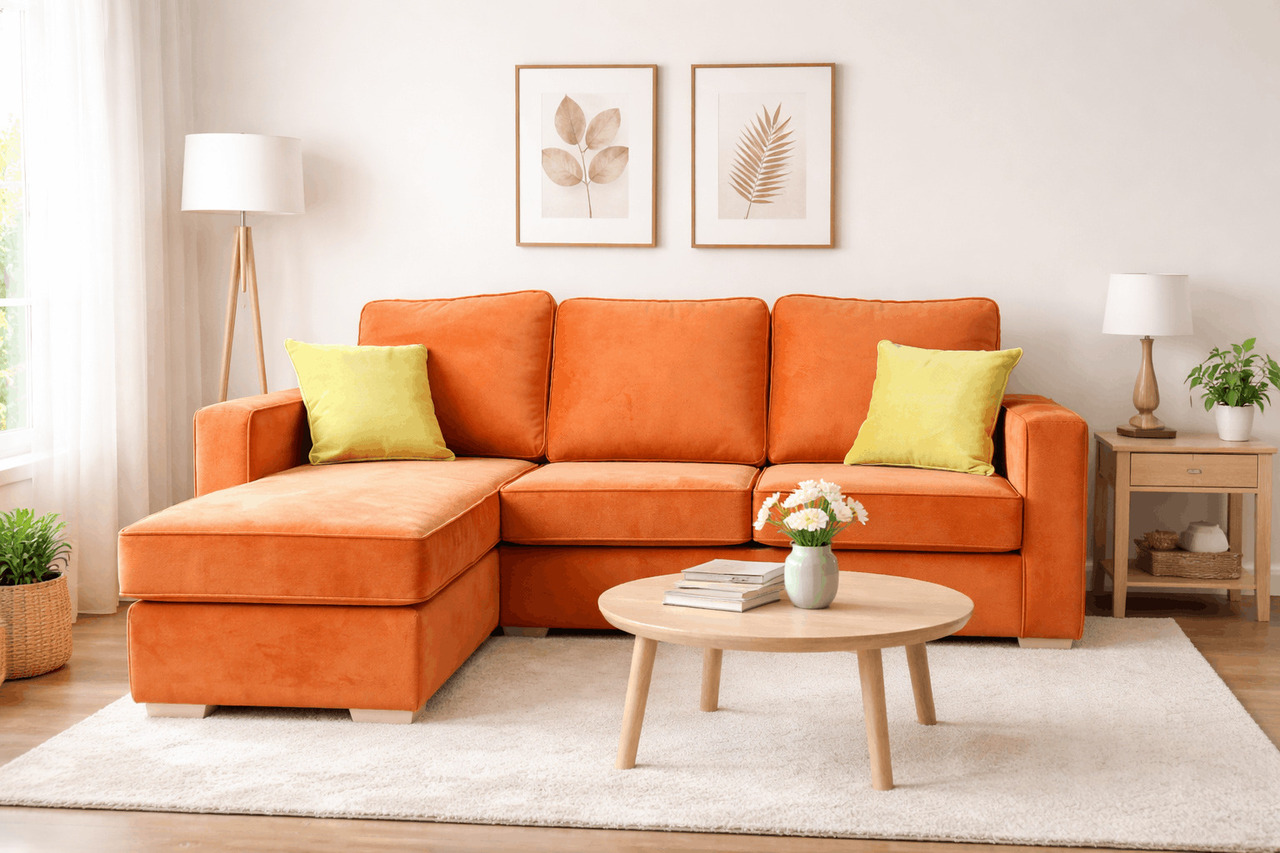
Layout Ideas for Medium Living Rooms
With a bit more space, you have more freedom to build a complete seating area around the corner sofa.
This is where adding one extra element works well. An armchair, a footstool, or a small ottoman can make the layout feel more balanced without overcrowding the room. It also gives more flexibility when you have guests.
You can also experiment with positioning. The sofa does not always need to sit flat against the wall — pulling it slightly forward can make the layout feel more natural and less rigid.
A comfortable setup often includes:
- the corner sofa as the main seating
- one additional seat (chair or ottoman)
- a coffee table placed within easy reach
- clear space around the layout for movement
This creates a space that works just as well for everyday use as it does for hosting.
.jpg)
Corner Sofa Ideas for Large Living Rooms
In larger living rooms, the corner sofa can become the centre of the entire layout rather than something placed along the edges.
Instead of pushing it against a wall, you can position it more freely and build the room around it. This helps avoid the space feeling too empty or disconnected.
A common approach is to use the sofa to divide the room into different areas, for example:
- a main seating area for relaxing or watching TV
- a separate space for dining, reading, or working
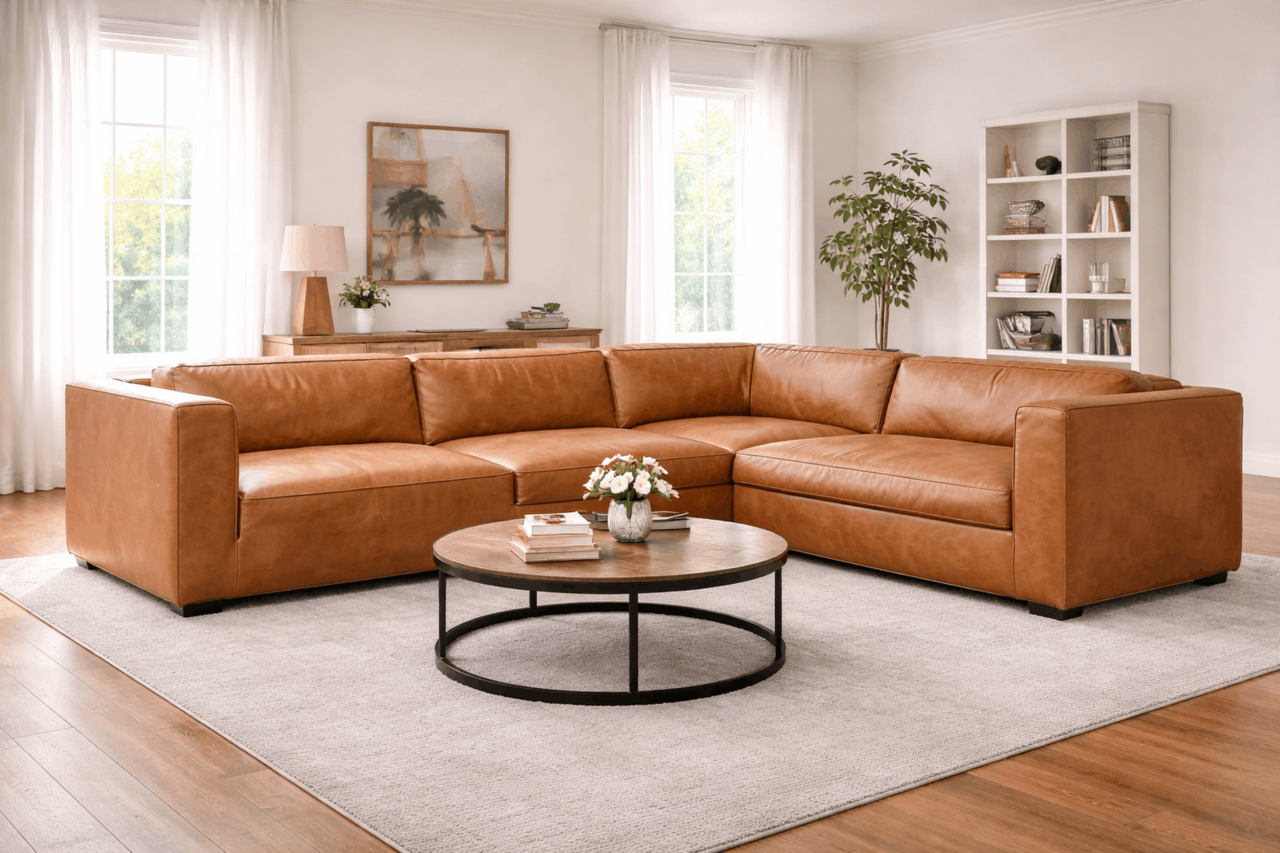
Placing a rug underneath the sofa helps anchor the seating area and makes it feel more defined. Adding a coffee table and a soft light source finishes the setup, creating a space that feels organised but still open — something you’ll often see in practical corner sofa creative interior design ideas.
If you are still deciding on materials, it’s worth understanding how different options affect both comfort and the overall look. You can explore the differences in our fabric vs leather sofa guide. In larger rooms, an interesting approach can also be to combine materials — for example, pairing a leather corner sofa with a fabric armchair or footstool to add contrast without making the space feel too uniform.
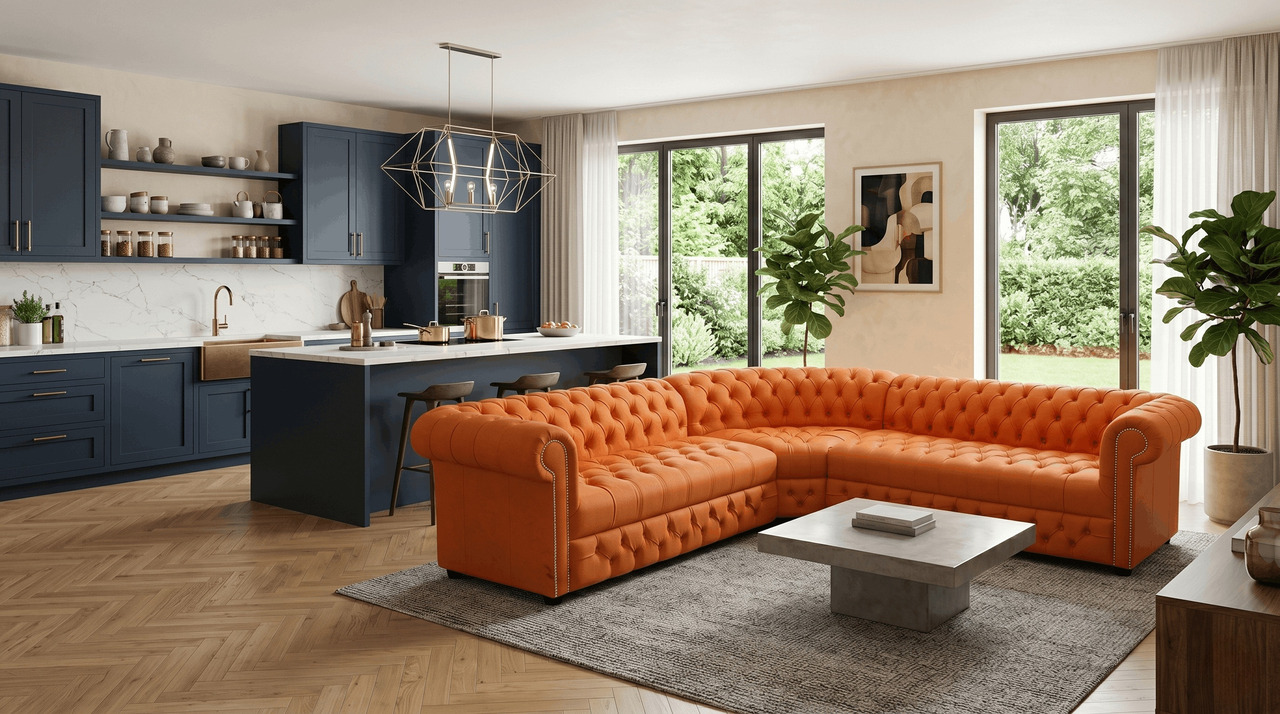
How to Style Around a Corner Sofa
Once the sofa is in place, the smaller details are what make the space feel complete. Styling does not need to be complicated when decorating — a few well-chosen pieces can make the whole room feel more comfortable and put together.
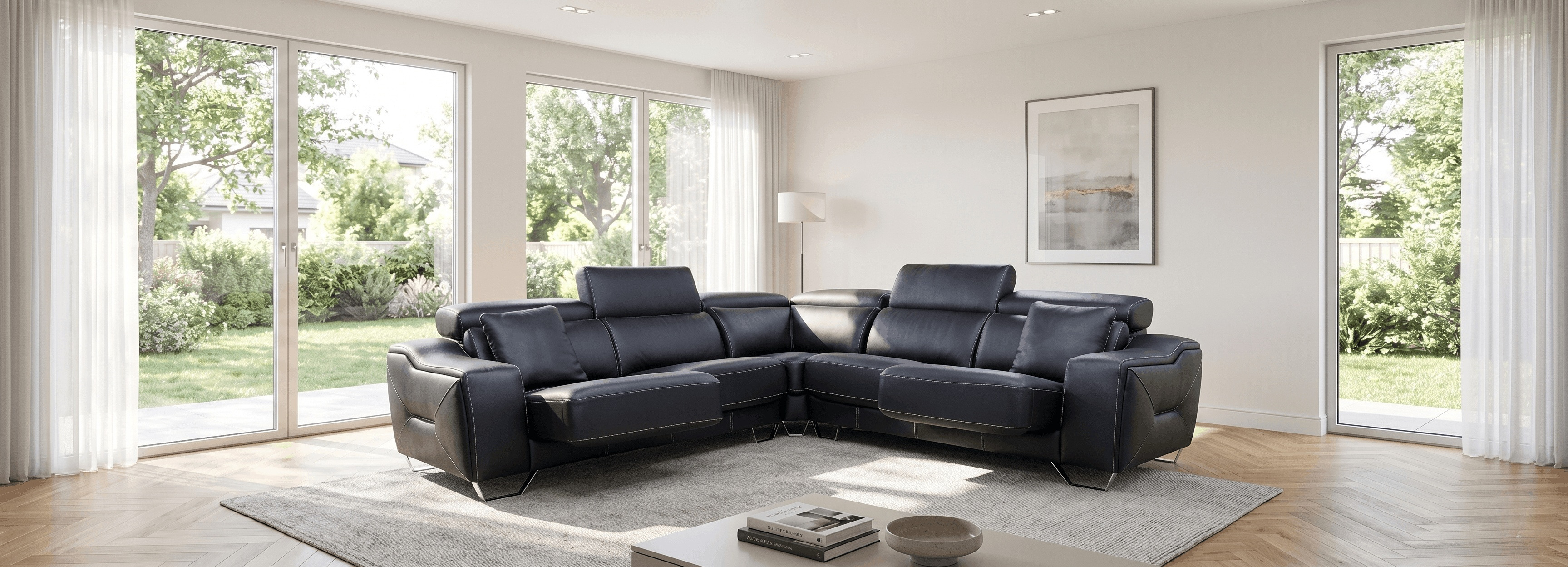
Choosing the Right Coffee Table
The shape of your coffee table can change how the whole layout feels.
Round tables work well in smaller rooms or tighter layouts. They soften the space and make it easier to move around, especially if the sofa sits close to walkways. Rectangular tables suit larger rooms or longer sofas, as they follow the lines of the seating and provide more surface space.
Other options like oval or square tables can also work, depending on the layout, but the key is proportion.
A simple guide:
- keep around 40–50 cm between the sofa and the table
- choose a height similar to or slightly lower than the seat
- avoid oversized tables that make the area feel cramped
The goal is to keep everything within easy reach without interrupting movement.
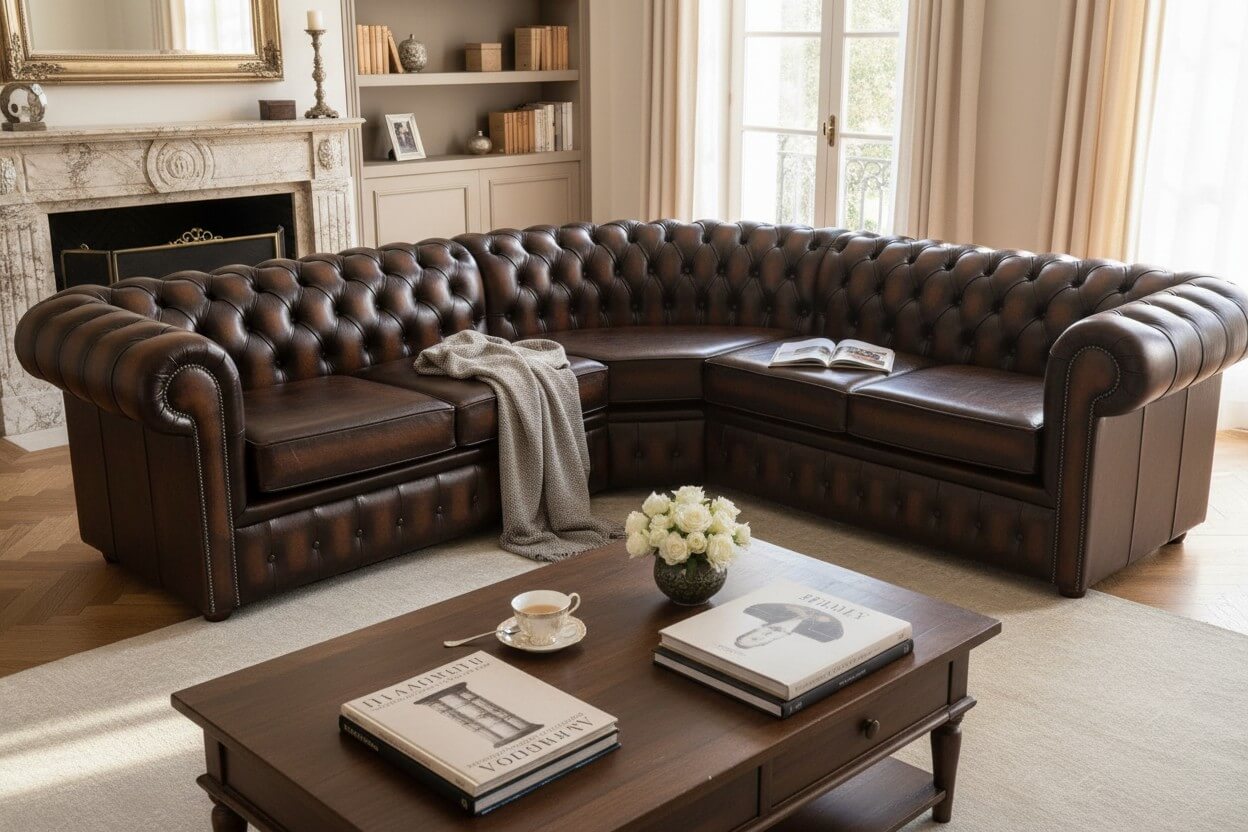
Lighting That Works with a Corner Sofa
Lighting plays a big role in how comfortable the seating area feels, especially in the evening.
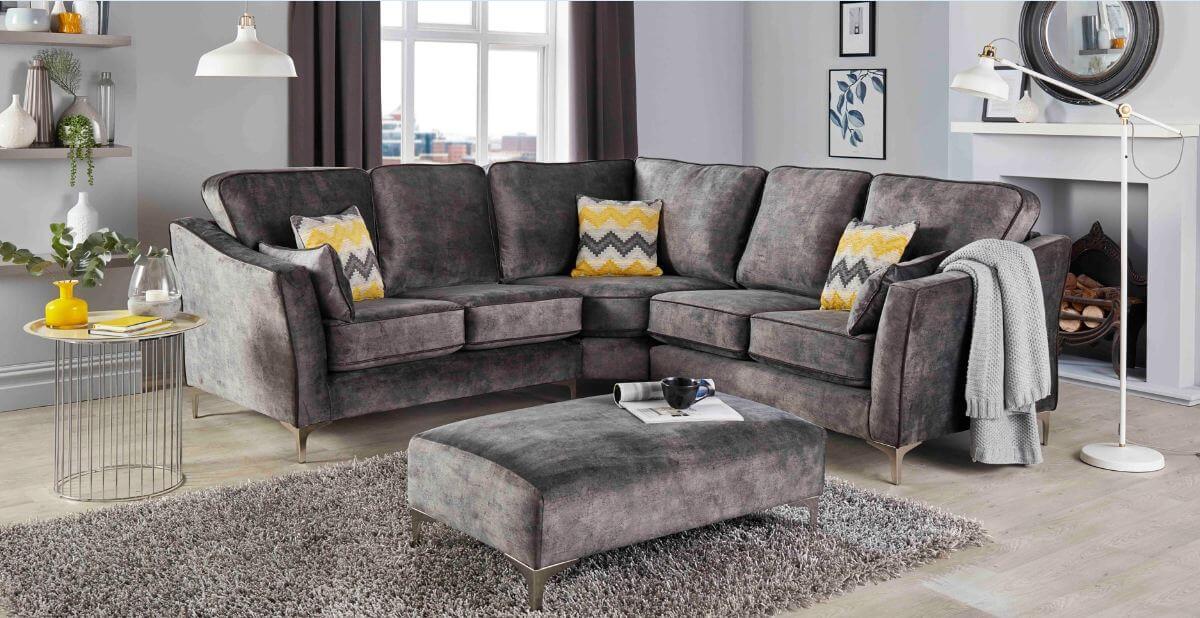
A floor lamp placed near the corner or at one end of the sofa adds a soft, focused light that works well for reading or relaxing. It also helps balance the space visually, especially if one side of the sofa feels heavier than the other.
Relying only on ceiling lighting can make the room feel flat, so it’s better to layer different sources:
- a floor lamp next to the sofa
- a table lamp on a side table
- softer ambient lighting if possible
This combination creates a more relaxed, comfy and inviting atmosphere.
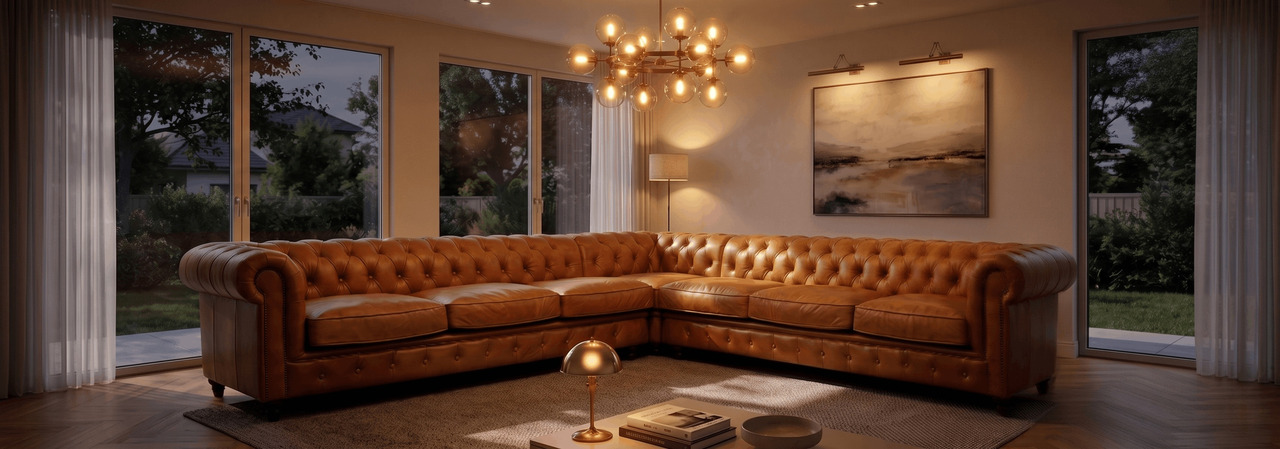
Footstools and Ottomans for Extra Comfort
Adding a footstool or ottoman is one of the easiest ways to make a corner sofa more comfortable and plush.
It can be used in different ways:
- as a place to rest your feet
- as an extra seat when needed
- or even as a small table with a tray on top
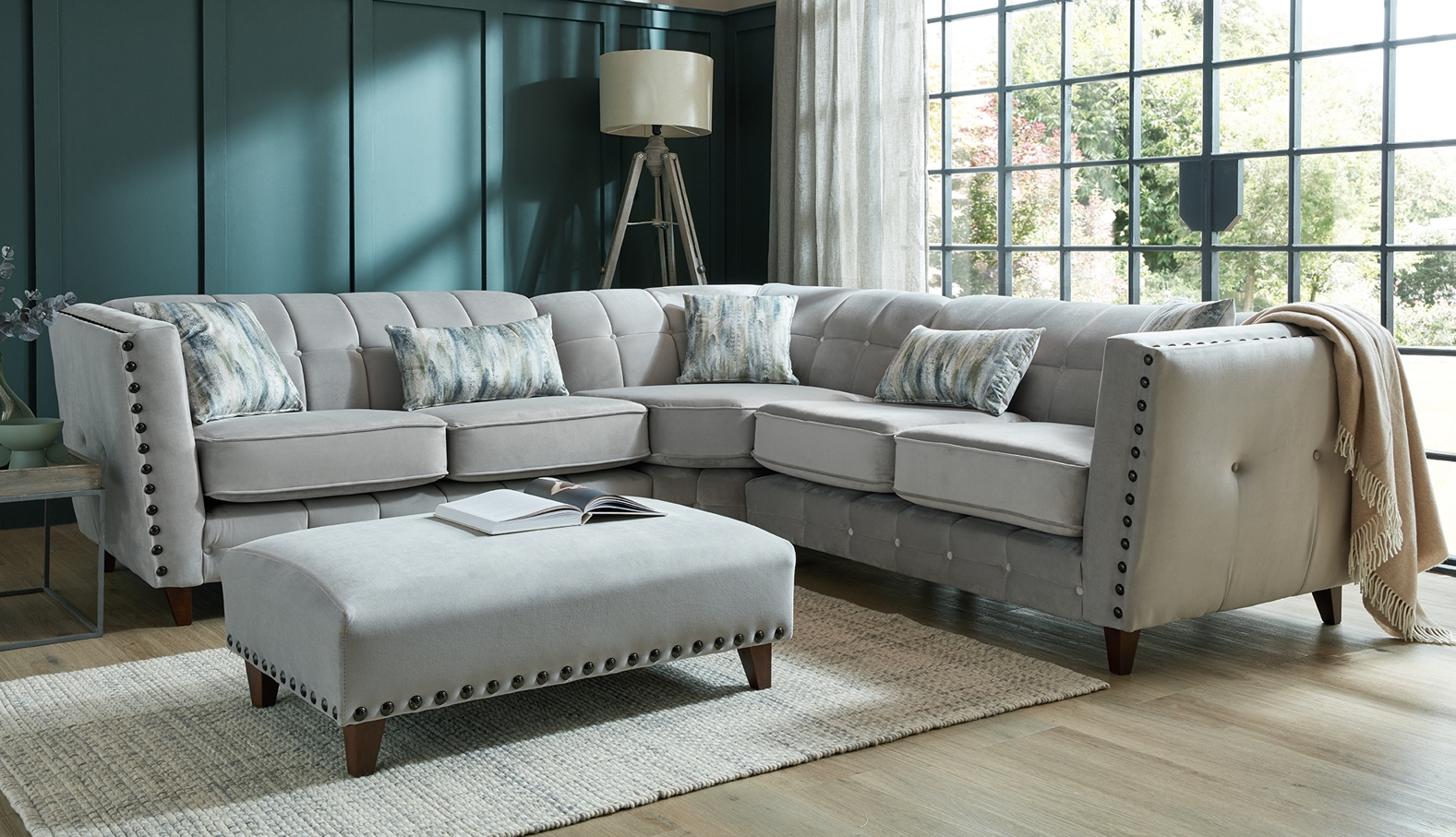
Living room ideas with corner sofa often use this idea — placing it in front of the longer side makes the whole setup feel more relaxed, almost like part of the sofa itself.
The key is to keep it proportional:
- avoid choosing one that is too large, as it can block movement
- aim for a height close to the sofa seat for a natural feel
A well-sized piece adds comfort without making the space feel crowded.
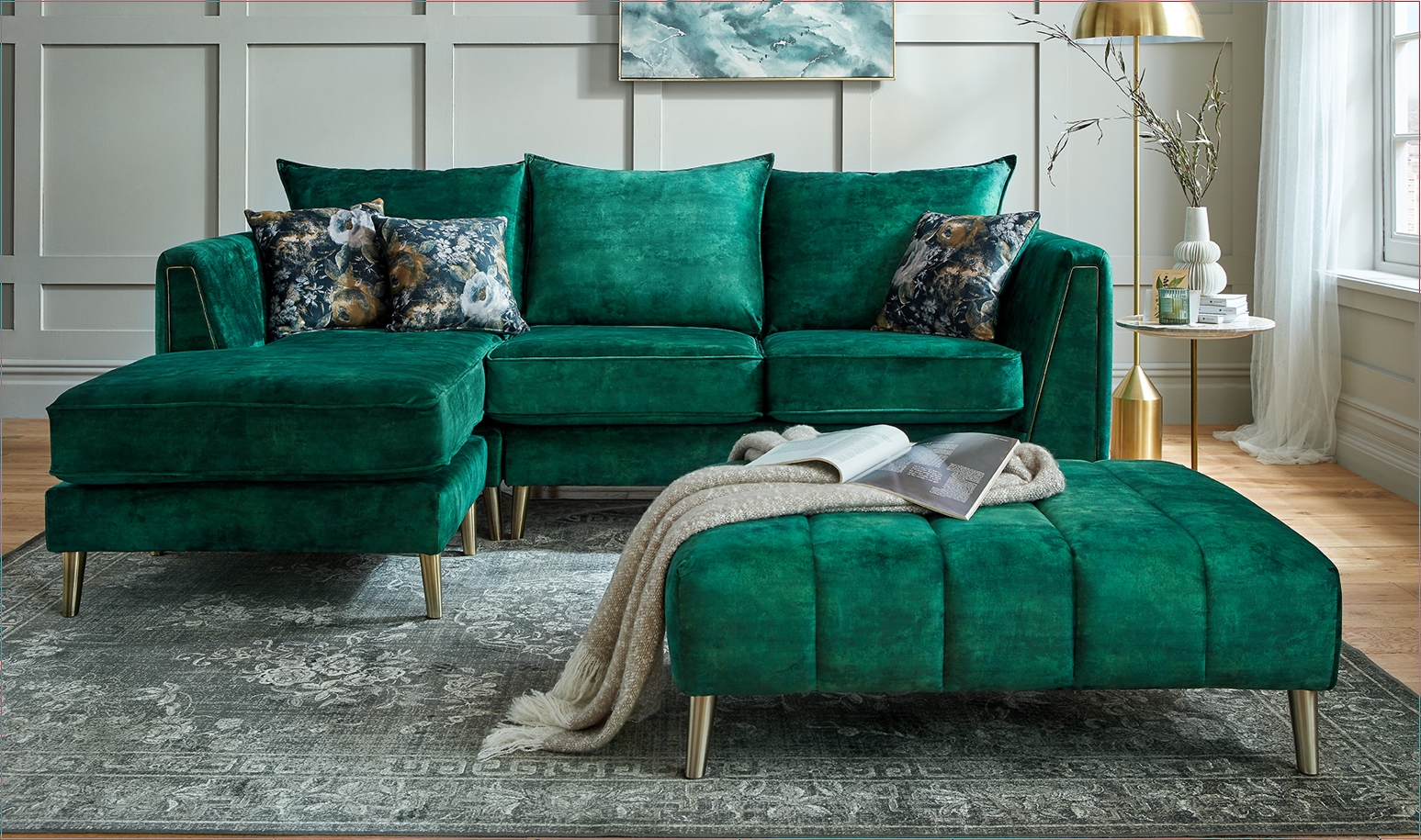
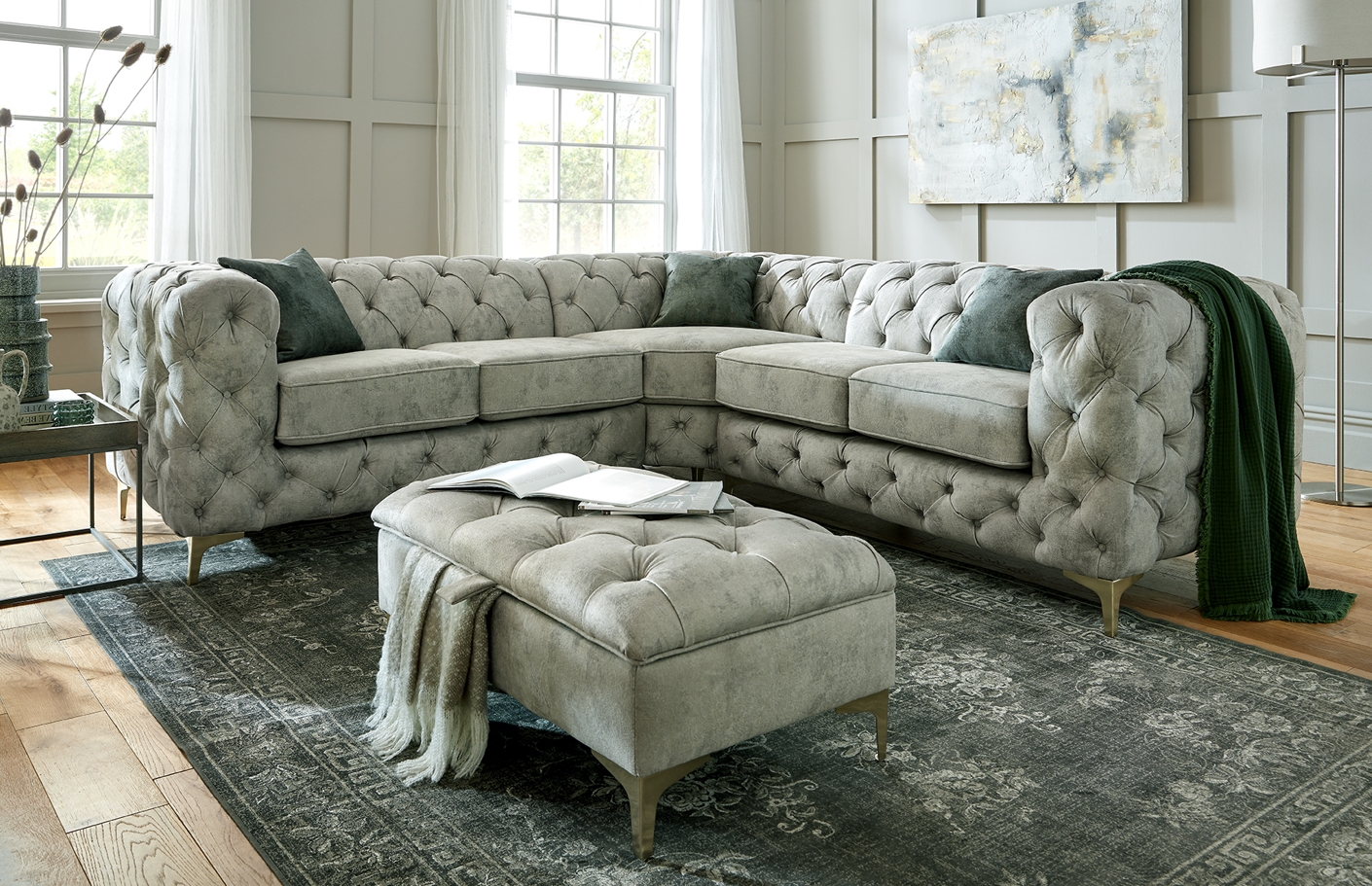
Cushions, Throws and Finishing Touches
This is where the room starts to feel more personal and comfortable.
With a corner sofa, it’s usually best to keep things simple. Around 3–5 cushions are enough for most setups. A good approach is to mix:
- 2 base cushions in a neutral colour
- 1–2 accent cushions with a different texture or pattern
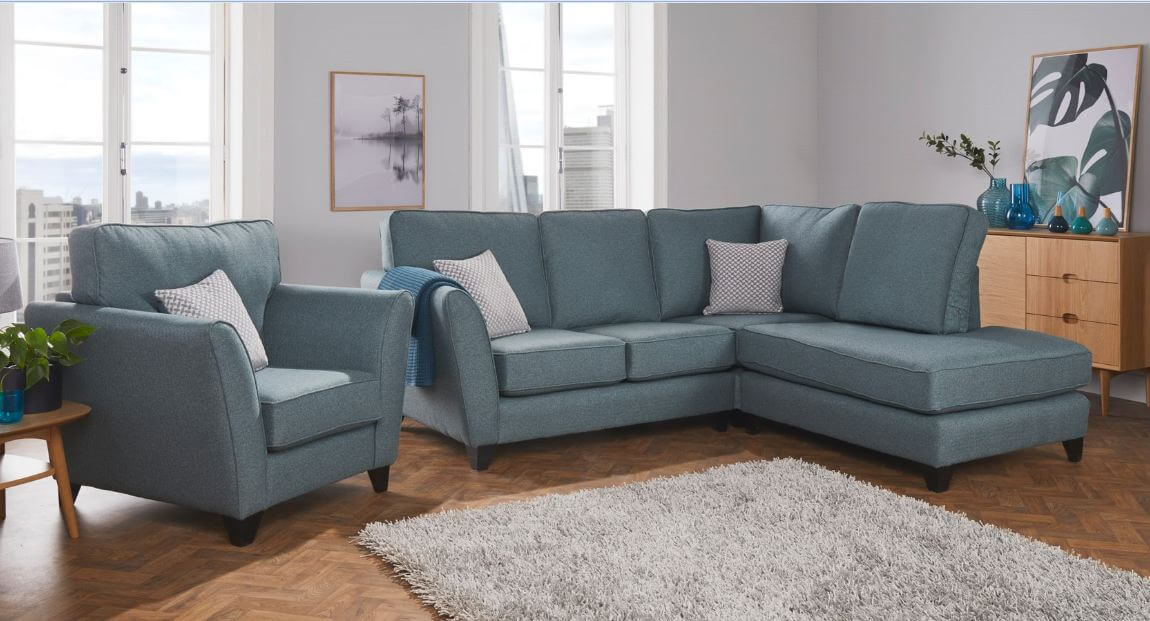
Throws can be draped casually over one side of the sofa to soften its look, dressing the piece and making the space feel more relaxed.
If you want a bit more inspiration, you can explore ideas like mixing fabrics or colours — for example, combining linen with velvet, or adding a subtle pattern without overwhelming the room. Small changes like these can make the space feel warmer without needing a full redesign.
Common Mistakes When Styling a Corner Sofa
A corner sofa can work beautifully in a room, but a few small mistakes can make the space feel awkward or harder to use. Most of them are easy to fix once you know what to look for.
Here are the most common ones:
- Blocking the walkway
If the sofa cuts into the main path through the room, everything starts to feel cramped. Always leave enough space to move comfortably — especially between the sofa and key areas like doors or windows. - Adding too much furniture around it
A corner sofa already provides plenty of seating. Filling the room with extra chairs, tables, and accessories can quickly make it feel overcrowded. In most cases, one additional piece is enough. - No clear layout logic
When furniture is placed without a clear plan, the room can feel slightly off, even if everything looks fine individually. The sofa, table, and lighting should feel connected, not scattered. - The sofa facing “nothing”
If there is no focal point — like a TV, window, or central seating area — the layout can feel unfinished. The direction of the longer side should always lead somewhere. - Choosing the wrong rug size
A rug that is too small can make the whole seating area feel disconnected. Ideally, the front legs of the sofa should sit on the rug to anchor the space properly.
Avoiding these simple mistakes makes a noticeable difference in how comfortable and balanced the room feels.
Easy Ways to Make Your Corner Sofa Look Better
You don’t always need new furniture to improve the look of your living room. A few small tips can make the sofa feel fresh again.
Start with the cushions. Swapping covers or adjusting how they are arranged can instantly change the overall feel. For example, try mixing two neutral tones with one slightly warmer or deeper colour to add contrast without making it too busy.
Sometimes the best change is removing something. Clearing a side table or reducing the number of accessories around the sofa can make the whole area feel lighter and easier to use.
Textiles are another simple update. A new throw, a different fabric, or even a subtle pattern can bring a fresh look without changing the layout at all.
These small adjustments take very little effort but can make the room feel noticeably more comfortable. If you’d like a bit more inspiration on how colour choices can change the look of your space, take a look at tan sofa living room ideas or explore different combinations in dark grey sofa colour scheme ideas.
Final Thoughts
A corner sofa is one of those pieces that can adapt to almost any living room when it’s used well. It can save space, create structure, and make the room more comfortable without needing a full redesign.
Whether you are working with a smaller space or a larger open layout, the key is to keep things simple and practical. A well-placed sofa, a few thoughtful additions, and a clear layout are often all you need to make the room feel right.
If you are planning to update your space, it’s worth choosing something that feels good to use every day and is built to last. A clearer understanding of what to look for can make that decision much easier — our sofa buying guide is a useful place to start. At Designer Sofas 4U, the focus is on comfort, quality, and designs that fit naturally into real homes — so you can create a living room that not only looks good, but works for you long term.
FAQ
Can a Corner Sofa Work in a Small Living Room?
Yes, it often can. Some of the best small living room ideas with corner sofa layouts work well because the sofa keeps all the seating in one place, which can make the room feel more organised and less crowded than a separate sofa and chairs.
Where Should a Corner Sofa Go in a Living Room?
The best position is usually along the longest wall or in a natural corner, where it does not interrupt movement through the room. In a smaller interior, this often helps the layout feel calmer, cleaner and easier to use every day.
How Do I Choose the Right Size Corner Sofa for My Room?
Start by measuring the space, not the sofa. Make sure there is enough room to walk around comfortably and that the sofa does not fill the whole wall without leaving any breathing space. It is also worth measuring doorways, hallways and stairs, especially if the sofa is not fully modular, so you know it can be delivered into the room without problems.
How Do You Decorate a Small Living Room with a Corner Sofa?
The easiest way to decorate around a corner sofa is to keep the layout simple. A rug, a coffee table, soft lighting and a few cushions are usually enough to make the interior feel warm and balanced without making the room feel too full.