
.jpg)
How to Make a Sofa More Comfortable: 8 Simple Ways
A sofa is rarely just another piece of furniture. When a sofa feels right, it blends effortlessly into daily life. When it does not, even a well-designed room can feel incomplete. Understanding how to make a sofa more comfortable is often less about replacing it and more about learning how to work with what you already have.
Many sofas become uncomfortable over time. Cushions lose their shape, seating habits change, or the sofa no longer suits how the room is used. This guide focuses on simple, thoughtful ideas that help improve comfort without replacing the sofa or changing its overall style. The following eight tips are practical, realistic, and designed for everyday living.
What Makes a Couch Comfortable
Comfort is created through proportion, support, and material choice. Seat depth plays a major role. A sofa that is too deep may look inviting but can feel awkward for upright sitting. A shallow seat, on the other hand, may feel restrictive and tiring over time.
Support is equally important. Seat cushions should hold weight evenly, while back cushions need to follow the natural curve of the body. What makes a couch comfortable often depends on how it is used. Some people sit upright to read or work, while others prefer to stretch out and relax. A sofa that supports both habits will always feel more inviting.
Common Reasons Sofas Feel Uncomfortable
Most discomfort can be traced back to a few common issues:
- The seat feels too firm or overly soft
- The depth does not suit the user’s height
- There is limited lower back support
- Armrests feel hard or impractical
- The sofa feels uncomfortable after short periods of sitting
These problems are familiar and, in many cases, can be addressed without replacing the entire sofa.
How To Make a Sofa More Comfortable
Comfort rarely comes from one single change. It is usually the result of several small adjustments working together. The following tips focus on achievable ways to improve how your sofa feels, while keeping the overall look considered and balanced.
Most of these improvements require no specialist tools and can be done using items already found around the home.
Tip 1: Adjust Seat Depth with Cushions
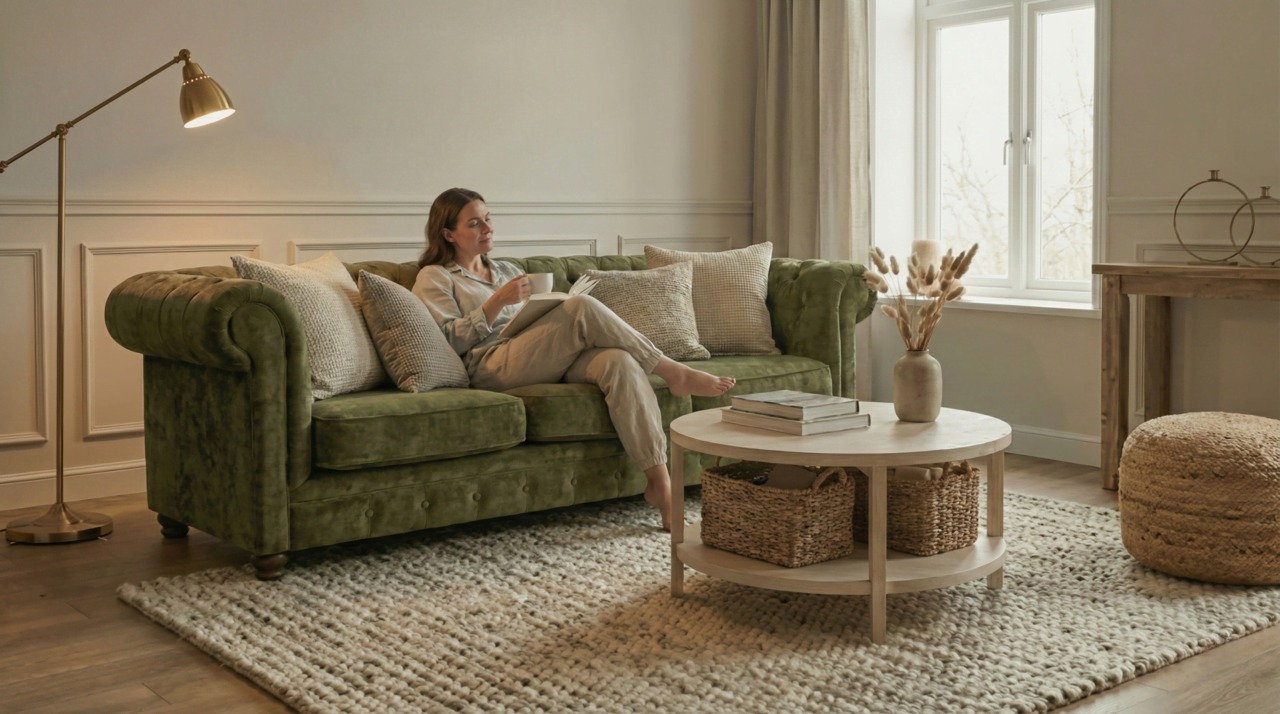
If a sofa feels too deep, placing firm cushions behind the back can instantly improve posture and support. This reduces strain and makes upright sitting more natural. For more relaxed moments, softer pillows can be layered in to encourage lounging. This simple approach is one of the most effective ways to make a sofa more comfortable without altering its structure.
A simple comfort hack is to try different cushion arrangements over a few days until the seating position feels naturally supportive.
Tip 2: Add Extra Back Support
A lack of back support is one of the main reasons sofas feel uncomfortable. Cushions positioned at the lower back help relieve pressure and improve alignment. Using a combination of cushion sizes allows the sofa to adapt to different activities, from reading to watching television. Proper support transforms how the sofa feels during longer periods of use.
Tip 3: Make the Seat Softer or Firmer
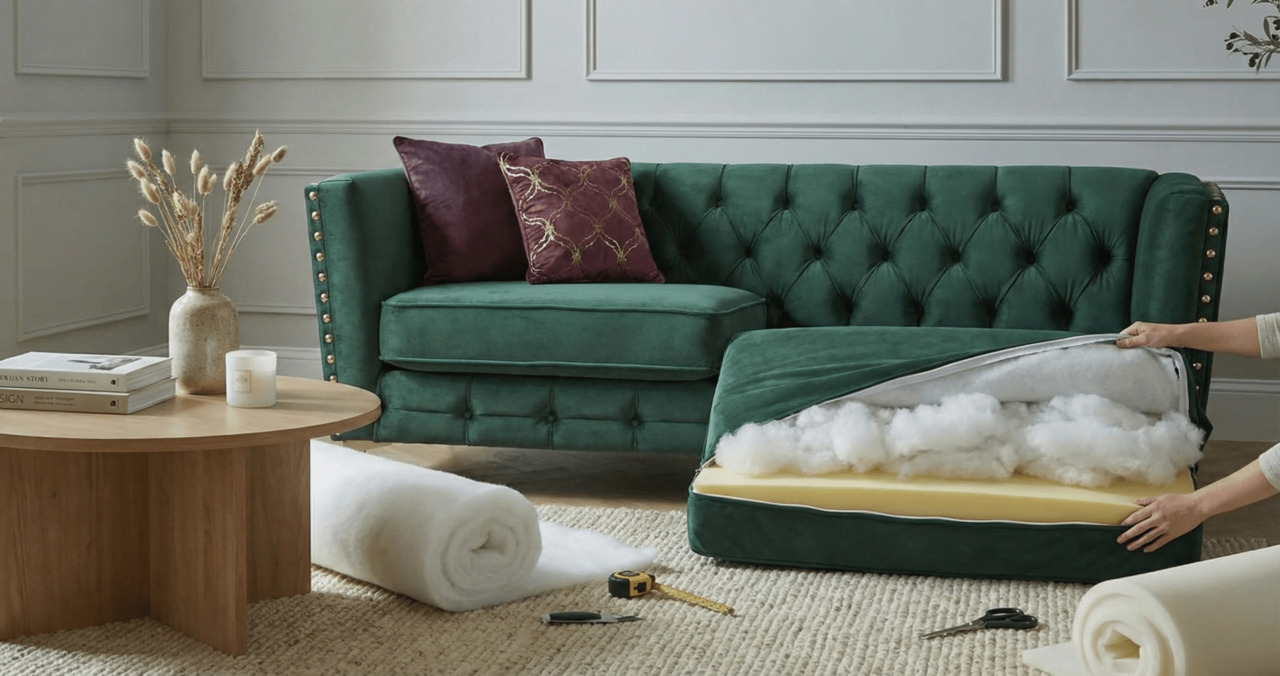
When a seat feels too hard, adding a topper or extra padding can soften the surface. If it feels too soft, firmer inserts help restore balance and structure. In some cases, refreshing the filling is the best option. This guide on how to restuff sofa cushions explains when refilling can extend comfort and lifespan.
Tip 4: Improve Armrest Comfort
Armrests influence overall comfort more than expected. Hard or narrow arms can interrupt relaxation. Adding cushions or neatly folded blankets softens the surface and provides better support for resting arms, reading, or reclining.
Tip 5: Support Your Legs and Feet
Leg support changes how the entire body relaxes. Footstools, ottomans, or pouffes reduce pressure on the lower back and encourage better circulation. Adding a well-proportioned piece from the footstools collection helps create a more balanced and restful seating area.

Tip 6: Use Throws to Add Warmth and Softness
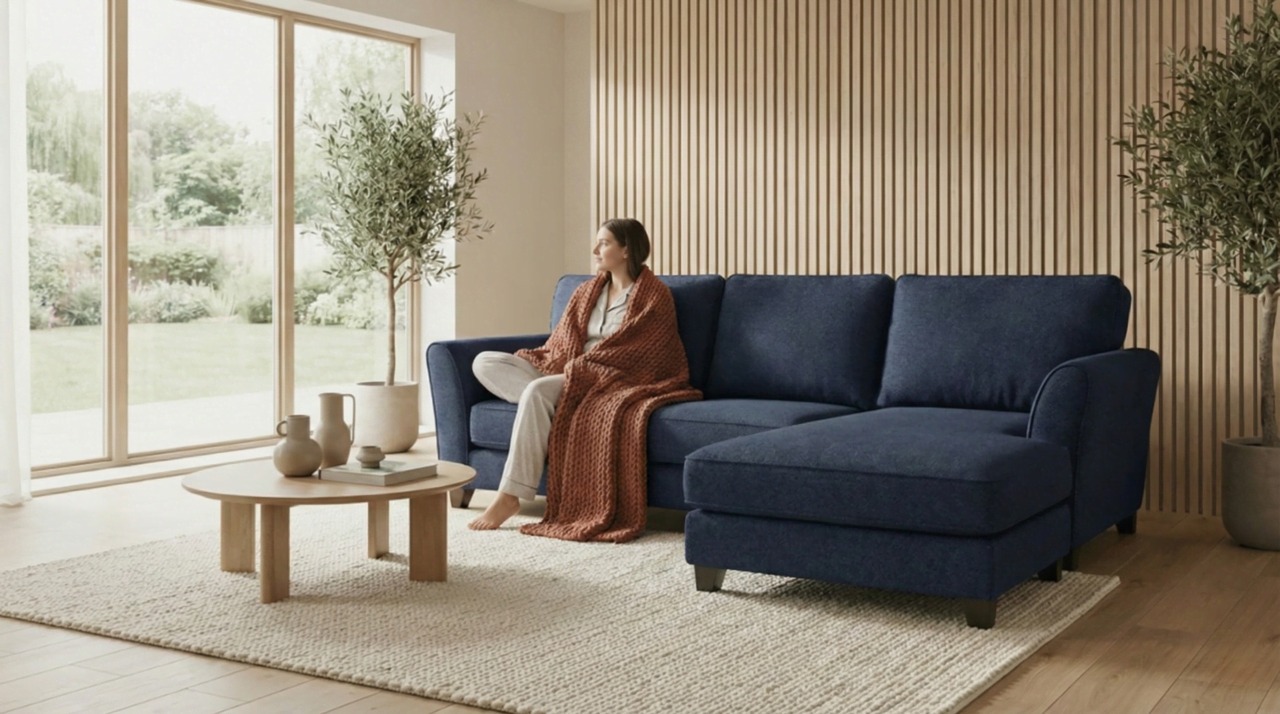
Throws are often chosen to decorate, but they also affect how a sofa feels. Layering soft blankets over the seat or backrest adds warmth and comfort, especially in colder months. Whether the sofa is upholstered in fabric, leather, or velvet, a carefully chosen throw can soften the surface while maintaining a refined style.
Tip 7: Rotate and Fluff Cushions Regularly
Cushions naturally compress where they are used most. Rotating and fluffing them prevents uneven wear and helps maintain shape. This small habit supports long-term comfort and keeps the seating area feeling supportive and balanced.
Tip 8: Make the Sofa Work for How You Use It
Think honestly about how your settee is used. Sitting upright, lounging, and lying down all require different support. Adjusting cushion placement for different activities is one of the simplest ways to make a couch more comfortable, yet it is often overlooked. Comfort improves when the sofa adapts to your routine rather than the other way around.

The Importance of Cushion Quality and Construction
Comfort is not defined by softness alone. Cushion construction determines how weight is distributed and how well the sofa supports the body. Seat cushions need resilience, while back cushions should remain flexible and responsive.
High-quality cushions retain shape longer and recover better after use. Whether your material sofa is upholstered in fabric, leather, or velvet, well-made cushions play a central role in overall comfort. Thoughtful construction is what allows a sofa to feel supportive rather than tiring.
When a Sofa Cannot Be Made Comfortable
There are moments when adjustments are no longer enough. If the frame has weakened, cushions no longer recover, or discomfort persists despite changes, replacement may be the more sensible option.
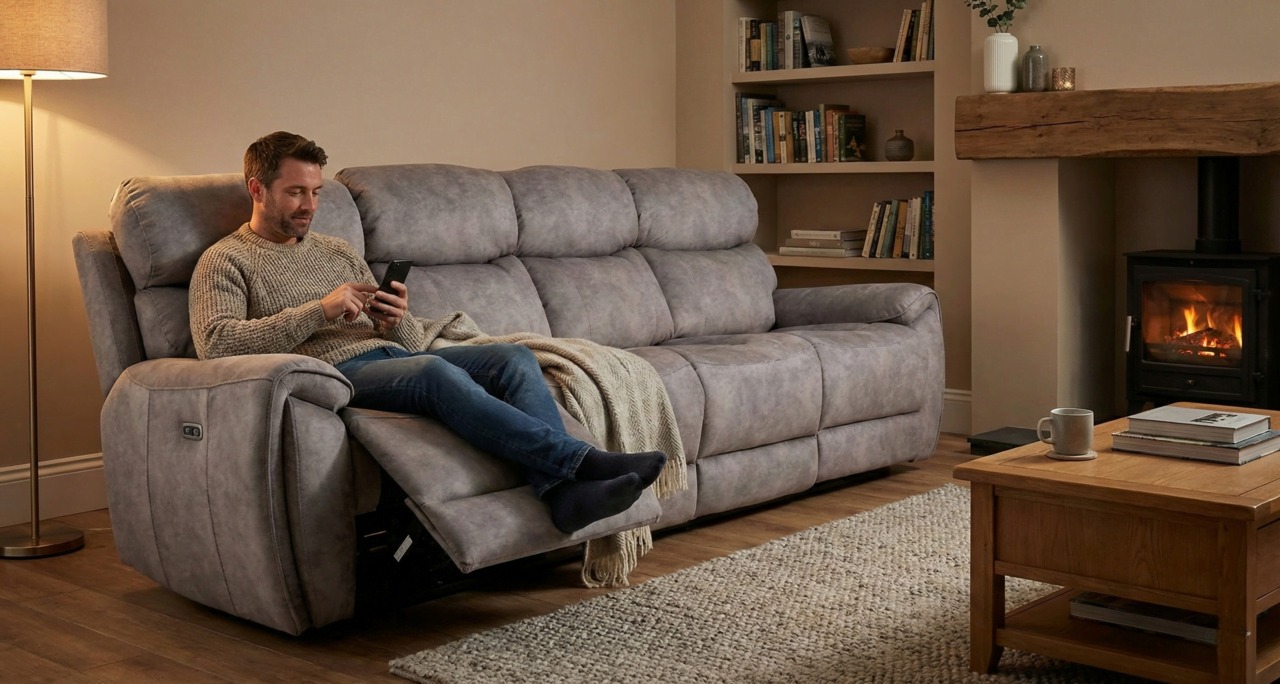
In such cases, exploring well-built options such as fabric sofas or leather sofas can offer a more reliable, long-term solution. Also a good option is reclining sofa models, which offer an extra level of comfort thanks to adjustable backrests and footrests. For example, the Designer Sofas 4U collection includes both leather and fabric recliners with either electric or manual mechanisms, available in a wide range of sizes and styles.
Comfort should not require constant compromise.
Conclusion
Comfort is personal, but it is rarely accidental. A sofa that feels good is the result of considered choices, small refinements, and an understanding of how the space is truly used. With the right cushions, support, and layering, even an uncomfortable sofa can become a genuinely comfy place that invites rest. Small, thoughtful adjustments often make the sofa more comfortable without the need for immediate replacement.
If you are reassessing your living space or planning a change, you can explore thoughtfully designed seating at Designer Sofas 4U. For personalised advice or to experience comfort in person, the team welcomes visitors to the Blackburn showroom. Opening hours and contact details are available on the Contact Us page.
FAQ
What Makes a Sofa Comfortable for Everyday Use?
Everyday comfort comes from a balance of support, proportion, and softness. A sofa should support the body without feeling rigid, while still allowing you to relax naturally. Seat depth, cushion quality, and back support all play a role, as does how the sofa is used day to day. A sofa that feels comfortable for short sitting may feel less supportive over longer periods, which is why small adjustments can make a noticeable difference.
Can Cushions Really Make a Sofa More Comfortable?
Yes, cushions are one of the most effective ways to improve comfort. Well-chosen cushions provide targeted support for the lower back and shoulders, help adjust seat depth, and reduce pressure points. By changing cushion placement or firmness, it is often possible to improve comfort without altering the sofa itself. This is especially useful when the frame is still in good condition.
Does Upholstery Material Affect How Comfortable a Sofa Feels?
Upholstery material has a direct impact on comfort. Fabric sofas tend to feel warmer and softer, making them inviting for everyday use. Leather offers firmer support and adapts to body temperature over time, while velvet adds a plush surface that feels softer to the touch. Comfort depends not only on the material, but also on the quality of the cushions beneath it.
Why Does a Sofa Start Feeling Uncomfortable After a Short Time?
A sofa that feels uncomfortable after a short period of sitting usually lacks proper support. This can be caused by compressed cushions, unsuitable seat depth, or insufficient back support. In many cases, discomfort appears gradually as cushions wear unevenly or seating habits change. Addressing these issues early can help restore comfort and prevent further wear.
When Is It Better to Replace a Sofa Rather Than Adjust It?
If a sofa continues to feel uncomfortable despite using cushions, throws, and support accessories, the issue may lie in the frame or cushion construction. Sagging seats, broken support structures, or cushions that no longer recover shape are signs that replacement may be the better long-term option. A well-made sofa should support comfort without requiring constant adjustment.