
.jpg)
Best Leather Sofa Cleaners: A Product List and How to Choose the Best
A leather sofa does not need complicated care, but it does need the right product. One of the most common mistakes is buying the first leather cleaner you see without thinking about what your sofa actually needs. Some homes only need a gentle cleaner to lift everyday dust, light marks, the odd spot and surface dullness before the sofa starts to look dirty. Others need something better suited to dry, tired-looking leather or a routine that includes conditioning as well as cleaning. In this guide, we are not just listing popular products.
We are also looking at how to choose them properly, which cleaning products work best for regular upkeep, whether a cleaning kit makes more sense, and what people should really look for when comparing the best leather sofa cleaners. That matters, because some cleaners are easier to use than others, and some can slightly deepen the colour of the leather after application.
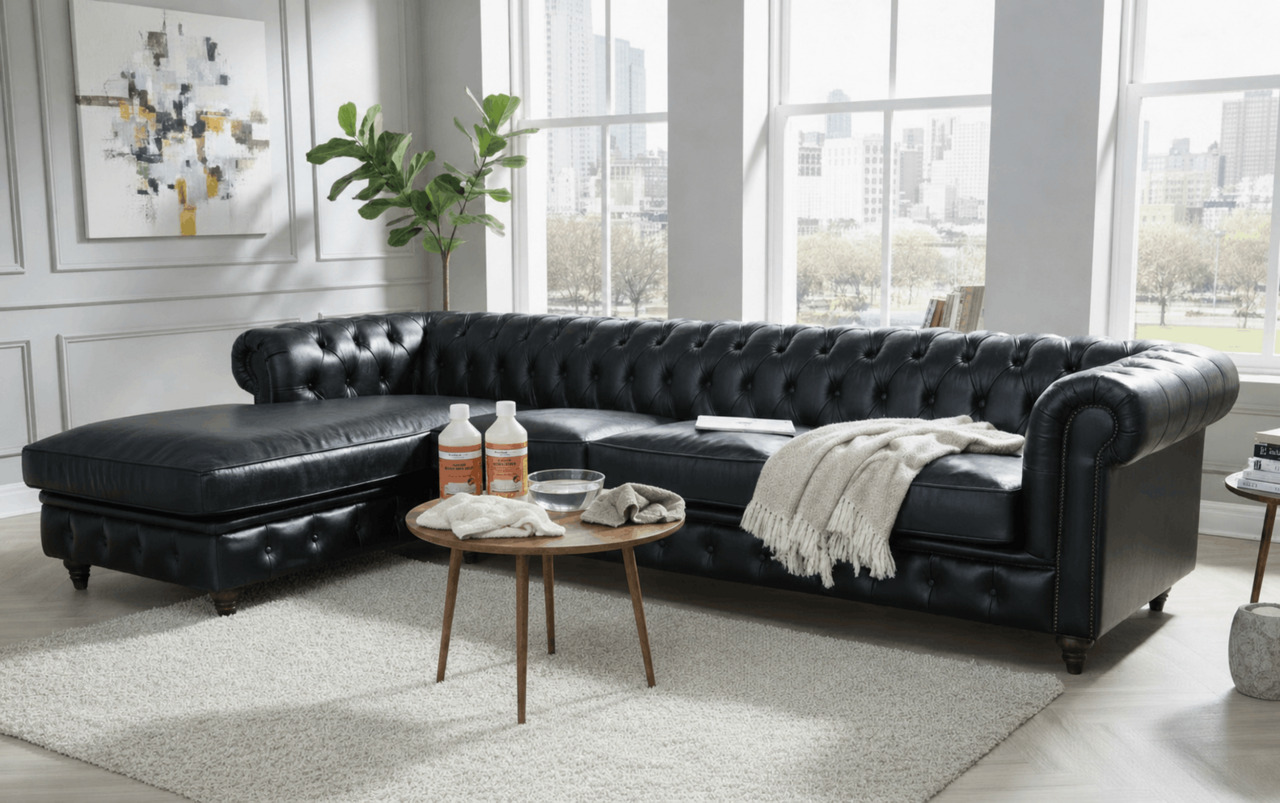
Key Rules for Choosing the Best Cleaners for Leather Furniture
Not all leather cleaners do the same job. Some are best for light, regular upkeep, while others are better for more visible marks or leather that has started to look tired. When people search for the best cleaners for leather furniture, the right choice usually depends less on the label and more on what they actually want to improve.
A good cleaner should lift dirt without leaving the leather feeling sticky, greasy or overly dry afterwards. For sofas, a gentle formula is usually a better choice than anything too harsh or too chemical. In most cases, soft cleaning and careful application give a better result than strong products.
It also helps to think beyond the cleaner itself. Some settees only need a simple surface refresh, but drier leather often benefits from a second treatment step such as a conditioner or protection cream. That is why it is worth checking whether the brand offers a full care routine rather than a cleaner on its own.
When choosing a product, look for:
- gentle cleaning
- easy application
- no greasy residue
- suitability for leather furniture
- whether a conditioner is needed afterwards
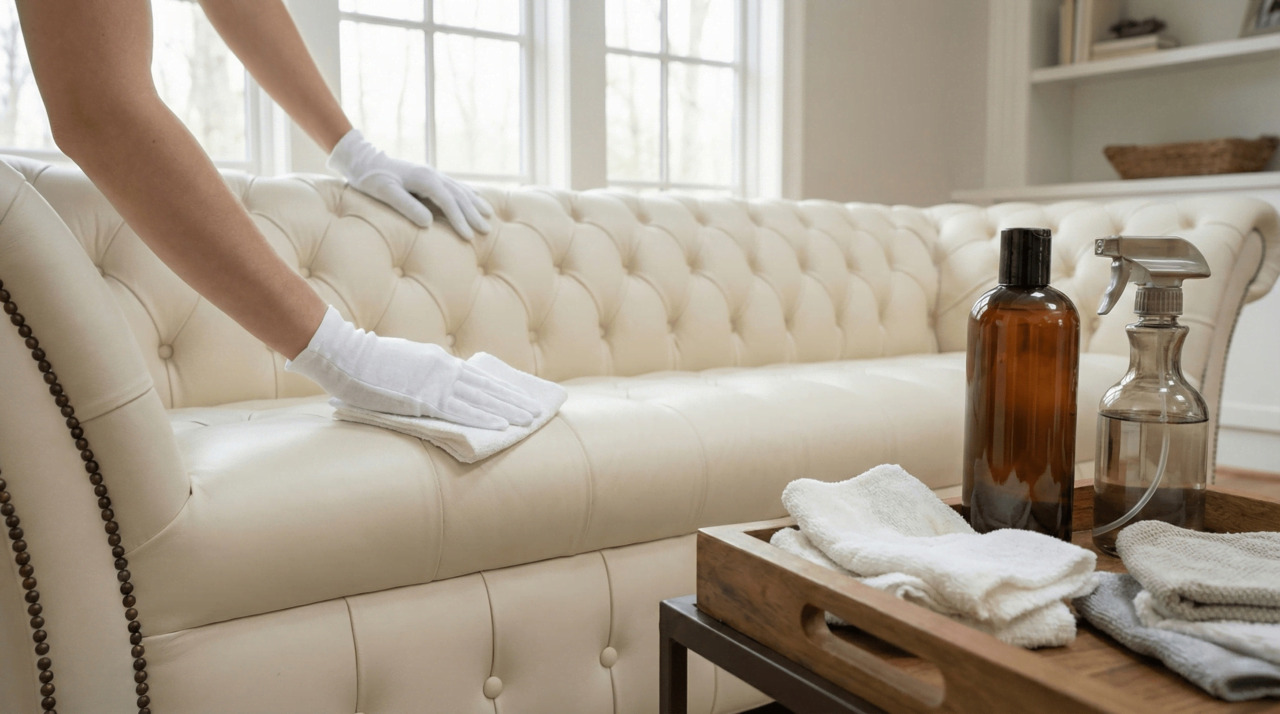
What You’ll Find When Shopping for Leather Care Products
When you start comparing leather care products, you will usually see four main options.
A cleaner is the simplest one-step product. It is best for light, regular cleaning when your sofa only needs a surface refresh and the leather still feels in good condition.
A cleaner + conditioner routine gives you two separate steps. This is a better choice when the leather looks a little dry, feels less supple, or needs more than a quick clean. The cleaner removes surface dirt, then the conditioner helps the leather feel better cared for afterwards.
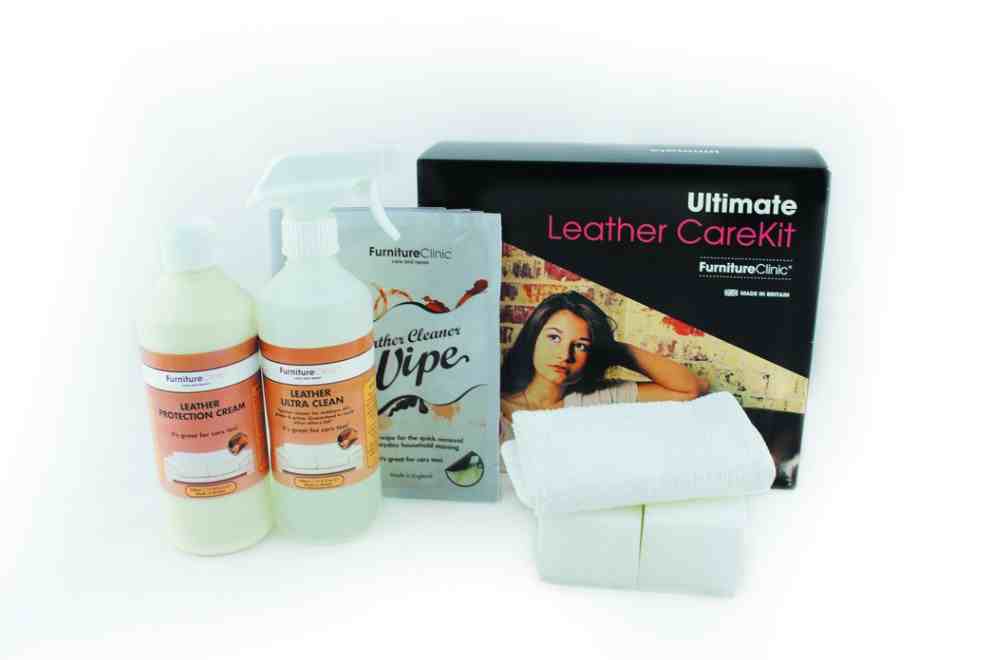
A full care kit, such as the leather care kit, is a ready-made set rather than just a single product. It usually includes a cleaner, a conditioner or protection cream, applicators or sponges, and instructions. The main advantage is convenience. You are not trying to match products yourself, which makes it a practical option for ongoing care.
A restorer or rejuvenator sits in a separate category. These products are usually chosen when leather looks tired, slightly faded or less even in appearance. They can improve how the surface looks, but they are not a repair solution. A restorer can refresh the finish, but it will not fix damage in the way many buyers hope.
Quick List: Popular Leather Sofa Cleaners in the UK
Below are some of the top rated names UK shoppers are likely to come across when comparing leather sofa cleaners and care products. Some are clearly positioned for leather furniture, while others sit in the broader leather-care or upholstery-care space, so it is still worth checking whether they are suitable for sofas before buying.
- Furniture Clinic Leather Ultra Clean
- Leather Honey Cleaner
- HG Leather Cleaner
- Ultimate Leather Care Kit
- Dr Beckmann Leather Cleaner
- Guardsman Leather Care Products
- Astonish Leather Cleaner
- Weiman Leather Cleaner
- Method Leather Cleaner
Best Leather Sofa Cleaners by Need
Best for Regular Cleaning
If your couch mainly needs help with light dust, everyday marks and the odd stain while keeping the surface looking fresh, a gentle cleaner is usually the best place to start. For this kind of care, the product should be easy to apply, comfortable to work with and mild enough not to leave the leather feeling dry afterwards.
Furniture Clinic Leather Ultra Clean is a good fit for regular cleaning because it is designed for leather care and works well when you want to keep the sofa looking tidy without overdoing it. HG Leather Cleaner is another practical option if you want something straightforward for day-to-day use. Leather Honey Leather Cleaner is a stronger choice when you want one product that can handle both routine cleaning and more noticeable marks. If you prefer an all-in-one option, the Ultimate Leather Care Kit is useful because it combines cleaner, conditioner and tools in one set, so you do not have to choose each part separately. In many homes, that fuller care step is only needed a couple of times a year.
Best for Dry or Tired-Looking Leather
If the leather looks dull, feels less soft, or still seems flat after cleaning, a cleaner on its own may not be enough. In that case, the better choice is often a conditioner used after cleaning.
Leather Honey Conditioner and Furniture Clinic Leather Conditioner are both suited to this second step. They are there to support the leather after surface dirt has been removed, helping it look better cared for and feel less dry.
Best Leather Furniture Restorer for Leather That Needs More Than a Wipe-Down
Some sofas need more than a basic clean. If the leather looks tired, has lost a little colour or feels less supple, a restorer may help improve the overall appearance. Furniture Clinic Leather Revive and leather colour restorers are better suited to this kind of refresh.
The important thing is to keep expectations realistic. These products are for visual improvement, not repair.
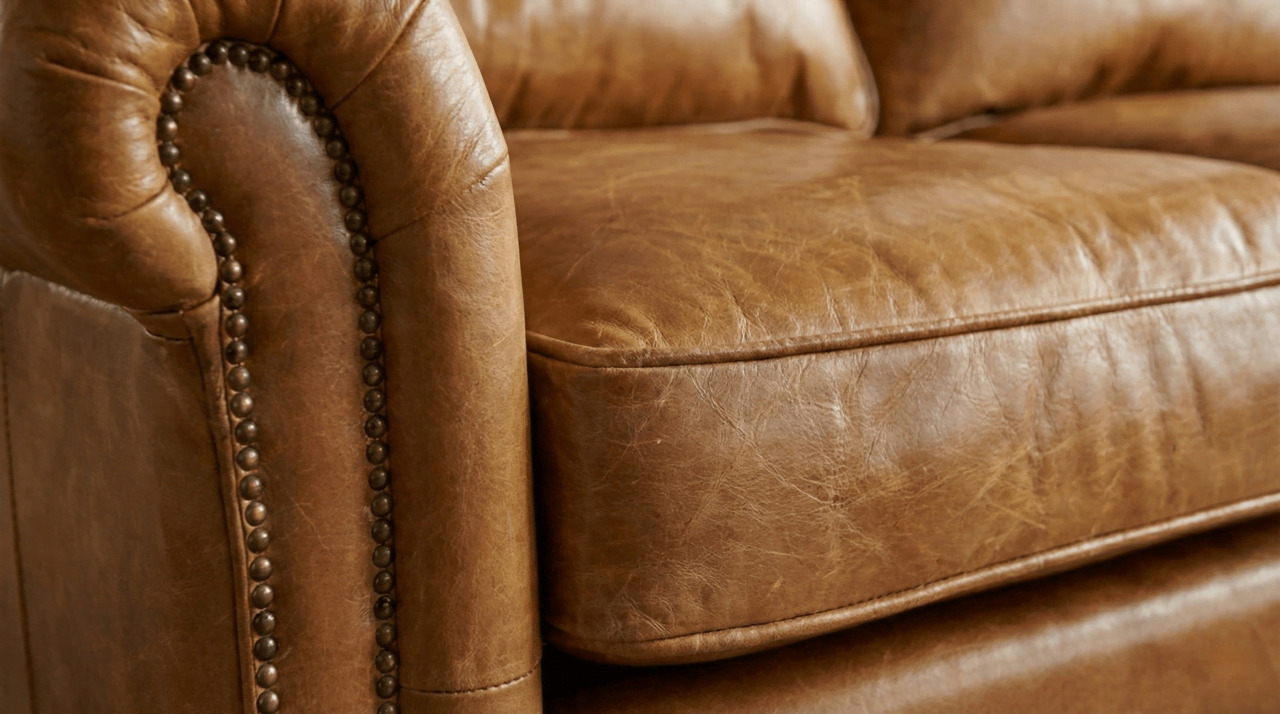
How UK Climate Affects Leather Sofas
In the UK, leather sofas deal with a mix of indoor heating, cooler months, changes in temperature and everyday humidity. Over time, that can affect how the leather looks and feels. In winter, heating can make the surface feel drier and less supple. At other times of year, moisture in the air can leave leather feeling a little heavier or less fresh if it is not cared for properly.
That is why leather sofas usually benefit from regular care rather than waiting until they start to look worn. Gentle cleaning helps keep the surface fresh, while conditioning is useful for maintaining softness and helping the leather stay in better shape over time.
Interior Leather Cleaner vs Sofa Leather Cleaner
Some leather care products are marketed very broadly. You may see one cleaner described as suitable for interior leather, furniture, car interiors and other leather items. That sounds convenient, but for a sofa it is better to be more careful.
If you are buying a product for a leather sofa, look for one that clearly says it is suitable for leather furniture or leather sofas. A sofa is part of everyday life at home. Unlike furniture with removable covers, leather needs products chosen for the surface itself. You want the leather to feel clean, comfortable and pleasant to use after cleaning, with a soft, almost plush feel rather than a heavy finish not coated in product or left with a strong smell. That is why a cleaner made with furniture in mind is often the better choice. It is also worth checking whether the product is meant for real leather rather than leatherette, faux leather, pleather, PU or other synthetic and vegan alternatives.
How to Clean a Leather Sofa Without Damaging It
Start by removing dust and crumbs with a soft dry cloth or a vacuum cleaner with a brush attachment. This stops you rubbing loose dirt into the leather once the cleaner goes on. Before using any product properly, test it on a less visible area first so you can check how the leather responds.
Apply a small amount rather than too much at once. A soft cloth or sponge is usually the best choice, especially if the instructions recommend it. Work gently over the surface instead of scrubbing hard, as rough cleaning can do more harm than good. Once the sofa is clean, add a conditioner or protection cream if the leather needs extra care.
Mistakes to Avoid When Choosing Leather Sofa Cleaners
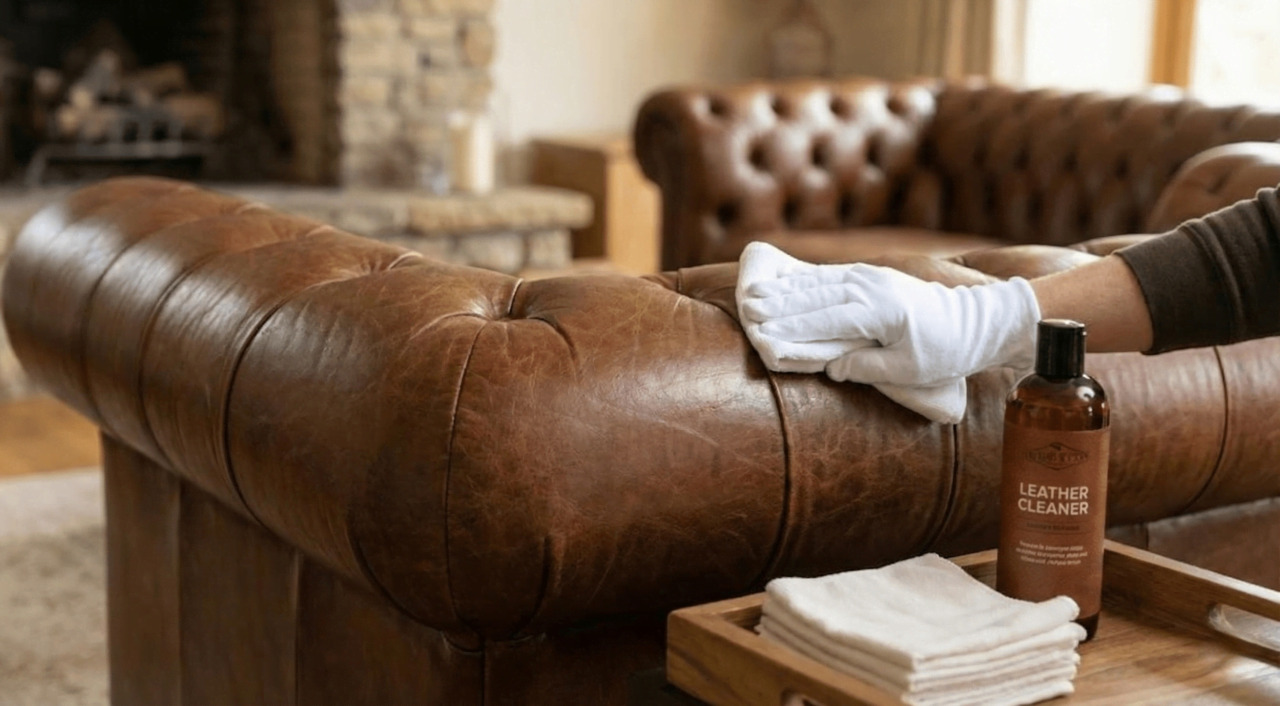
One of the biggest mistakes is buying a product just because it is labelled a best seller or sounds like a quick cleaning hack, without checking whether you actually need a simple cleaner or a full care kit. Another common one is treating cleaning as the whole job. If the leather is starting to look dry or less soft, a conditioner or protection cream may be the step that makes the real difference.
It also helps to avoid using too much product. More cleaner does not usually mean a better result, and it can make the surface harder to work with. Skipping a test patch is another easy mistake, especially if the leather is older or more delicate. It is also worth being realistic about what a cleaner can do. If the issue is closer to fading, wear or surface damage, you may need a restorer rather than a standard cleaner. Finally, pay attention to how the product is applied and whether it may affect the shade of the leather after use.
What Not to Use on a Leather Sofa
Avoid harsh household cleaners, bleach, alcohol-based products, steam cleaners, degreaser sprays, abrasive cloths and anything not clearly suitable for leather furniture. These can dry out the surface, mark the finish or make the leather feel rough over time.
Quick Buying Guide: Which Leather Cleaner Should You Choose?
If your sofa only needs a light refresh, a gentle cleaner is usually enough. It is the best fit for lifting dust, everyday marks and keeping the leather looking neat without overcomplicating the process.
If you want a more complete routine, a full care kit is often the better choice. That gives you the cleaner, the follow-up protection step and the tools in one place, which makes ongoing care easier to manage.
If you have children, pets or a busy household, do not focus on cleaning alone. Protection matters too. In homes where the sofa gets regular use, keeping the leather protected can be just as important as removing marks from the surface.
Explore More of Our Guides
If you want to build a more complete care routine, it is worth exploring more of our guides as well. Alongside choosing the right cleaner, it helps to know how to clean a leather sofa to clean a leather sofa properly and understand which type of leather type of leather is best for a sofa, especially when care needs can vary from one finish to another.
Final Thoughts
The best leather sofa cleaner is not always the strongest one. It is the one that suits your sofa, the condition of the leather and the kind of care you want to keep up over time. For most homes, the best result comes from gentle regular cleaning, followed by protection, conditioning or another suitable leather treatment for sofa care, rather than one heavy clean once the sofa already looks tired.
If you want an easier long-term option, a full care kit often makes more sense than buying each step separately. At Designer Sofas 4U, leather and fabric furniture have been at the heart of the business since 2007, so if you need help choosing the right sofa care products or exploring leather sofas, it is a good place to start.
FAQ
What Is the Best Thing to Clean a Leather Sofa With?
The best choice is usually a leather cleaner made specifically for furniture rather than a general household product. When people compare the best leather sofa cleaners, it helps to look for something gentle enough for regular use, easy to apply, and suitable for the type of leather you have, especially if it is aniline, nappa, nubuck or another natural leather finish.
Can You Use Household Cleaners on a Leather Sofa?
General household cleaners are usually best avoided on leather sofas. Many of them are too harsh for regular leather care and can leave the surface dry, marked or less comfortable over time, especially on a sofa used every day in the lounge. A product made for leather furniture is normally the safer and more reliable option.
Do You Need to Condition a Leather Sofa After Cleaning?
In many cases, conditioning after cleaning is worth doing, especially if the leather looks dull, feels less soft or seems a little dry. Cleaning removes surface dirt, but conditioning helps the leather feel better cared for and supports its finish over time.
How Often Should You Clean a Leather Sofa?
For most homes, light maintenance works best on a regular basis rather than waiting for the sofa to look tired. Dusting or vacuuming helps with weekly upkeep, while deeper cleaning and conditioning can be done when the leather starts to lose freshness, softness or an even finish.
Can Leather Cleaner Fix Cracks or Faded Areas?
A leather cleaner can improve the surface by removing dirt and freshening the finish, but it will not usually fix cracks, fading or visible wear on its own. If the leather already looks damaged or has lost colour, the best leather furniture restorer or another more specialist product is often a better choice than a standard cleaner.