
.jpg)
Sofa Reupholstery Cost: Prices, Key Factors and When It’s Worth It
Reupholstering a sofa is often seen as a practical way to refresh existing furniture instead of replacing it entirely. Many homeowners consider recovering an older sofa when the fabric has worn out, the colour no longer suits the room, or the cushions no longer feel as comfortable as they once did. However, the sofa reupholstery cost in the UK can sometimes be higher than people initially expect.
While recovering furniture can extend the life of a well-built sofa, the final price depends on several factors. Upholstery fabric choice, labour, the condition of the frame, and the complexity of the design can all influence the total estimate. In some cases, the cost of refurbishing a sofa may approach or even exceed the price of buying a new one.
This guide explains typical UK pricing, what drives reupholstery costs, how to choose a reliable upholsterer, and when replacing a sofa may be the more practical option. Our aim is to help homeowners understand whether reupholstery is the right choice for them or whether investing in a new sofa may offer better long-term value.
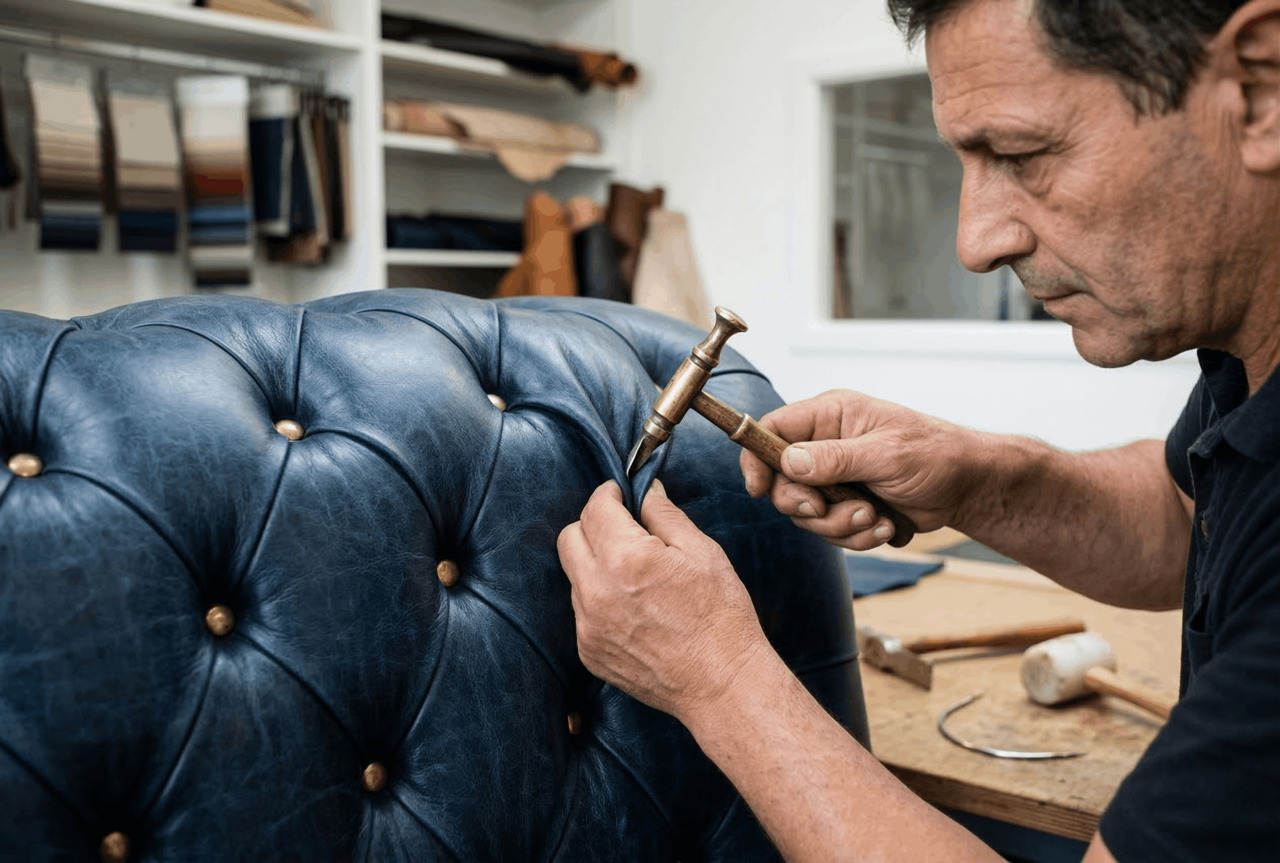
The Quick Answer: Understanding Sofa Reupholstery Cost and What’s Usually Included
When people first start researching sofa reupholstery cost, they usually want a quick idea of what the project might cost. In reality, prices can vary widely depending on the sofa type, materials used, and the amount of labour involved.
For a typical sofa in the UK, reupholstery prices often range between £500 and £1500, though complex pieces such as large corner sofas or antique Chesterfield designs may cost considerably more.
Basic reupholstery work usually includes:
- removing the existing upholstery
- preparing the frame and structure
- cutting and fitting new upholstery fabric
- reassembling the sofa
- standard finishing details such as seams and trim
However, several elements are often charged separately, which can significantly increase the final price.
Additional charges may include:
- foam replacement or cushion restuffing
- replacing worn springs or webbing
- structural frame repair
- decorative features such as piping or button tufting
- pickup & delivery services
Because of these additional elements, a full cost estimate typically requires an upholsterer to inspect the sofa before providing an accurate quote. In the sections below, we’ll look more closely at what actually shapes the final price — including fabric choice, labour, repairs, and other factors that influence reupholstery costs.
What Affects Sofa Reupholstery Costs in the UK
Several practical factors determine the overall price of recovering a sofa. Even sofas of similar size can vary significantly in cost depending on their construction and condition.
In the UK, as in many other countries, the biggest price differences usually come down to sofa size, design complexity, material choice, condition, and location.
Below is a quick overview of the most common price influences.
| Factor | How it affects price |
|---|---|
| Sofa size | Larger sofas require more fabric and labour |
| Upholstery material | Leather and premium fabrics cost significantly more |
| Structural condition | Repairs to springs, frames or padding increase labour |
| Design complexity | Button tufting, piping and multiple cushions require more time |
| Location | Upholstery services in London and large cities often cost more |
Sofa size and type
A small two-seater sofa will naturally require less upholstery fabric and labour than a large corner sofa, sofa bed, or recliner. More cushions, deeper seating, and complex arm shapes also increase the time required for recovering.
Design complexity
Certain classic sofa designs require highly skilled craftsmanship. For example, traditional Chesterfield sofas feature deep button tufting, rolled arms, and precise upholstery seams. Recreating these details during reupholstery is labour-intensive.
Upholstery material
Fabric prices vary dramatically. Standard upholstery fabric may cost £20–£40 per metre, while premium fabrics or leather can exceed £100 per metre.
Sofa condition
If the frame is sagging, springs are worn, or padding has collapsed, repairs may be necessary before new upholstery can be fitted.
Location
Prices from a local upholsterer in London may be noticeably higher than in smaller towns due to labour rates and operating costs.
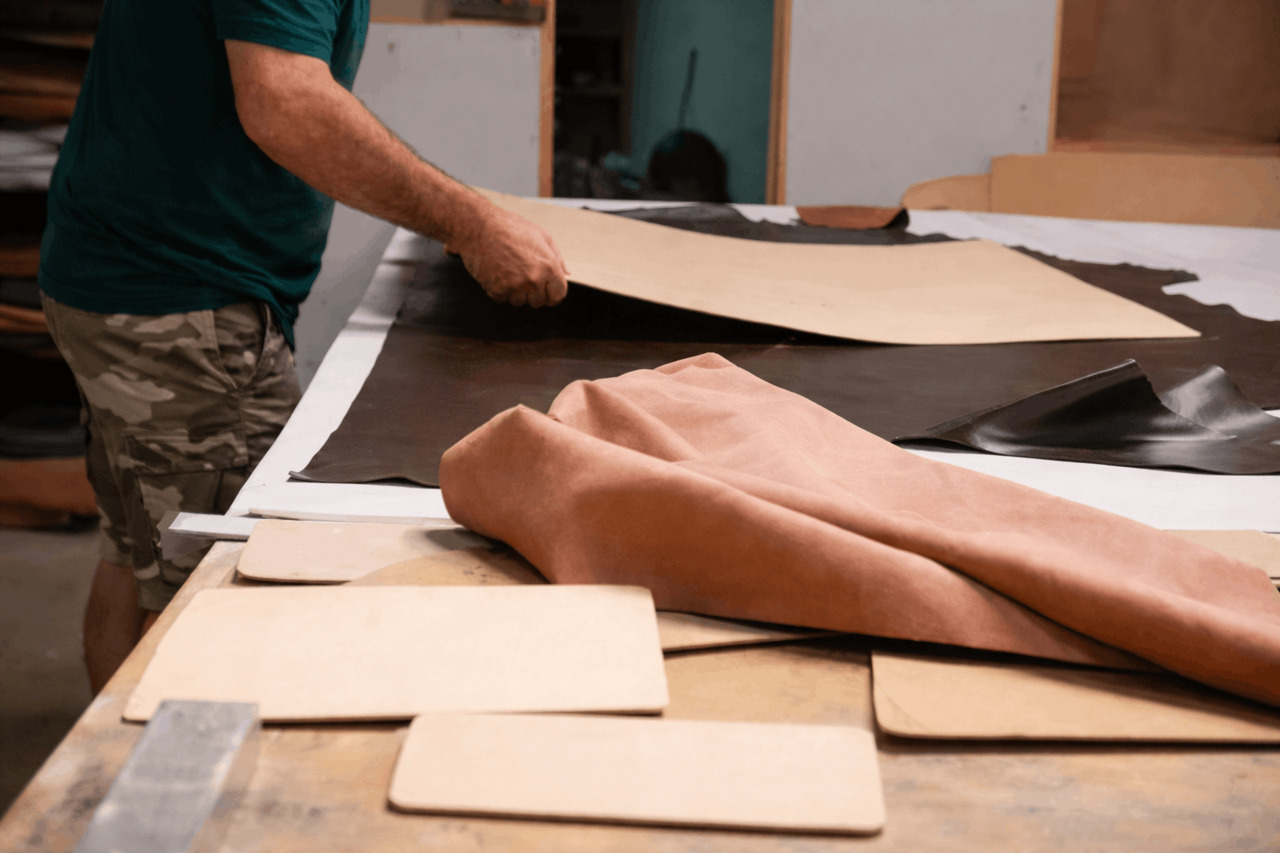
Where the Money Goes — Fabric, Labour, Repairs and Hidden Extras
After looking at the main factors that affect price, it helps to break the estimate down into the actual cost components — materials, labour, repairs, and finishing details. In many cases, the majority of the expense comes from the work involved rather than the fabric itself.
Upholstery fabric and yardage
Fabric is usually priced by the metre, and the amount required depends on the sofa’s size and shape. A standard three-seater sofa may require between 12 and 18 metres of fabric.
Premium upholstery fabric, leather, or patterned textiles can all increase the final estimate quite quickly.
Labour and craftsmanship
Upholsterers must carefully remove the old cover, repair padding or webbing if necessary, and precisely fit the new upholstery.
Details such as piping, welt seams, and decorative trim require careful craftsmanship.
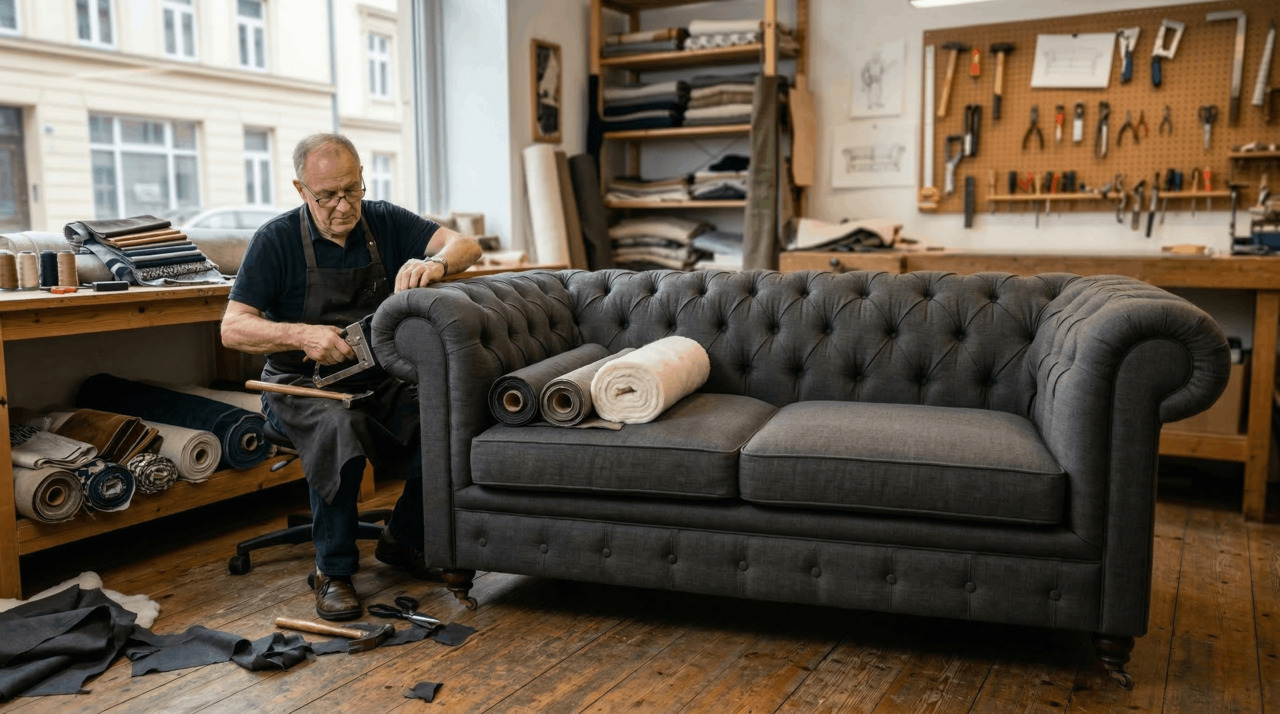
Structural repairs
Sometimes reupholstery reveals deeper structural issues. Springs may need replacing, frames may require reinforcement, or seat supports may need adjustment.
Comfort upgrades
Homeowners often take the opportunity to improve comfort while refurbishing a sofa. Cushion reupholstery, foam replacement, and restuffing can restore seating support but also add to the overall cost.
Hidden extras
Some costs only become apparent once work begins. Additional work such as repairing internal components, replacing decorative details, or adjusting padding may also affect the final estimate.
For example:
- replacing decorative buttons
- repairing frame joints
- fitting new legs
- additional padding layers
These additions can quickly raise the total estimate.
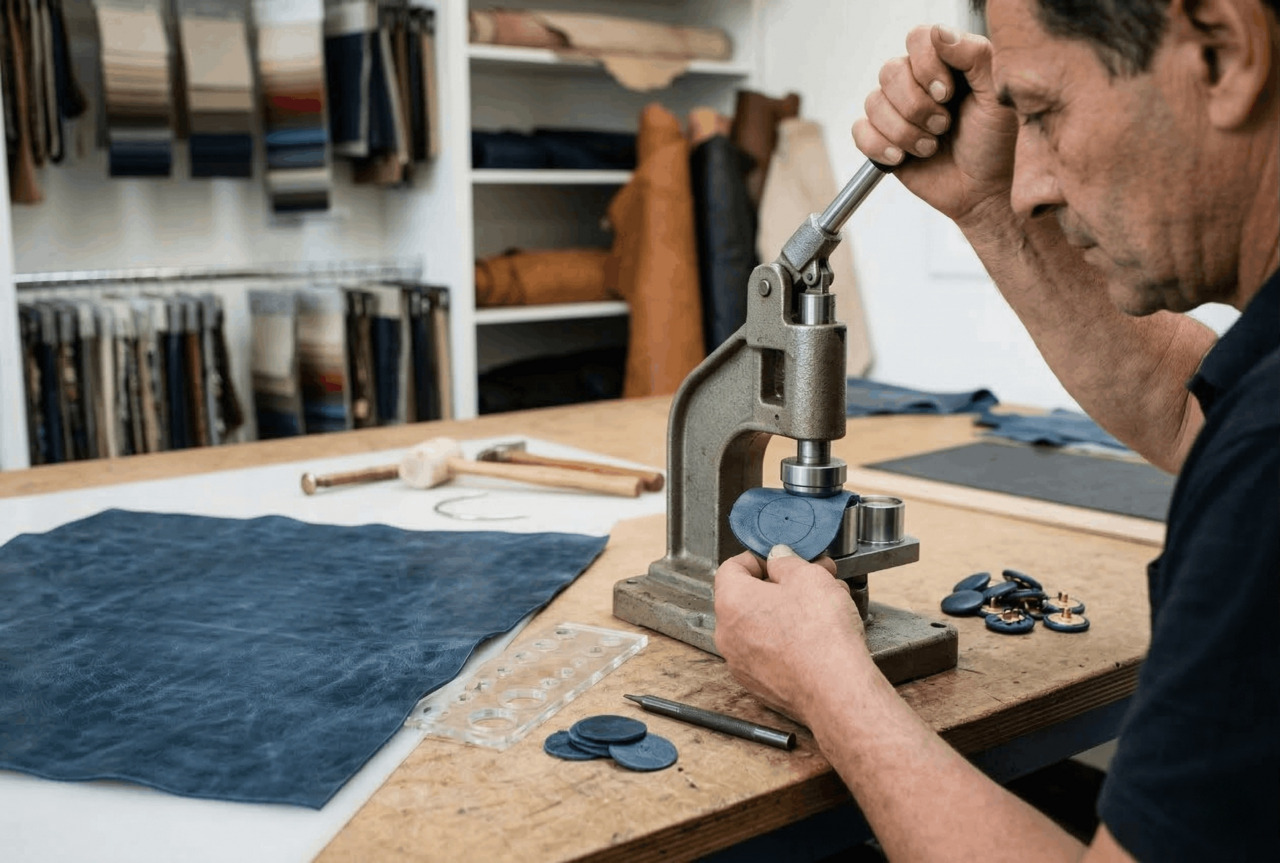
Choosing Fabric or Leather — Costs, Durability, and What to Consider
Material choice plays a key role in both the cost of reupholstery and how well a sofa performs over time. In most cases, the decision comes down to fabric or leather — each with its own pricing, durability, and practical considerations.
Fabric Upholstery
Fabric is often chosen for its flexibility in colour, texture, and overall design. It allows homeowners to match existing furniture more easily and offers a wider range of finishes.
Most upholstery fabrics fall into three general pricing tiers:
- Budget fabrics — durable options suitable for everyday use, typically priced between £15 and £30 per metre
- Mid-range fabrics — improved texture and wear resistance, usually costing £30 to £70 per metre
- Premium fabrics — designer materials with more complex weaves or finishes, often ranging from £70 to £150+ per metre
Durability is a key factor when selecting fabric. Upholstery textiles are commonly tested using the Martindale rub test, which measures resistance to wear:
- 10,000–15,000 rubs — suitable for light domestic use
- 15,000–25,000 rubs — moderate household use
- 25,000+ rubs — heavy use, recommended for busy homes
For households with children or pets, choosing a stain-resistant fabric is often a practical priority. Many modern fabrics include protective finishes or tightly woven fibres designed to reduce wear and make cleaning easier.
Tip: if the sofa is used daily, choosing a stain-resistant fabric can help maintain its appearance for longer and reduce the need for frequent cleaning.
Material requirements also affect the total cost. Upholsterers estimate fabric usage based on sofa size, cushion count, and design complexity:
| Sofa type | Average fabric needed |
|---|---|
| Armchair | 6–8 metres |
| 2-seater sofa | 10–14 metres |
| 3-seater sofa | 14–18 metres |
| Corner sofa | 18–25 metres |
Patterned fabrics can increase both material usage and labour time. Designs with stripes or repeating motifs must be carefully aligned, which leads to more waste. Plain fabrics are generally more economical, as they require less precision during cutting.
Leather Upholstery
Leather is often selected for its structured appearance and long-term durability. It creates a more defined, classic look and can age well when properly maintained.
In terms of pricing, leather is usually more expensive than fabric. This is influenced by both the material itself and the level of craftsmanship required during reupholstery.
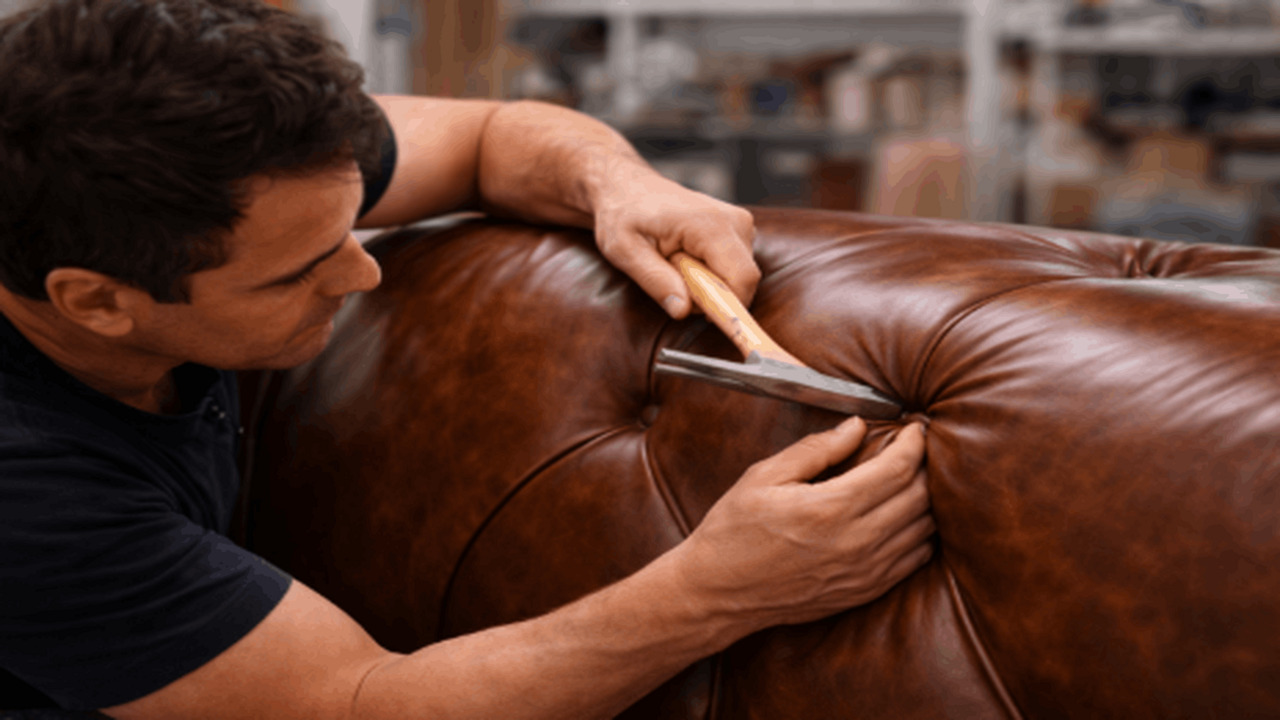
In the UK, upholstery leather typically ranges from £50 to £120+ per metre, depending on quality, finish, and supplier. Full leather reupholstery can therefore increase the total project cost noticeably.
Leather also varies in type and finish, which affects both durability and appearance:
- Protected (pigmented) leather — more resistant to wear and easier to maintain, often used in busy households
- Semi-aniline leather — softer and more natural in appearance, with moderate protection
- Full aniline leather — higher-end finish with a natural look, but more sensitive to stains and marks
Unlike fabric, leather is not measured using abrasion tests. Instead, its longevity depends on hide quality, surface treatment, and ongoing care.
In everyday use, leather has its own advantages and limitations. It is generally easier to wipe clean and does not absorb spills as quickly as fabric. However, it may show scratches, creases, or signs of wear more visibly over time, especially in high-use areas.
Temperature and comfort can also differ. Leather may feel cooler to the touch and can react to room temperature more noticeably than fabric, which some homeowners consider when choosing between the two.
Making the Right Choice
The choice between fabric and leather usually becomes clearer when you think about how the sofa will actually be used day to day. Some homes need something low-maintenance and practical, while others prioritise texture, comfort, or a more defined look.
If reupholstery is part of a wider room update, it also makes sense to consider how the material will sit within the space. Colour palette, surrounding furniture, and overall atmosphere all play a role in how the finished piece will feel.
For example, guides such as what colour goes with a brown leather sofa can help when building a cohesive scheme, while inspiration like olive green sofa living room ideas may offer a starting point when exploring fabric tones and combinations.
In the end, the decision is rarely based on a single factor. It’s a balance between cost, durability, maintenance, and how the sofa fits into everyday living. Taking a moment to weigh these aspects carefully can make a noticeable difference — both in the final result and in how well the furniture works over time.
The Add-On Repairs Often Needed During Reupholstery
Reupholstery does not always solve underlying structural issues. If a sofa has deeper wear problems, additional repairs may be necessary.
Common repairs include:
- replacing webbing or springs
- strengthening the frame
- tightening loose joints
- adjusting seat support
- replacing worn legs
Cushion fillings may also need replacing or upgrading. Over time, foam loses density and feathers flatten. Cushion restuffing or foam replacement can restore seating comfort.
The Reupholstery Process and Timeline
Many homeowners asking how much to recover a sofa quickly discover that the process involves much more than simply replacing the fabric.
The work usually follows several structured stages:
- Initial inspection and measurements
- Selecting upholstery fabric or leather
- Providing a detailed quote or estimate
- Removing the old upholstery
- Repairing structure and padding if needed
- Cutting and fitting the new material
- Final assembly and finishing
The exact sequence may vary slightly between upholsterers, but most UK workshops follow a similar process.
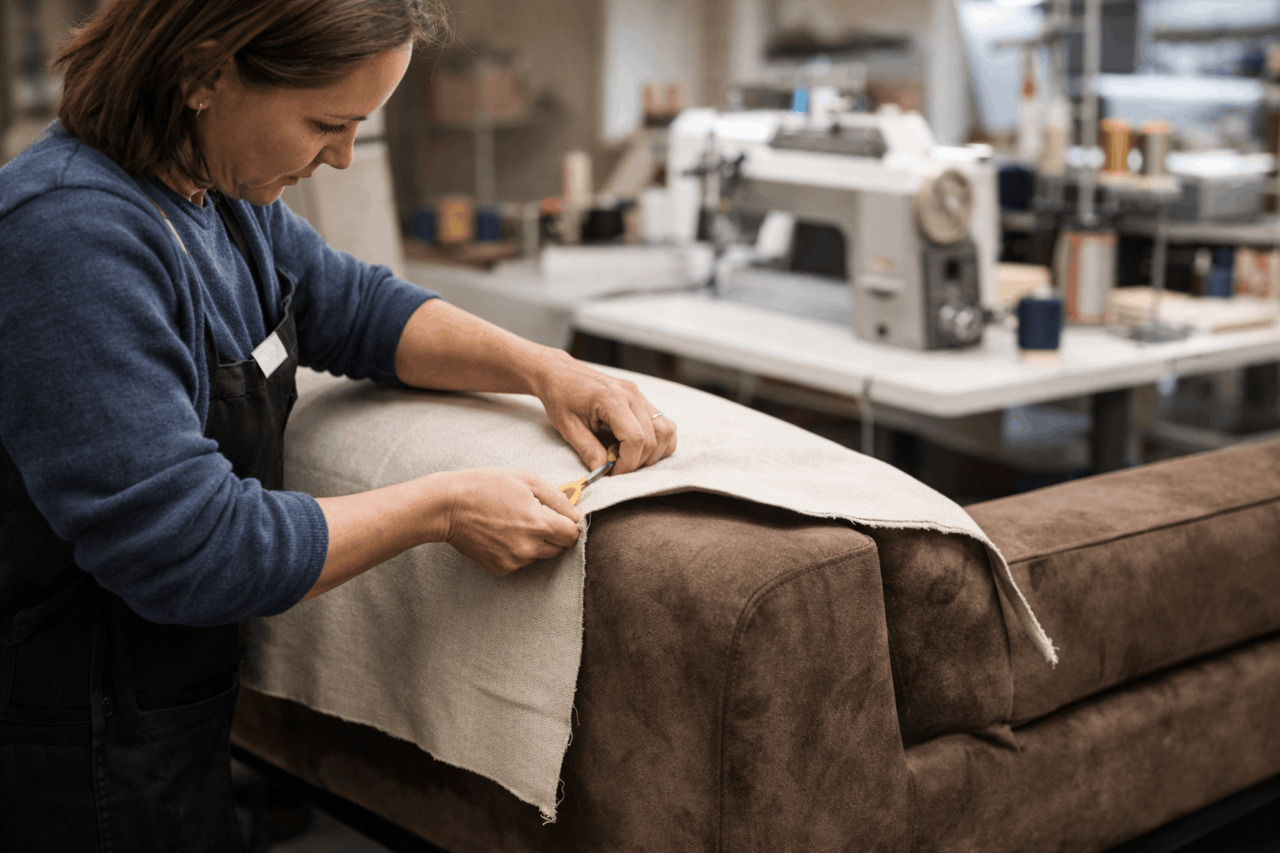
Depending on the upholsterer’s workload and the complexity of the sofa, turnaround time may range from two to eight weeks.
Factors affecting timing include:
- fabric availability
- repair requirements
- workshop capacity
- collection and delivery logistics
Before confirming the work, it is important to check lead times, deposits, and responsibilities for transport.
How Much Does It Cost to Reupholster a Sofa — Understanding Typical UK Prices
People often ask: how much does it cost to reupholster a sofa? As mentioned earlier, the answer largely depends on the sofa itself.
Typical UK reupholstery price ranges may look like this:
| Sofa type | Estimated reupholstery price |
|---|---|
| Armchair | £300–£700 |
| Two-seater sofa | £500–£900 |
| Three-seater sofa | £700–£1200 |
| Corner sofa | £900–£1800+ |
To better understand how the final estimate is calculated, it helps to look at how the total price is usually divided between materials and labour.
A simplified example for a three-seater sofa might look like this:
| Cost component | Approximate share |
|---|---|
| Upholstery fabric | 30–40% |
| Labour and craftsmanship | 40–50% |
| Repairs and materials | 10–20% |
Because every sofa is constructed differently, the amount of work required can vary significantly. A simple modern sofa with removable cushions is usually quicker to recover than a traditional design with fixed upholstery, deep button tufting, or complex piping.
Additional decorative features such as button tufting, piping, or complex seams can increase labour hours even further.
Understanding how these elements combine helps explain why two reupholstery quotes may differ even when the sofas appear similar at first glance.
Because of these variables, the price reupholster sofa owners are quoted can vary widely from one piece to another. For this reason, homeowners frequently compare reupholstery costs with the price of buying a new sofa.
Choosing a UK Upholsterer — What to Check Before Booking
Selecting a skilled upholsterer is essential for a successful result.
Before committing to a service, it is worth checking several key points.
Portfolio and experience
Look for examples of previous work, particularly sofas similar to your own.
Clear pricing
A reliable upholsterer should provide a written quote that explains labor, materials, and possible extras.
Questions to ask
Before confirming the work, consider asking:
- how much fabric will be required
- whether springs or webbing will be replaced
- what turnaround time to expect
- whether pickup and delivery are included
Red flags
Potential warning signs include:
- fixed prices without inspecting the sofa
- vague estimates
- no itemised quote
Reupholster or Buy New — When Each Option Makes Sense
Many homeowners begin to question whether reupholstery is worth it once repair costs start approaching the price of a replacement sofa. At that stage, a simple cost comparison often helps clarify whether reupholstery vs a new sofa offers better long-term value.
It often makes sense when:
- the sofa frame is solid and well constructed
- the size and shape fit the room perfectly
- the piece has sentimental value
Even when a sofa has a solid frame, homeowners sometimes discover that restoring comfort requires more than simply replacing the fabric. Cushion fillings may need replacing, springs may require adjustment, and padding layers may need rebuilding.
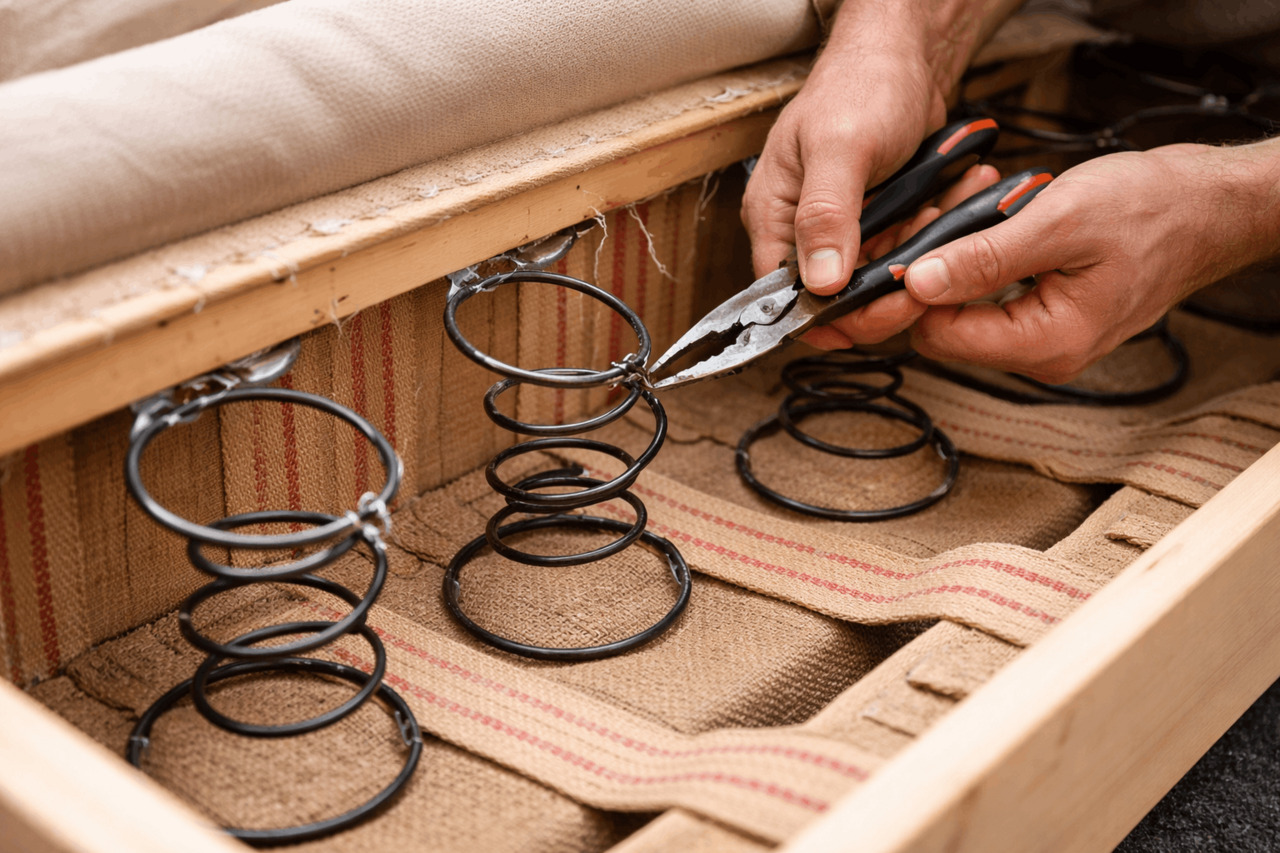
When several of these repairs are required at the same time, the total refurbishment cost can rise quickly. In these situations, the price reupholster sofa owners are given may come close to the cost of buying a new one.
Buying a new sofa can offer several advantages:
- modern foam technology and improved seat support
- manufacturer warranties
- predictable comfort levels
- a wider choice of sizes and configurations
- updated upholstery materials designed for modern homes
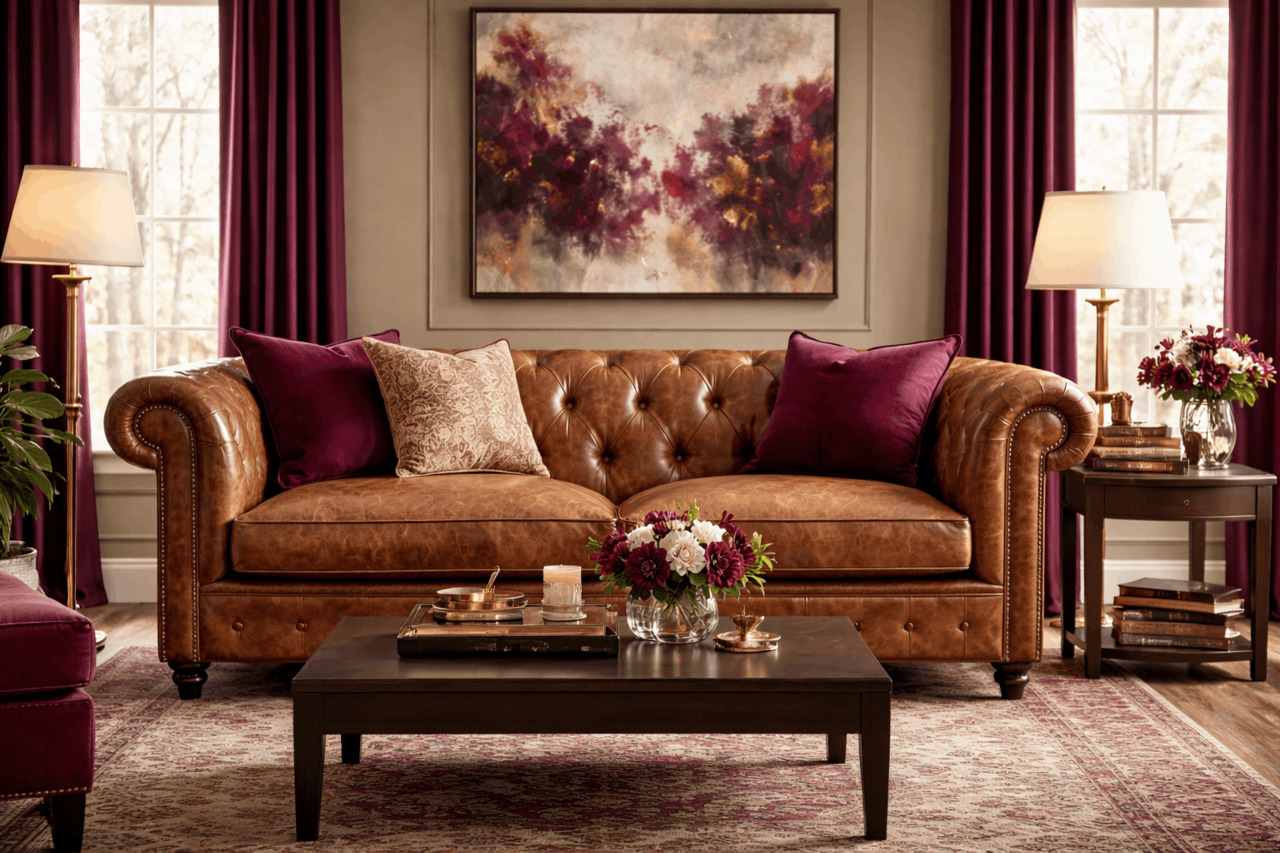
Another consideration is layout flexibility. If a household is planning to change the room arrangement, upgrade to a larger seating area, or add features such as a sofa bed or chaise section, reupholstery may not provide the desired result.
New sofas also offer clearer delivery timelines compared with custom upholstery work. While reupholstery projects can take several weeks depending on workshop schedules, modern sofa collections often provide more predictable lead times, updated materials, and manufacturer warranties.
However, buying a new sofa often becomes the better option when:
- the frame is weak or damaged
- springs or padding need extensive replacement
- you want a different layout or seating style
- the total repair cost approaches the price of a new sofa
If you are comparing options, exploring collections such as fabric sofas, leather sofas, or classic Chesterfield sofas can help you evaluate what a new sofa might offer.
You may also find it useful to read a detailed sofa buying guide when deciding whether to refurbish existing furniture or invest in a replacement.
A practical way to decide: if the reupholstery estimate reaches around 60–70% of the price of a new sofa, replacement often becomes the more cost-effective option.
Alternatives to Reupholstery If You Just Want a Refresh
In many cases, a sofa does not need full reupholstery if the goal is simply to improve comfort or appearance.
Several smaller updates can improve comfort and appearance.
Professional cleaning
A deep upholstery clean can remove stains, dust, and odours. If your sofa simply needs refreshing, learning how to clean a sofa may help restore its appearance.
Cushion improvements
If seating feels flat, cushion restuffing can help restore comfort and support. Full reupholstery is rarely suitable as a DIY task, but within the DIY vs pro choice, smaller improvements like replacing cushion fillings are often manageable at home.
Guides such as how to restuff sofa cushions explain how to improve fillings without replacing the entire sofa, helping extend the life of the furniture.
Comfort upgrades
In some cases, improving seat support or adjusting cushions can make a noticeable difference. Simple adjustments can help make a sofa more comfortable without extensive refurbishment.
Final Thoughts on How Much to Recover a Sofa
Reupholstery can be an effective way to refresh a well-built sofa, particularly when the frame remains strong and the overall structure is worth preserving. It can also be a meaningful choice if the sofa has sentimental value or has been part of your home for many years. In the UK, typical reupholstery costs often fall between £500 and £1500, depending on materials, labour, and the condition of the piece.
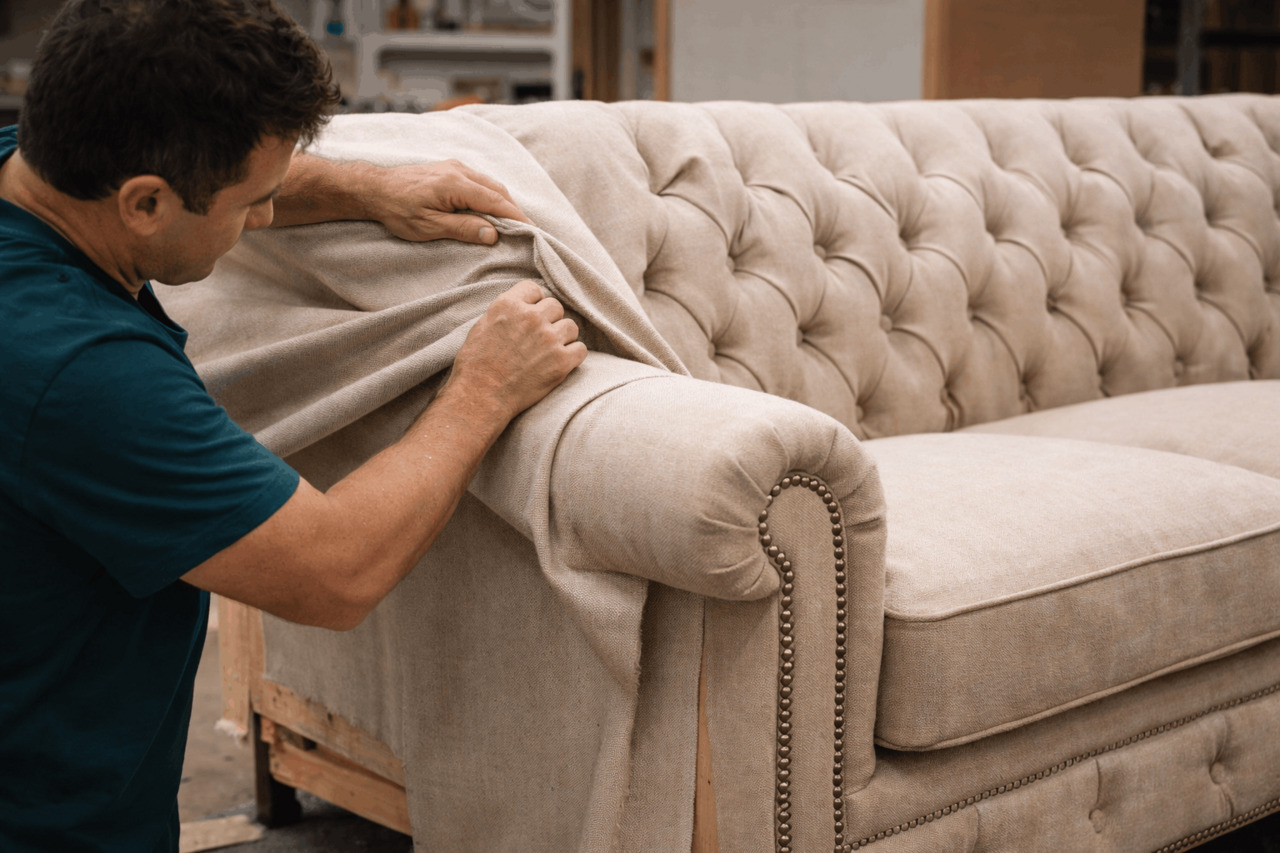
However, the total cost often increases once fabric choice, craftsmanship, and the condition of the internal components are taken into account. For many homeowners, reupholstery becomes more expensive once repairs, new fillings, and more complex upholstery work are added to the estimate.
In these situations, buying a new sofa often provides a clearer balance of cost, comfort, and long-term reliability.
If you are considering updating your living space, you can explore the full range available at Designer Sofas 4U, including collections of fabric sofas, leather sofas, and handcrafted seating designed for everyday comfort. You can also consider additional pieces that complement a sofa, such as high-back armchairs, club chairs, footstools, and other occasional seating options that help complete the room. For personalised guidance, the team can also be contacted directly through the contact page.
FAQ
What usually costs more when reupholstering a sofa — fabric or labour?
In many reupholstery projects, labour accounts for the largest share of the total price. Upholstery work requires skilled manual processes such as removing the existing cover, repairing springs or padding if necessary, cutting fabric accurately, and fitting the new material with precision. Decorative features like piping, button tufting, or detailed seams can increase the time required even further. For this reason, people researching how much does it cost to reupholster a sofa often discover that the final estimate depends more on the complexity of the work than on the fabric alone.
How much to get sofa recovered in the UK?
The cost to recover a sofa in the UK usually depends on the size of the sofa, the upholstery material chosen, and the complexity of the design. A standard three-seater sofa is typically priced between £700 and £1200, although large corner sofas or highly detailed designs can cost more. When people start looking into how much to get sofa recovered, they often discover that upholsterers calculate the estimate based on several practical factors. These usually include the fabric yardage required, the labour involved in removing the old upholstery and fitting the new cover, and whether additional work such as foam replacement, cushion restuffing, or spring repairs will be necessary.
How long does sofa reupholstery usually take?
Most sofa reupholstery projects take between two and eight weeks, depending on workshop workload, fabric availability, and the complexity of the sofa design. Additional repairs such as replacing springs, reinforcing the frame, or restuffing cushions can extend the timeline. People researching how much to reupholster a sofa often discover that the timeline can vary just as much as the price, especially if structural repairs are required.
Can you reupholster a corner sofa or sofa bed?
Yes, both corner sofas and sofa beds can be reupholstered. However, these designs usually require more fabric and significantly more labour than a standard sofa. Corner sofas often consist of several connected sections, while sofa beds include internal folding mechanisms that make upholstery work more complex. As a result, both the total price and the turnaround time are usually higher.
Is it worth reupholstering a leather sofa?
Reupholstering a leather sofa can be worthwhile if the frame remains strong and the design still suits the room, or if the piece has meaning as a reminder of the past. Leather is durable and can look excellent when restored, but it is also one of the more expensive upholstery materials. Because of the higher material cost and specialised craftsmanship required, leather reupholstery can sometimes approach the price of buying a new sofa.
When is it better to buy a new sofa instead of reupholstering?
Buying a new sofa is often the better option when the frame is damaged, springs require replacement, or several structural repairs are needed. When upholstery work, new fillings, and repairs are combined, the total refurbishment estimate can approach the cost of a new sofa. In these situations, purchasing a new sofa often provides clearer pricing, modern comfort materials, predictable delivery times, and a manufacturer warranty.