
.jpg)
How Long Should a Sofa Last?
For most households, a well-built sofa typically lasts between 7 and 15 years, although higher-quality models can remain comfortable for 20 years or more. Buying a sofa is usually a long-term decision. Unlike smaller pieces of furniture, it becomes part of everyday life and sees regular use in most homes. Because of this constant use, many homeowners eventually begin asking the same question: how long should a sofa last before it needs to be repaired or replaced?
Understanding the typical lifespan of a sofa helps with more than just curiosity. It allows people to plan realistically for furniture replacement, budget more effectively, and recognise when repairs are worthwhile. A worn cushion or loose cover may be easy to fix, while structural problems such as a failing frame often signal that replacement is the better long-term solution.
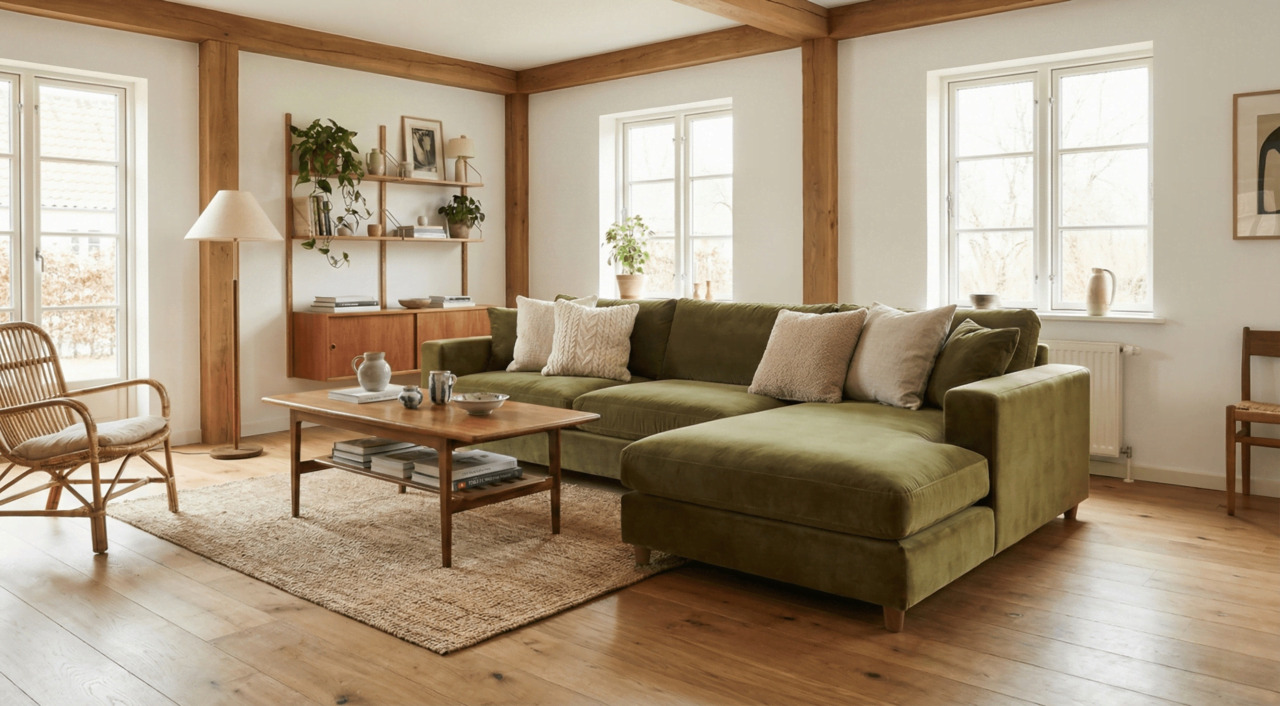
It is also important to understand that sofa lifespan is rarely a fixed number. Instead, it is usually a range of years, influenced by several practical factors. Build quality, materials, daily use, household size, and maintenance habits all play a role. A sofa in a quiet home may last significantly longer than one used heavily every day in a busy household with children or pets.
For this reason, the question is rarely just about time. It is about how a sofa is built, how it is used, and how well it is maintained throughout its life.
Average Sofa Lifespan — How Long Should a Sofa Last in Real Homes?
Most people hope for a single number, but sofa lifespan is rarely that neat. A typical range is much more useful because it gives a more realistic idea of what to expect from a sofa in everyday use.
As a manufacturer of sofas and other upholstered furniture, we see first-hand what affects durability over time. The structure inside the sofa — the frame, support system, and cushion fillings — often matters more than the appearance of the upholstery. These internal components determine how well the sofa holds its shape and support after years of use.
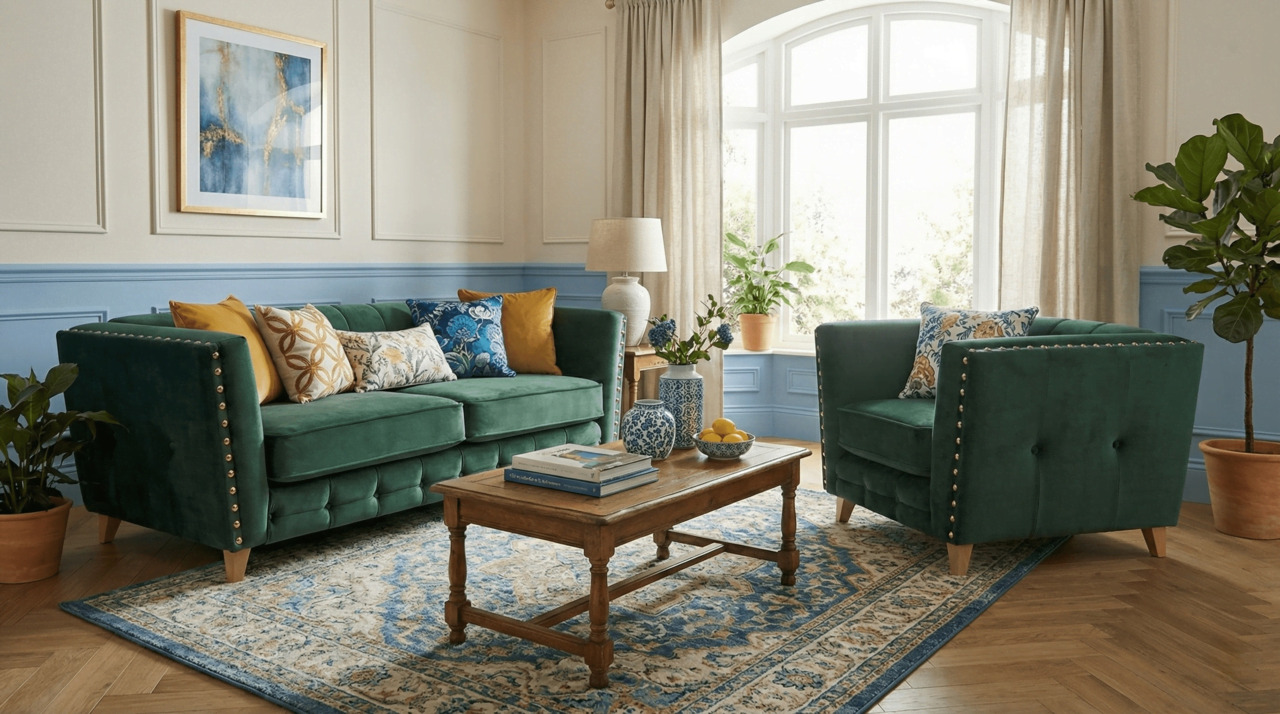
For most households in the UK, sofa lifespan generally falls within the following ranges:
| Sofa quality | Expected lifespan |
|---|---|
| Budget sofa | 5–7 years |
| Mid-range sofa | 7–12 years |
| High-quality sofa | 12–20 years or more |
These ranges are general guidance rather than guarantees.
In practice, the biggest differences usually come from what is built inside the sofa and how well those internal components handle repeated daily pressure.
Because of these combined factors, lifespan should always be viewed as a realistic range rather than a fixed number.
What Determines Sofa Durability — How Long Do Couches Last in Real Use
People sometimes use the terms sofa and couch interchangeably, and the same durability rules apply to both. In practice, how long should a couch last depends on a few structural and lifestyle factors more than anything else.
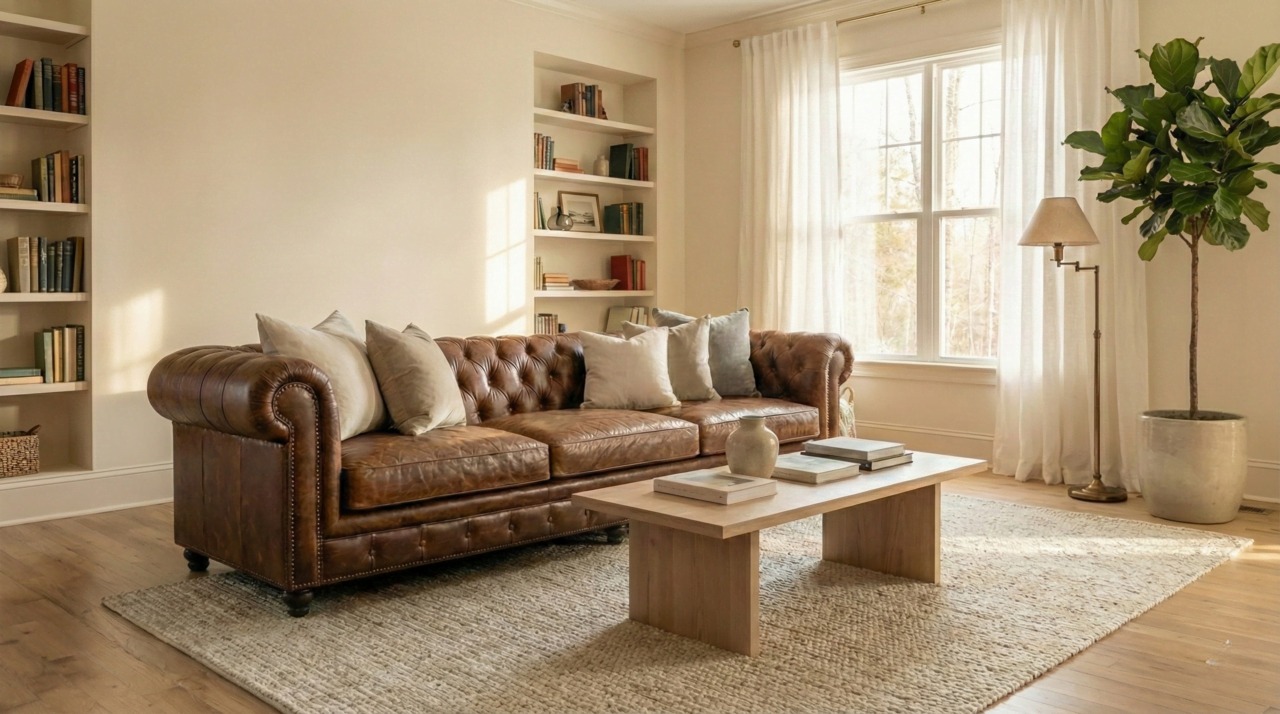
These influences tend to affect lifespan in a clear order of importance.
Frame Construction
The frame is the structural foundation of any sofa. A strong frame keeps the seating stable and prevents twisting or loosening over time. Hardwood frames, reinforced joints, and solid construction methods typically offer far better long-term durability than lighter alternatives.
Suspension and Support Systems
Springs or webbing distribute weight across the seating surface and help the sofa keep its support over time.
If springs lose tension or webbing stretches over time, the seating area may begin to dip even if the frame itself remains intact.
Cushion Fillings
Seat and back cushions experience the most daily pressure during everyday use and the initial break-in period. Foam density, feather blends, and hybrid fillings all affect how well the cushions recover their shape.
Lower-density foam may compress after repeated use, while higher-quality fillings maintain better resilience.
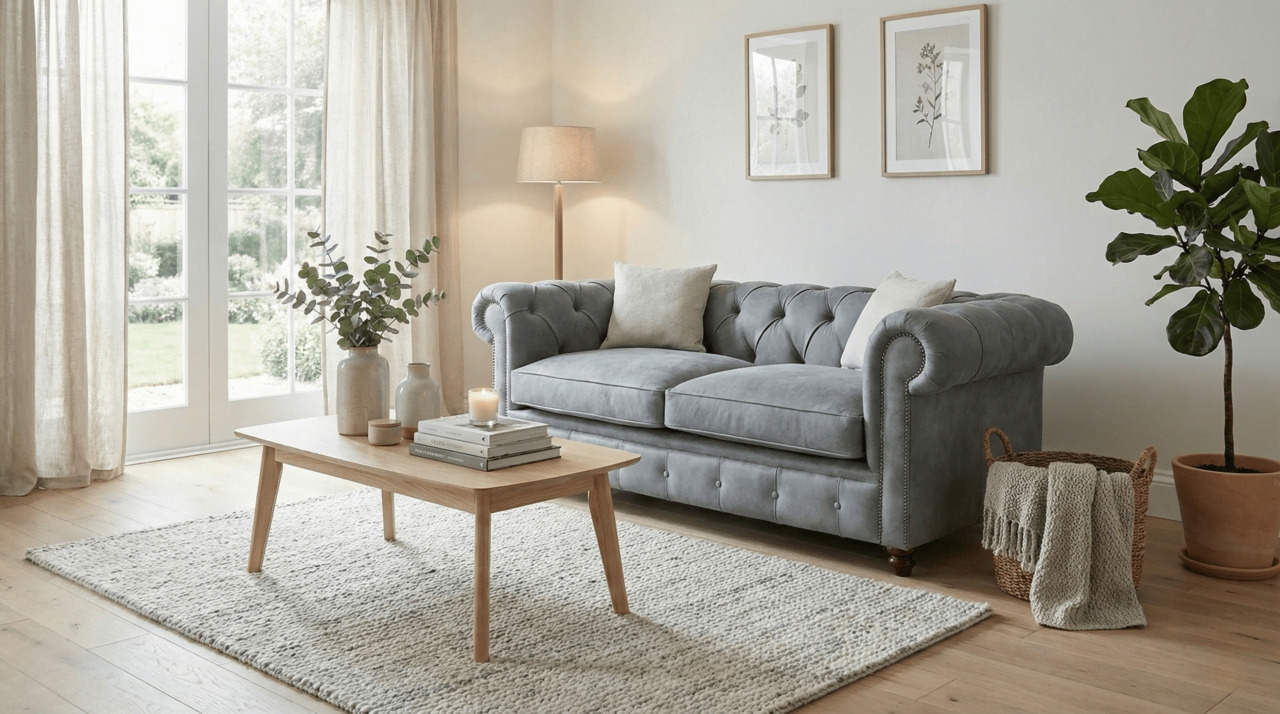
Upholstery and Stitching
Although upholstery does not determine structural strength, it plays an important role in long-term appearance.
Strong stitching and durable fabrics help the sofa maintain its appearance despite years of wear.
Lifestyle and Household Factors
Finally, everyday lifestyle choices can significantly influence how long a couch lasts. Factors such as household size, pets, kids, cleaning habits, and sunlight exposure all contribute to wear and tear.
Frequent daily use naturally places greater load on the sofa, while quieter homes may experience slower ageing.
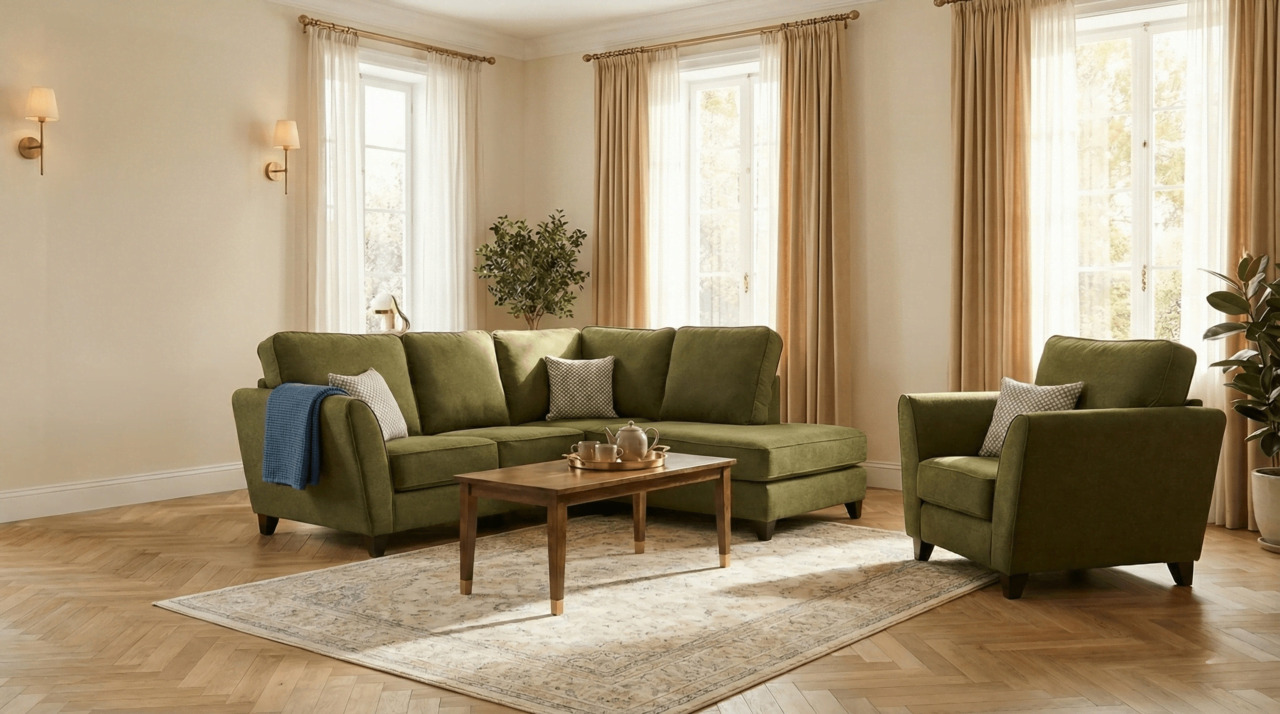
For this reason, durability is rarely determined by a single component. Instead, it is the result of how the frame, support system, materials, and usage patterns interact over time.
Taken together, these details explain why some sofas stay supportive for years while others begin to sag, loosen, or lose comfort much earlier.
Leather Sofa Lifespan — How Long Should a Leather Sofa Last?
When people ask how long should a leather sofa last, the answer is often longer than many expect. Leather upholstery is known for its durability, and in many cases a well-made leather sofa can remain comfortable and visually appealing for 15 to 20 years or more.
One reason leather performs well over the years is its natural strength. Unlike many fabrics, leather does not rely on a woven structure that can gradually weaken through friction. Instead, it forms a dense surface that resists tearing and stretching when properly cared for.
The type and quality of the hide used in upholstery makes a significant difference.
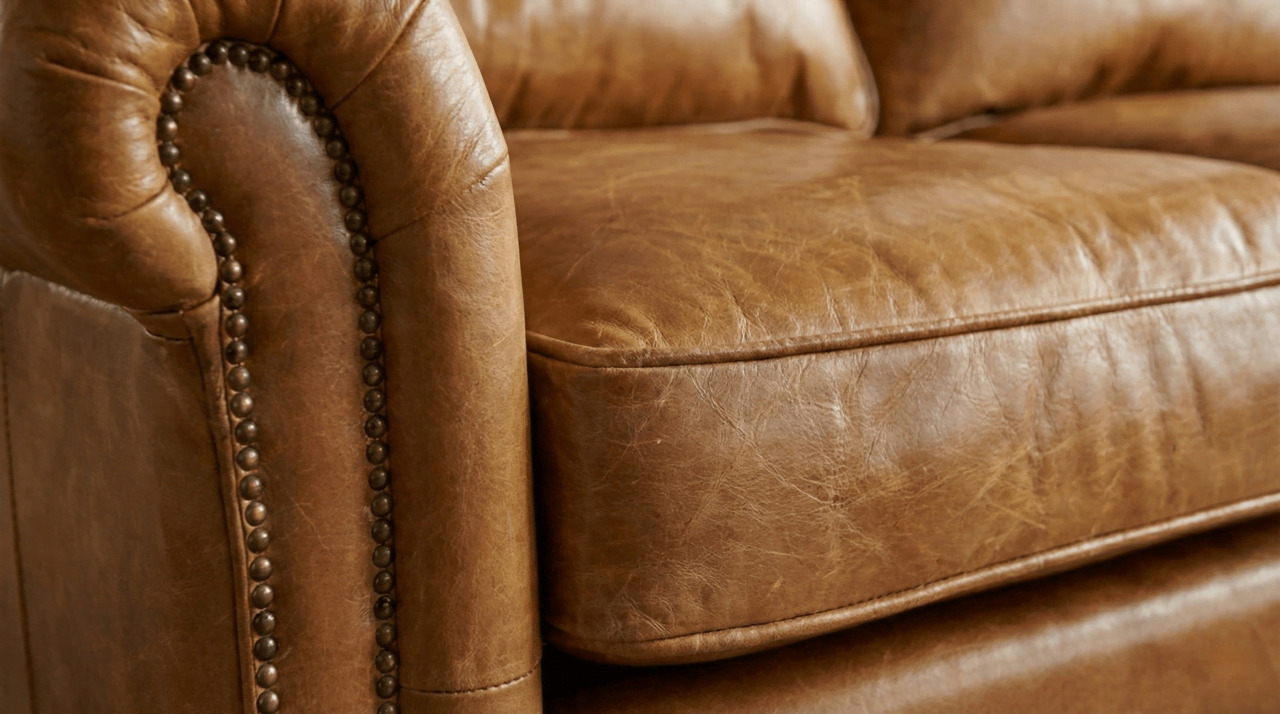
Higher-grade options such as full grain or top grain leather usually offer better longevity because they retain more of the hide’s natural structure. These materials tend to age gradually and develop character over time. Lower-grade or low grain leather that has been heavily processed may look similar at first but can wear faster under constant use.
Colour can also influence how visible everyday wear becomes. Lighter leather shades may show marks or discolouration more easily in busy households, while deeper tones often hide minor wear more effectively. Because of this, many homeowners choose classic brown leather tones that remain both practical and visually versatile. If you are planning a living room around these traditional shades, this guide on what colour goes with a brown leather sofa explains which palettes work best.
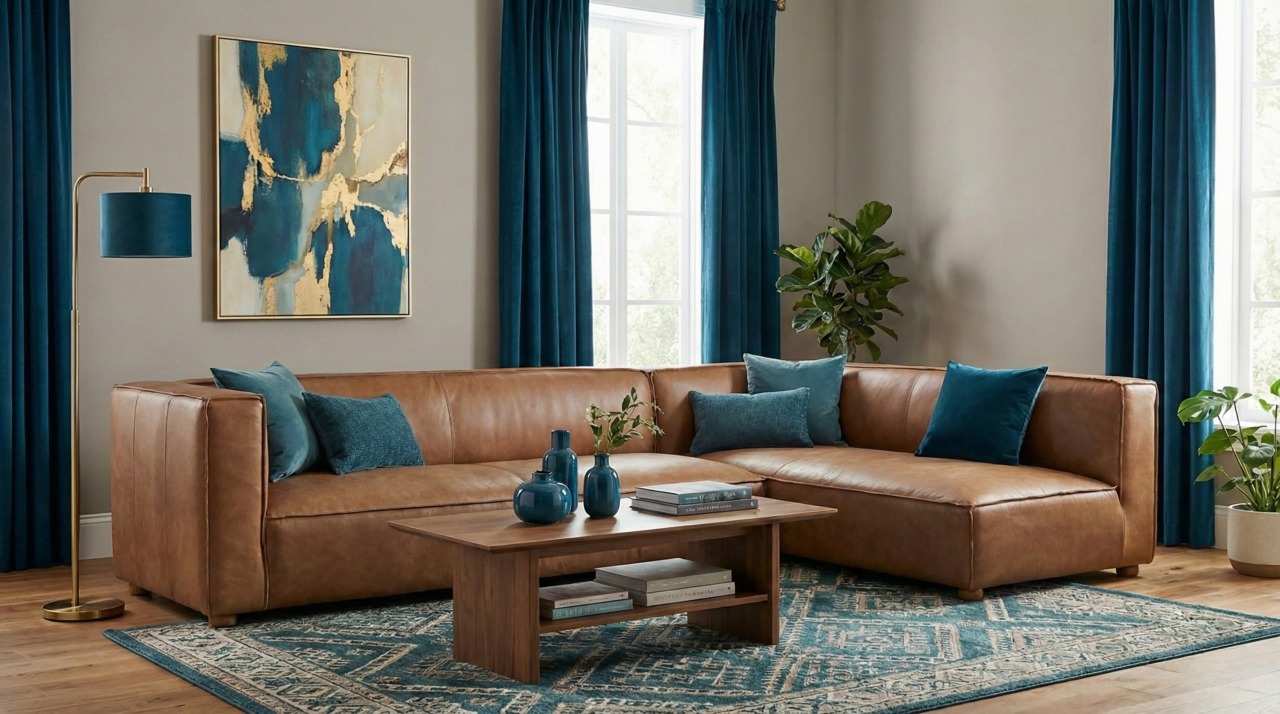
Environmental factors also affect leather lifespan. Direct sunlight can gradually dry the material and cause fading. Extremely dry indoor air may also remove natural oils, making leather feel stiff or brittle.
Daily care tips do not need to be complicated. Simple habits can make a noticeable difference over time:
- avoid placing the sofa in strong direct sunlight
- wipe spills quickly with a soft cloth
- clean the surface occasionally with gentle products designed for leather
If you want to learn more about proper care, this guide on how to clean a leather sofa explains simple cleaning methods that help preserve the material.
When leather upholstery is maintained and supported by a strong frame and cushions, it can remain comfortable for many years of everyday use. You can browse our leather sofa collection to explore different models.
Fabric Durability in Everyday Life — How Long Do Fabric Sofas Last?
Fabric sofas are among the most common choices for modern homes because they offer comfort, variety, and flexibility in design. The colours and fabrics people choose can also influence how a sofa fits into everyday life and how visible normal wear becomes over time.
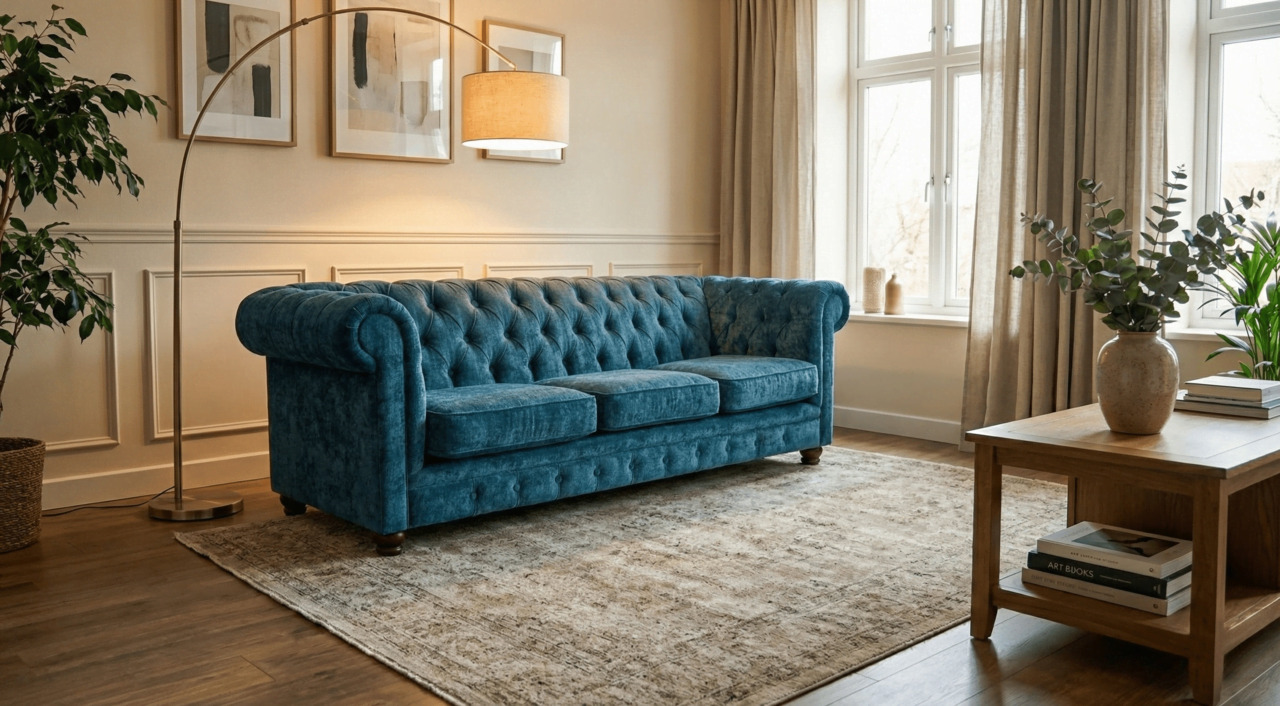
Darker fabrics, for example, can make everyday marks or light wear less noticeable in busy households. Deep tones such as navy can help hide minor wear while still creating strong visual contrast in a living room. These navy blue sofa living room ideas show how deeper shades can be used in balanced interiors.
Natural colours are also popular because they create relaxed and practical living spaces. Earthy tones such as olive green can work well in rooms designed for everyday comfort. These olive green sofa living room ideas demonstrate how these shades can be incorporated into real homes.
For a well-constructed model, how long do fabric sofas last is typically around 7 to 12 years, depending on the materials used and the level of daily use.
Fabric lifespan varies because different textiles respond to repeated friction in different ways. Dense woven fabrics usually hold up better over time than lighter or loosely woven materials. The tighter the weave and the stronger the fibres, the better the sofa tends to resist wear.
Common wear zones include:
- sofa arms
- front edges of seat cushions
- the centre of frequently used seats
These areas often show the first signs of wear and tear because they absorb the most daily movement.
For example:
- decorative throws can reduce friction on heavily used areas
- removable covers allow easier cleaning
- regular hoovering helps remove dust and grit that gradually damage fibres
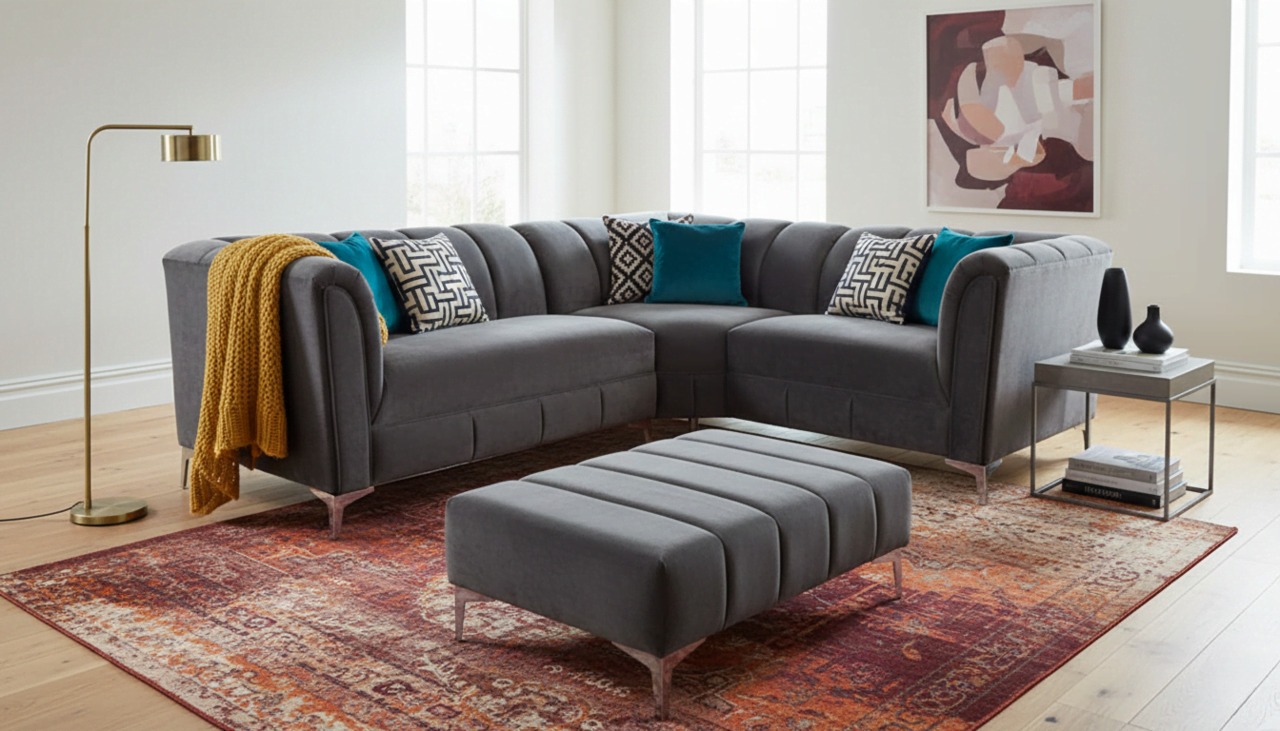
Cleaning habits and cleaning frequency also influence longevity. Dirt particles trapped in upholstery can slowly act like sandpaper when people sit down repeatedly. Areas like armrests often collect the most wear, so learning how to clean sofa arms properly can help extend the life of the upholstery.
If you would like a practical overview of cleaning methods, this guide on how to clean a sofa explains simple maintenance routines. You can also browse our range of fabric sofas to see how different materials and textures compare.
Velvet-Specific Considerations — How Long Do Velvet Sofas Last
Velvet upholstery often raises questions about durability because it behaves differently from many other fabrics. In most homes, how long do velvet sofas last depends largely on how the material is used and maintained.
Velvet is made with a soft surface known as pile, where tiny fibres stand upright. This structure creates the distinctive smooth texture and subtle sheen that velvet is known for. However, it also means that pressure can temporarily change how the fibres reflect light.
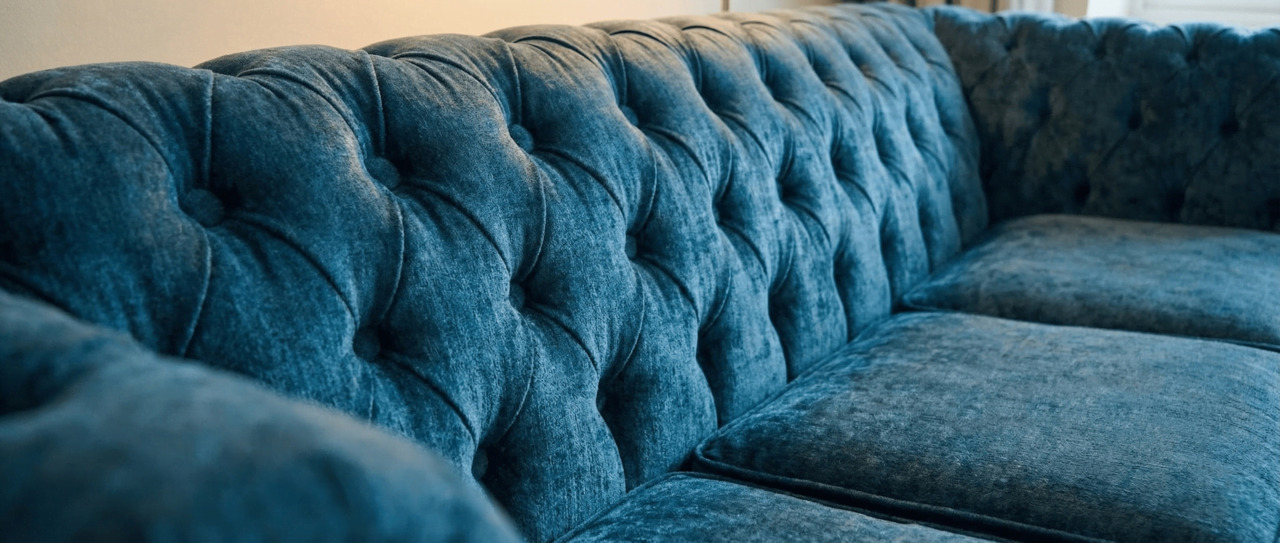
Velvet may show shading or pressure marks where people sit most often, but this is usually the result of the pile changing direction rather than permanent damage.
In terms of lifespan, a well-made velvet sofa can typically remain in good condition for 8 to 12 years, especially when used in spaces with moderate daily traffic.
Velvet often performs best in living rooms where:
- seating is shared across multiple places
- cushions are rotated occasionally
A few small habits can help velvet upholstery maintain its appearance for longer:
- gently brushing the fabric from time to time
- rotating cushions so pressure is distributed evenly
- avoiding excessive rubbing in one area
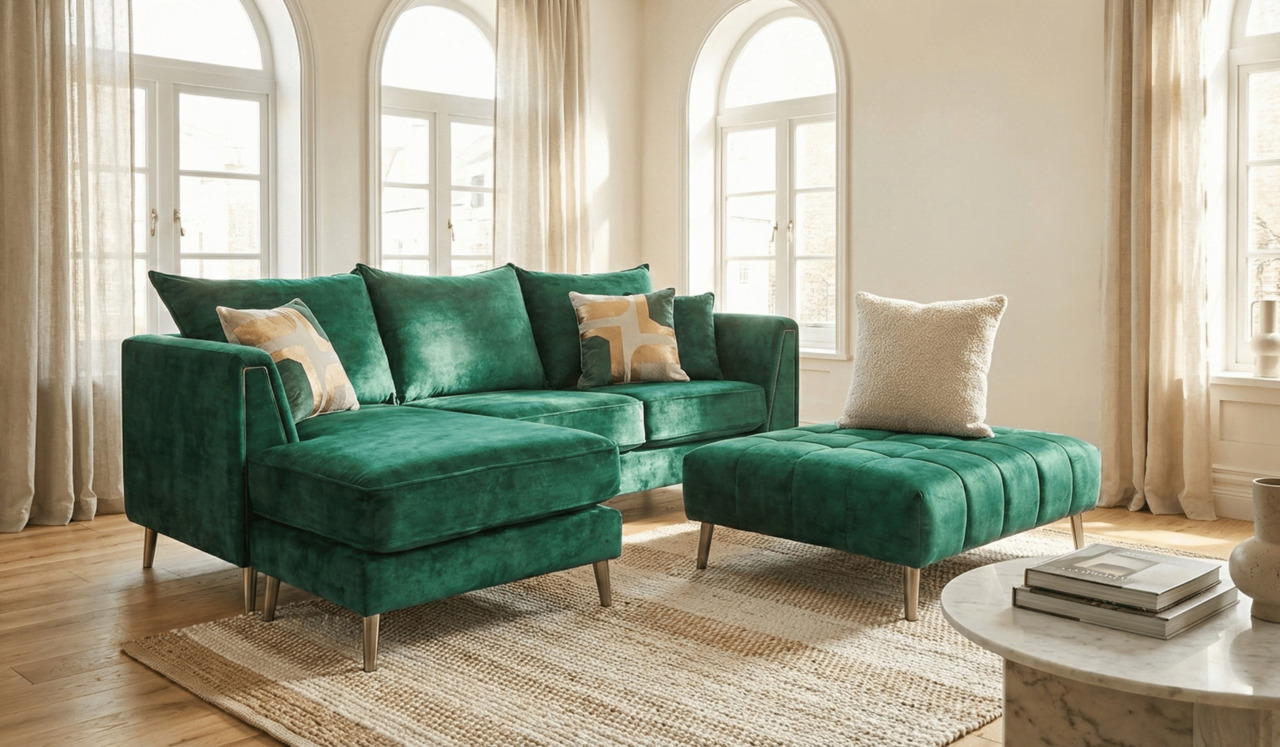
When combined with strong internal construction, velvet can remain both comfortable and visually appealing for many years. You can see examples of velvet Chesterfield sofas in our collection.
How Long Do Reclining Sofas Last — What Usually Wears Out First
Reclining sofas introduce an additional factor that affects lifespan: moving mechanisms. In many cases, how long do reclining sofas last depends less on the upholstery and more on how well the mechanism holds up over time.
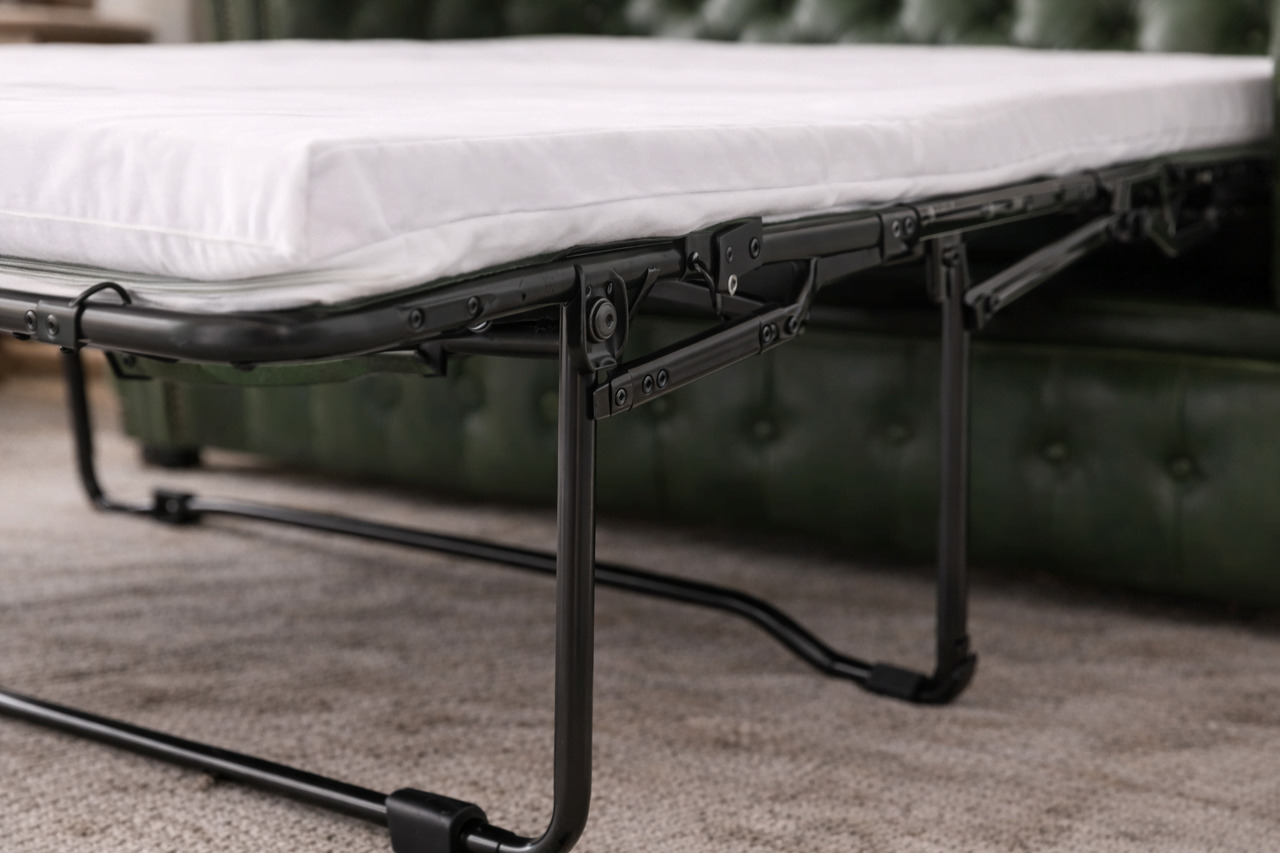
The reclining mechanism typically includes hinges, joints, cables, or electric motors depending on the design. These parts allow the seat to move smoothly between upright and reclined positions.
Because these components move regularly, they experience more stress than fixed furniture structures.
Common areas where wear may appear include:
- hinge connections
- reclining cables
- internal springs supporting the mechanism
- electric motors in powered recliners
In many cases, the first signs of wear are subtle. The recliner may feel slightly less smooth when opening or closing, or it may require a little more effort to adjust.
Fortunately, mechanical issues are often repairable if addressed early. Loose fittings or worn cables can sometimes be replaced without changing the entire sofa.
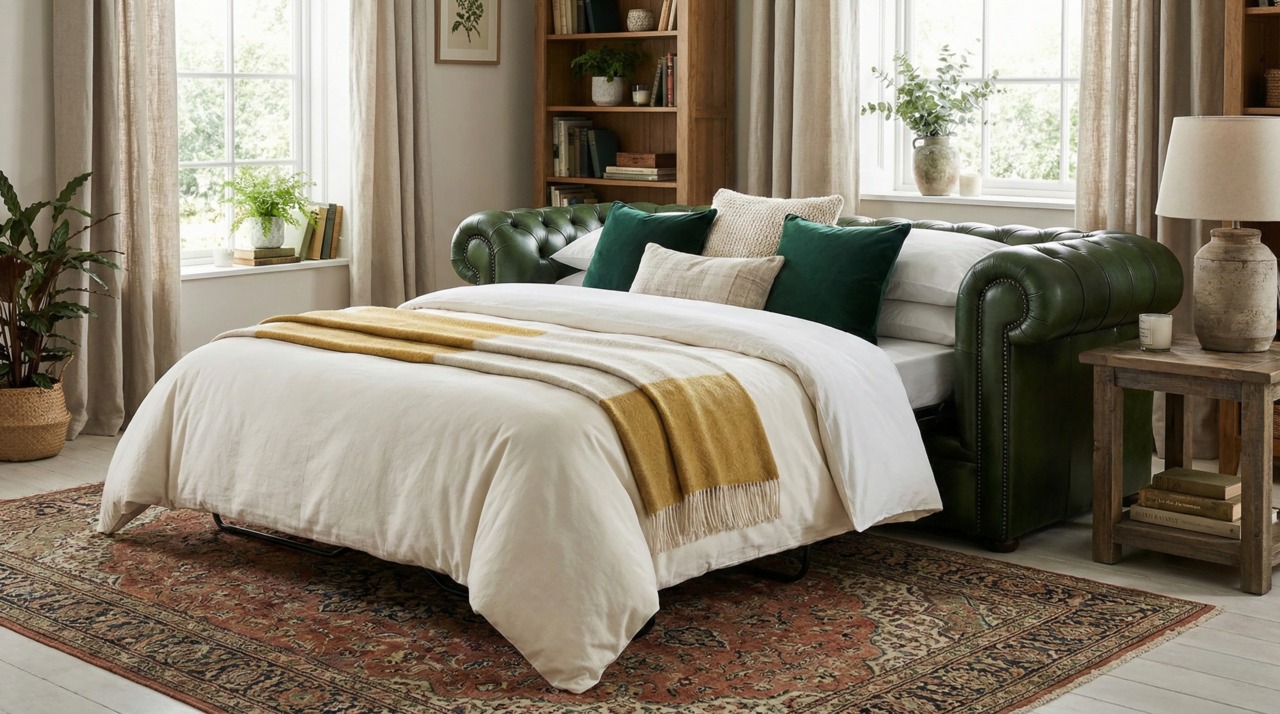
Regular use itself does not necessarily shorten lifespan dramatically. Most reclining sofas perform well for 7 to 12 years when the mechanism is properly maintained and not subjected to excessive force.
The key difference is that reclining sofas contain more moving parts, and those parts require occasional attention over time.
We’ve Answered “How Long Should a Couch Last” Now Here’s How to Tell It’s Time to Replace It
Even a well-built sofa eventually reaches the end of its useful life. Recognising the signs early can help homeowners decide whether repair is still realistic or whether replacement will provide better comfort and support.
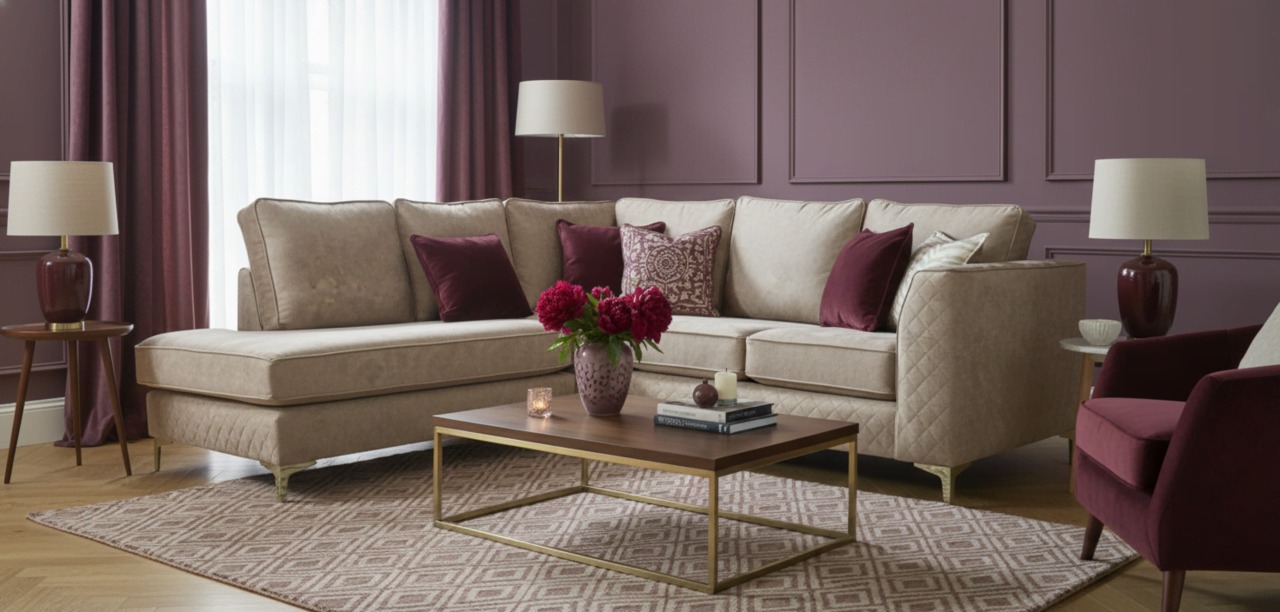
Several indicators usually suggest that a sofa has reached the end of its typical lifespan and are clear signs to replace it.
Noticeable sagging or loss of support
When cushions compress and the seat begins to dip significantly, the sofa may no longer provide proper support.
You can feel the frame or springs
If structural components become noticeable when sitting down, internal support systems may have weakened.
Wobbling, creaking, or twisting
Movement or instability in the frame can indicate deeper structural issues that are difficult to repair.
Cushions no longer recover their shape
Flattened cushions that remain compressed even after rotation often signal worn fillings.
Upholstery damage
Fabric that has worn through or seams that repeatedly split may indicate that the sofa has experienced extensive wear.
Repeated repairs
If the sofa requires frequent fixes that only last briefly, replacement may become the more practical option.
These signs do not always appear at the same time, but when several occur together, it often suggests that the sofa has reached the end of its expected lifespan.
Repair, Reupholster, or Replace — A Simple Decision Guide
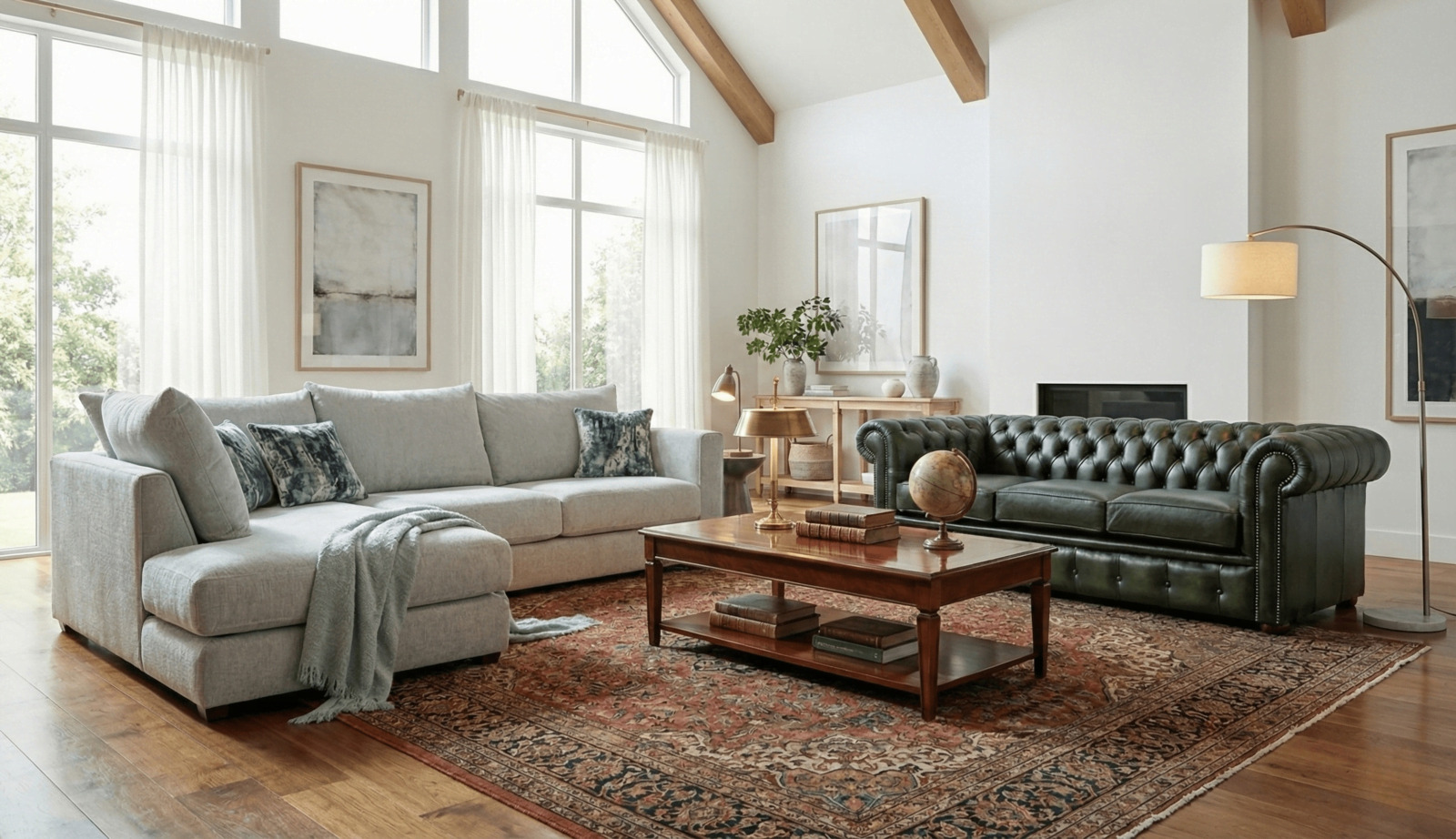
Before replacing a sofa completely, it is often worth considering whether repairs or reupholstery could extend its life.
For many homeowners, the question how long should a couch last becomes most urgent when comfort starts to decline or repairs begin to repeat.
Repair or reupholstery can make sense when:
- the frame remains strong and stable
- the suspension system still provides support
- the main issues involve covers, foam, or cushions
Updating these elements can significantly improve comfort while preserving the existing structure. In some cases, small adjustments can also help restore comfort. This guide explains how to make a sofa more comfortable without replacing the entire piece.
However, replacement is usually the better choice when structural problems appear.
Examples include:
- frame instability or cracking
- severe sagging caused by weakened support systems
- repeated mechanical failures in reclining sofas
A helpful shortcut is to ask three simple questions:
- Is the frame still solid?
- Are the problems mostly cosmetic or structural?
- Would repairs cost a large percentage of a new sofa?
If the frame is still strong, repairs may extend the sofa’s lifespan. If the structure is failing, replacement usually offers better long-term value.
What to Look for When Buying Your Next Sofa So It Lasts Longer
If you are planning to replace an older sofa, understanding what contributes to longevity can help you choose a model that will last for many years.
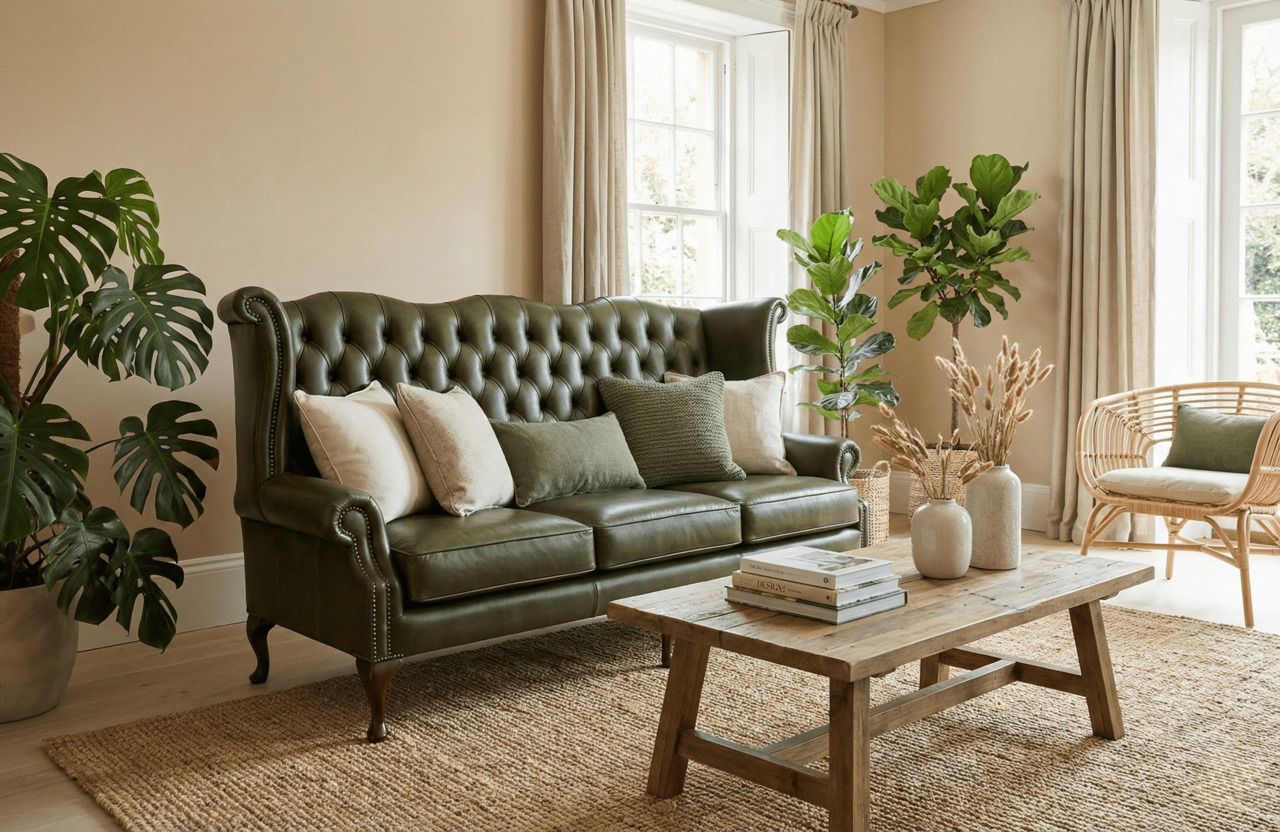
The frame is the most important structural component. Solid hardwood frames generally provide better durability than lightweight alternatives. Strong joinery and reinforced joints also help maintain stability under daily load.
The support system underneath the cushions also plays a major role. Springs or high-quality webbing distribute weight across the seating area and prevent premature sagging.
Cushion fillings determine how well the sofa retains comfort over time. Higher-density foam or feather blends often recover their shape better than low-density fillings.
The choice of upholstery material should also reflect lifestyle. Leather may offer longer durability, while fabrics provide flexibility and comfort. Velvet can add character but may be better suited to spaces with lighter daily use.
Construction details and the manufacturer’s warranty are equally important when evaluating durability. Inspect stitching, seams, and stress points carefully. Strong stitching prevents upholstery from loosening over time.
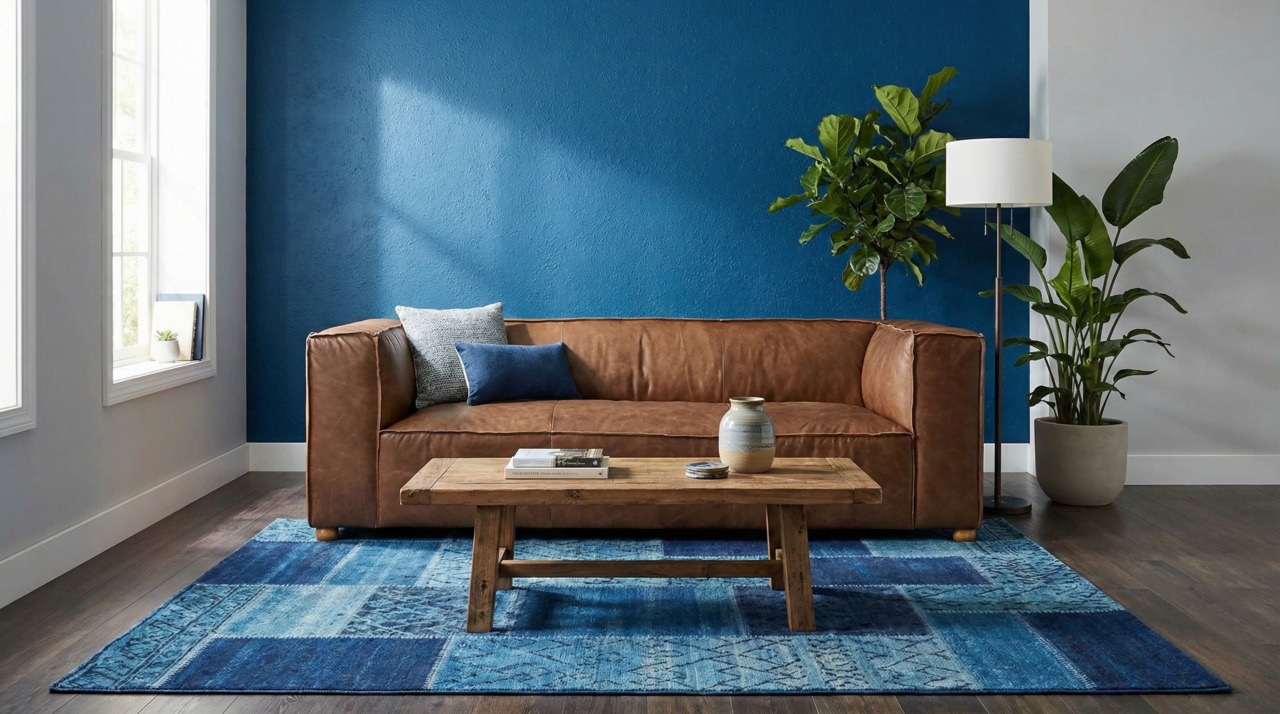
If you want a deeper overview of construction and materials, this sofa buying guide explains the key features worth considering before making a purchase.
Understanding proportions and seat depth is also important for comfort and longevity. This guide to sofa sizes can help you choose seating that fits both your room and everyday usage.
You can also explore the full range available at Designer Sofas 4U.
Conclusion
The durability of a sofa depends on how well its construction, materials, and everyday use work together in a real home. Over time, these factors determine whether the sofa continues to provide proper comfort, support, and stability.
From a manufacturing perspective, the internal build plays the most important role. A solid frame, a reliable support system, and well-designed cushion fillings allow a sofa to handle daily pressure while maintaining its shape for many years.
This is why the question how long should a sofa last rarely has a simple answer. In most homes, the typical range is somewhere between 5 and 20 years, depending on the quality of the materials, the strength of the internal frame, and how well the sofa is cared for over time.
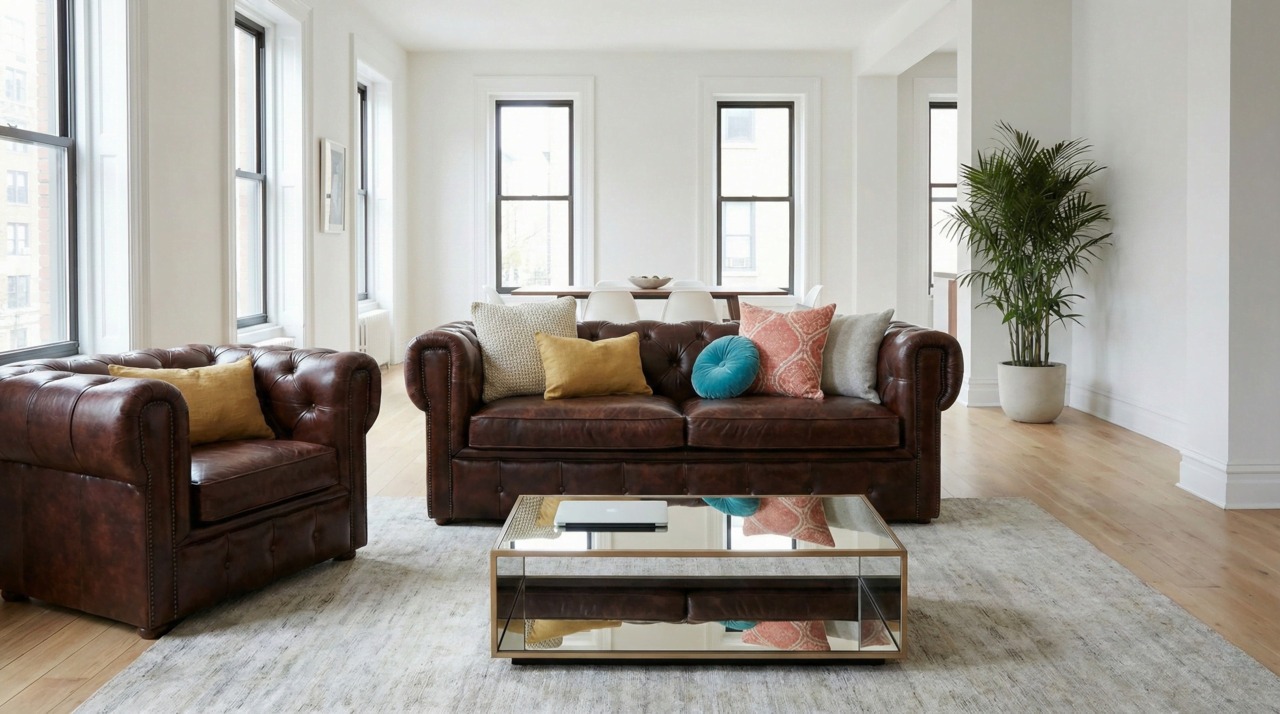
Early signs of wear do not always mean that a sofa needs to be replaced. If the frame remains strong and stable, elements such as cushions, upholstery, or covers can often be repaired or replaced, helping extend the life of the furniture.
However, if the underlying structure begins to weaken or lose stability, replacing the sofa usually becomes the more practical long-term solution.
Understanding these factors helps homeowners make better decisions both when maintaining their current furniture and when choosing a new sofa designed for long-term comfort.
At Designer Sofas 4U, we focus on construction, materials, and craftsmanship that support durability and everyday comfort in real homes.
FAQ
How Long Do Couches Last in Everyday Use?
In practical terms, how long do couches last depends less on the upholstery style and more on the hidden structure inside the furniture. The frame, suspension system, and cushion fillings determine how well a sofa keeps its shape and support after years of daily use. In most households, a well-built sofa or couch typically lasts between 7 and 15 years, while higher-quality models with stronger frames and better materials can remain comfortable for 15 to 20 years or more.
Can a Sofa Be Repaired Instead of Replaced?
Yes, many sofas can be repaired if the internal structure remains strong. Replacing worn cushions, updating upholstery, or tightening suspension systems can often restore comfort and extend the sofa’s usable life. However, if the frame becomes unstable or structural components fail, replacing the sofa is usually the more practical long-term solution.
How Can I Make My Sofa Last Longer?
Simple habits can make a noticeable difference in sofa longevity. Rotating cushions regularly helps distribute pressure more evenly, while routine cleaning prevents dust and grit from damaging upholstery fibres. Keeping the sofa away from direct sunlight and heat sources can also protect materials from premature wear.
Is Leather or Fabric More Durable?
Leather is often considered more durable because of its natural strength and resistance to friction. A high-quality leather sofa can remain comfortable for many years with proper care. However, well-constructed fabric sofas can also provide excellent longevity when made from dense woven textiles and supported by a strong internal frame. In practice, both materials can perform very well today, so the choice often comes down to personal preference, lifestyle, and the look you want to achieve in your home.