
.jpg)
Light Grey Sofa Living Room Ideas
One detail that many homeowners overlook is how strongly grey upholstery reacts to its surroundings. The same sofa can appear soft and warm in one home, yet slightly cooler or sharper in another. This difference often comes from subtle undertones in the fabric and the type of lighting used in the room. Natural daylight, warm lamps, wall colour, and nearby furniture can all influence how the grey shade is perceived, which is why light grey sofa living room ideas can look so different from one interior to another.
Rather than choosing decor randomly, it helps to approach the room step by step. Start by looking closely at the sofa fabric and identifying whether the grey leans warmer or cooler. From there, you can build the rest of the colour palette around it. When the overall direction becomes clear, elements such as cushions, curtains, rugs, and furniture begin to feel connected instead of scattered.
In the sections below, we will explore practical ways to style a living room around a grey sofa — starting with undertones and lighting, and then moving on to colour combinations, interior styles, and reliable colour palettes.
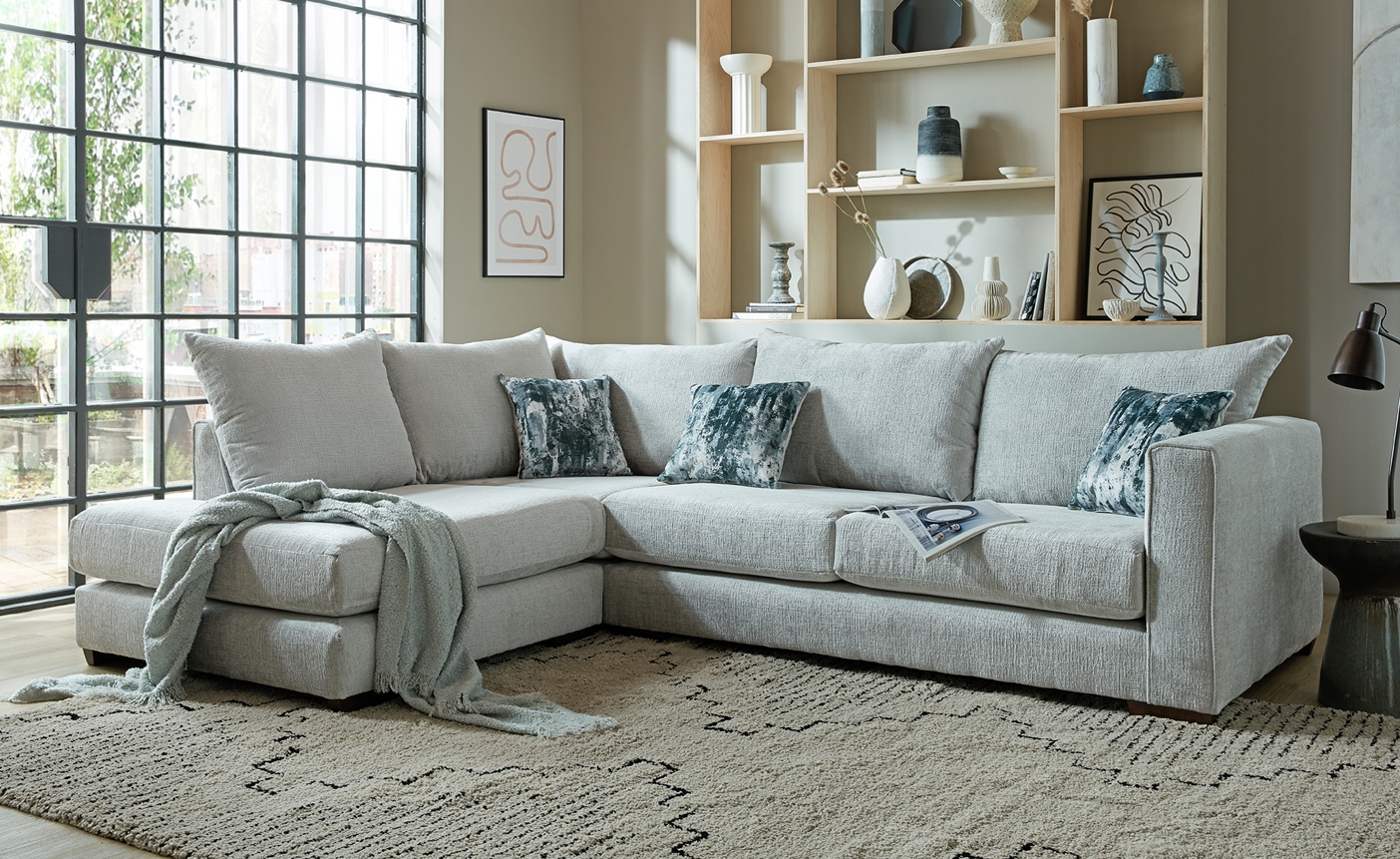
Where to Start With Light Grey Sofa Living Room Ideas: Undertones and Lighting
Before choosing a rug, accent chair, or colour palette, it is worth spending a moment looking carefully at the sofa itself. Not all light grey upholstery is identical. Some fabrics lean slightly warm, while others have cooler undertones. Recognising this difference early makes decorating much easier.
How to Spot a Warm vs Cool Undertone in Light Grey Upholstery
The easiest way to identify undertones is to compare the sofa with a pure white object in daylight. A sheet of paper works well for this. When the grey sits next to white, subtle tones often become easier to see.
A warm grey usually shows hints of beige or soft taupe. These tones pair naturally with:
- beige accents
- warm wood finishes
- cream walls
- soft textiles such as wool throws
A cool grey, on the other hand, often contains blue or silver undertones. These fabrics tend to look best alongside:
- black accents
- cooler wall colour choices
- silver accents
- minimalist decor
Once you recognise the undertone, it becomes much easier to create a colour scheme that feels consistent.
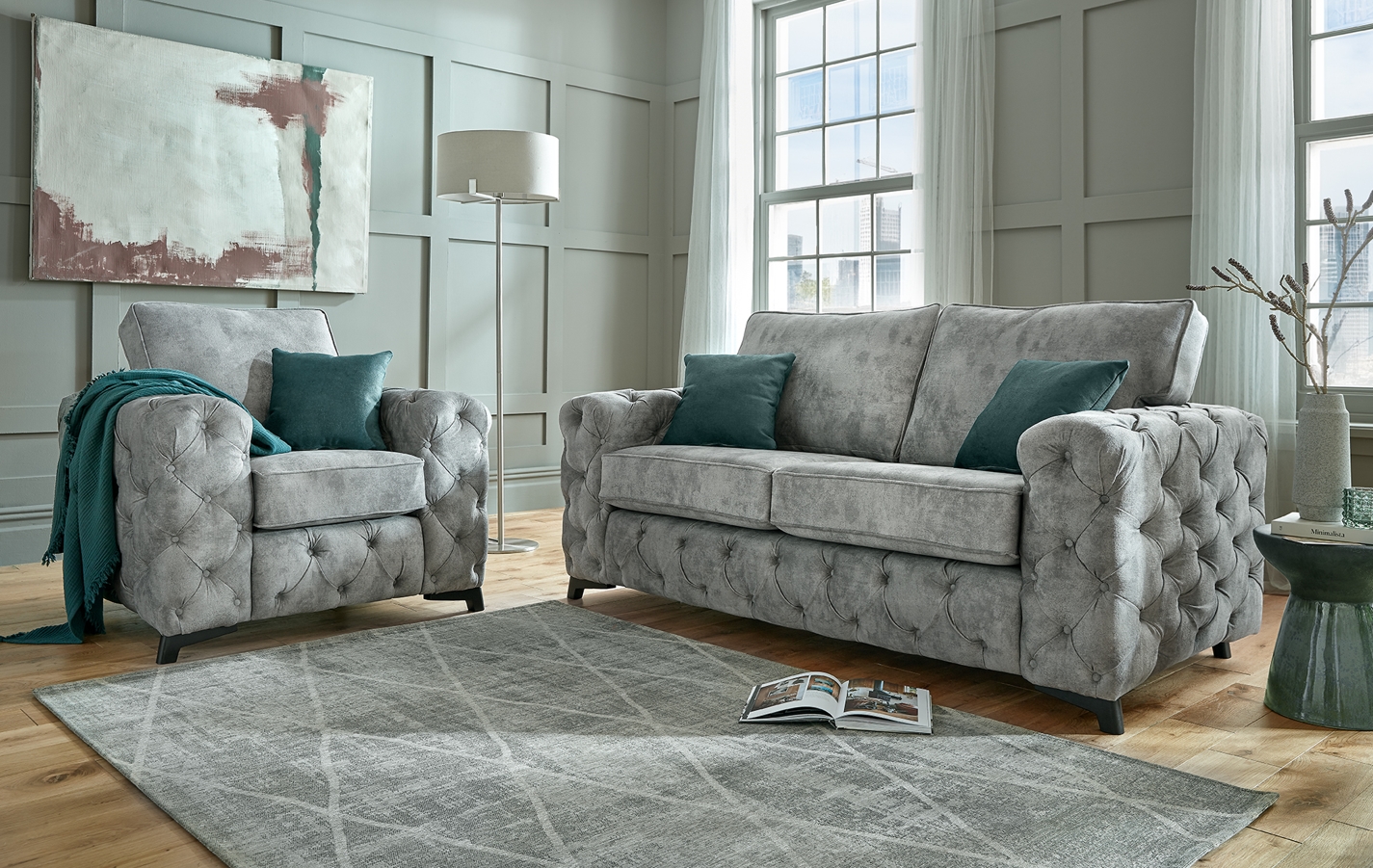
Why the Same Sofa Can Look Different in Daylight vs Lamplight
Lighting has a surprisingly strong influence on grey upholstery. In a room filled with natural daylight, light grey fabric often appears brighter and slightly cooler. In the evening, when lamps and warm bulbs are switched on, the same sofa may look deeper and softer.
This shift happens because warm lighting introduces yellow tones into the space. When those tones reflect off the sofa fabric, the grey may appear slightly warmer than it did earlier in the day.
For this reason, layered lighting is helpful in living rooms. Combining a ceiling light, floor lamp, and table lamps allows you to control how the room feels at different times.
A Simple Rule: Choose One Direction and Keep It Consistent
When styling a living room around a light grey sofa, a useful rule is to pick one direction — either warmer or cooler — and repeat it across the room.
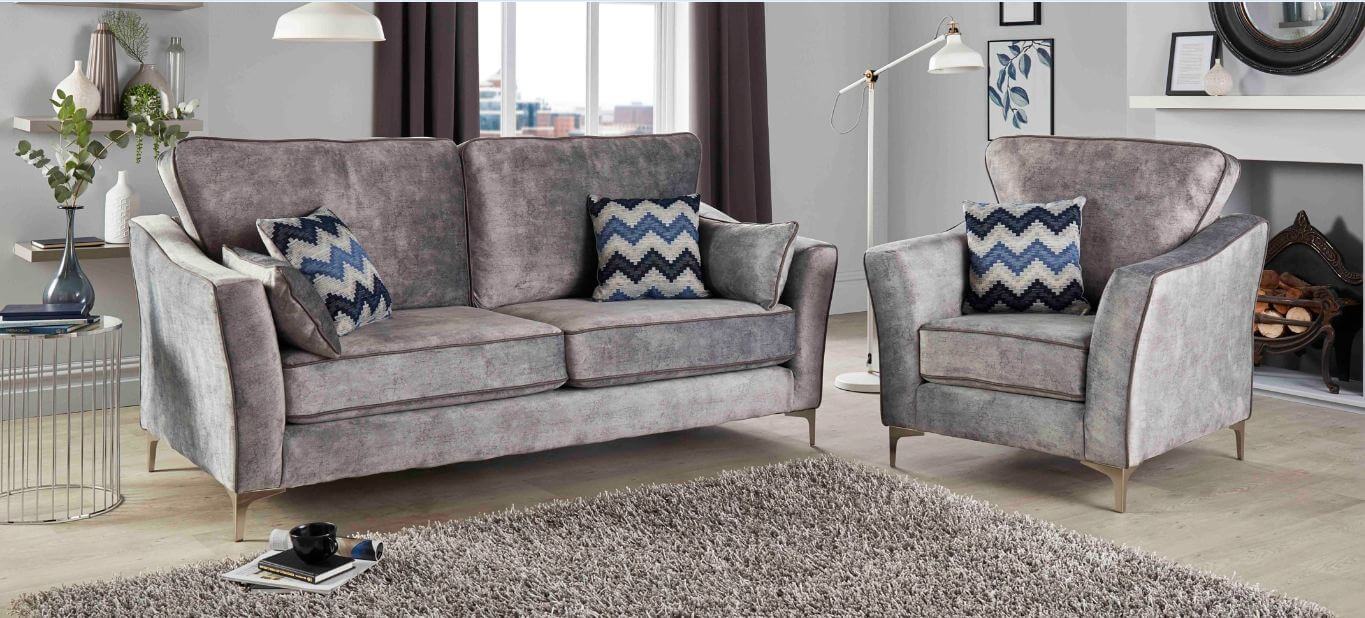
For example, a warmer palette might include:
- beige accents
- warm white curtains
- wood accents
- soft textiles
A cooler palette could include:
- black metal side tables
- grey-on-grey textures
- cooler white walls
- silver lighting fixtures
Keeping this direction consistent prevents the room from feeling visually confused.
Colour Pairings That Work Easily With Grey Upholstery
Grey works well with a wide range of colours, but some combinations feel more balanced than others. Instead of choosing many accents at once, it often helps to start with a few reliable groups.
What Colours Go With Light Grey Sofa
When people ask what colours go with a light grey sofa, the answer usually depends on the atmosphere they want to create. Some colours help the room feel calm and neutral, while others add stronger contrast.
Reliable colour groups include:
Warm neutrals
These tones help soften the look of grey upholstery and make the room feel comfortable.
Examples include:
- beige accents
- warm white walls
- cream carpets or rugs
- soft linen curtains
This combination works particularly well in homes with wooden flooring.
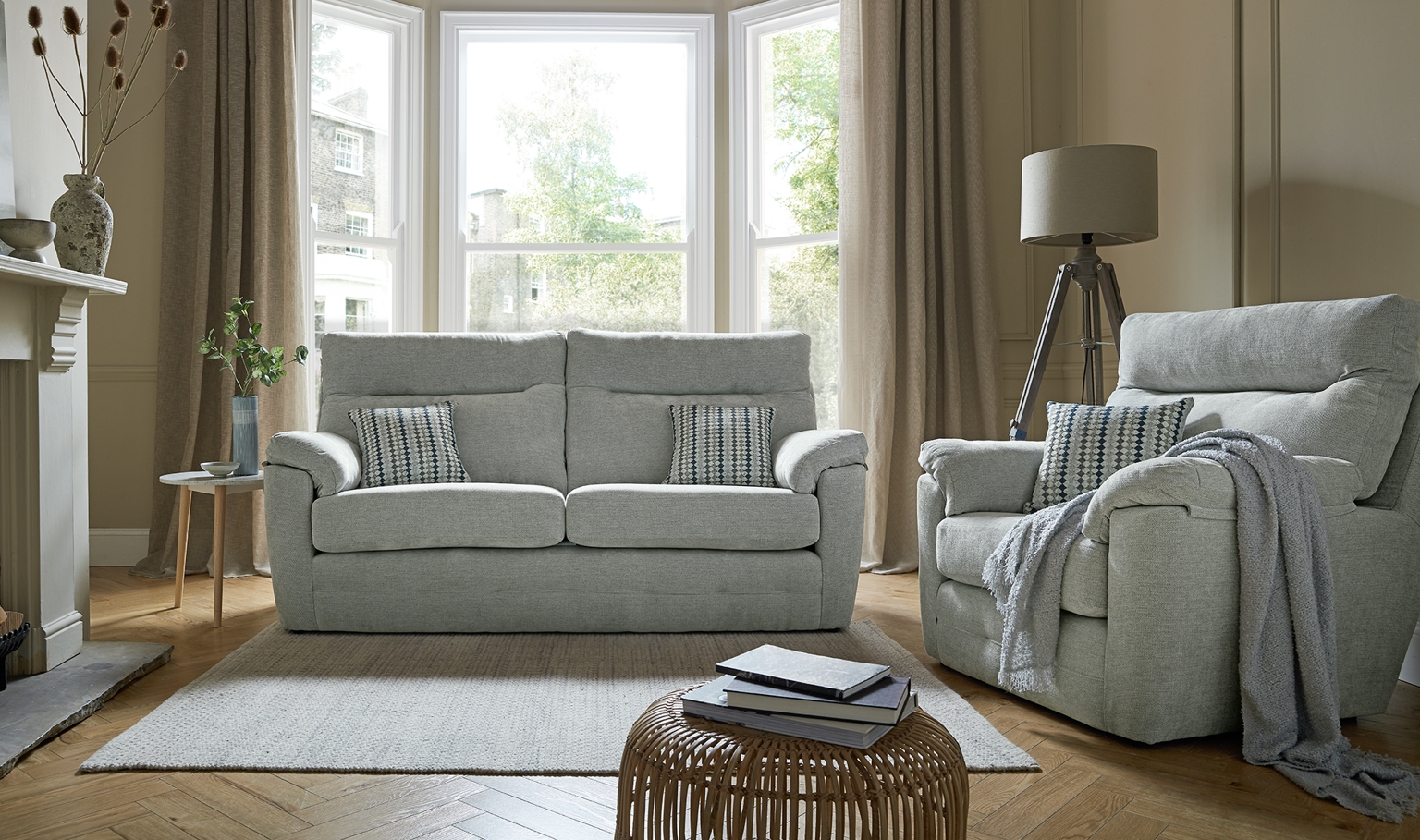
Cooler neutrals
For a more modern look, cooler neutrals create a clean, minimal palette. Grey walls, white accents, and subtle silver details often appear together in contemporary interiors.
Texture becomes important in these spaces. Throw pillows, woven rugs, and layered fabrics prevent the room from looking too plain.
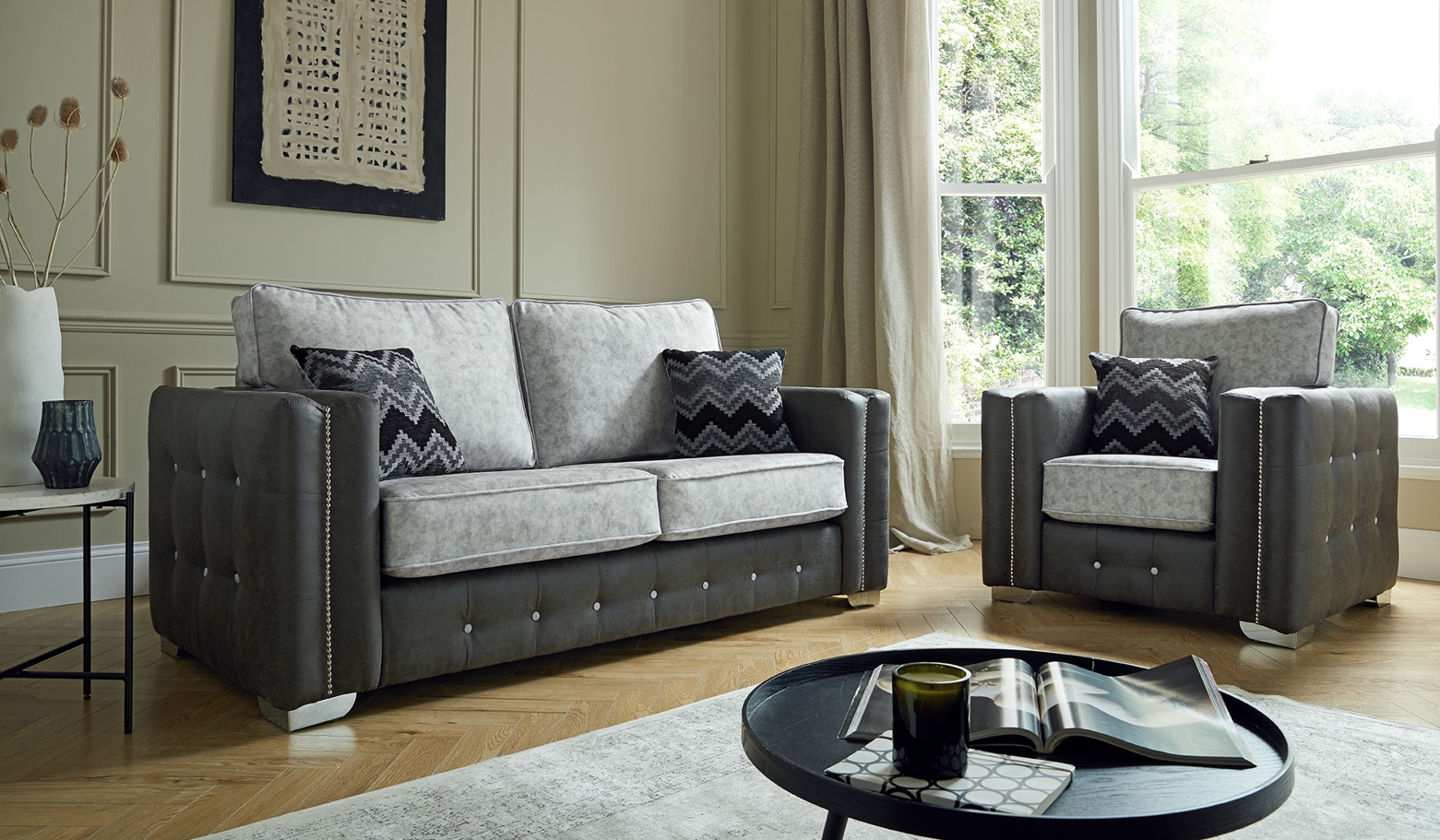
Greens and deeper blues
Natural greens and deeper blues also pair beautifully with light grey upholstery. Shades such as sage, olive, and navy blue introduce colour while still keeping the room balanced.
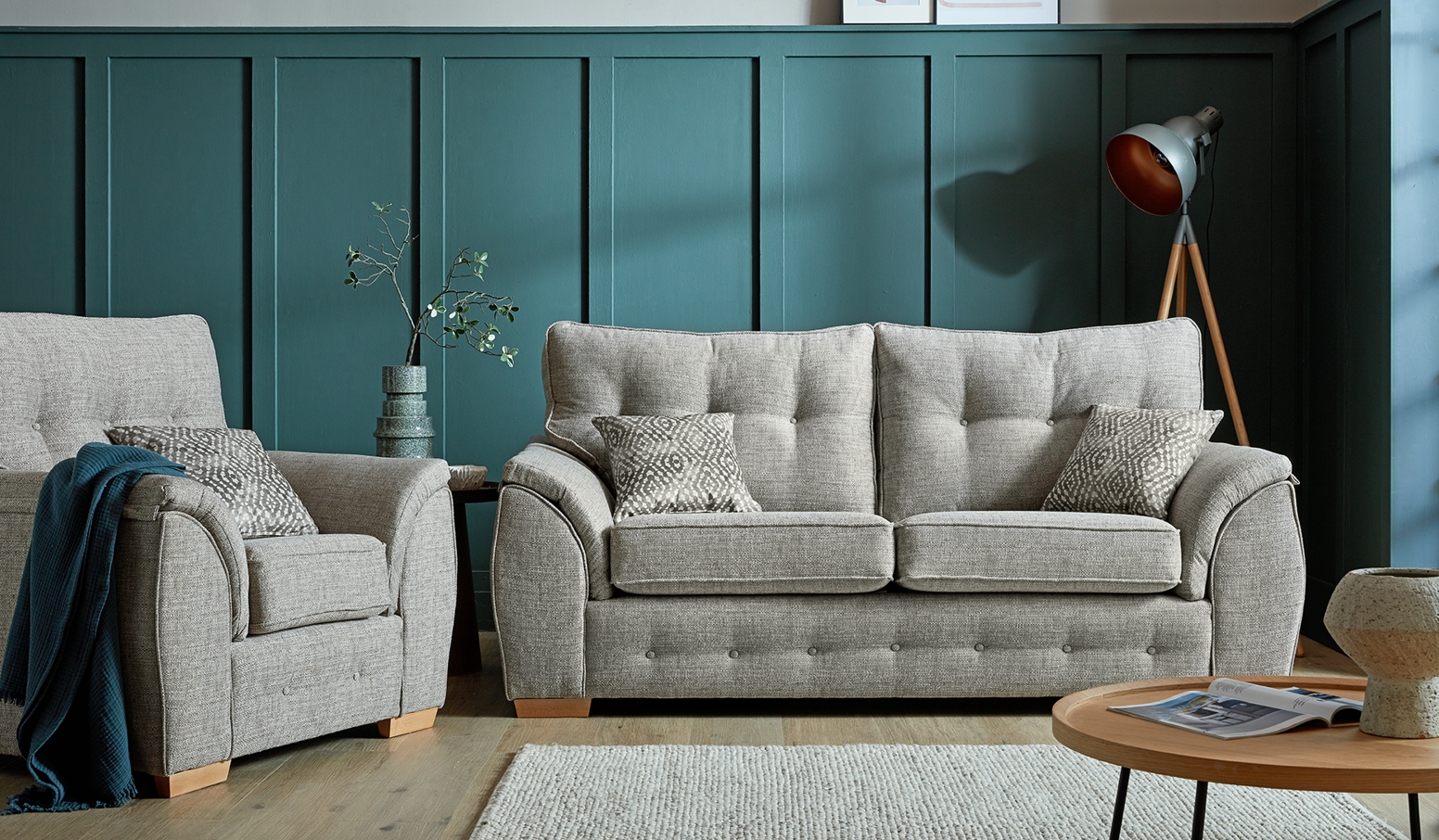
If you like richer accents, you may also find inspiration in guides such as navy blue sofa living room ideas or dark green sofa living room ideas, which show how deeper shades can be introduced without making the space feel too heavy.
Using Charcoal or Black Without Making the Room Feel Heavy
Some people hesitate to introduce black accents because they worry the room will feel dark. In reality, small touches of charcoal or black often help define the space.
For example:
- a black metal floor lamp
- slim side tables
- picture frames
- darker legs on a coffee table
These details add contrast so the sofa does not blend too easily into the surrounding elements.
A Quick Method That Keeps the Room Balanced
A helpful rule when choosing accent colours is to follow a 1 + 2 formula.
Choose:
- one main accent colour
- two smaller supporting colours
For example:
Main accent → navy blue
Supporting touches → white accents and wood accents
Repeating those colours in cushions, artwork, or small decor pieces helps the living room feel cohesive.
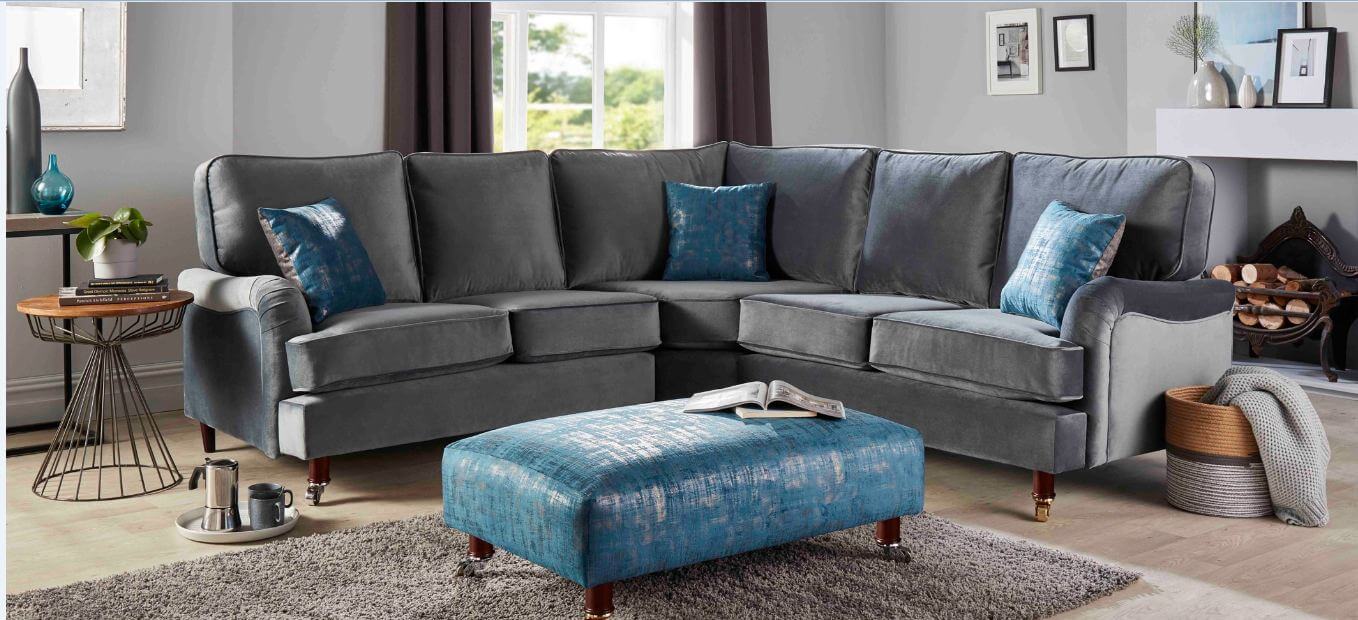
How Different Interior Styles Shape Light Grey Sofa Living Room Ideas
The same sofa can look completely different depending on the interior style of the room. Looking at different light grey couches living room ideas often reveals how flexible this type of sofa can be when paired with different materials and layouts.
Modern / Minimal
Modern interiors focus on simple shapes and clean lines. In these spaces, a light grey sofa often sits against a white wall with minimal decoration.
Typical features include:
- black accents
- neutral rug
- simple coffee table
- understated lighting
The overall effect feels uncluttered and calm.
Scandinavian
Scandinavian interiors often combine grey sofas with pale wood furniture and soft fabrics. The aim is to create a living room that feels warm without relying on strong colours.
Common elements include:
- wood accents
- textured cushions
- woven rugs
- plants
Soft lighting and natural materials help the room feel inviting rather than formal.
Classic Interiors
Traditional living rooms often rely on symmetry and elegant furniture shapes. A grey sofa can work beautifully in this setting when paired with decorative details and structured furniture. For example, more formal silhouettes such as Chesterfield sofas can give a light grey scheme a more classic and tailored feel. Accent seating, such as an armchair, can also help frame the space and balance the layout. You can explore different styles in the armchair collection here.
Industrial
Industrial interiors often use darker tones, metal finishes, and textured materials such as brick or concrete. A light grey sofa softens these stronger elements and helps keep the space balanced.
Mid-Century
Mid-century living rooms often feature warm woods, geometric shapes, and bold accent colours. Mustard yellow cushions, wooden side tables, and patterned rugs can add character around a grey sofa.
Cosy and Relaxed Spaces
Some homeowners simply want their living room to feel comfortable and welcoming. In these spaces, layering textures becomes more important than following strict design rules.
Elements that help create a cosy atmosphere include:
- knitted throws
- textured cushions
- warm lighting
- soft carpets
These small details allow the sofa to feel naturally integrated into the room.
10 Colour Pairings for Light Grey Sofa Colour Scheme Ideas (Calm and Bold)
Exploring light grey sofa colour scheme ideas can make it easier to see how different palettes influence the mood of a living room. Because grey is subtle, it can support both quiet neutral spaces and rooms with stronger colour accents.
Below are several combinations that work especially well.
Light Grey + Warm White
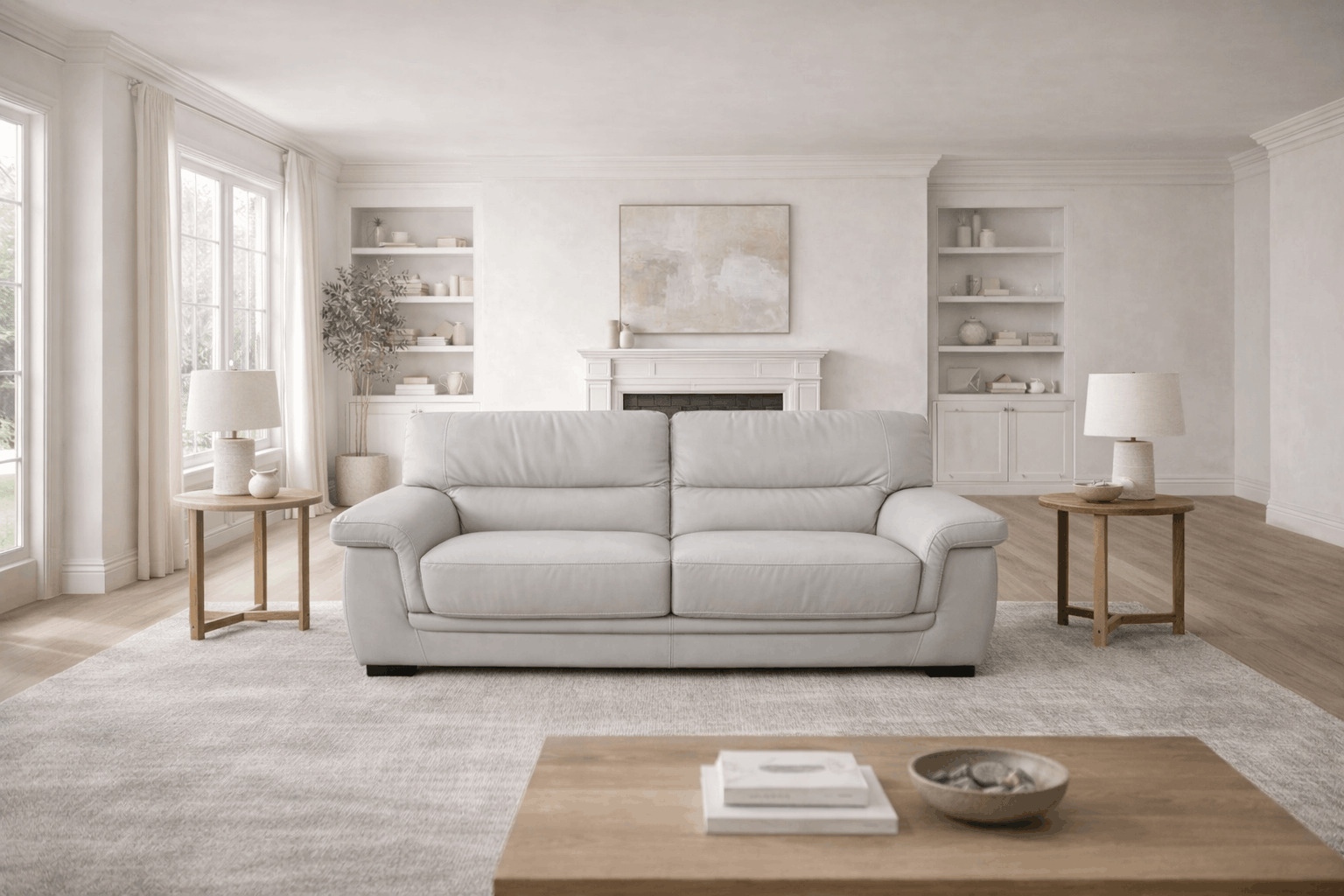
This palette creates a bright and calm living room. Warm white walls and curtains help reflect light while keeping the space comfortable rather than stark.
Light Grey + Greige
Greige — a blend of grey and beige — adds warmth to a neutral palette. This pairing works particularly well in a small space or apartment where bold colours might feel overwhelming.
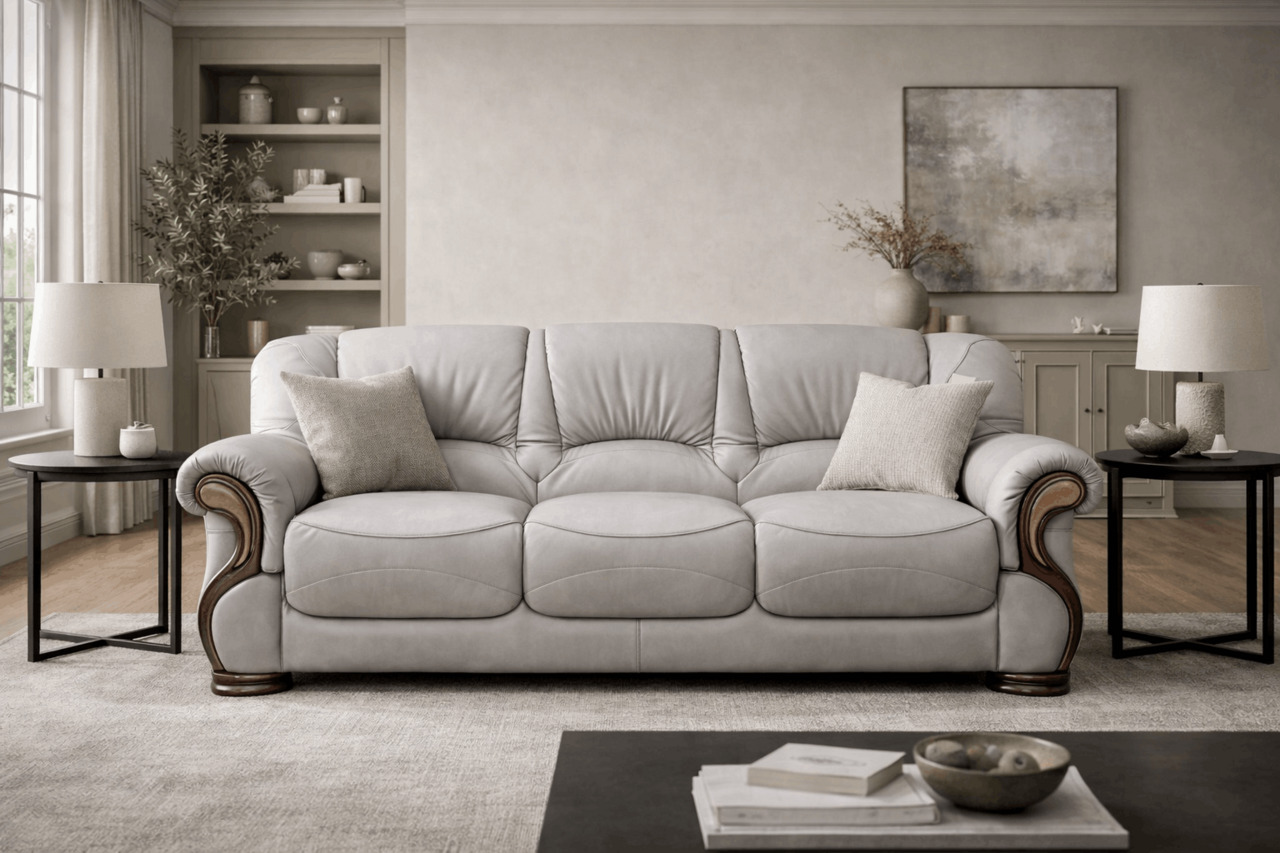
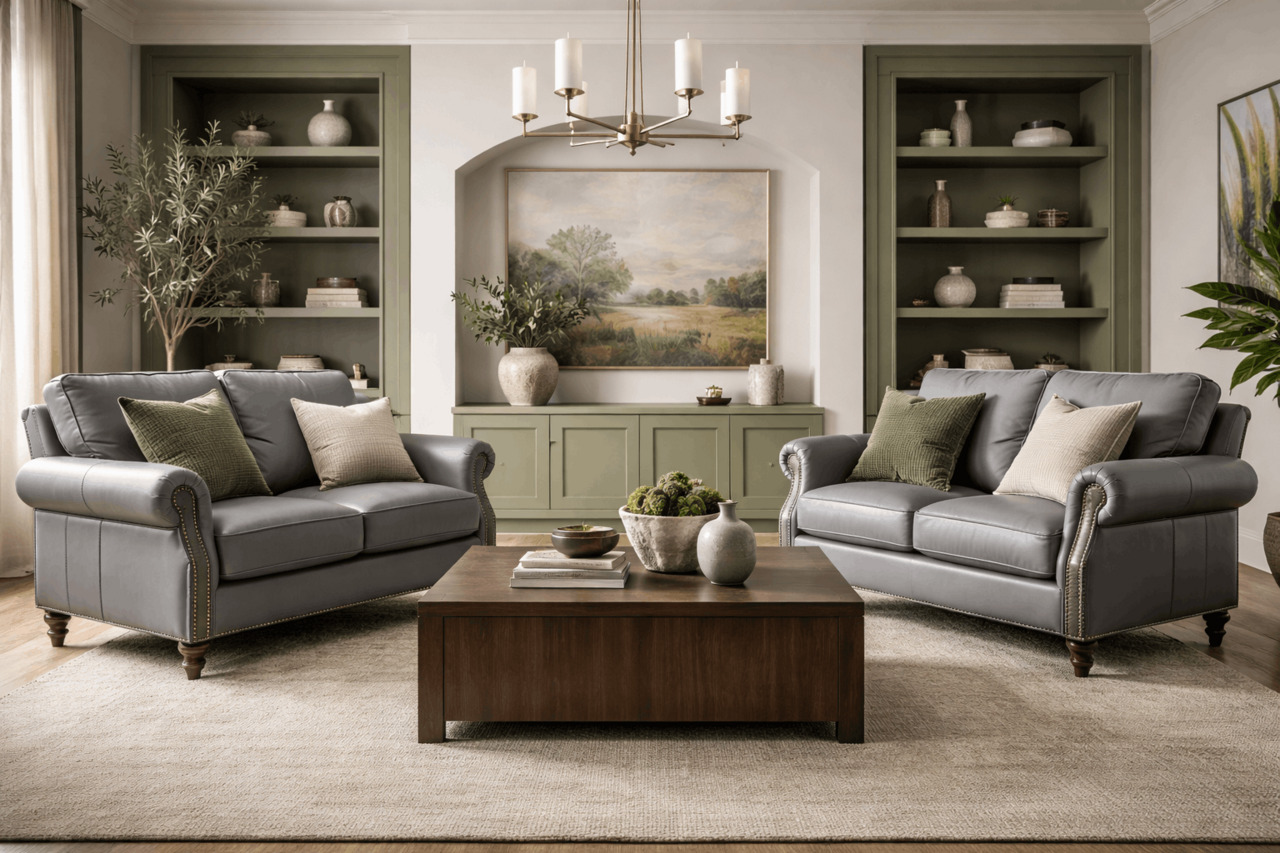
Light Grey + Sage or Olive
Green tones introduce a natural feeling to the room. Plants, linen fabrics, and wooden furniture help reinforce this relaxed atmosphere.
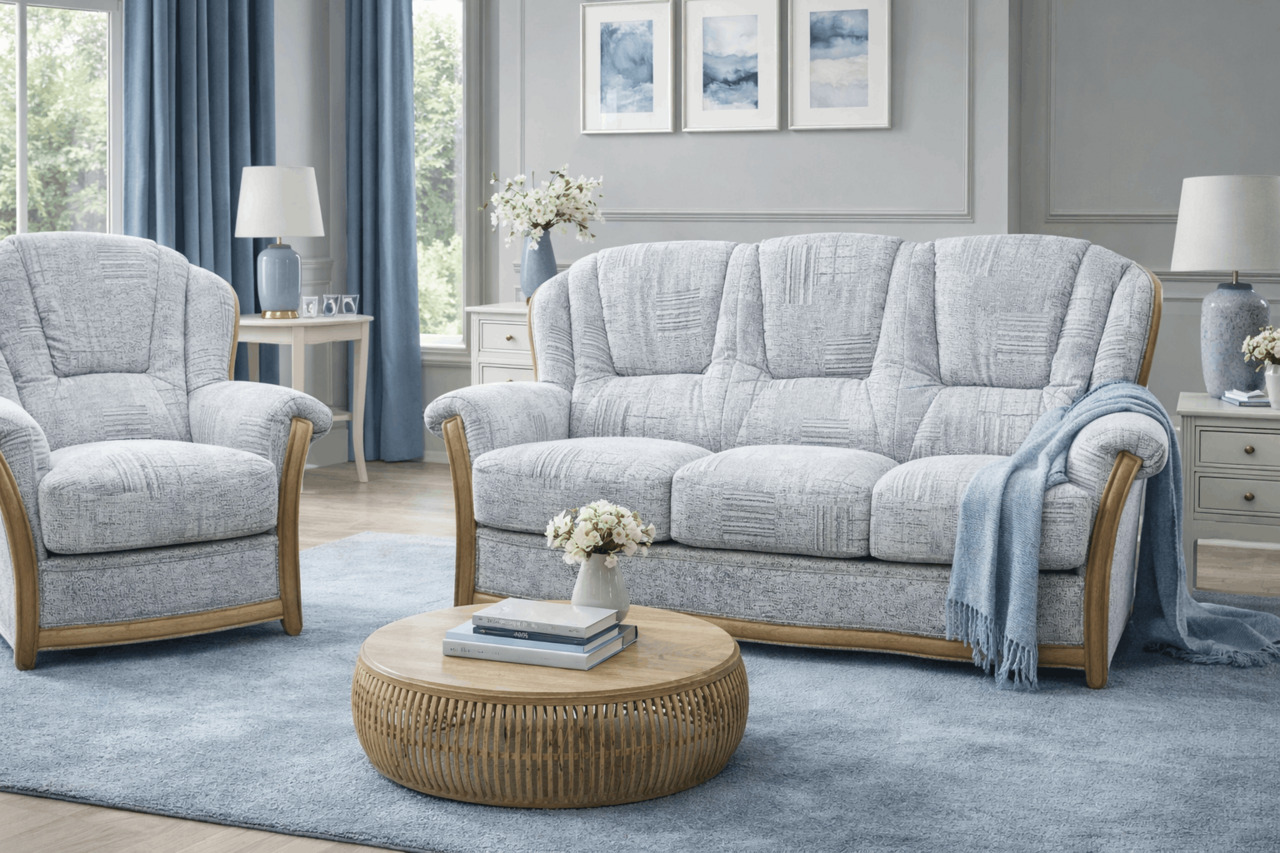
Light Grey + Dusty Blue
Dusty blue cushions or throws add subtle colour while maintaining a calm palette.
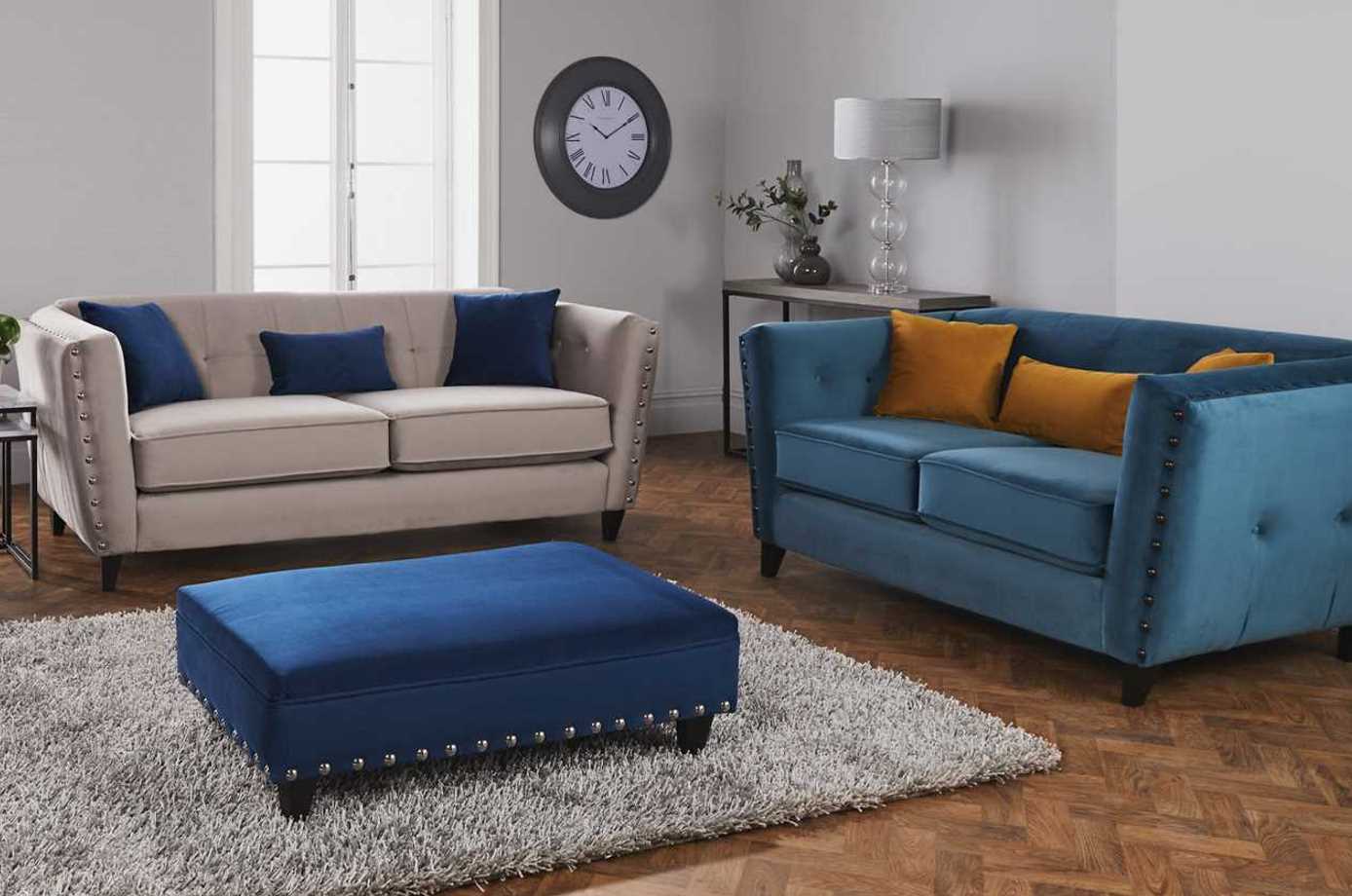
Light Grey + Navy
Navy blue creates stronger contrast and gives the room a slightly more structured appearance.
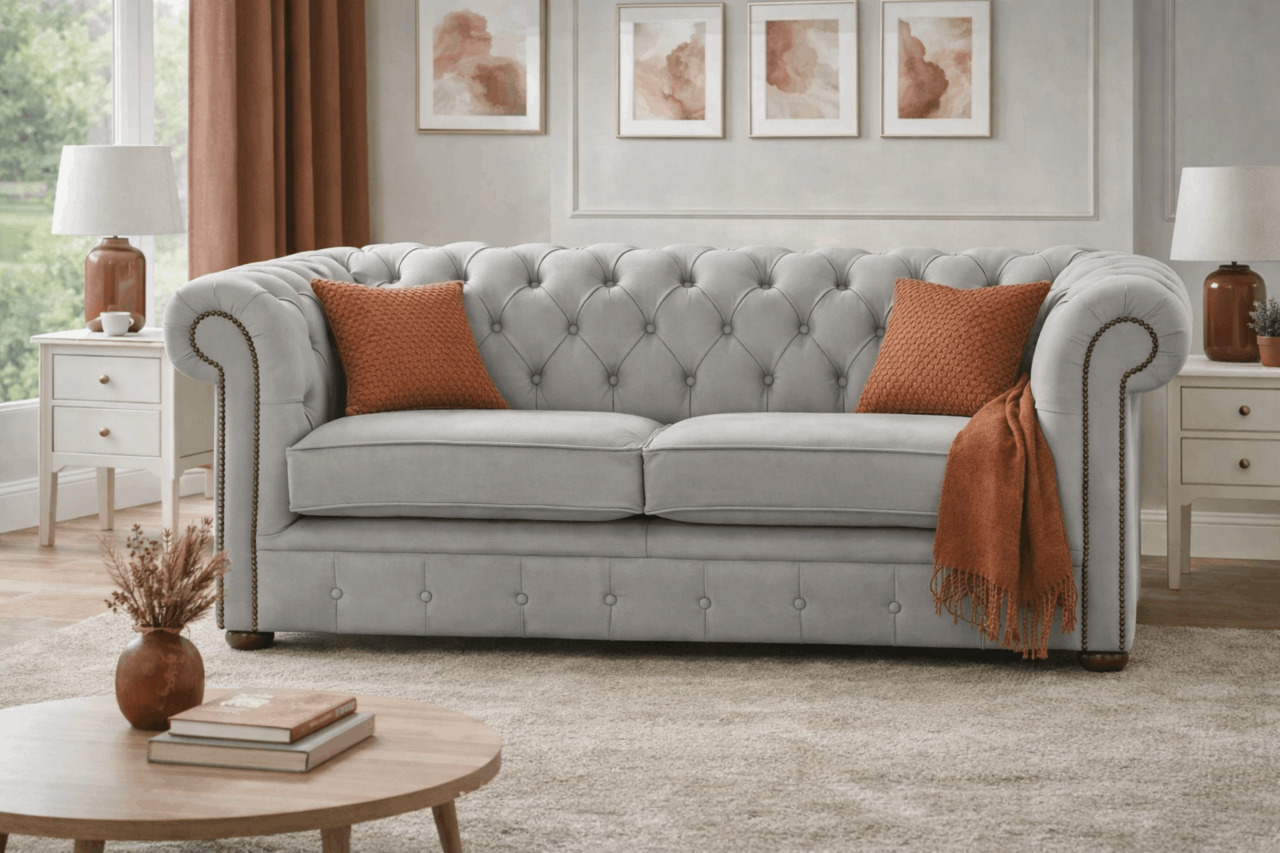
Light Grey + Terracotta
Terracotta introduces warmth and works beautifully with wood accents and textured rugs.
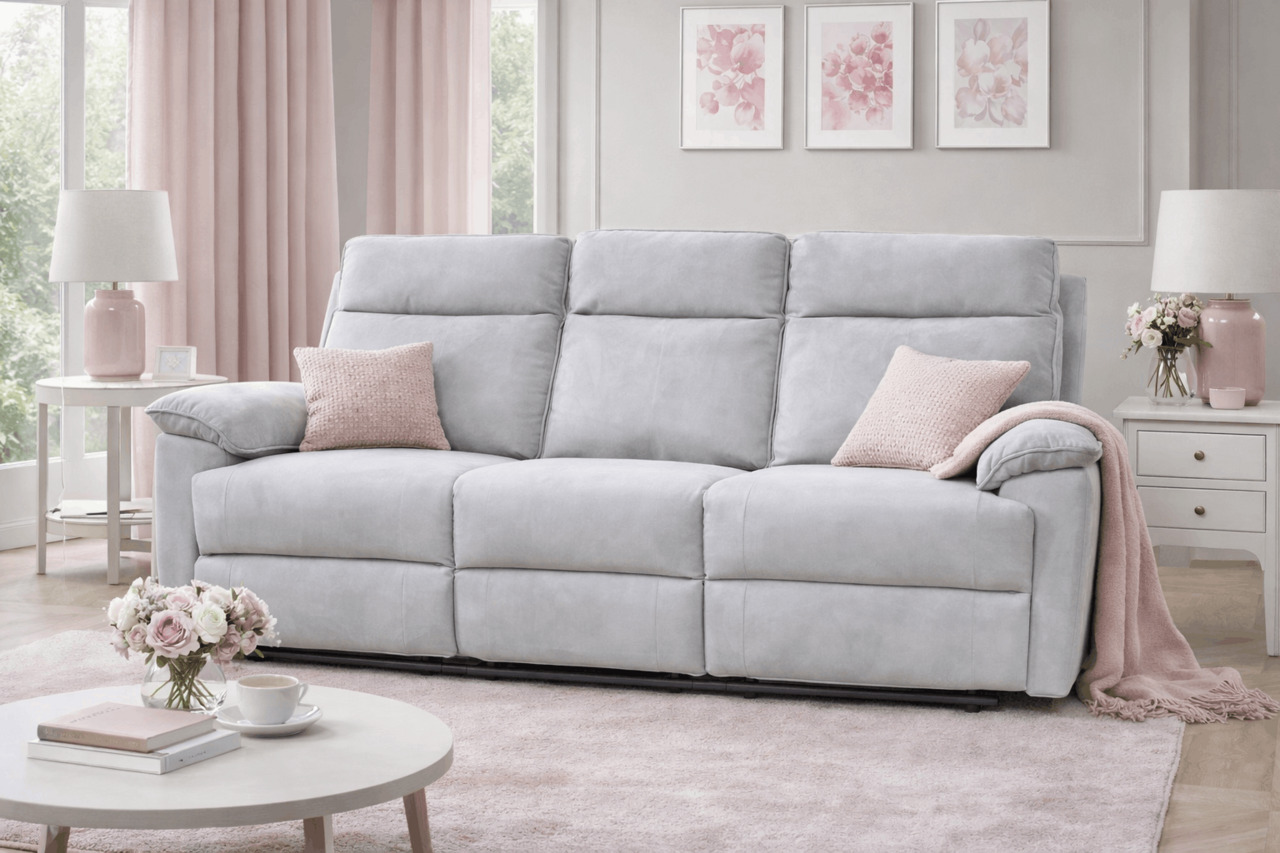
Light Grey + Blush Pink
Blush pink softens the palette and works particularly well in Scandinavian interiors.
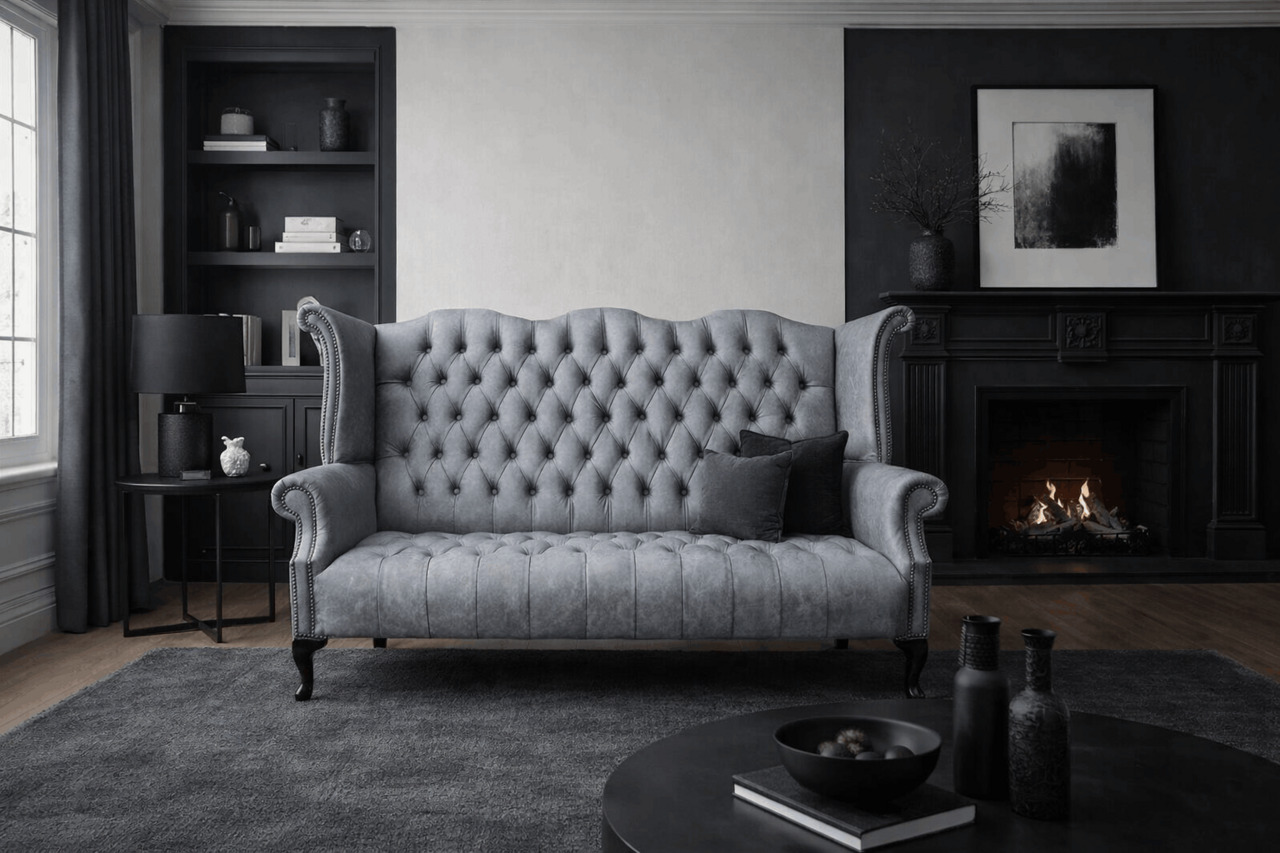
Light Grey + Charcoal
Charcoal or graphite accents help anchor the room and add visual depth.
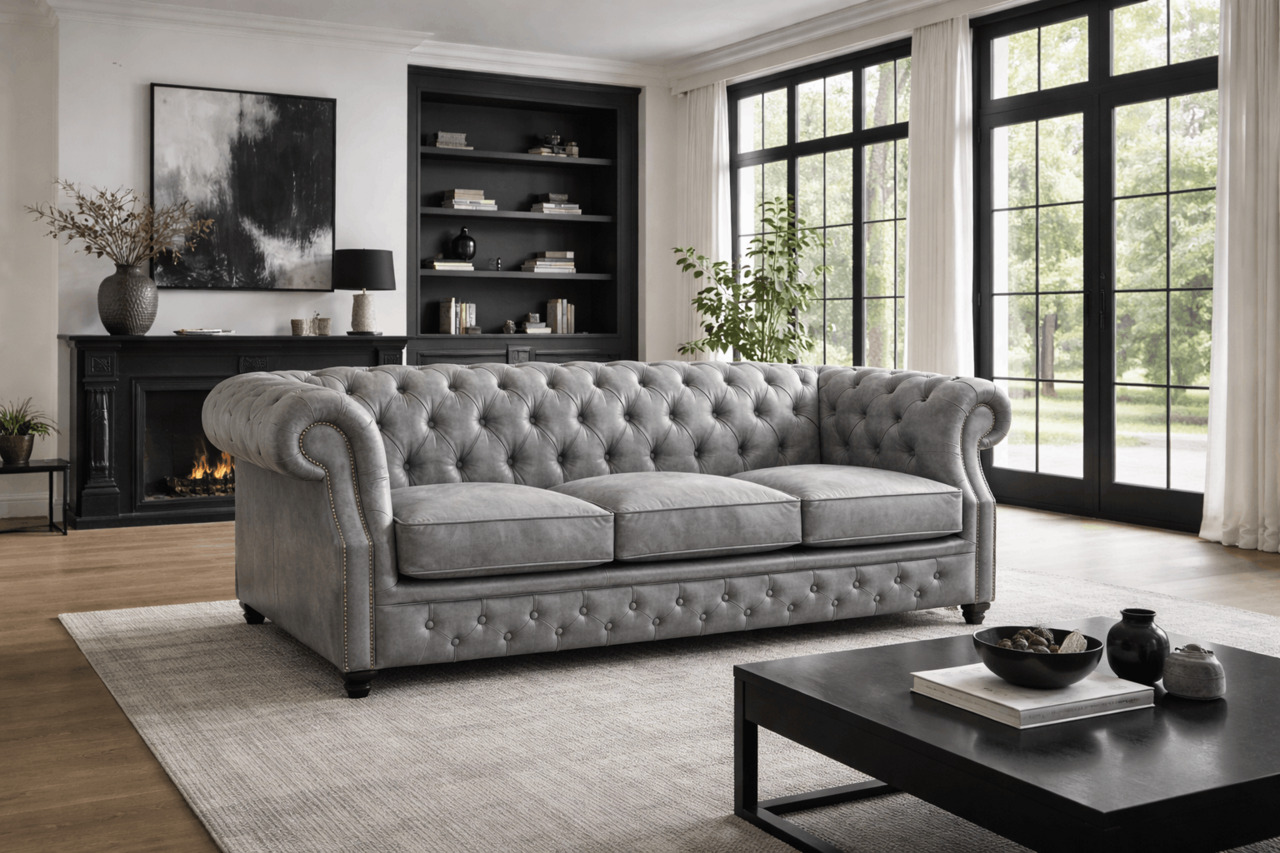
Light Grey + Black Accents
Black lighting fixtures, picture frames, or metal furniture create sharp contrast.
Light Grey + Emerald
Emerald green introduces richness and can give a living room a more dramatic atmosphere.
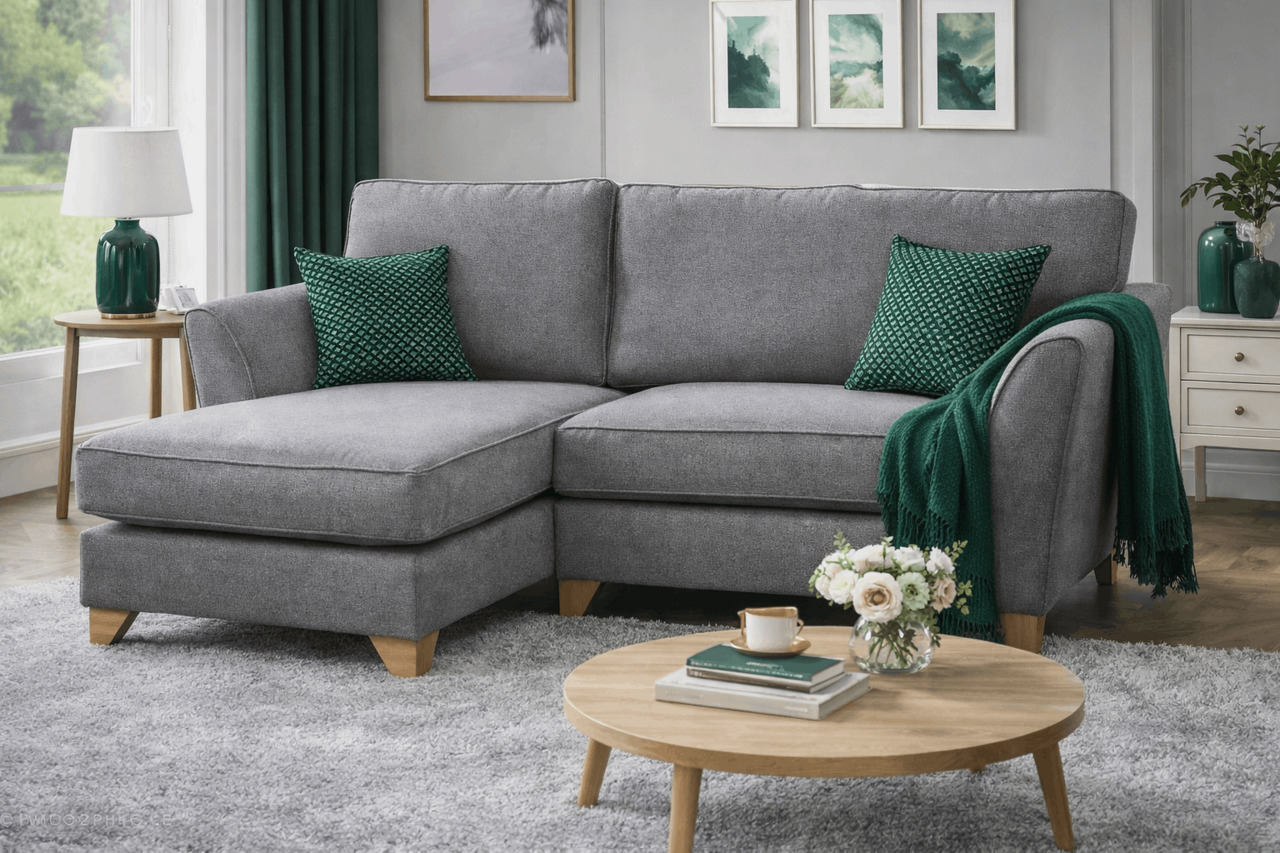
These light grey sofa colour scheme ideas demonstrate how the same sofa can support very different looks depending on the palette chosen.
| Colour pairing | Effect |
|---|---|
| Light grey + warm white | Bright and calm |
| Light grey + navy | Strong contrast |
| Light grey + sage | Natural relaxed look |
| Light grey + blush | Soft and light |
Why Are Light Grey Sofas So Popular?
It is hard to look through current sofa collections without noticing how often light grey appears. Browsing the range at Designer Sofas 4U shows how this shade now appears across very different sofa shapes, from more classic designs to cleaner modern silhouettes. Light grey sofas appear regularly in showrooms, interior magazines, and real homes.
One reason for this popularity is that light grey sits comfortably between darker statement colours and very pale neutrals. A dark sofa can dominate a room, while a very pale cream sofa often shows signs of wear more quickly. Light grey often falls somewhere in the middle. It feels calm without becoming invisible, and it works well with both warm and cool colour palettes.
Another reason is flexibility in styling. A living room can change over time simply by updating smaller elements. Switching cushions, adding a new rug, or replacing curtains can refresh the space without replacing the sofa itself.
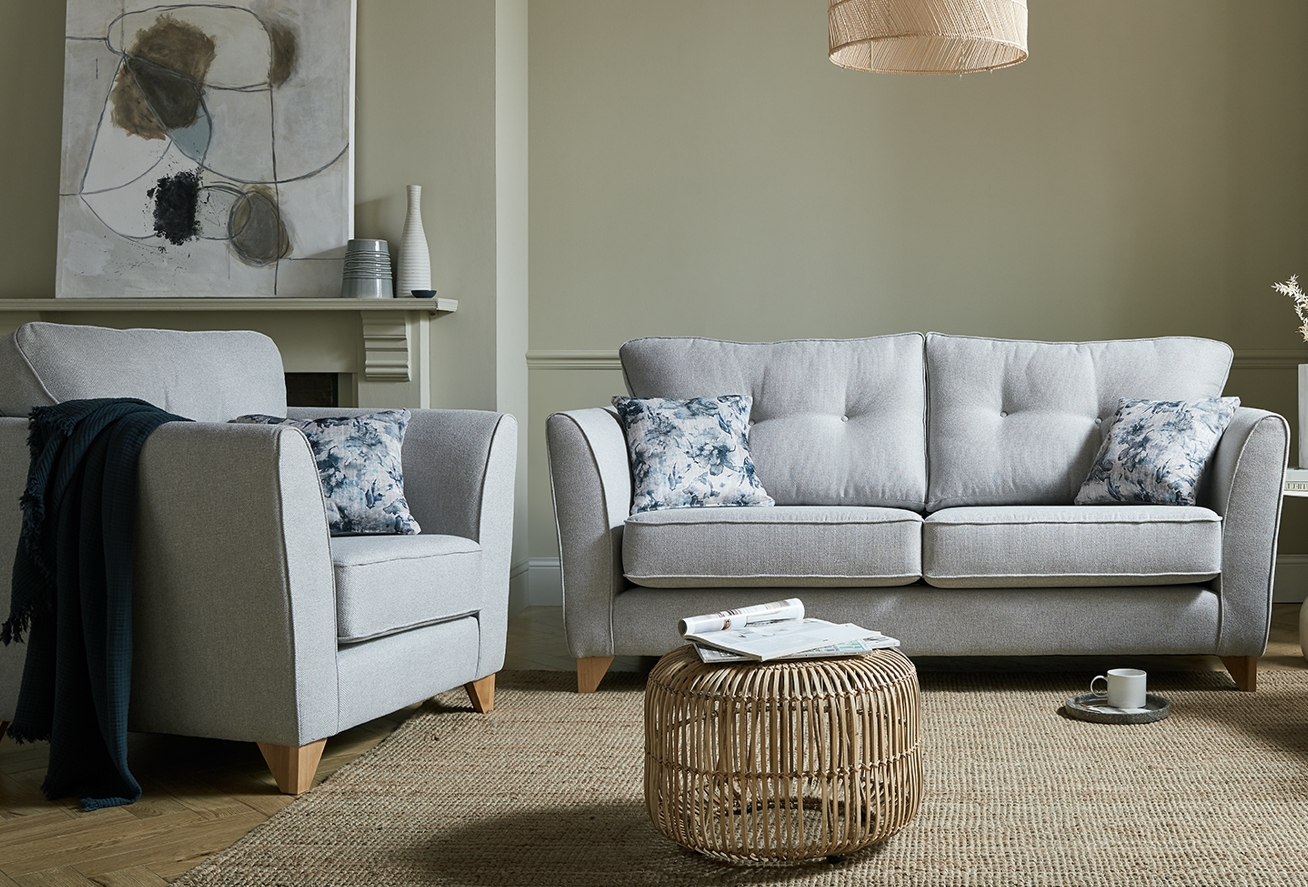
Material also plays a role. Fabric sofas often create a softer, relaxed atmosphere, while leather upholstery gives a room a more structured appearance. In fact, many homeowners searching for light grey leather sofa living room ideas are looking for ways to combine the elegance of leather with a balanced colour palette that still feels welcoming.
The sofa also acts as a visual anchor for the room layout. Once the seating position is defined, other pieces such as a coffee table, side tables, and lighting naturally follow its placement. For many households, this balance of practicality and style explains why light grey sofas remain a consistent choice for living rooms of different sizes.
How to Build the Room Around the Sofa: Light Grey Sofa Decor Ideas
Decorating a living room often becomes easier once the main sofa is chosen. From that point, the surrounding elements can be selected to support the seating area rather than compete with it. Many people begin exploring light grey sofa decor ideas when they want to turn a simple room into a more complete space.
Rugs: Light vs Patterned
A rug helps define the seating zone and connects the sofa with the rest of the furniture. The size of the rug matters just as much as the colour.
A rug that is too small can make the layout feel disconnected. Ideally, the front legs of the sofa and nearby furniture should sit on the rug. This visually anchors the seating area.
When choosing colour, two main approaches work well:
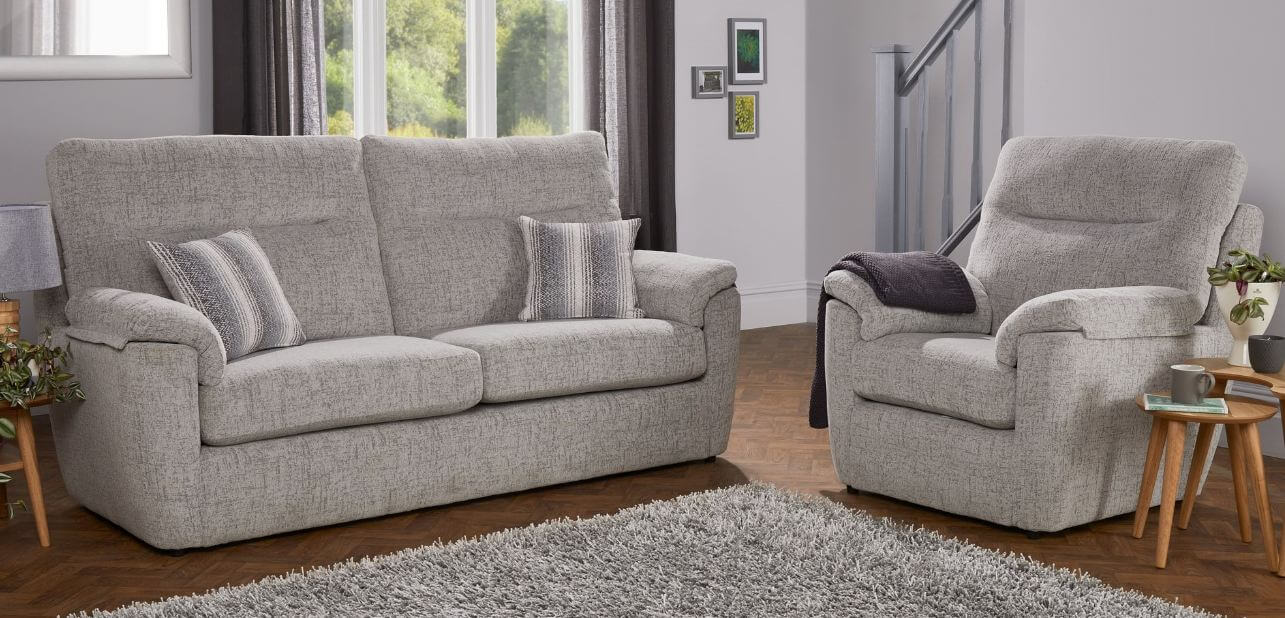
Light rugs
- create a calm, minimal atmosphere
- help small rooms feel larger
- work well with layered greys
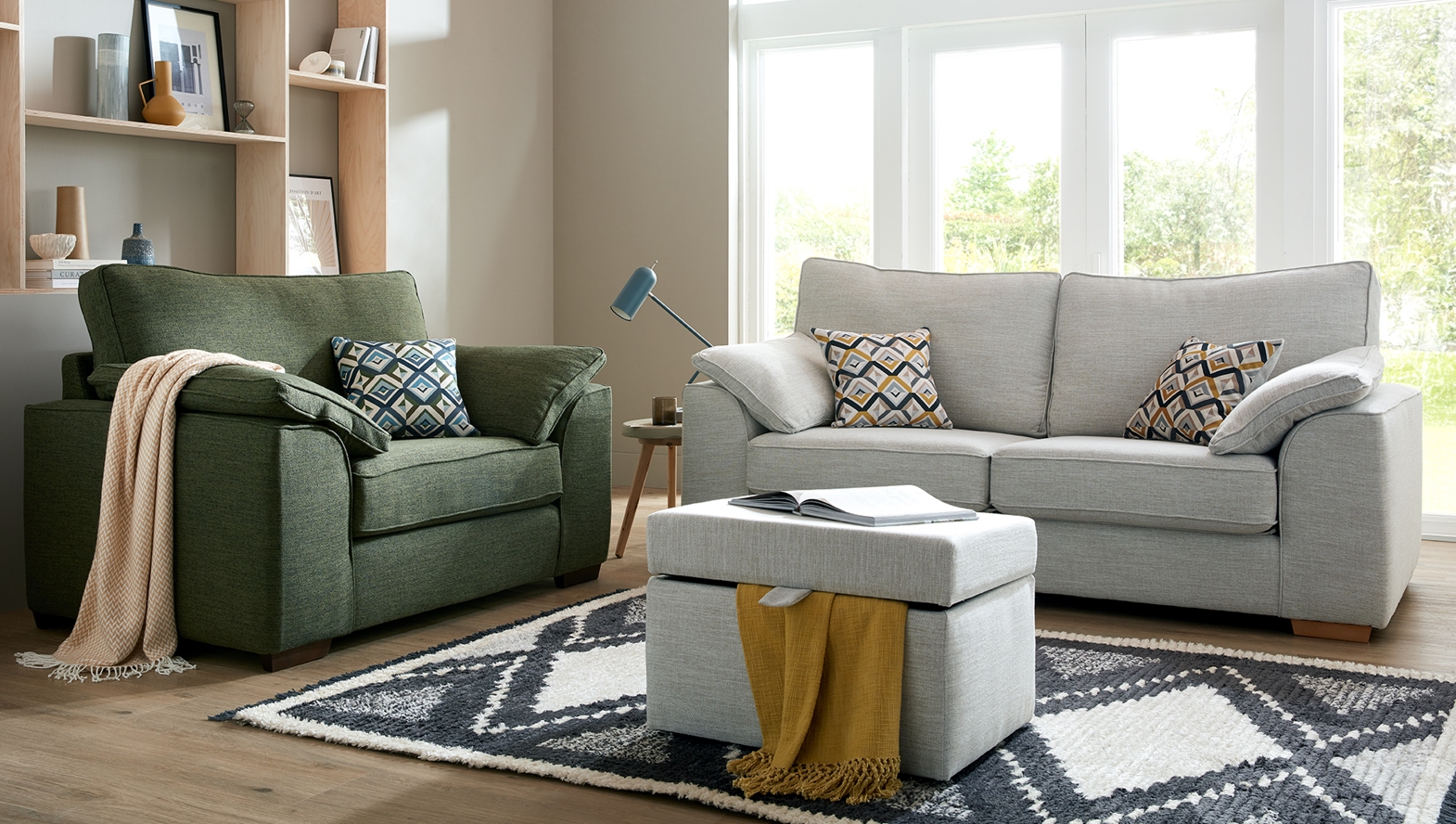
Patterned rugs
- introduce texture and contrast
- help hide everyday wear
- add character without changing wall colour
Curtains and Lighting
Curtains influence how much light enters the room and how the grey sofa appears during the day. Light curtains allow natural light to soften the space, while heavier fabrics can create a more intimate mood in the evening.
Lighting should also be layered. A combination of ceiling lighting, table lamps, and a floor lamp helps create a comfortable environment once daylight fades.
Wood and Metal Finishes
The materials used in surrounding furniture also shape the room. Wood accents bring warmth and natural texture, while metal finishes add a sharper edge.
For example:
- oak or walnut coffee tables introduce warmth
- black metal side tables create contrast
- gold accents or silver accents can subtly highlight decor pieces
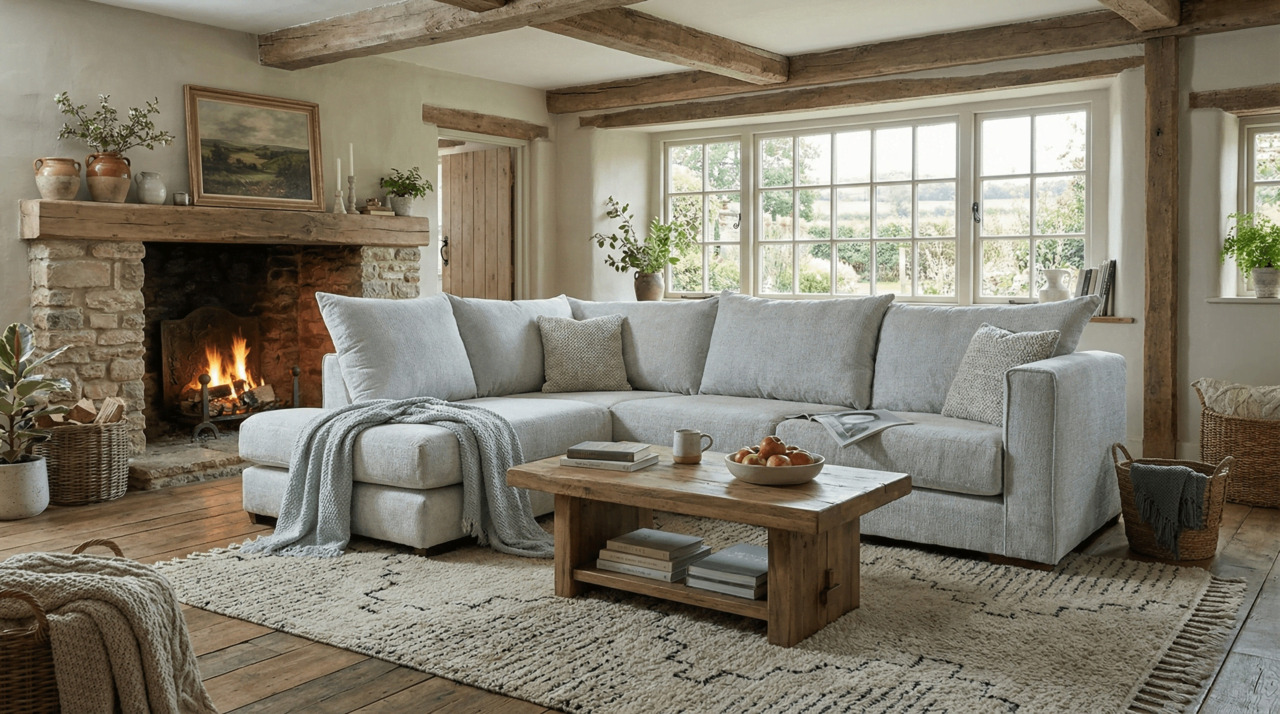
Plants and Artwork
Plants are one of the simplest ways to introduce colour into a living room without overwhelming the space. Green foliage works well with almost any colour palette and softens the clean lines of furniture.
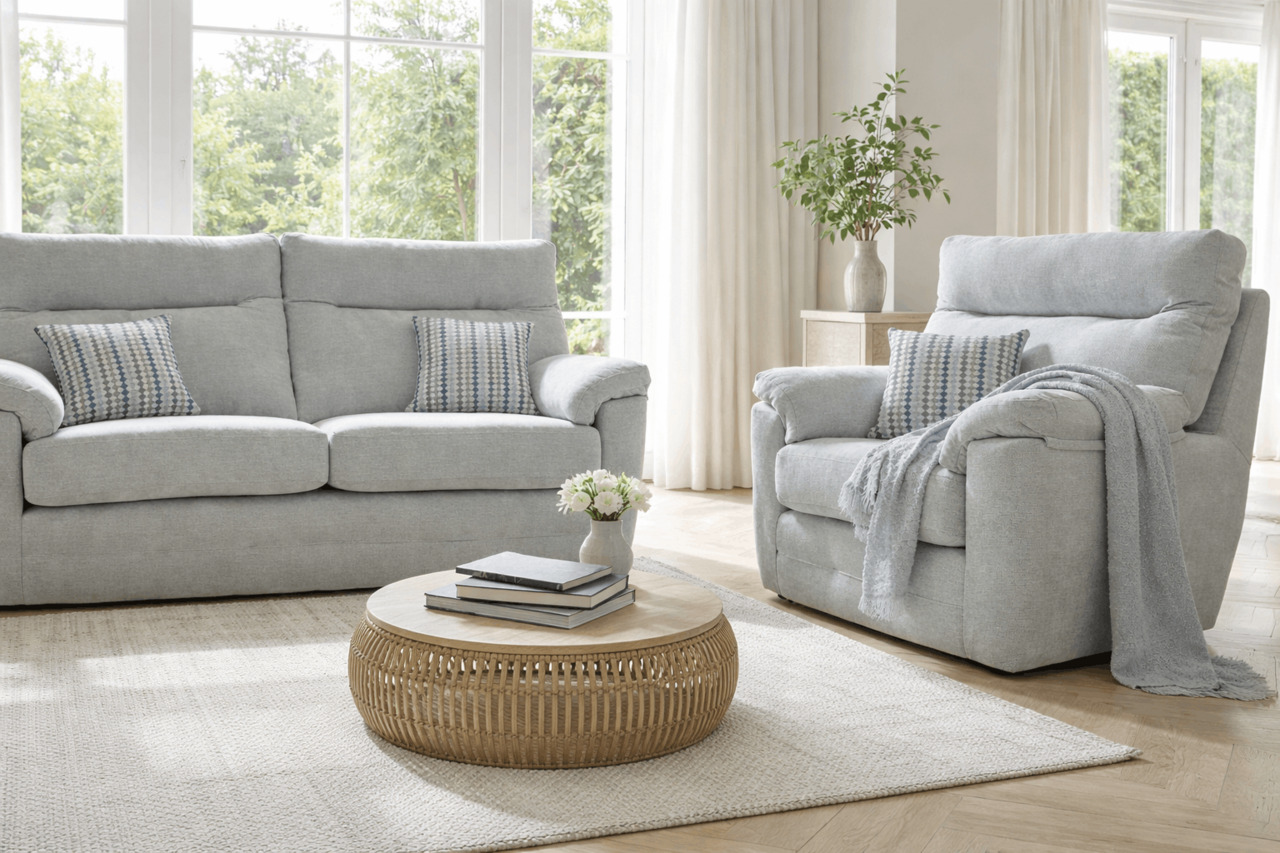
Artwork can also repeat accent colours used elsewhere in the room. Even a single framed piece above the sofa can help tie the decor together.
Cushions and Throws That Add Depth
Soft furnishings often determine whether a living room feels flat or layered. Cushions, throw pillows, and blankets introduce colour and texture without requiring large changes to the room.
Light Grey Sofa Cushion Ideas
When looking for light grey sofa cushion ideas, it helps to think in layers rather than individual pieces. Mixing patterns, textures, and colours creates a more natural look.
A simple cushion formula that works well is:
1 patterned cushion + 2 solid colours + 1 textured fabric
For example:
- one patterned cushion with navy or geometric design
- two solid cushions in neutral tones
- one textured cushion in linen or woven fabric
This mixture prevents the sofa from looking overly coordinated.
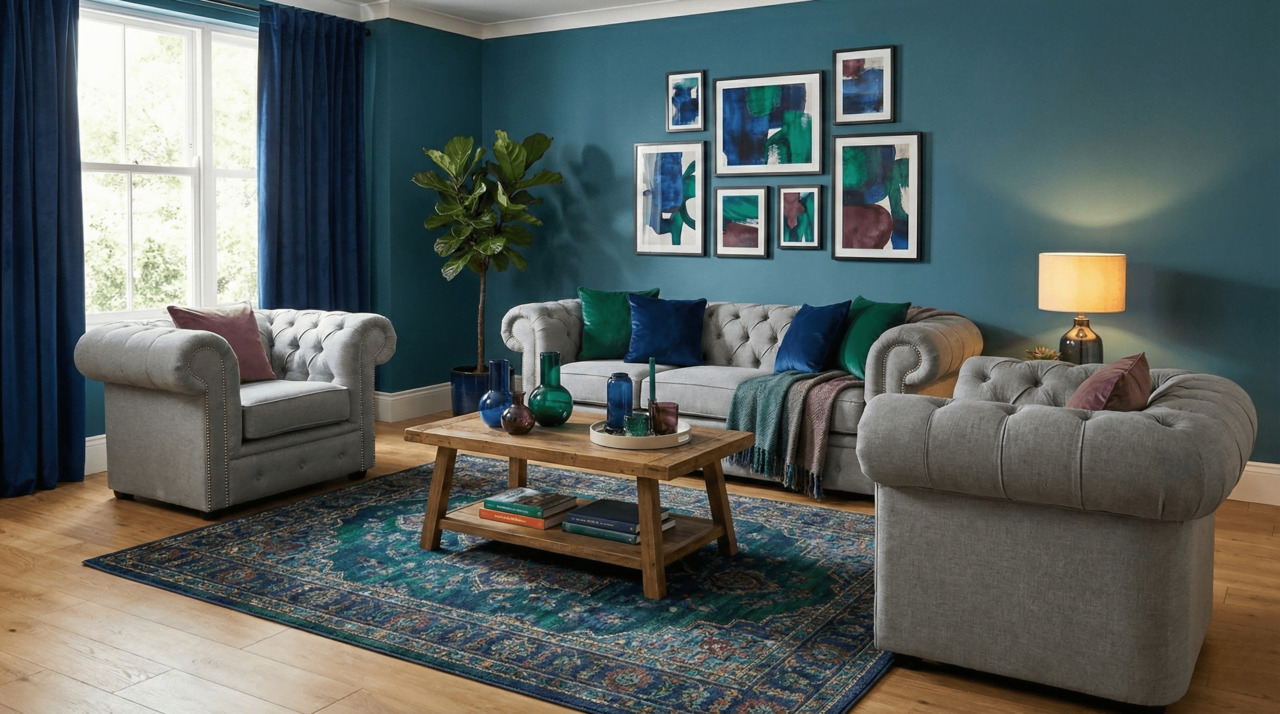
Colour Directions for Cushions
Different colour approaches can change the mood of the room.
Calm palette
- beige accents
- white accents
- soft grey tones
Brighter palette
- mustard yellow cushions
- blush pink accents
- pastel accents
Higher contrast
- navy blue cushions
- darker charcoal tones
- black accents
Repeating the same colour in two or three places around the room — for example cushions and artwork — helps create balance.
Choosing the Right Throw
Throws are often chosen for warmth, but they also add visual texture.
Popular materials include:
- knitted throws for a cozy atmosphere
- wool blankets for colder climates
- linen throws for lighter styling
A throw casually placed over the arm of the sofa can soften the look of more structured furniture.
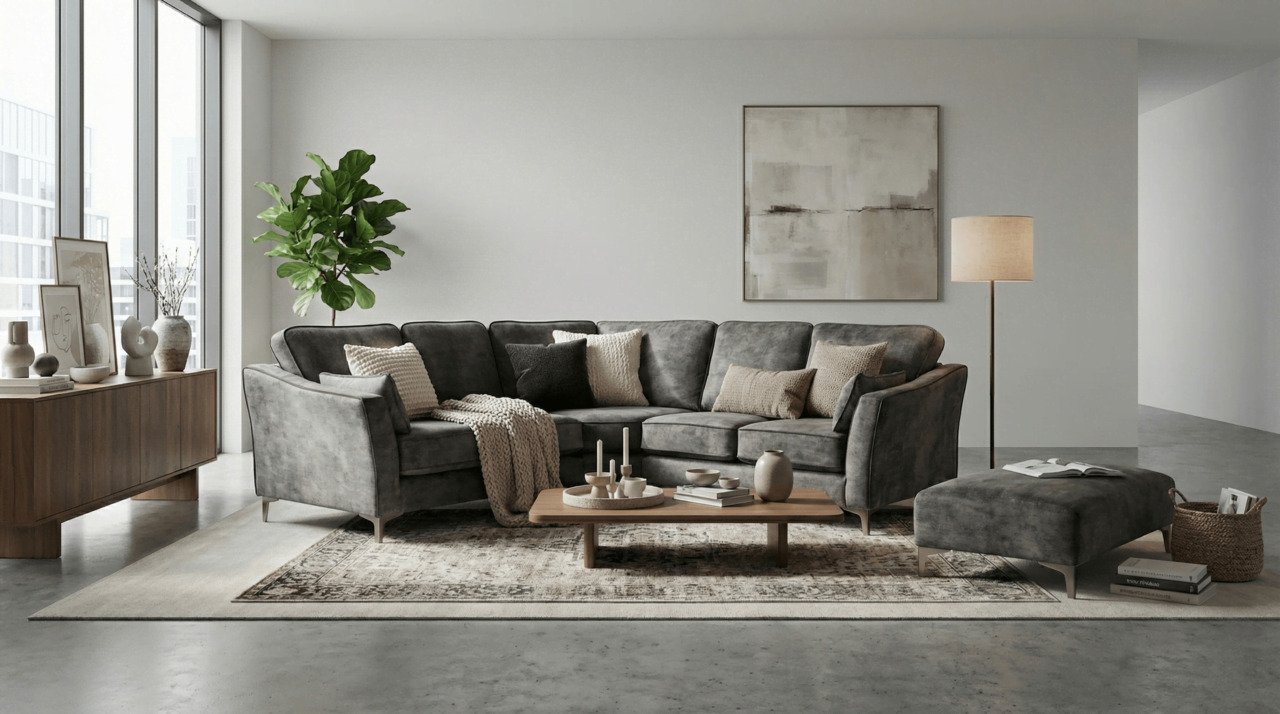
Before getting into placement ideas, it helps to remember that people often use different words for the same piece of furniture. If you have ever wondered about the difference, this guide to couch vs sofa vs settee explains the terminology in a simple way.
Layout Tips — Where to Place a Light Grey Couch and How to Zone the Space
Furniture placement strongly affects how a living room feels once everything is arranged. Even a well-decorated space can feel awkward if the room layout is not balanced.
Many people researching light grey sofa living room ideas focus mainly on colours, but the layout is equally important.
Small Living Rooms
In a small space or apartment, the sofa often sits against the main wall to maximise floor area. Choosing furniture with lighter tones helps prevent the room from feeling crowded.
A few useful layout tips include:
- placing a rug under the seating area to define the space
- choosing a slim coffee table
- leaving clear walking paths between furniture
A compact accent chair or footstool can also provide additional seating without overcrowding the room. You can explore different styles in the footstool collection.
Open Plan Living Rooms
In larger homes, the sofa can be used to separate different zones within an open-plan layout. For example, the sofa may sit between the living area and dining space.
The back of the sofa can act as a visual divider while still keeping the room connected.
The Anchoring Trio
A simple design principle is to create a central trio around the sofa:
rug + coffee table + floor lamp
Together, these three pieces help anchor the seating area visually instead of leaving it floating in the room.
If you are unsure about sofa proportions for your space, this sofa sizes guide can help.
Common Mistakes With a Light Grey Sofa (And Quick Fixes)
Even though grey sofas are relatively easy to style, certain decorating mistakes appear frequently. Fortunately, most of them can be corrected with small changes.
Too Much Grey With No Texture
A room that uses only grey tones can feel flat if there is no variation in texture. The solution is to introduce different materials.
Examples include:
- woven rugs
- linen cushions
- wooden furniture
- knitted throws
These elements add depth without changing the colour palette.
Not Enough Contrast
Another common issue occurs when the sofa blends too closely with surrounding elements. If the wall colour, rug, and cushions are all similar shades of grey, the sofa can appear washed out.
Adding darker accents such as navy blue, charcoal, or black accents can quickly solve this.
Undertones That Clash
Sometimes the sofa’s undertone does not match the rest of the room. For example, a warm grey sofa may look slightly out of place next to cool-toned walls.
In these cases, adjusting smaller elements such as cushions, artwork, or curtains can help bridge the gap between tones.
If you are planning larger changes, it can help to look through a detailed sofa buying guide before replacing your current furniture.
Quick Checklist — Build a Colour Scheme in 15 Minutes
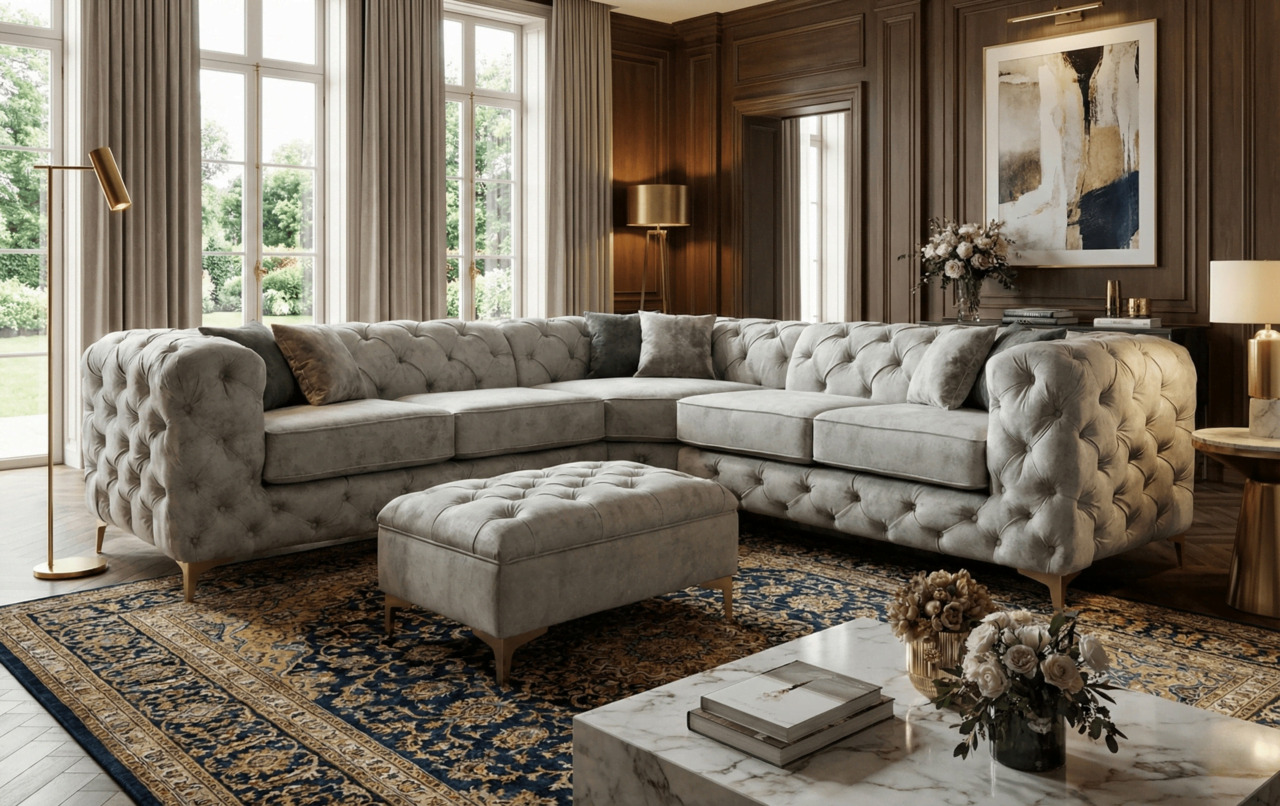
If decorating decisions start to feel overwhelming, a simple checklist can help organise the process. Instead of trying to change everything at once, working through a few basic steps can quickly bring the room together.
- Identify the sofa’s undertone
Look closely at the upholstery and decide whether the grey feels warmer or cooler. This small step helps guide the rest of the colour choices in the room. - Choose one main accent colour
Pick a single colour that will add personality to the space — for example navy blue, blush pink, or mustard yellow. - Add two different textures
Introduce texture through cushions or throws. Mixing fabrics such as linen, wool, or woven materials helps the sofa feel more layered. - Select a rug that anchors the seating area
The rug should be large enough to connect the sofa, coffee table, and surrounding furniture so the layout feels intentional. - Introduce two warm light sources
Table lamps or floor lamps soften the room in the evening and make the seating area feel more inviting. - Repeat the accent colour two or three times
Echo the accent colour in cushions, artwork, or small decor pieces. This helps the palette feel balanced rather than random.
Following these steps can quickly transform a simple seating area into a calm and well-balanced living room.
Conclusion — Bringing Your Living Room Together With a Light Grey Sofa
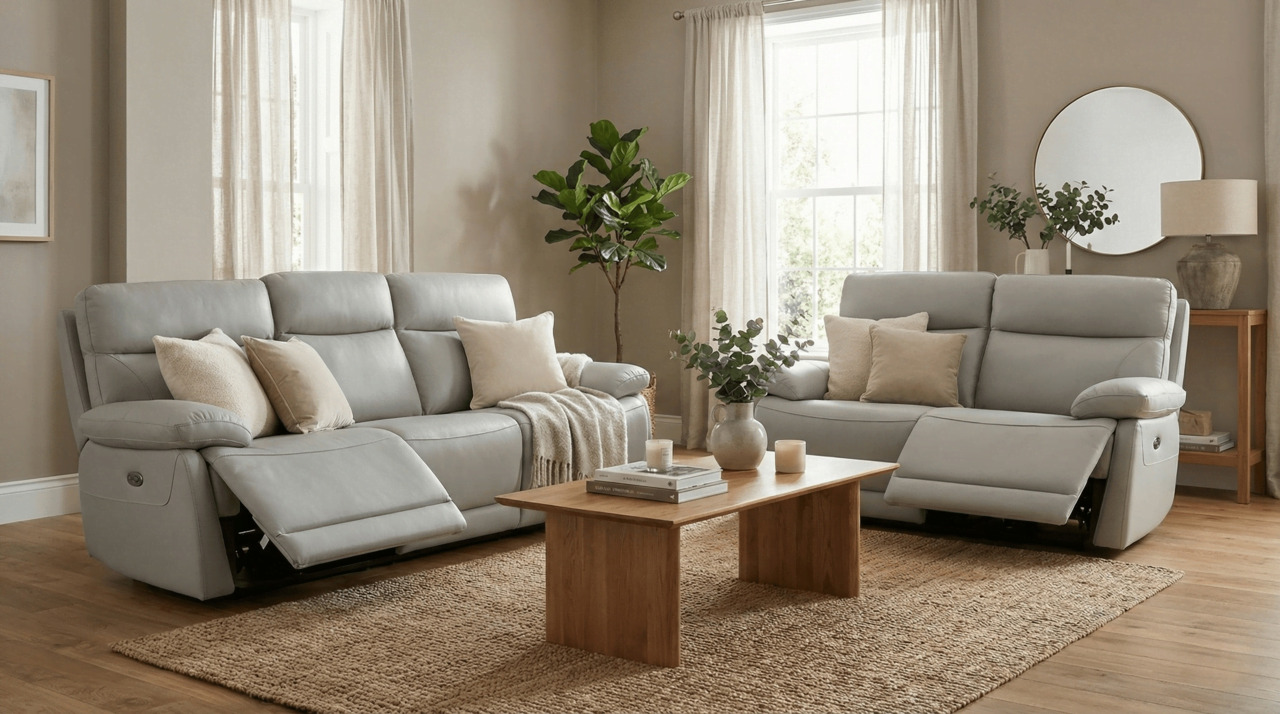
A light grey sofa can quietly set the tone for the entire living room when the surrounding elements are chosen with care. Details such as undertones, lighting, textures, and accent colours all affect how the sofa looks once everything is in place. When the palette is consistent and the furniture layout feels balanced, the space naturally starts to look more cohesive and comfortable.
Often the biggest difference comes from small adjustments rather than major changes. Swapping a few cushions, adding plants, introducing warmer lighting, or choosing a better-sized rug can completely change how the seating area looks. With thoughtful colour choices and layered textures, a light grey sofa can easily become the centrepiece of a welcoming and well-balanced living room.
FAQ
What Wall Colour Works Best With a Light Grey Sofa?
Several wall colours work naturally with a light grey sofa, and the right choice often depends on the mood you want your living room to have. Warm whites, soft beige tones, and gentle greige shades create a relaxed and comfortable atmosphere. If you prefer a cleaner or more modern look, cooler whites and pale greys can work equally well. Subtle colours such as sage green, dusty blue, or muted blush pink also complement grey upholstery beautifully and can introduce colour without overwhelming the space.
How Many Cushions Should You Place on a Grey Sofa?
Most sofas look balanced with three to five cushions, depending on their size and shape. Instead of matching everything perfectly, it usually works better to mix colours, textures, and patterns. A simple approach is to combine one patterned cushion with two or three solid colours. Adding a textured cushion such as linen, boucle, or woven fabric can also give the sofa more depth and prevent it from looking too uniform.
Do Light Grey Sofas Work in Small Living Rooms?
Yes, light grey sofas can work very well in smaller living rooms. Because lighter upholstery reflects more natural light than darker fabrics, it helps the room feel brighter and more open. Pairing the sofa with a well-sized rug, lighter furniture, and layered lighting can help the seating area feel organised and comfortable without making the room look crowded.
Can a Grey Sofa Work With Bold Accent Colours?
Grey sofas are often used as a neutral base for stronger accent colours. Shades such as navy blue, mustard yellow, emerald green, or blush pink can add personality and contrast while still keeping the room balanced. The key is to repeat the accent colour in two or three places, such as cushions, artwork, or a throw, so the colour scheme feels intentional rather than random.
Where Can I Get Advice Before Buying a Sofa?
If you want help choosing the right sofa style, size, or upholstery material, it can be useful to explore buying guides or speak directly with a specialist retailer. The team at Designer Sofas 4U can provide advice on sofa styles, upholstery options, and living room layouts before you make a final decision. You can contact them through their contact page if you would like more personalised guidance.