
.jpg)
How to Clean a Sofa: Short and Practical Tips
Understanding how to clean a sofa correctly is essential if you want your furniture to remain comfortable, hygienic and visually appealing over time. A sofa is one of the most frequently used pieces of furniture in the home.
Regular cleaning directly affects hygiene, longevity and overall appearance. Dust, crumbs, body oils and everyday dirt gradually build up within the upholstery, making fabric look dull and feel less pleasant. While many people attempt to clean a sofa at home, it’s important to understand that different upholstery types and material sofa constructions require different cleaning methods.
In this guide, we’ll cover practical cleaning steps and everyday care habits. You’ll also find expert recommendations from Designer Sofas 4U to help you maintain your sofa and avoid unnecessary damage.
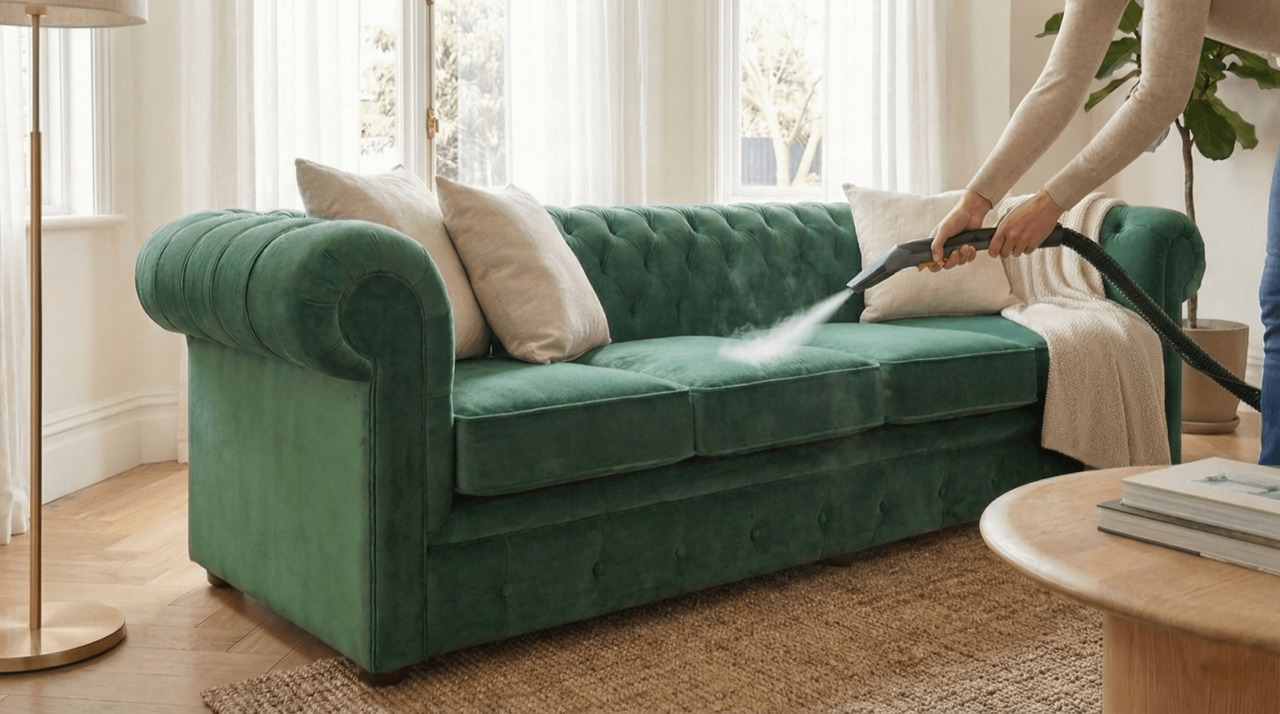
Why Regular Sofa Cleaning Matters
Sofas are exposed to constant daily wear. Fine dust particles, airborne pollutants and repeated contact gradually weaken upholstery fibres and affect their appearance. Over time, this can shorten the lifespan of your furniture and make even high-quality upholstery look tired.
Maintaining a consistent cleaning routine helps protect fabric strength and supports better hygiene. Regular care also prevents dirt from becoming deeply embedded, making it easier to clean a fabric sofa without aggressive methods later on.
Best Way to Clean a Sofa
Every household may approach cleaning slightly differently. The best way to clean a sofa depends on the type of dirt, the level of staining, how much time you’re willing to spend, whether you prefer DIY solutions or professional cleaning products, and whether you plan to clean the entire sofa or simply wash the covers.
Everyday Maintenance
Simple habits form the foundation of good sofa care.
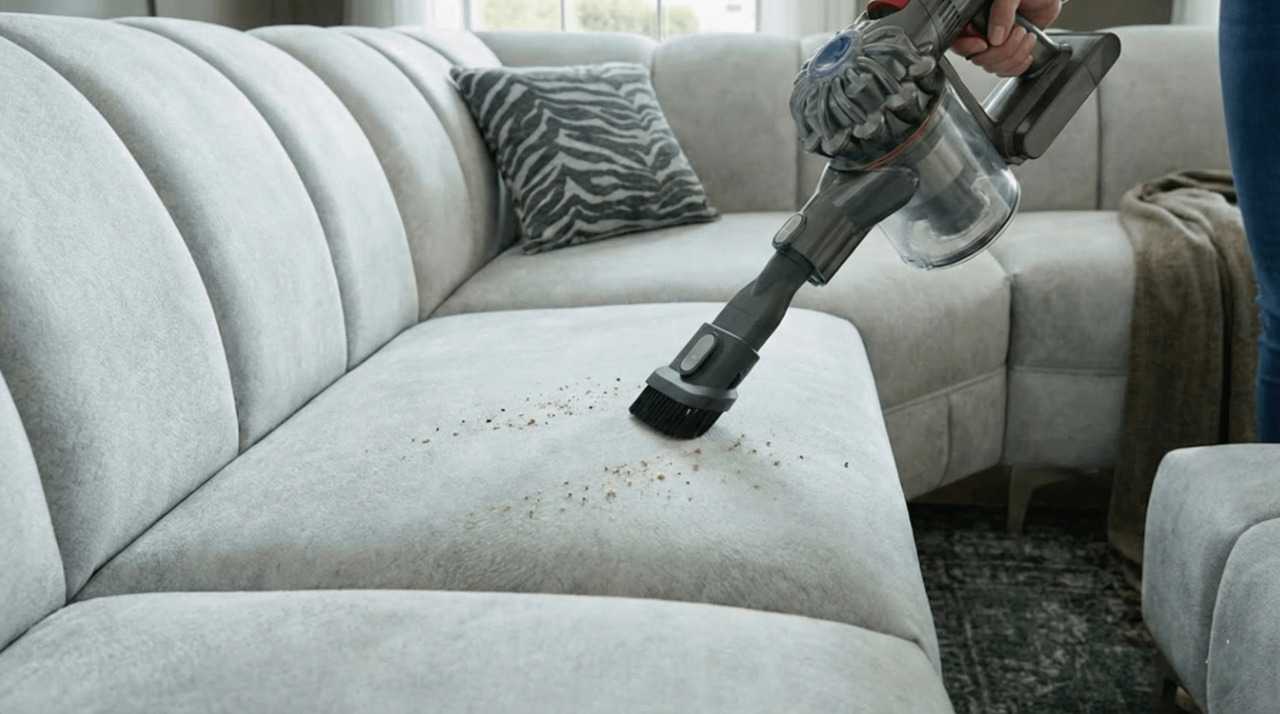
- Vacuum weekly using upholstery attachments to remove surface dust
- Use a soft brush to lift crumbs and pet hair from seams
- Plump and rotate cushions regularly to help maintain their shape
This routine helps prevent the sofa from becoming dirty too quickly and supports long-term maintaining of the upholstery.
Timely Removal of Stains and Spills
Quick action is essential when dealing with spills.
- Blot the area immediately — never rub
- Use gentle cleaning products suitable for upholstery
If you decide to tackle stains using a cleaning product, always test any solution on a hidden spot before applying it more widely.
These steps are especially important when trying to clean a fabric couch, as rubbing or harsh products can spread stains and weaken fibres.
Deep Cleaning
Deep cleaning refreshes upholstery and removes dirt trapped below the surface.
- Use upholstery-specific cleaning products designed for furniture
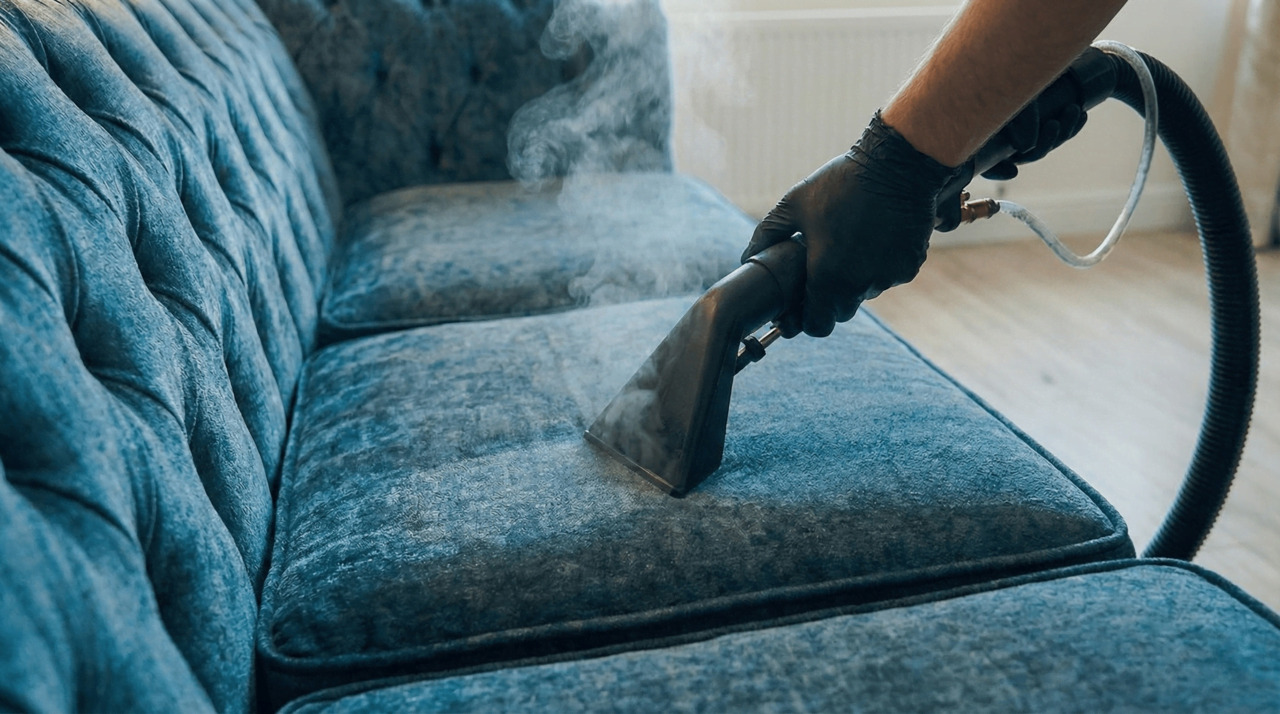
- Steam cleaning can be effective, but should be avoided on delicate materials
- A basic cleaning kit with the right tools allows more controlled cleaning
For some materials, it’s safer to wash by hand rather than rely on machines or aggressive methods. In certain cases, especially with delicate upholstery, dry clean services may be recommended instead of home treatments.
How to Clean a Fabric Sofa Yourself
Before you reach for any cleaning products, take a minute to check the care label (or manufacturer guidance) if you have it. This small step often prevents the kind of accidental damage that happens when a method is “almost right” — but not right for your upholstery.
Many fabric sofas and settees use standard cleaning codes that guide the safest method:
- W: water-based cleaning is usually suitable (gentle solutions, light spot cleaning, minimal moisture)
- S: solvent-based products only (often better handled with a specialist cleaning kit or professional support)
- WS: either water-based or solvent-based methods may be used, but patch-testing still matters
- X: vacuum or brush only — no liquid cleaners (this is where “more effort” can actually cause more harm)
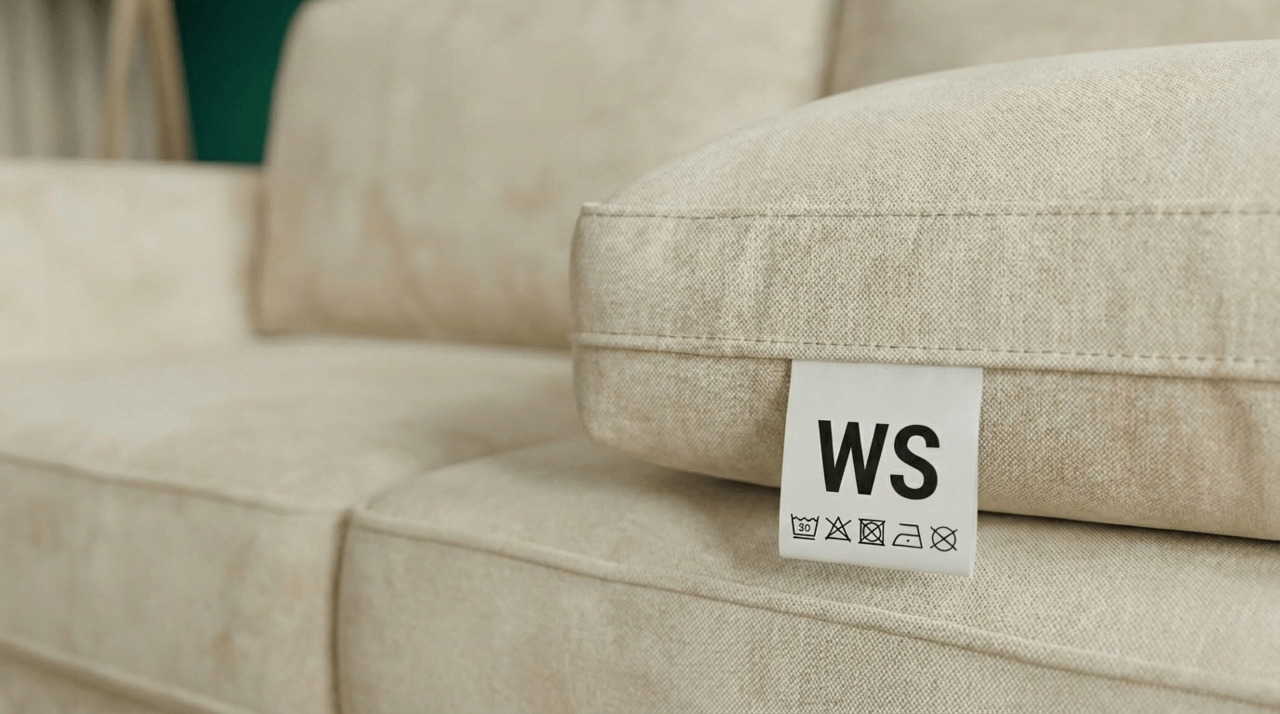
If your sofa has removable covers, check whether they can be washed by hand, whether they must be dry clean only, or whether washing is not recommended at all. A common mistake is assuming all covers are machine-friendly — when in reality, agitation, heat and shrinking can change the fit and leave the upholstery looking uneven.
Even if you can’t find a care label, you can still clean your sofa safely by working slowly and using the right tools. The key is to match the method to the type and severity of dirt, rather than using one solution for everything.
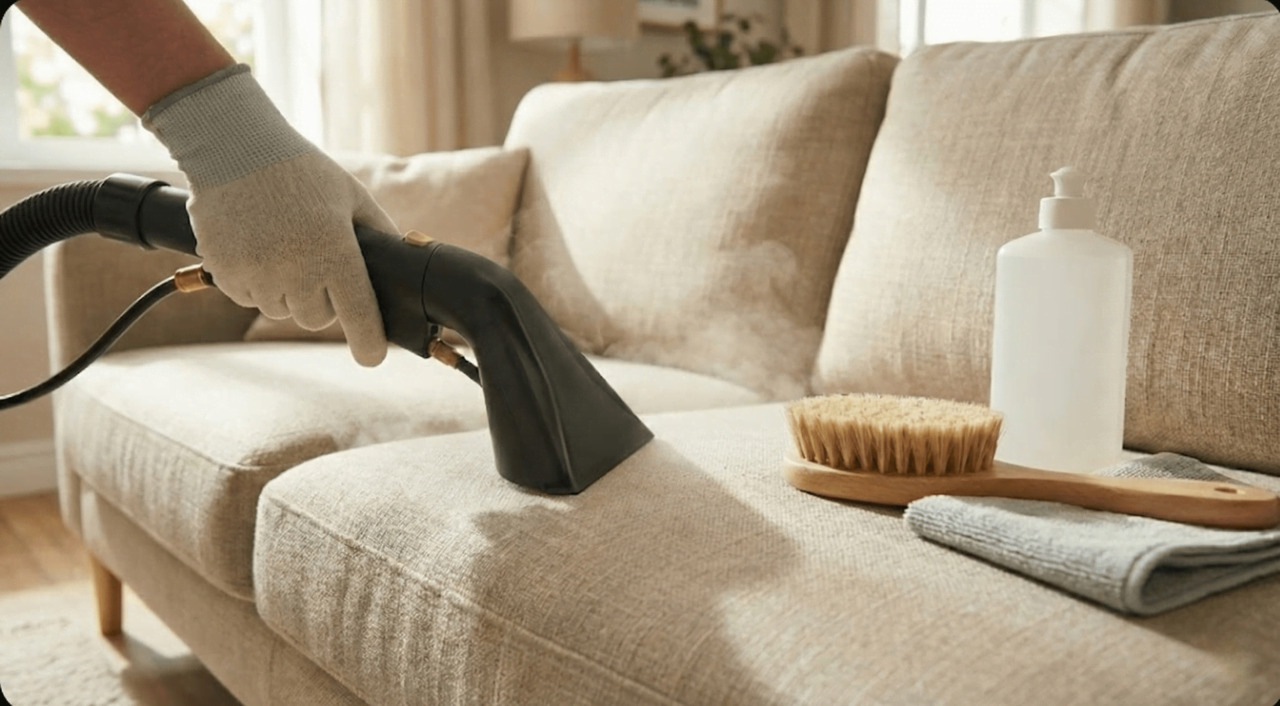
Basic items that are useful for cleaning a fabric sofa at home include:
- Soft brush or upholstery brush — for loosening surface dirt without damaging fibres
- Clean white cloths or microfibre cloths — for blotting stains and applying solutions
- Vacuum cleaner with an upholstery attachment — to remove dust and crumbs before any wet cleaning
- Warm water — suitable for light, everyday dirt
- Baking soda — effective for absorbing odours and freshening lightly soiled areas
- White vinegar (diluted) — helpful for mild stains and general refresh, used sparingly
- Specialist upholstery cleaning products — best for stubborn or set-in stains where home solutions may not be enough
For light, everyday marks, simple home solutions such as warm water with a small amount of baking soda or diluted vinegar can be effective. More persistent stains usually require a dedicated upholstery cleaner designed specifically for fabric sofas.
Before applying any solution — homemade or specialist — always test it on a hidden area (behind a cushion or along the lower back of the sofa). Allow the area to dry fully before cleaning the rest of the surface. This short pause helps you check whether the fabric reacts poorly, fades, or develops water marks.
Helpful tips:
- Always vacuum first — cleaning solutions work better on dust-free fabric
- Blot stains gently instead of rubbing to avoid spreading the mark
- Work from the outside of a stain towards the centre to reduce rings
Taking a methodical approach and using the right tools makes cleaning safer and far more effective, especially when caring for fabric upholstery.
Drying a Sofa After Cleaning
After cleaning, allow the sofa to dry naturally in a well-ventilated room. Open windows if possible, but avoid placing furniture near radiators or heaters.
Excess moisture or forced drying can damage upholstery, cause odours or leave visible marks. Proper drying is a key part of preventing long-term damage.
How to Care for a Fabric Sofa
Routine Care Habits
Regular maintenance helps preserve both comfort and appearance.
- Vacuum weekly and rotate cushion positions
- Fluff and reshape cushions to prevent sagging
- Lightly brush upholstery to maintain texture
These habits make it easier to clean a fabric sofa without needing frequent deep treatments.
Preventative Measures
Preventative care reduces wear and staining.
- Protect upholstery from prolonged direct sunlight
- Minimise dye transfer from clothing
- Use throws or covers in high-traffic areas
If you’re choosing upholstery with practicality in mind, you can explore a range of suitable fabric sofa options here. For a warmer, more tactile feel, it’s also worth considering wool upholstery, such as these wool Chesterfield sofas.
Fabric Protection Products
Fabric protection sprays and specialist care kits act as a preventative layer. They help repel liquids, making stains easier to remove before they settle into the fabric.
How to Deal With Common Sofa Problems
Odours
To refresh upholstery, sprinkle baking soda lightly over the surface, allow it to absorb odours, then vacuum thoroughly. This simple hack is effective for neutralising smells without harsh chemicals.
Deep or Stubborn Stains
Some stains penetrate deeply into the upholstery. Ink, wine or grease may require professional stain removal, particularly when DIY methods risk damage to plush fabrics.
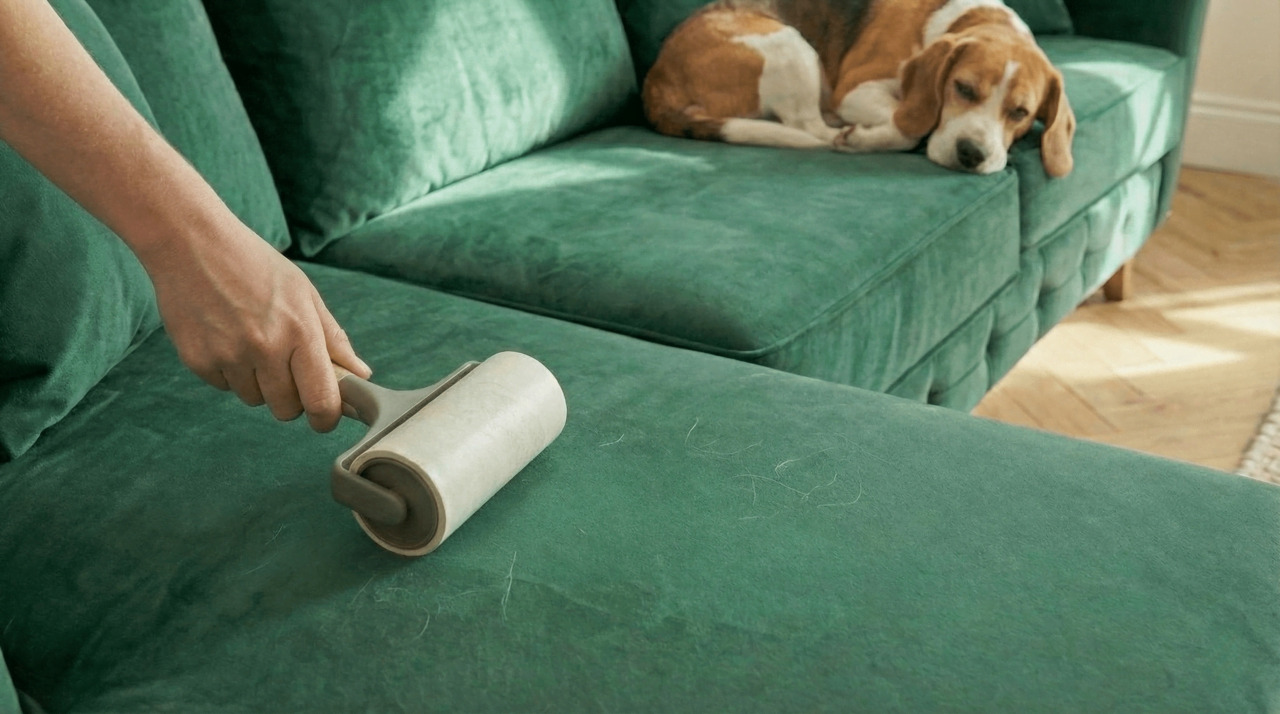
Pet Hair and Mess
Homes with pets benefit from rubber brushes and specialised upholstery tools designed to lift hair without pulling fibres. Regular cleaning prevents hair from embedding into the fabric.
What to Avoid When Cleaning a Sofa
Certain mistakes can shorten the lifespan of furniture.
- Avoid harsh chemicals such as bleach
- Do not over-wet the upholstery
- Never machine-wash cushion covers unless clearly permitted
- Avoid abrasive brushes and aggressive scrubbing
Gentle methods protect the structure of the upholstery and help maintain furniture quality.
When to Consider Professional Cleaning
Professional cleaning is typically recommended every 12–18 months, depending on usage. It’s particularly useful for delicate fabrics, heavy soiling or oversized furniture that is difficult to manage at home.
If cleaning no longer restores the appearance you want, reupholstering cushions or the entire sofa may be a suitable alternative. If you’d like advice tailored to your furniture, you can always reach out to our team.
Conclusion
Knowing how to clean and care for your sofa properly helps protect comfort, appearance and longevity. Regular vacuuming, prompt stain removal and preventative care all contribute to keeping your furniture looking its best.
Whether you prefer to clean a sofa at home or rely on professional services, the right methods make a noticeable difference. For expert advice or to purchase furniture crafted by professionals, visit Designer Sofas 4U.
FAQ
How to Remove Water Stain from Sofa?
Water stains occur when moisture dries unevenly. Lightly dampen the surrounding area, blot gently and allow the fabric to air dry naturally. Avoid heat sources.
How to Clean a Sofa with Baking Soda?
Sprinkle baking soda evenly over the upholstery, leave it for 15–20 minutes, then vacuum thoroughly using an upholstery attachment. Baking soda works particularly well for absorbing odours, freshening up lightly used sofas, and tackling minor surface dirt or everyday smells from pets and food.
How to Get Pen Ink Out of a Couch?
Ink stains are one of the more difficult marks to remove, and the outcome depends largely on the upholstery type. Soap and water are usually not effective for ink stains and may spread the mark further. For best results, use a dedicated ink or upholstery stain remover designed specifically for furniture, and always blot gently rather than rubbing. As with any product, test on a hidden area first. If the stain remains visible, professional cleaning is often the safest option.
How Can You Make a Living Room Feel Cosier?
Creating a cosier living room is about layering comfort rather than adding too many large pieces. Soft furnishings such as cushions, throws and a well-sized rug instantly make the space feel warmer and more inviting, especially when they echo the colours of your sofa.
Complementary furniture can also help balance the room. A Chesterfield footstool adds both comfort and practicality, while wing chairs introduce character and create a more conversational layout. To bring everything together, a coffee table helps anchor the seating area and gives the room a natural focal point.
Who can help with sofa care and maintenance?
You can contact Designer Sofas 4U with any questions about sofa care, ongoing maintenance, materials, manufacturing, or general upkeep. Our team is always happy to share practical advice and help you find the right solution for your furniture. Simply get in touch with our team, and we will do our best to assist you. You can also find plenty of useful guidance in our articles on cleaning velvet sofas, cleaning leather sofas, cleaning Chesterfield sofa buttons, and cleaning sofa arms.