
.jpg)
How to Clean Sofa Arms
Sofa arms often become dirty faster than any other part of the furniture. They are touched constantly, leaned on daily, and exposed to body oils, food spills, pet hair, and everyday dust. Over time, this frequent contact causes armrests to look worn and feel less pleasant than the rest of the sofa.
Regular cleaning plays an important role in both appearance and hygiene. Knowing how to clean sofa arms properly helps maintain the overall look of your seating, improves comfort, and extends the life of your furniture. It also reduces the risk of long-term damage caused by built-up grime or incorrect cleaning methods.
Sofa arms come in various materials, including leather, faux leather, wood, and fabric. While each material requires a different approach, this guide focuses primarily on fabric sofa arms, as they require the most careful and consistent care.
Types of Sofa Arms and Why It Matters for Cleaning
Identifying the material of your sofa arms is essential before choosing any cleaning products or tools.
Fabric sofa arms are absorbent and prone to stains. They easily collect oils, spills, and dirt through everyday use. This is especially true for upholstered seating such as many fabric sofas, where armrests are often the first area to show wear. Fabric requires gentle cleaning methods and controlled moisture to avoid damage.

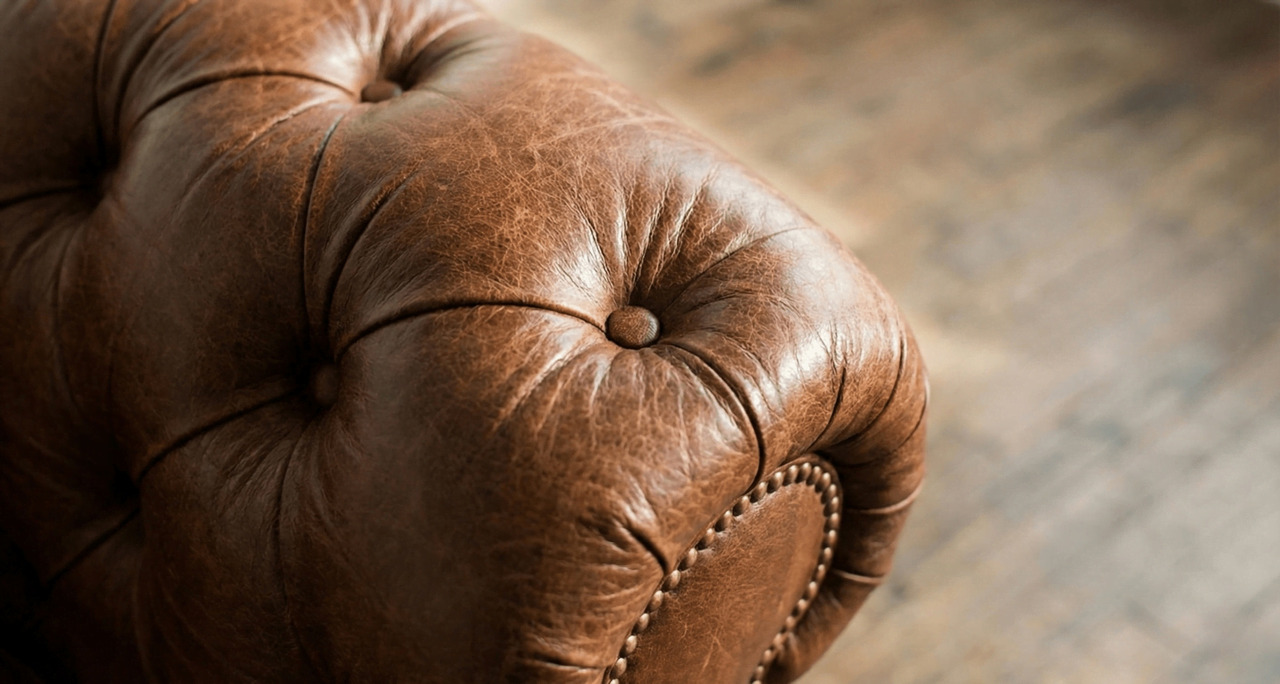
Leather sofa arms are more resistant to spills but sensitive to harsh detergents. Excess moisture or incorrect products can strip natural oils and cause cracking. Many leather sofas benefit from light surface cleaning followed by conditioning rather than deep cleaning.
Faux leather or vinyl arms are easy to wipe clean but may crack if exposed to abrasive tools or alcohol-based solutions.
Wooden or hard-frame arms do not absorb cleaning solutions and require entirely different care. Upholstery cleaners should never be used on these surfaces.
What You’ll Need to Clean Fabric Sofa Arms
Preparing a simple cleaning kit before you start makes the process easier and prevents over-cleaning one area.
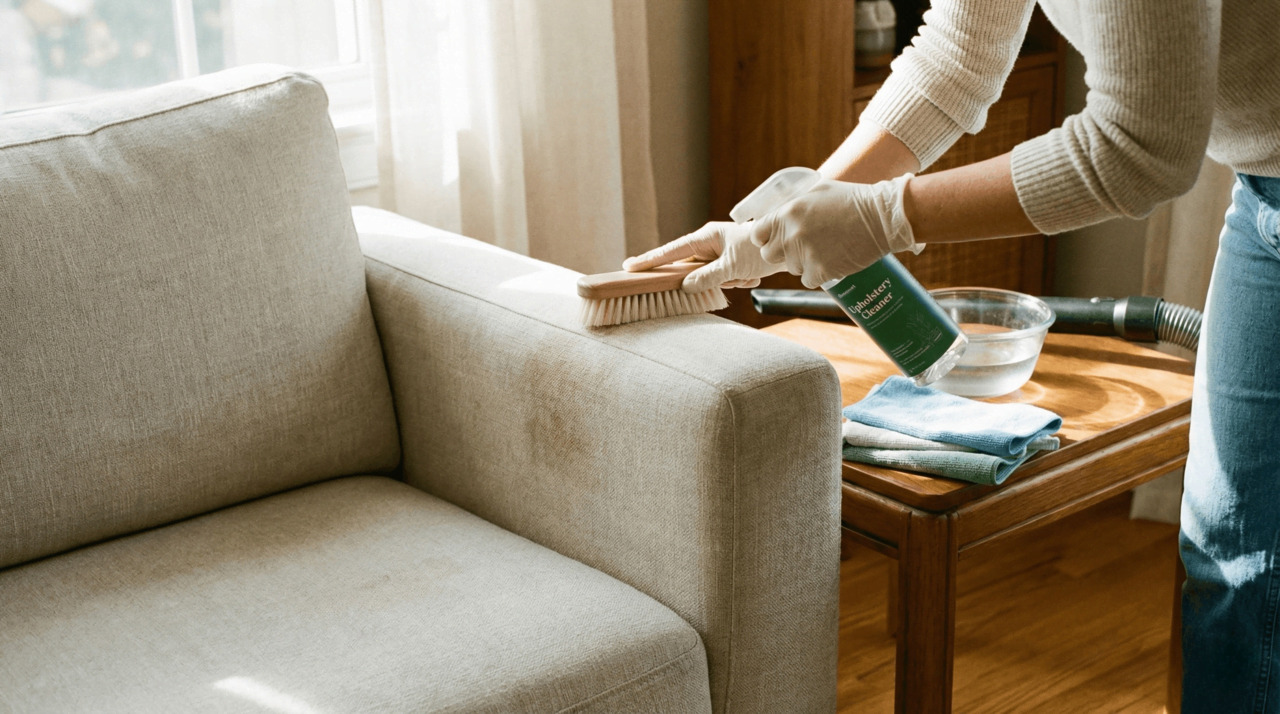
What you’ll need to clean fabric sofa arms:
- A vacuum cleaner with an upholstery attachment
- Microfibre cloths and a soft brush
- A spray bottle with clean water or mild detergent
- Enzyme cleaner for organic stains (optional)
- Baking soda for deodorising
- White vinegar or a fabric-safe upholstery cleaner
- A small bowl, sponge, and clean towel
A useful hack is to vacuum the armrests before using any liquid cleaner. This removes loose dust, hair, and grit, preventing them from being rubbed deeper into the fabric during cleaning and helping you achieve better results with less effort.
Always check the care label on your material sofa before using any cleaning solution:
- W – water-based cleaners allowed
- S – solvent cleaners only
- WS – water or solvent cleaners
- X – vacuum or dry brushing only
Using unsuitable cleaning products can lead to permanent damage.
Step-by-Step Guide: How to Clean Arms of Fabric Sofa
This practical routine is designed for routine maintenance and deeper cleaning when armrests look visibly dirty.
Step 1 — Vacuum the Fabric Thoroughly
Remove loose dust, crumbs, pet hair, and surface debris. Pay attention to seams where dirt often collects.
This initial step is often overlooked, but it makes a noticeable difference when you need to clean couch arms effectively, as it prevents dirt from being pushed deeper into the fabric.
Step 2 — Pre-Treat Noticeable Stains
Identify marks caused by food, oils, drinks, makeup, or pets. Apply a stain remover suitable for the fabric type, but first test it on an inconspicuous area.
Step 3 — Prepare a Suitable Cleaning Solution
Use water-based detergent for W/WS labels, solvent cleaners for S labels, and dry brushing only for X labels.
Step 4 — Gently Clean the Arm Surface
Using a damp cloth or soft brush, clean in light circular motions. Avoid scrubbing aggressively or soaking the fabric.
Step 5 — Rinse and Blot
Wipe the area with a clean cloth dampened with water, then blot dry with a towel. Do not wash the sofa arms with excessive water.
Step 6 — Allow to Air Dry Completely
Let the fabric dry naturally. Avoid heat or steam, which may leave marks or shrink fibres.
This routine is widely considered the best way to clean sofa arms without affecting comfort or structure. If your sofa has Chesterfield-style arms, you can find more detailed guidance on cleaning the buttons in our dedicated article. You may also find our advice on washing sofa covers helpful.
How to Remove Sofa Arms
Some sofas allow partial or full removal of arms for deeper cleaning or maintenance.
Removable Fabric Arm Covers
Many sofas include detachable arm covers secured with zips or fastenings. Depending on the label, they may be suitable for machine cleaning, cleaning by hand, or professional care.
Modular or Velcro-Attached Fabric Arms
Some designs use Velcro strips or press-studs. These can be detached carefully for deeper cleaning and reattached evenly.
Bolted or Framed Arms
Certain models allow removal of the full arm section by unscrewing internal bolts. If you are unsure how to remove sofa arms, proceed cautiously and check manufacturer guidance first, as removing structural parts may affect warranties.
How to Wash Removable Arm Covers
Always check the care label before putting any covers into the washing machine, as some fabrics may require hand washing or professional cleaning.
For machine-washable covers, use a gentle cycle with cold or lukewarm water and a mild detergent. Avoid bleach, fabric softeners, and heavy-duty programmes, as these can weaken fibres and cause colours to fade or fabric to shrink.
It is best to wash arm covers separately or with similar colours to prevent dye transfer. Turn the covers inside out to protect the outer fabric and reduce wear during the wash.
After washing, air dry the covers naturally rather than using a tumble dryer. Heat can cause shrinking or distortion, making it difficult to refit them neatly onto the sofa arms. Once fully dry, refit the covers carefully to keep the armrests looking smooth and well shaped.
How to Prevent Dirt Build-Up on Sofa Arms
These habits are especially useful in homes where the settee is used daily for relaxing, watching TV, or socialising, as the arm areas tend to receive the most contact.
Preventive habits reduce the need for deep cleaning:
- Use washable arm caps or removable covers
- Vacuum weekly and address spills as a spot clean
- Keep food, drinks, and cream away from arm areas
- Use throws if pets regularly sit on the sofa
- Rotate cushions and arm protectors to distribute wear
Simple habits like these make it easier to clean the arms of the sofa regularly and prevent deep stains from forming over time.
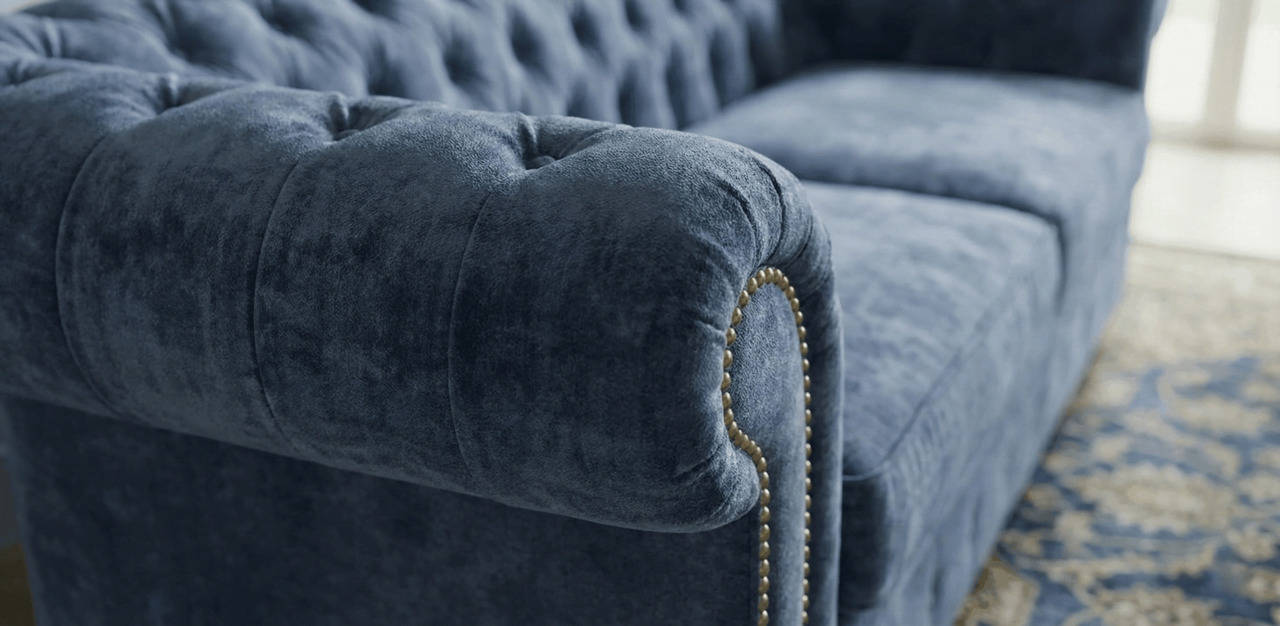
Arm areas tend to receive the most wear, but the same rule applies to the whole sofa: the cleaning method should match the upholstery type. Use the right approach for velvet, leather, or fabric.
Common Mistakes That Damage Sofa Arms
Even with the right cleaning products, fabric sofa arms can be damaged by simple everyday mistakes. To keep your armrests in good condition, avoid the following:
- Using too much water
Over-wetting the fabric can push dirt into the padding and cause tide marks or stiff areas once dry. - Applying household cleaners
Washing-up liquid, surface sprays, and glass cleaners often leave residues that attract more dirt and can damage upholstery fibres. - Scrubbing too hard
Heavy rubbing flattens the fabric, creates shiny patches, and wears away the surface texture. - Using abrasive brushes or sponges
Rough tools can pull fibres, weaken the fabric, and make the armrests look worn more quickly. - Sitting on the sofa before the arms are fully dry
This can trap moisture inside the padding and lead to odours, uneven drying, or compressed areas.
When to Call a Professional Upholstery Cleaner
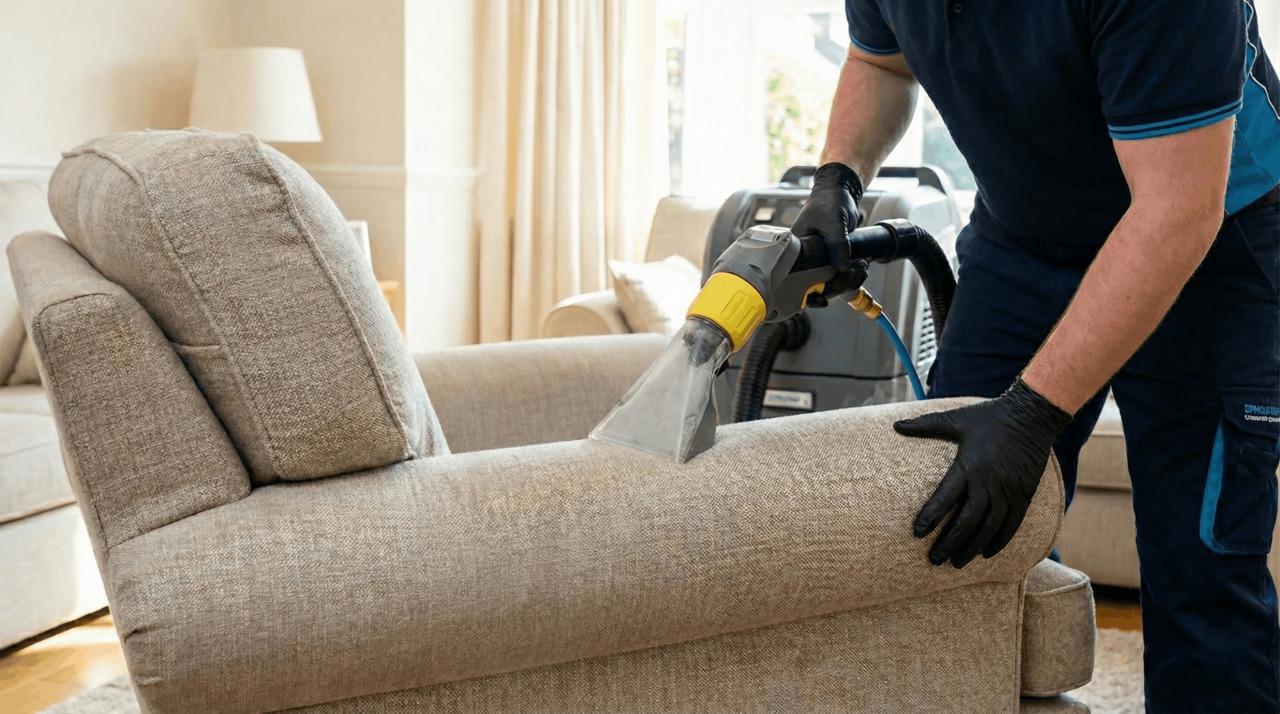
Professional cleaning may be necessary when:
- Stains do not respond to home methods
- Fabrics such as linen or velvet sofa upholstery require specialist handling
- Persistent odours remain after spills or pet accidents
- Annual deep cleaning is needed for long-term maintaining furniture condition
Conclusion
With the right tools, a clear routine, and gentle DIY cleaning methods, fabric sofa arms can stay clean and comfortable for years. Regular attention prevents staining, reduces wear, and keeps your furniture looking its best.
If you are planning to update your interior or replace worn furniture, you can explore a wide range of sofas from the leading British manufacturer Designer Sofas 4U. Each sofa is handcrafted with carefully considered construction and durable, high-quality materials. Made-to-order options are also available, allowing you to create furniture tailored to your space, style, and everyday needs.
FAQ
How Often Should Sofa Arms Be Cleaned?
Sofa arms should be lightly cleaned on a regular basis, as they are one of the most frequently touched areas of the furniture. Weekly vacuuming helps remove surface dust and prevents dirt from settling into the fabric. A more thorough clean is usually needed every few months, or sooner if visible marks appear. Homes with pets, children, or heavy daily use may benefit from more frequent spot cleaning to keep armrests looking fresh.
Can I Use Steam to Clean Sofa Arms?
Steam cleaning is not always suitable for sofa arms and should only be used if the care label specifically allows it. Some fabrics react poorly to heat and moisture, which can lead to water marks, fabric distortion, or weakened fibres. Before using steam, always check the upholstery code and test on a hidden area. When in doubt, gentle hand cleaning with minimal moisture is a safer option.
Is Baking Soda Safe for Fabric Sofa Arms?
Baking soda can be useful for deodorising fabric sofa arms, especially if they have absorbed everyday smells. It should be applied dry, left for a short period, and then vacuumed thoroughly. Baking soda should not be mixed with water unless the fabric care label permits it, as moisture can cause residue or uneven marks on some materials.
Do Sofa Arms Need More Cleaning Than Cushions?
Yes, sofa arms generally need more frequent cleaning than seat or back cushions. Armrests are exposed to constant contact from hands, clothing, and skin oils, which leads to faster build-up of dirt. Regular attention to sofa arms helps maintain the overall appearance of the sofa and prevents uneven wear across different areas of the upholstery. You may also find our guide on how to clean a sofa helpful.