
.jpg)
How to Clean a Fabric Sofa: Easy, Reliable Methods for Stains & Odours
Keeping your sofa looking fresh doesn’t need to feel complicated. Many people look for clear, practical guidance on how to clean a fabric sofa without damaging the upholstery or leaving water marks behind, and that’s exactly what this article covers. The key is understanding your fabric type, using the correct products, and working gently rather than aggressively.
Done properly, routine care protects the texture, colour, and structure of the fabric, helping your sofa stay comfortable and inviting for years.
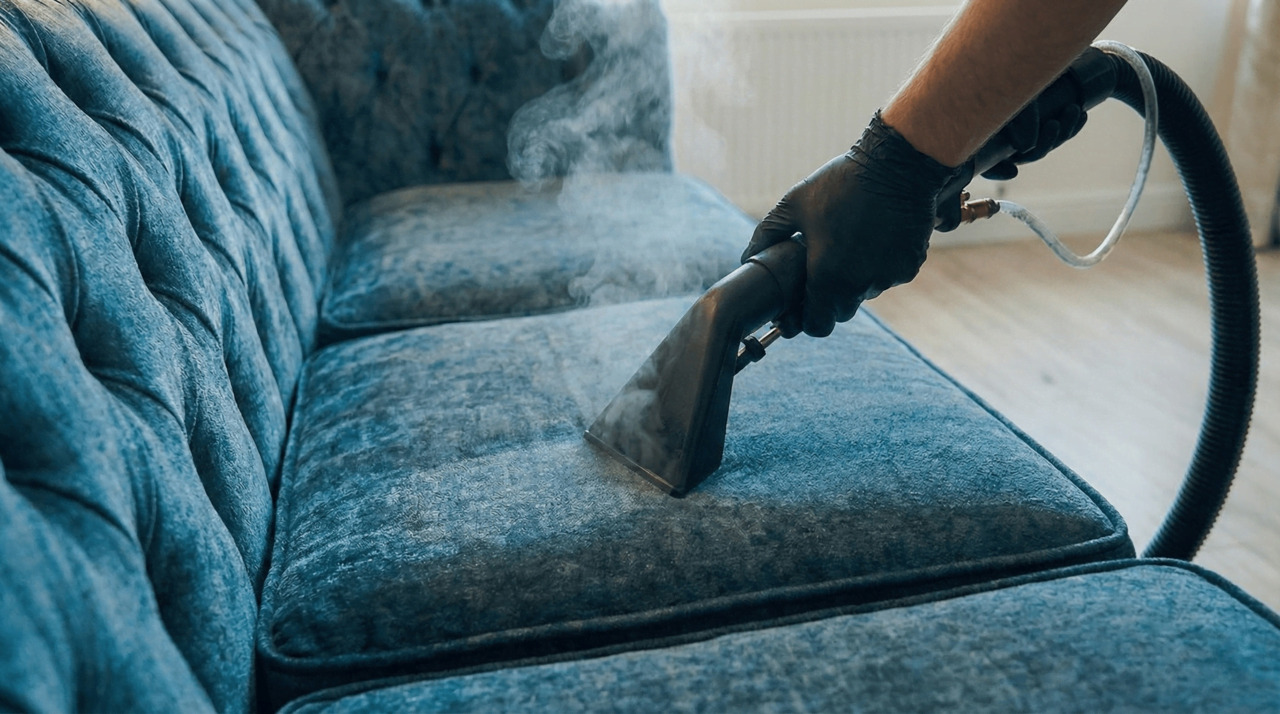
Quick Answer: The Essential Steps for Cleaning a Fabric Sofa
If you need a fast overview before diving into details, here are the core steps:
- Check the care label and identify the cleaning code.
- Identify the issue first: surface dust, a visible stain, or an odour, as each needs a different approach.
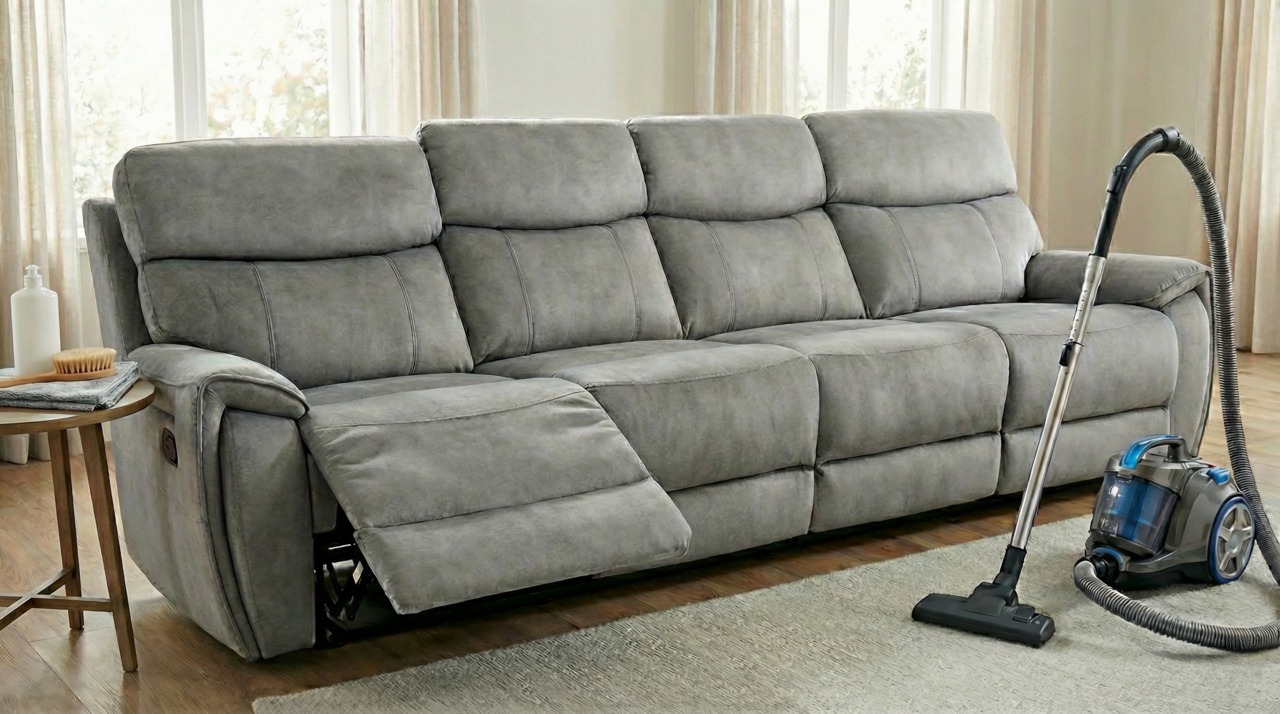
- Vacuum the sofa thoroughly using a vacuum cleaner with a brush attachment, including seams and under cushions.
- Spot-test any cleaner in a hidden area and let it dry to check for marks or colour change.
- Treat stains with a method suitable for your fabric code, applying products gently and using as little moisture as possible.
- Deodorise if needed, then allow the sofa to air dry fully before using it again.
The sections below explain each step properly so you can clean your sofa safely and confidently.
Check the Care Label Before You Start
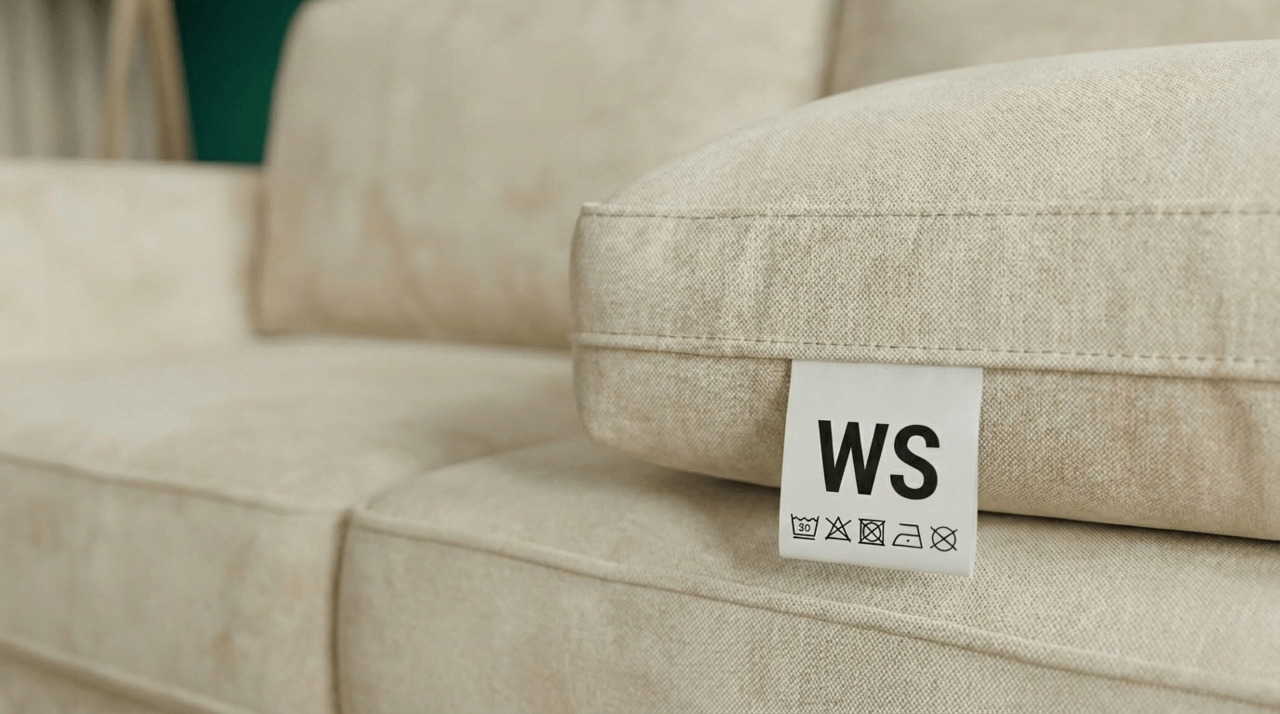
Before applying any product, look for the manufacturer’s care label. This small tag tells you how the upholstery should be cleaned and which products are safe.
You will usually find a cleaning code, such as:
- W – Use water-based cleaners
- S – Use solvent-based cleaners only
- WS – Either water-based or solvent-based products are suitable
- X – Vacuum only; professional cleaning recommended
Understanding this code prevents damage such as shrinking, colour fading, or water stains. If you are unsure, err on the side of caution and use as little moisture as possible.
Always Do a Patch Test
Even if the cleaning code allows water-based products, never skip a test patch.
Choose a hidden area — behind the sofa, underneath a couch cushion, or along the back edge. Apply a small amount of your chosen cleaner using a white cloth (to avoid colour transfer).
Then wait until the area is completely dry.
Why wait? Some fabrics show no reaction while wet but may develop marks or texture changes once dry. Allowing full dry time ensures it is safe to continue.
What You’ll Need to Clean a Fabric Sofa
Below is a practical list of tools and products that make cleaning easier. You do not need everything — choose according to the type of stain and your cleaning code.
- Vacuum cleaner – Removes dust and debris before deeper cleaning.
- Brush attachment – Lifts dirt from textured upholstery.
- Microfiber cloth – Gentle for blotting and wiping.
- White cloth – Prevents dye transfer during stain removal.
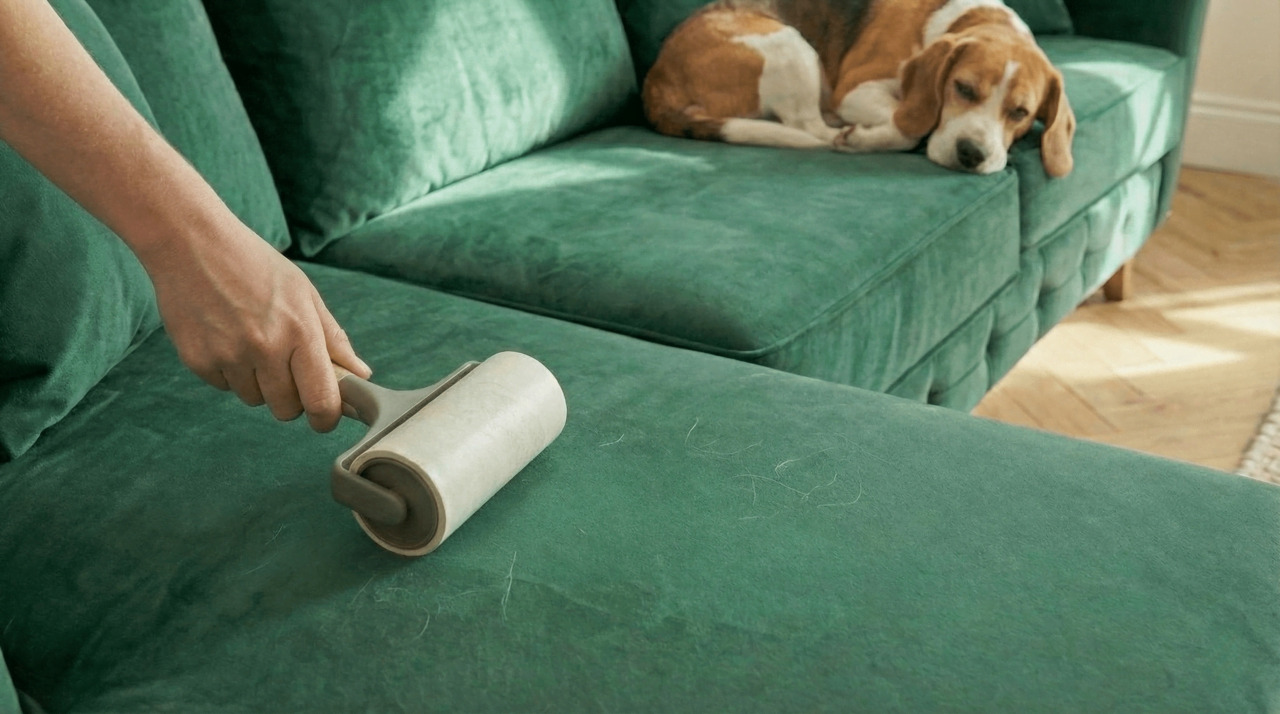
- Lint roller – Useful for quick surface cleaning and pet hair.
- Mild detergent or dish soap – Suitable for water-based spot clean methods.
- Warm water – For diluting cleaning solutions.
- Baking soda – Helps with odour removal and deodorize couch surfaces.
- Vinegar solution – Light stain removal and deodorising (if fabric allows).
- Enzyme cleaner – Effective for pet stains and organic spills.
- Steam cleaner – For deep clean situations (only when appropriate).
Choosing the correct item depends entirely on the fabric and the cleaning code.
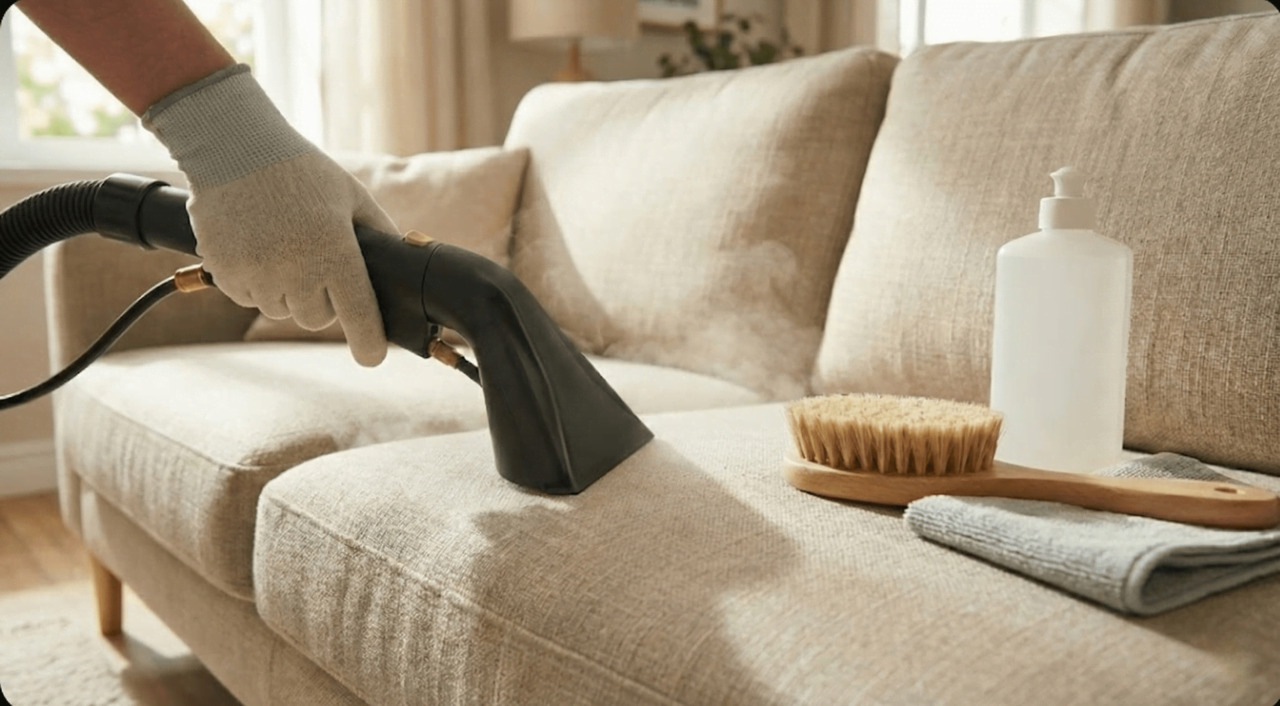
Routine Cleaning Reduces the Need for Deep Cleaning
Regular maintenance is far easier than correcting heavy buildup.
Weekly:
- Vacuum the entire surface.
- Lift and vacuum under couch cushions.
- Use a lint roller for hair and dust.
Monthly:
- Check for hidden spills.
- Lightly brush high-use areas.
- Air the room well to prevent trapped moisture.
Routine care prevents dirt from embedding into fibres and reduces how often you need to deep clean.
If you’re also looking to make your sofa feel more comfortable day to day, you may find our guide on how to make a sofa more comfortable helpful.
How to Clean a Fabric Sofa After a Spill
A common question is, “How do I clean a fabric sofa after a spill?” The most important factor is speed.
Follow this safe method:
- Blot stain gently with a dry white cloth.
- Do not rub — this spreads the stain deeper into the upholstery.
- If allowed by the cleaning code, apply a small amount of diluted mild detergent.
- Blot again.
- Let the area air dry naturally.
Using less moisture is usually safer. Oversaturating the fabric can create water marks or damage internal padding.
How to Clean Fabric Couch: Stain Removal by Type
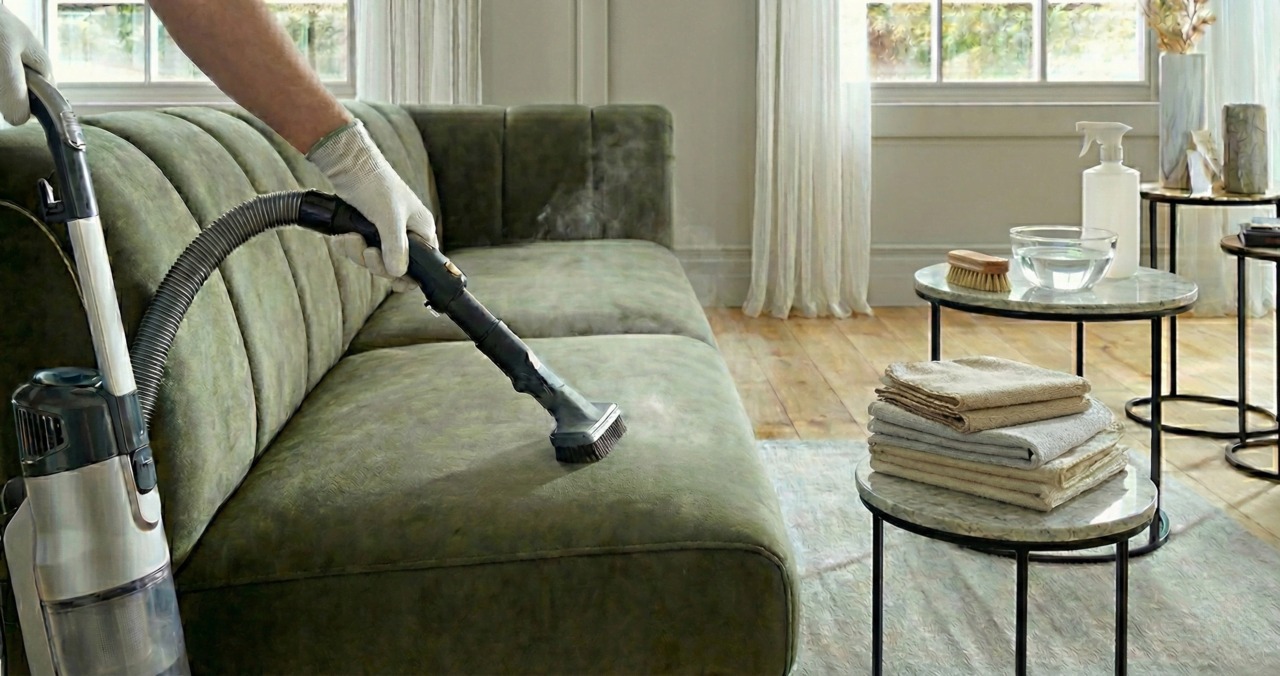
Knowing how to clean fabric couch surfaces properly starts with identifying the type of stain.
Different stains require different treatment methods. Always adapt based on the fabric and cleaning code. For example, velvet may need a little extra care when cleaning.
Coffee or Tea
Blot immediately. Use diluted dish soap with warm water (if water-based cleaning is allowed). If needed, rub gently with a soft cloth, avoiding heavy pressure.
Wine
Blot first. Apply a mild vinegar solution sparingly if safe. Do not soak.
Greasy Food
Use a small amount of mild detergent. Grease requires careful blotting rather than heavy moisture.
Mud or Dust
Let the mud dry completely before you do anything else. For dust or dry dirt, start by vacuuming the area using a vacuum cleaner with a brush attachment. If a mark remains, use a small amount of cleaner that matches your fabric code and blot gently, avoiding over-wetting.
Make-up
Use minimal solvent-based cleaner if required. Always patch test first.
Pet Stains
An enzyme cleaner helps break down odours and organic residue. Proper odor removal prevents lingering smells.
Unknown Stain
Start with the mildest method possible. More aggressive cleaning increases the risk of damage.
How to Freshen Up Fabric Sofa
Many homeowners ask how to freshen up fabric sofa surfaces between deeper cleans without causing damage.
Even without visible stains, upholstery can absorb odours over time.
To improve freshness:
- Lightly sprinkle baking soda across dry fabric.
- Leave for 20–30 minutes.
- Vacuum thoroughly.
For deeper odour removal, ensure good airflow and allow cushions to breathe.
In households with pets or young children, some owners choose products designed to sanitize fabric safely. Always ensure the product matches the cleaning code and avoid over-wetting the upholstery. In our previous articles, you can also find advice on cleaning Chesterfield sofa buttons, as well as more detailed guidance on cleaning sofa armrests.
For occasional hygiene concerns, it may also be appropriate to disinfect sofa surfaces lightly, but this should be done with care and suitable products to prevent fabric damage.
If you notice dampness or a musty smell, inspect for hidden moisture. Mild mold removal may require professional help. Persistent damp odours should never be ignored, as trapped moisture can damage internal padding.
Deep Cleaning: When and When Not To
Occasionally, a sofa may require a full deep clean.
A steam cleaner can help lift embedded dirt — but only if your cleaning code allows water-based cleaning. Steam may damage delicate upholstery or create water marks if overused.
Avoid steam cleaning:
- Delicate fabrics
- Silk blends
- Fabrics marked “S” only
- Areas prone to water staining
Deep cleaning should not be frequent. Over-cleaning can weaken fibres and reduce fabric lifespan.
How to Wash Fabric Sofa at Home Safely
Washing a fabric sofa at home is only suitable in specific situations. In most cases, this refers to cleaning removable covers rather than soaking the entire upholstery.
If your sofa includes removable covers, follow the washing instructions provided by the manufacturer. Use a gentle cycle, cold water where recommended, and avoid high heat during drying. Excessive heat is one of the main causes of shrinkage and misshaping.
Never wash fixed upholstery directly in a machine. For non-removable fabric, controlled spot cleaning and minimal moisture methods are far safer than full saturation. When in doubt, professional cleaning may be the better option.
For more detailed guidance, you can also see our advice on washing a sofa cover.
How to Keep a Fabric Sofa Clean
Understanding how to keep a fabric sofa clean is less about occasional deep cleaning and more about consistent everyday habits.
Long-term cleanliness comes from small habits:
- Use throws in high-use areas.
- Rotate cushions regularly.
- React quickly to spills.
- Keep pets groomed to reduce fur buildup.
- Ventilate the room to prevent trapped moisture.
These simple steps extend the life of your upholstery and reduce heavy cleaning sessions.
Conclusion
Learning how to wash fabric sofa at home safely is not about aggressive scrubbing or harsh chemicals. It is about understanding the material, using gentle techniques, and maintaining consistency.
When cared for properly, fabric sofas remain durable, hygienic, and inviting for everyday living.
If you are also in the process of choosing a new sofa, our sofa buying guide can help you compare options and find the right fit for your home. If you are considering a new design, you can explore our collection of fabric sofas or contact the Designer Sofas 4U team for expert advice on choosing upholstery that suits your lifestyle.
FAQ
How to clean a fabric sofa?
Begin with the care label — it tells you which method is safe. Remove loose dust first, treat stains with minimal moisture, and work gently rather than scrubbing. The goal is controlled cleaning, not soaking the upholstery. Allow the fabric to dry completely before sitting on it again.
Should I use a steam cleaner to clean a fabric sofa?
Steam can be effective on durable fabrics marked for water-based cleaning, but it is not suitable for every sofa. Delicate materials and solvent-only upholstery can react badly to heat and moisture. If unsure, use a light surface clean instead or seek professional advice.
How often should I deep clean a fabric sofa?
For most households, once or twice a year is enough. Heavy use, pets, or allergies may require more attention. Regular vacuuming and quick stain treatment usually prevent the need for frequent deep cleaning.
How do I remove water marks from a fabric sofa?
Water marks often appear when one area dries unevenly. Lightly blending the surrounding fabric with minimal moisture (if safe for your cleaning code) can help the surface dry uniformly. Always test first and avoid oversaturating the padding beneath.
How to keep a fabric sofa clean?
Consistency makes the biggest difference. Vacuum weekly, rotate cushions to balance wear, deal with spills straight away, and keep the room well ventilated. These habits protect both the appearance and structure of the fabric.
Which is easier to clean — a leather sofa or a fabric sofa?
Leather is generally simpler to wipe down, as spills stay on the surface. Fabric offers warmth and softness but requires more attentive care. If you are considering both options, you may also find our guide on how to clean a leather sofa helpful.